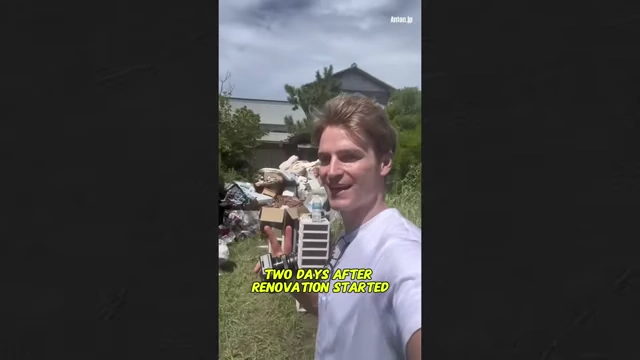
The Realities of Buying and Living in Akiya (Abandoned Homes) in Japan
The video debunks the viral hype surrounding Akiya, or abandoned homes, in Japan, often portrayed on social media as easy, cheap housing solutions. While some Akiya can be acquired for very little, even $0, the speaker highlights numerous hidden costs and significant challenges for the average person. These include substantial renovation expenses for often dilapidated homes lacking earthquake resistance and insulation, ongoing fixed asset and city planning taxes based on land value, and strict regulations like the Minpaku Law for short-term rentals. Additionally, purchasing property does not grant Japanese residency. Akiya banks primarily aim for community revitalization, not financial speculation, requiring buyers to live in and integrate with the local community. The video emphasizes that for most, Akiya is a long-term lifestyle investment requiring considerable time, effort, and cultural understanding, rather than a quick flip or an easy escape from housing crises in other countries.
Introduction to Akiya Hype and Misconceptions [0:00]
Abandoned homes in Japan, known as Akiya, have become a popular buzzword on social media, especially TikTok and Instagram, portraying them as cheap or even free housing solutions.
- The social media narrative [0:17]
- Content creators often showcase their seemingly effortless acquisition and transformation of Akiya, suggesting a simple path to living in Japan.
- These short-form videos often omit crucial information, creating an overly optimistic view.
-
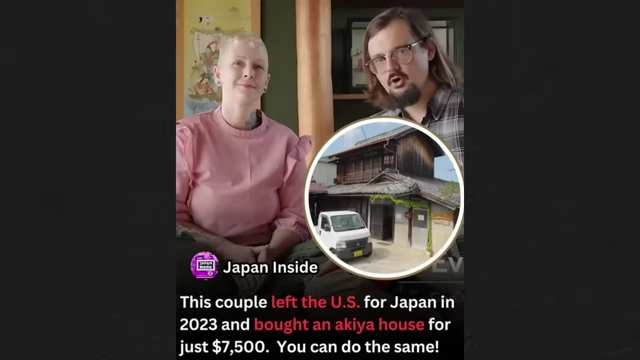
A social media post showing a cheap Akiya home for sale, promoting the idea of easy and affordable housing in Japan [ 00:00:56 ]
- The underlying reality [0:47]
- While low prices exist, there are significant catches and hurdles that make Akiya potentially not worth it for the average person.
- Many individuals yearning to escape housing crises in their home countries might be blinded by the urge to find an easy solution in Japan.
-
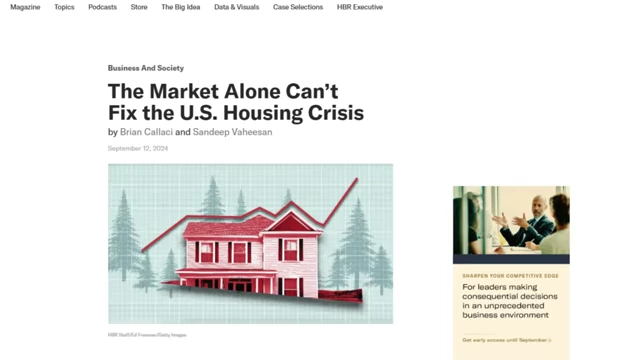
An article headline discussing the ongoing housing crisis in the U.S. [ 00:02:13 ]
Key Hurdles to Buying and Living in Akiya [1:00]
Buying and renovating an Akiya in Japan involves numerous complex challenges that are often overlooked.
- Financial Risks and Hidden Costs [1:00]
- Fixed Asset Tax and City Planning Tax [6:15]
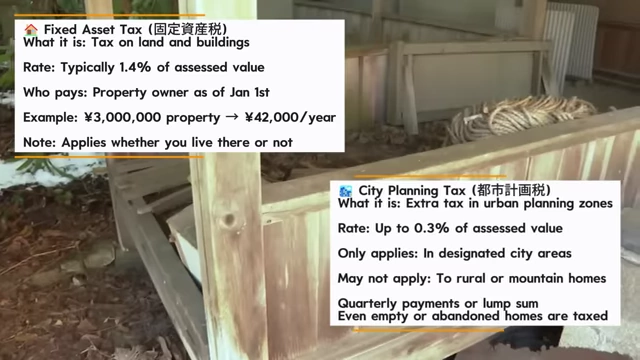
- Japan levies a Fixed Asset Tax (typically 1.4% of assessed value on land and buildings, paid by the property owner as of Jan 1st, regardless of occupancy) and a City Planning Tax (up to 0.3% of assessed value in urban planning zones).
- The land is taxed based on its assessed value, not the selling price, meaning a dilapidated house in a desirable location can still incur substantial annual taxes.
- This explains why many Akiya owners are eager to dispose of their properties, even giving them away, to avoid these recurring tax burdens.
-
Information on Japan's Fixed Asset Tax and City Planning Tax, detailing rates and who pays [ 00:06:20 ]
- Renovation Expenses
- Even if the purchase price is minimal, the costs of making the property livable can be exorbitant.
-
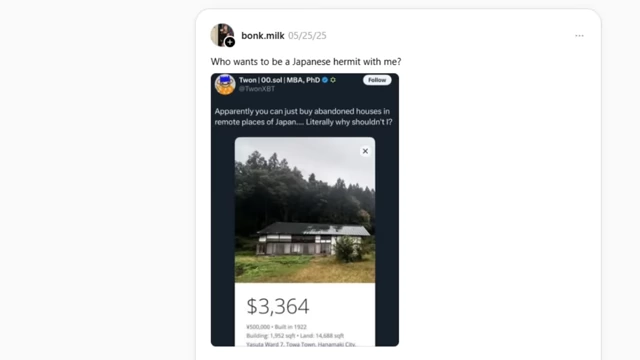
A social media post showing a house for $3,364 and asking "Who wants to be a Japanese hermit with me?" [ 00:05:20 ] -
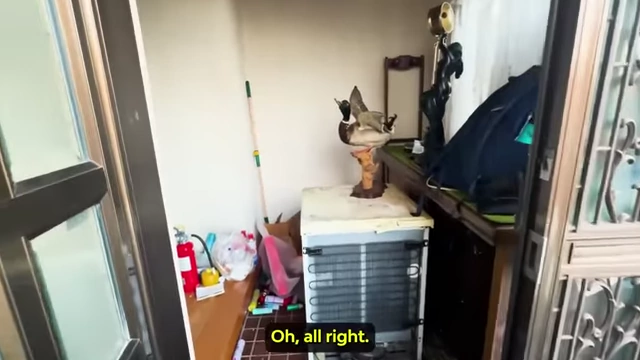
The cluttered and neglected interior of a piece of crap Akiya home. [ 00:05:24 ] -
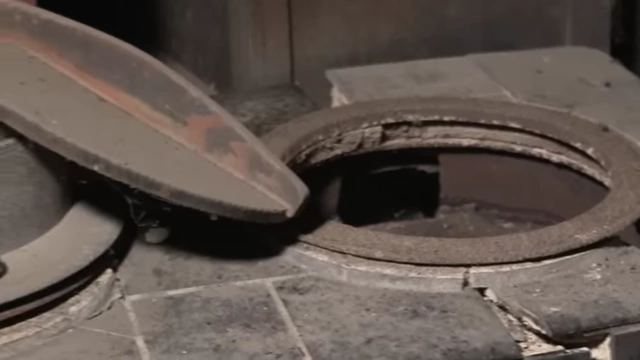
An old, rusty cooking stove in an abandoned Akiya, indicating outdated infrastructure. [ 00:06:16 ]
- Fixed Asset Tax and City Planning Tax [6:15]
- Structural Issues and Renovation Costs [7:08]
- Earthquake Resistance [7:15]
- Many older homes (built before 1981, following Kyu-Taishin standards) are not earthquake-resistant and may collapse in major earthquakes.
- These homes are typically harder to insure, renovate, or sell, often requiring costly seismic retrofitting to meet current Shin-Taishin standards (post-June 1, 1981).
-
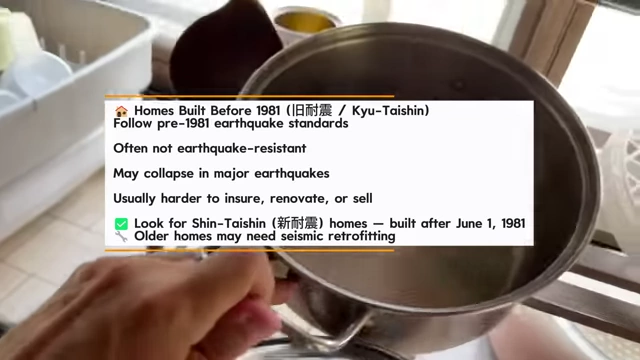
Information regarding homes built before 1981 and earthquake resistance standards, advising to look for Shin-Taishin homes. [ 00:07:20 ]
- Insulation Issues [7:21]
- Even relatively newer Japanese houses might lack proper insulation, leading to uncomfortable living conditions, especially in rural areas with harsh winters (e.g., heavy snow).
- Fixing these issues adds significantly to renovation costs.
-
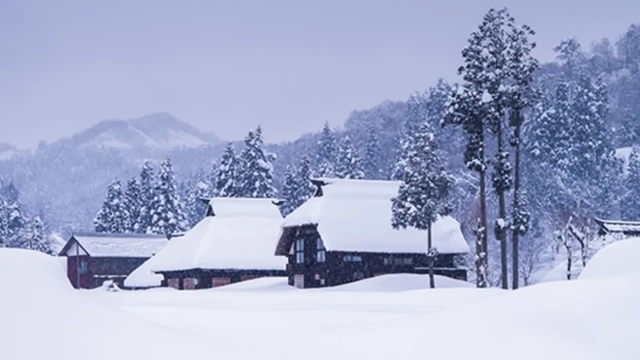
A snow-covered rural Japanese village, illustrating potential harsh winter conditions for Akiya owners. [ 00:07:34 ]
- Earthquake Resistance [7:15]
- Visa and Residency [1:10]
- Property ownership does not grant permission to live in Japan permanently.
- Foreigners still need to navigate the complex visa and immigration system independently.
-
A laptop and a contract document, symbolizing the legal and bureaucratic aspects of property acquisition. [ 00:08:39 ]
- Language and Cultural Barriers [1:07] [11:17]
- Living in rural Japan, where many Akiya are located, requires proficiency in the Japanese language.
- Beyond linguistic communication, a deep understanding of Japanese culture and behavioral norms is crucial for integrating into local communities.
The Unrealistic Dream of Airbnb/Flipping Akiya [7:37]
While some successful cases exist, the idea of easily turning an Akiya into a profitable Airbnb or a quick flip is generally unrealistic for the average person.
- Anton in Japan's unique success [7:44]
- Anton, a prominent Akiya content creator, successfully transformed an Akiya in Tokyo into a popular Airbnb, gaining significant media attention and financial success.
-
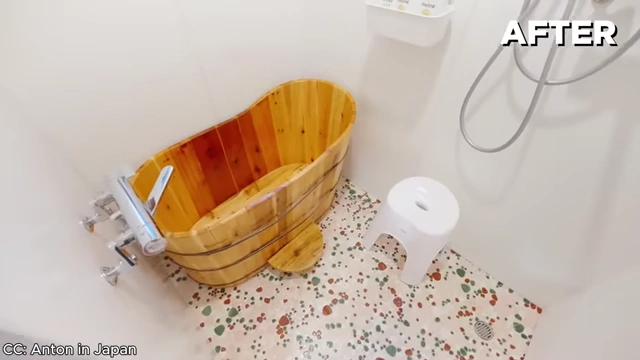
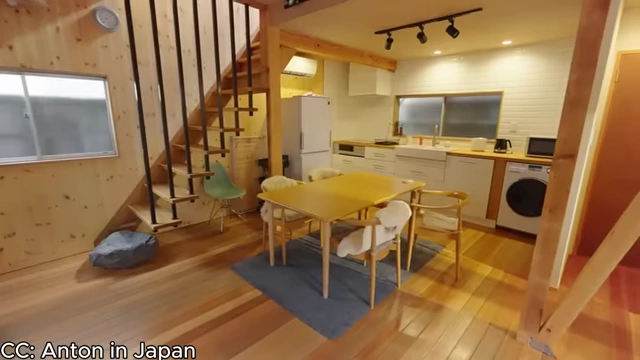
Renovated traditional Japanese wooden bathtub in Anton's Akiya, showing modern amenities. [ 00:03:14 ] -
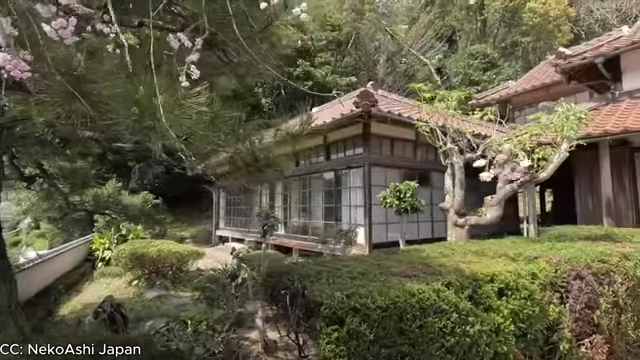
An exterior shot of an old, but relatively well-preserved Akiya home. [ 00:02:21 ] -
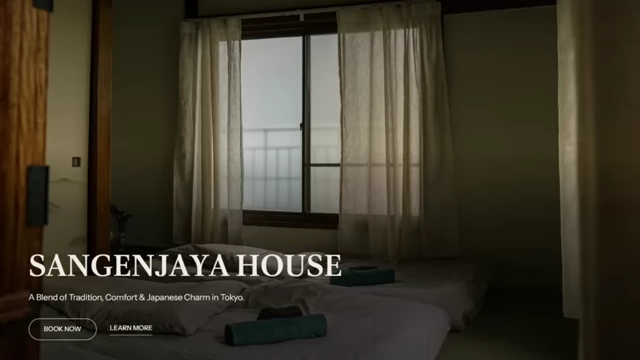
Airbnb listing page for Anton in Japan's renovated Sangenjaya House, showcasing its features. [ 00:03:56 ] - His success is partly due to his status as a content creator and influencer, as well as the prime location of his property in Tokyo, which is not easily accessible to others.
-
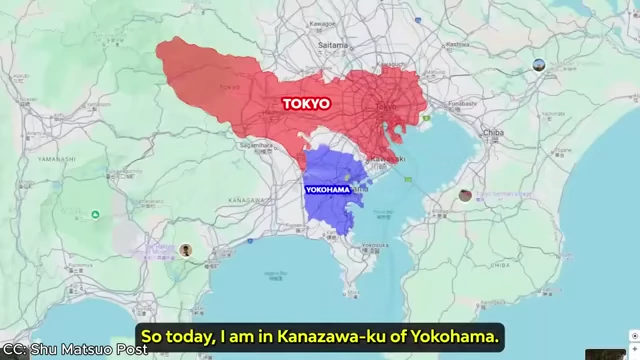
Map showing the relative locations of Tokyo and Yokohama, highlighting urban areas. [ 00:01:40 ] -
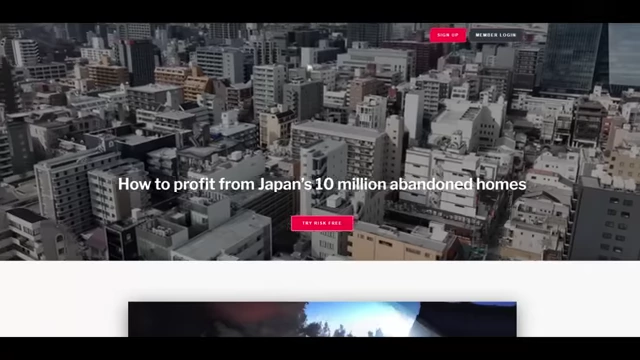
A website promoting a course on "How to profit from Japan's 10 million abandoned homes." [ 00:01:45 ] -
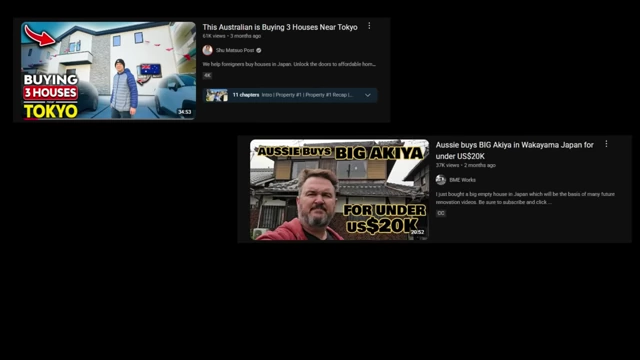
YouTube video thumbnails promoting the purchase of Akiya. [ 00:01:49 ]
- Minpaku Law (Short-term Rental Regulations) [9:06]
- The Minpaku Law limits short-term rentals like Airbnb to 180 days a year and requires hosts to register with local authorities.
- Some condominiums ban rentals, and strict rules apply to safety and noise.
- Rules vary by area; some only permit weekend rentals.
- Breaking the law can result in fines up to ¥1 million and removal from rental platforms.
- Obtaining approval from neighbors and the local community is often required, and they can refuse due to concerns about noisy tourists.
- Compliance with safety, sanitation, and zoning laws adds further regulatory burden.
-
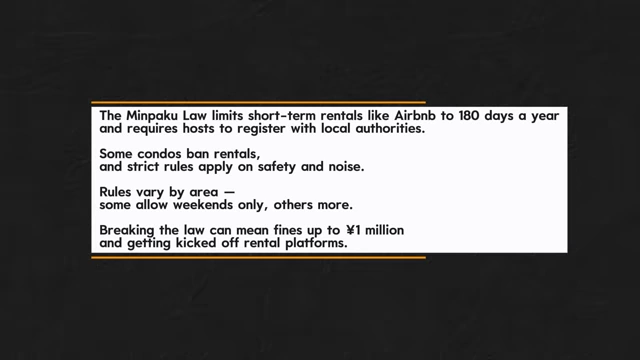
Details of the Minpaku Law regulating short-term rentals like Airbnb in Japan, including limits and penalties. [ 00:09:10 ]
- Property Depreciation in Japan [10:10]
- Unlike land, houses in Japan generally depreciate rapidly, often becoming almost worthless within 20-30 years due to building standards that anticipate a limited lifespan, influenced by earthquake risks and aging materials.
- This means an Akiya is usually a depreciating asset rather than a business investment.
-
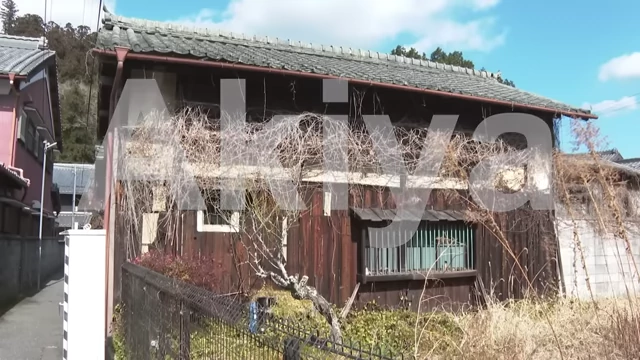
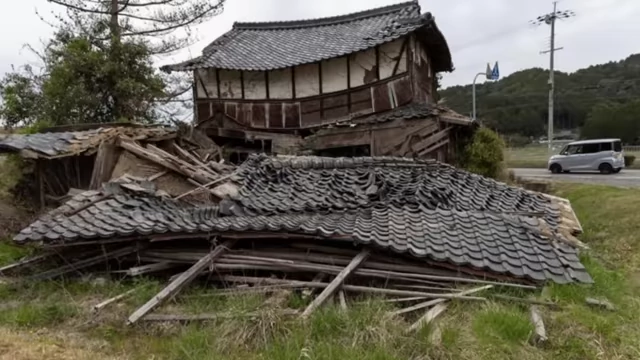
An overgrown, abandoned Akiya highlighting its state of disrepair. [ 00:10:04 ] -
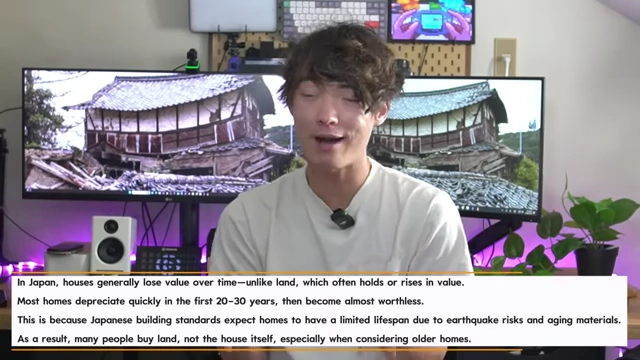
Text explaining how houses in Japan generally depreciate in value over time, unlike land. [ 00:10:15 ]
The True Purpose of Akiya and Community Integration [10:26]
The core purpose of Akiya initiatives is community revitalization, not individual financial gain.
- Akiya banks' goals [10:38]
- Akiya banks were established to encourage people, especially Japanese citizens, to move back into and revitalize forgotten rural communities facing population decline.
- Their primary objective is community growth, not financial profit from property sales.
-
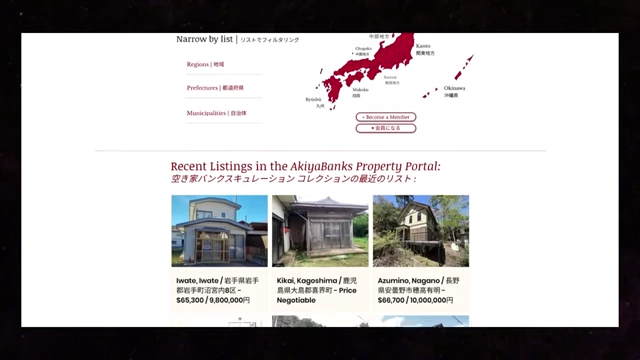
A screenshot of an AkiaBanks property portal showing recent listings in various regions. [ 00:10:30 ]
- Requirements for buyers [10:50]
- Buyers are often required to live in the property, register their address there, and assimilate into the community (e.g., joining farming or fishing communities).
- The intention is for buyers to become active, permanent residents who contribute to the local area, rather than absentee owners or short-term flippers.
-
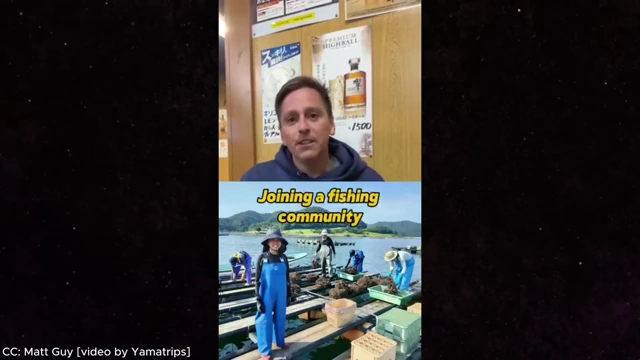
Matt Guy explaining requirements for joining rural communities when acquiring Akiya, with an image of a fishing community. [ 00:11:10 ]
Conclusion: Akiya is Not for Everyone [11:49]
While the concept of revitalizing abandoned homes is appealing, Akiya ownership demands significant commitment and research.
- Akiya requires significant time, physical, and emotional investment [12:28].
- It is crucial for interested individuals to conduct thorough research and understand the full scope of challenges before committing.
- The video encourages open discussion and acknowledges that while some content creators find success in monetizing their Akiya journeys, this is not the typical experience for most people.
-
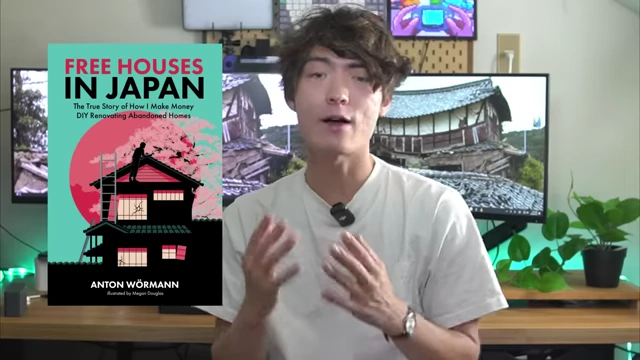
The cover of Anton in Japan's book "Free Houses in Japan", detailing DIY renovation of abandoned homes. [ 00:03:31 ] -
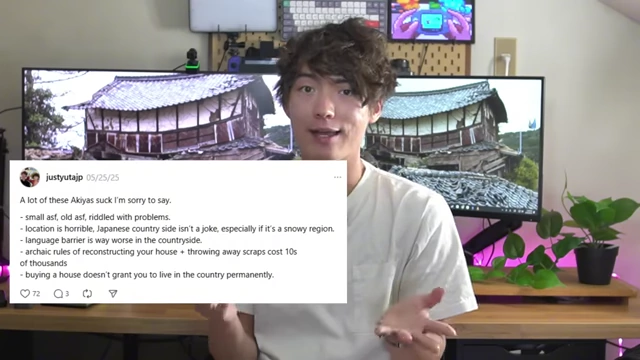
The speaker's social media post detailing why Akiya are often not worth it, citing issues like size, age, location, language, and costs. [ 00:05:41 ]