"Burden of Dreams" Behind the Scenes: Camera Gear, Talent, and Creative Choices
Here are the main takeaways from Eyre Film's "Burden of Dreams" behind the scenes video:
- The film was a creative response to a transformative year for the production company.
- A freak wave destroyed their FX6 camera shortly before production, leading to an upgrade to the Red V-Raptor 8K.
- They used DZO Vespid Prime lenses for their lightweight and cinematic look.
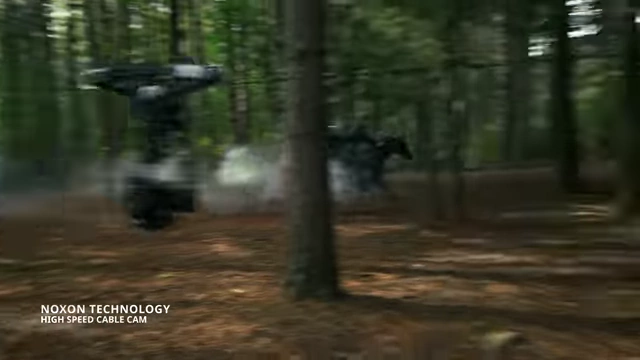
- A Noxin high-speed cable cam was used for fast, smooth tracking shots in the forest, offering precision and depth.
- DJI's full ecosystem was used, including the Focus Pro with LiDAR autofocus and the transmission system for reliable signal and image clarity.
- The SCG T8 tripod system was used to support the heavier Red camera, delivering smooth and consistent movement.
- The casting process involved finding talent with a striking visual presence, including a horse rider who had never ridden before.
- Atmosphere was created using an insect fogger with propane and baby oil for fog and a fire pump sprinkler for rain effects.
- Visualization scenes were turned to black and white to create a clearer distinction from reality.
- Music and sound design were fundamental, with a reference track guiding the emotional rhythm and stems being used for control.
Pre-Production & Creative Vision [00:00:20]
The filmmakers share how "Burden of Dreams" was conceived as a creative response to a challenging year for their production company, transforming lessons into art.
- Creative Response to Challenges: The film served as an artistic translation of a transformative and challenging year for Eyre Films.
- Planning and Storyboarding: The team meticulously planned the film, utilizing detailed spreadsheets and storyboards.
- A production spreadsheet was used to organize props, lighting, and reference images during planning meetings.
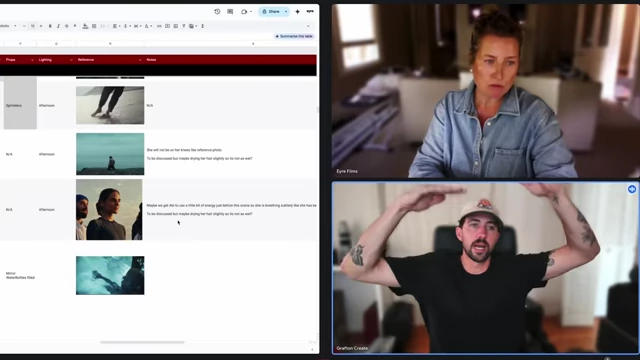
A production spreadsheet showing props, lighting, and reference images during a planning meeting. [ 00:00:33 ] - Storyboards were created to detail character movements and scene compositions.
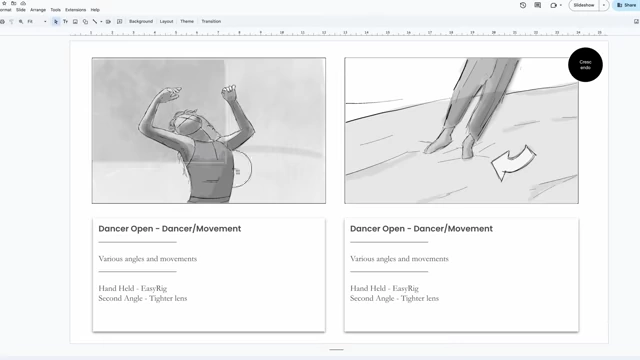
Storyboard sketches detailing dancer movements. [ 00:00:34 ] - A mood board compiled various visual references to guide the film's aesthetic.
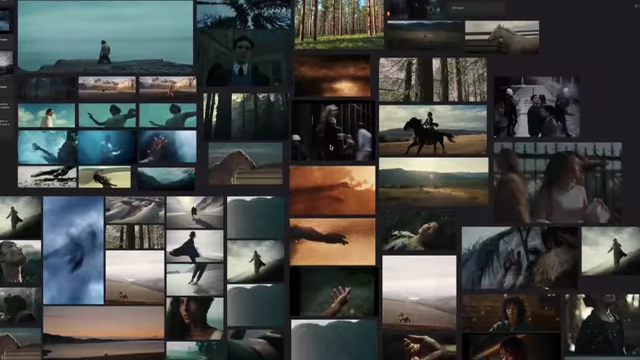
A mood board with various visual references for the film. [ 00:00:35 ]
- A production spreadsheet was used to organize props, lighting, and reference images during planning meetings.
Camera Gear [00:01:19]
The production team discusses the camera gear used in filming, highlighting the challenges and solutions encountered.
- Unexpected Camera Upgrade: The team's FX6 was destroyed by a freak wave just before the shoot, forcing them to upgrade to the Red V-Raptor 8K.
- This stressful incident led to a necessary camera upgrade.
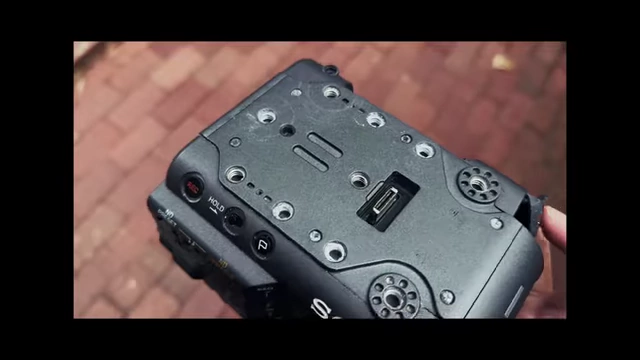
The damaged Sony FX6 camera and monitor after being hit by a wave. [ 00:01:40 ] - This upgrade, though stressful, pushed them to be more deliberate with each setup.
- This stressful incident led to a necessary camera upgrade.
- Lenses: DZO Vespid Prime lenses (35, 50, and 100mm) were used for their lightweight design and cinematic look.
- The lenses were particularly useful when rigging to the gimbal or cable cam, maintaining a sharp cinematic look with character and contrast.
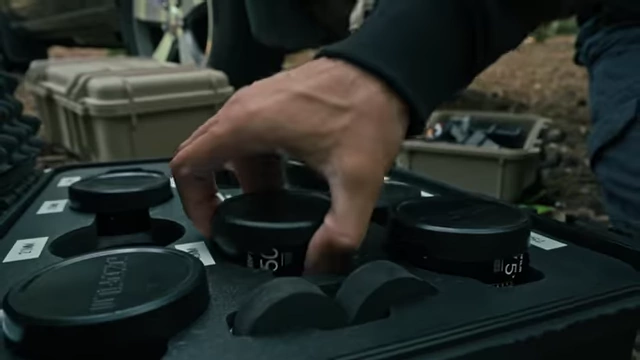
DZO Vespid Prime lenses, used for their lightweight and cinematic look. [ 00:02:14 ]
- The lenses were particularly useful when rigging to the gimbal or cable cam, maintaining a sharp cinematic look with character and contrast.
- Cable Cam: A Noxin high-speed cable cam was used for smooth, fast tracking shots in the forest.
- The inspiration for using a cable cam came from watching films like Ridley Scott's "The Last Duel."
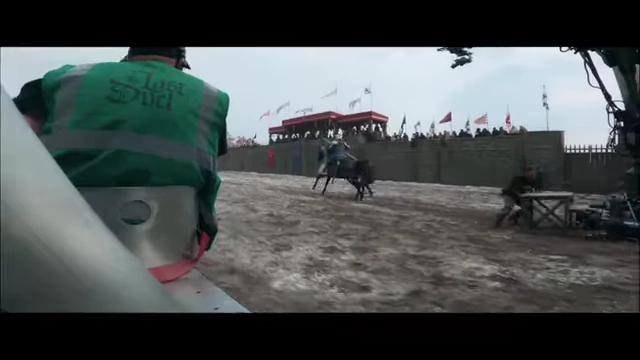
Example of a cable cam shot from Ridley Scott's 'The Last Duel' that inspired the filmmakers. [ 00:02:38 ] - The cable cam allowed them to move with precision through dense trees and create depth.
The Noxin high-speed cable cam moving rapidly through the forest. [ 00:02:49 ] - The cable stretched 150m and took 4 hours for three people to set up using winches.
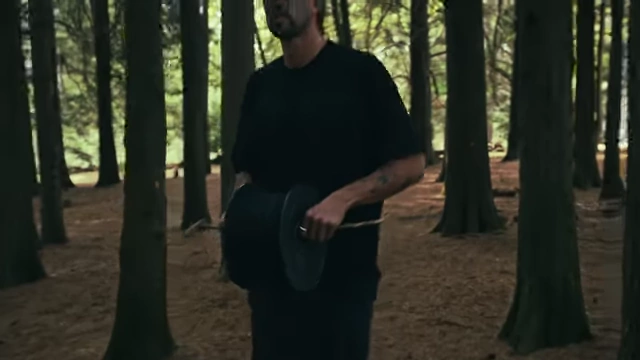
The crew uses winches and physical strength to tension the 150m cable cam line. [ 00:03:22 ] - It offered full control in a tight, low-clearance environment where a drone would have struggled, providing varied camera heights.
- The cable cam with camera also provided an overhead tracking shot of the horse.
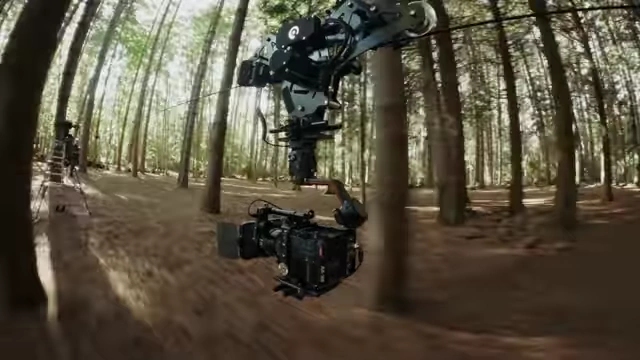
The cable cam with camera providing an overhead tracking shot of the horse. [ 00:03:05 ] - The remote control setup allowed for precise operation.
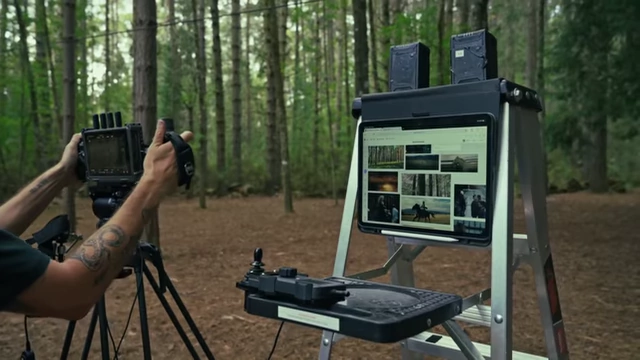
Remote control setup with tablet and joystick for operating the cable cam. [ 00:05:22 ]
- The inspiration for using a cable cam came from watching films like Ridley Scott's "The Last Duel."
- DJI Ecosystem: The production utilized DJI's full ecosystem, including:
- DJI Focus Pro all-in-one combo with LiDAR autofocus for beach sequences with Abby.
- LiDAR autofocus, relying on laser light, offered greater precision in low light conditions and outperformed the Sony A7S3.
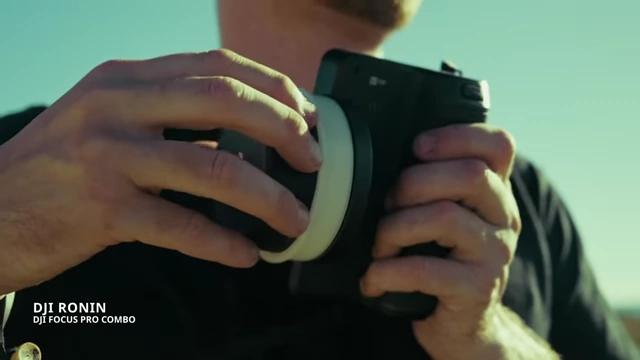
The DJI Focus Pro All-In-One Combo with LiDAR autofocus module attached to the camera. [ 00:04:03 ]
- LiDAR autofocus, relying on laser light, offered greater precision in low light conditions and outperformed the Sony A7S3.
- DJI transmission system and high-bright monitor combo.
- Provided solid signal over long distances with flawless image clarity and reliability in the field.
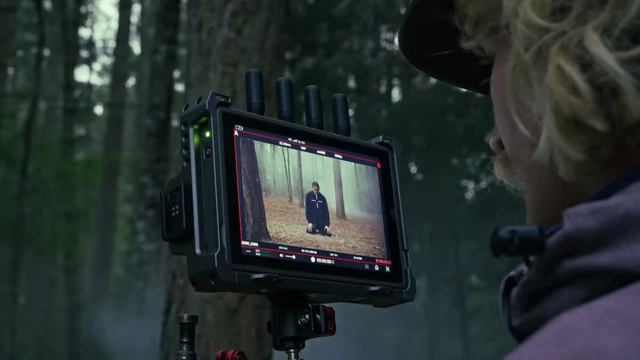
The DJI high-bright monitor displaying real-time footage from the camera. [ 00:04:26 ]
- Provided solid signal over long distances with flawless image clarity and reliability in the field.
- DJI Focus Pro all-in-one combo with LiDAR autofocus for beach sequences with Abby.
- Tripod System: The SCG T8 tripod system was essential for supporting the heavier Red camera.
- The tripod comfortably supported the camera's weight (max 10 kilos) and delivered smooth, consistent movement.
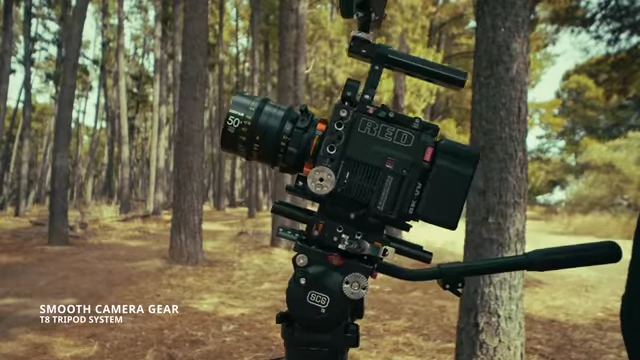
The SCG T8 tripod system supporting the heavier Red V-Raptor camera. [ 00:04:47 ] - The detachable fluid head was valuable for slider push-in shots, providing smooth, controlled motion for character introductions.
- It was also useful for remotely operating the Ronin on the cable cam, allowing fine-tuned movements.
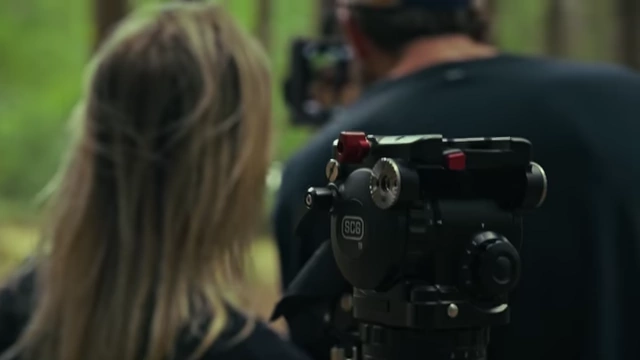
The SCG T8 tripod system used to remotely operate the Ronin on the cable cam. [ 00:05:13 ]
- The tripod comfortably supported the camera's weight (max 10 kilos) and delivered smooth, consistent movement.
Casting and Talent [00:05:24]
The video highlights the casting process and the unique challenges in finding the right talent.
- Horse Rider: Makoto, the lead rider, lived in Japan and had never ridden a horse before, despite being cast as the lead rider in Tasmania, Australia.
- The production team decided to cast based on his striking visual presence and solve the riding issue later.
- Makoto started horse riding lessons a few weeks before the shoot.
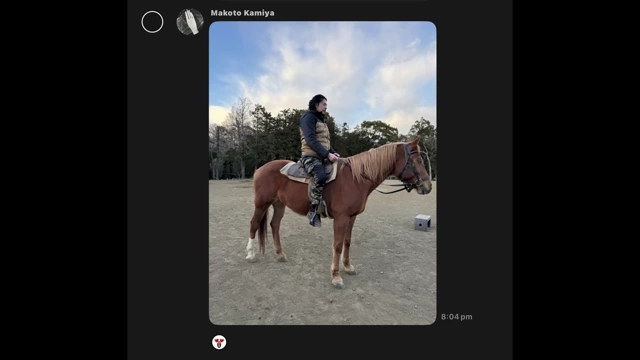
A photo of Makoto taking horse riding lessons prior to the shoot. [ 00:05:48 ] - Mel Horan was cast as a horse riding stunt double from over 130 applications.
- Mel and her horse were calm and confident around the camera, and she passed perfectly at speed in Makoto's wardrobe.
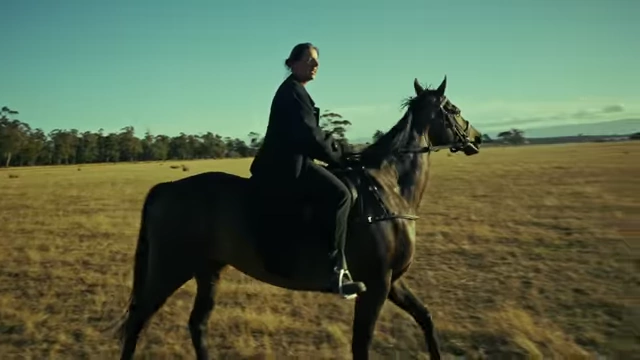
Stunt double Mel Horan riding the horse in Makoto's wardrobe. [ 00:06:05 ]
- Mel and her horse were calm and confident around the camera, and she passed perfectly at speed in Makoto's wardrobe.
- Dancer: Abby's natural look and fluid movement were key to her casting as the dancer, perfectly matching the team's visualization for her "break free" moment and final scene.
Creative Decisions [00:06:29]
The team discusses various creative decisions made during the filmmaking process.
- Atmosphere: Atmosphere was created using unique methods entirely from scratch.
- Fog in the forest was made using an insect fogger, propane, and baby oil.
- The fog created a dense, moody tone, making the forest feel cold, heavy, and closed in.
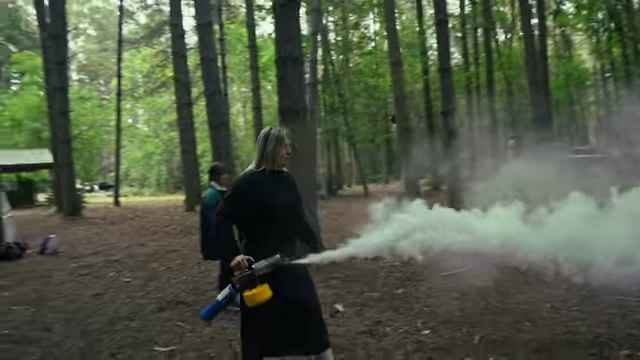
A crew member applying fog in the forest using an insect fogger. [ 00:06:39 ]
- The fog created a dense, moody tone, making the forest feel cold, heavy, and closed in.
- Rain effect was achieved using a fire pump sprinkler on the coastal location.
- The concept for the rain effect came from observing sunlight hitting water droplets from a garden sprinkler.
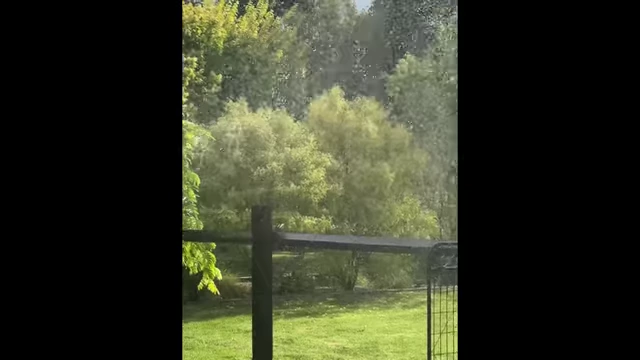
A garden sprinkler, demonstrating how the rain effect was conceptualized. [ 00:06:52 ] - The fire pump sprinkler added striking visual intensity to Abby's story.
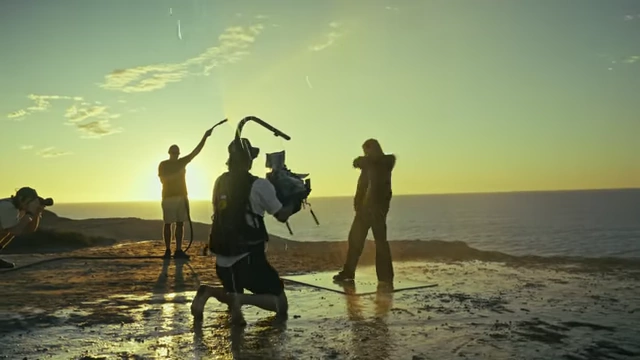
The fire pump sprinkler creating rain effects on the coastal location for the dancer's scene. [ 00:06:58 ]
- The concept for the rain effect came from observing sunlight hitting water droplets from a garden sprinkler.
- Fog in the forest was made using an insect fogger, propane, and baby oil.
- Black and White Visualization: Visualization scenes were turned to black and white, a decision made late in the process.
- The change provided clarity between reality and visualization, which was not obvious when everything was in color.
- The filmmakers felt it was the right choice, as most people naturally dream in black and white.
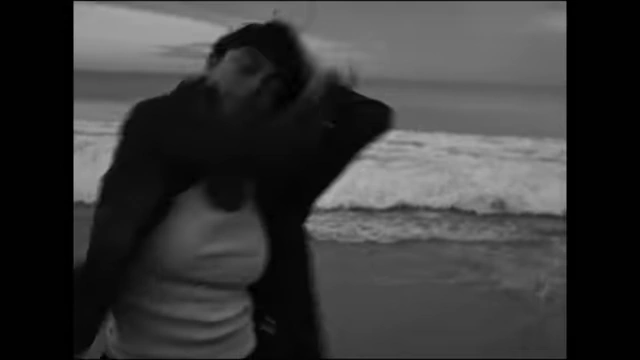
A black and white visualization scene for the film. [ 00:07:19 ]
Sound Design and Music [00:07:33]
Music and sound design played a critical role in shaping the film's emotional impact.
- Music Selection: Music selection began before the storyboard was finished, filtering tracks by BPM, instrument, and mood.
- The team used a reference track with 141 BPM and a strong string melody to guide their search.
- They found "Legend Awaits," which carried cinematic tension and two distinct arcs mirroring the film's emotional rhythm.
- Stems (individual audio tracks) were essential for controlling elements and building tension with precision.
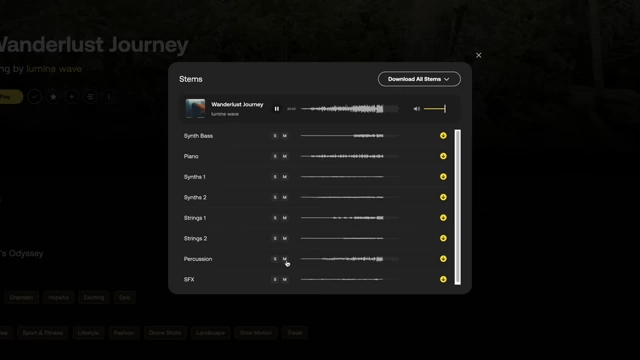
The interface showing individual stems (synth bass, piano, strings, percussion) for a music track, allowing precise control. [ 00:08:23 ] - This allowed them to soften percussion where needed, let emotional moments land, and build tension without being confined to the original arrangement.
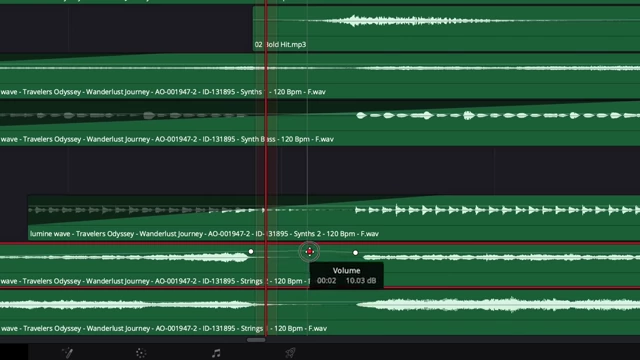
Audio waveforms being adjusted in editing software for precise control over the music track. [ 00:08:28 ]
- Sound Design: Sound design was crucial, with rumbles of thunder, low-end pulses, and sharp hits adding weight to the images.
- These sounds, like a horse's hoof kicking up dirt, were emotional drivers, not just effects.
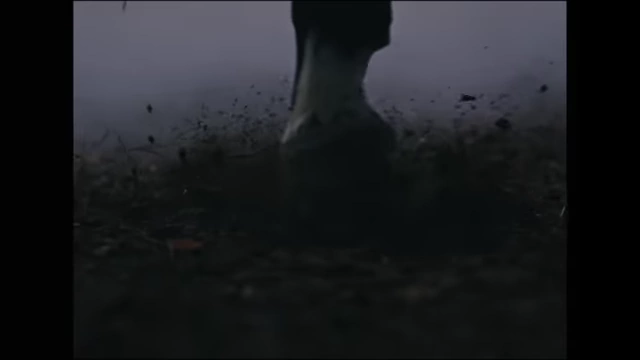
A horse's hoof kicking up dirt, a visual cue for sound design. [ 00:08:46 ]
- These sounds, like a horse's hoof kicking up dirt, were emotional drivers, not just effects.
Outro and BTS [00:09:12]
The filmmakers express gratitude to their team and partners for bringing the deeply personal project "Burden of Dreams" to life through intentional filmmaking.