Apple's Executive Departures: A Strategic Succession Plan for Tim Cook's Era Transition
Summary:
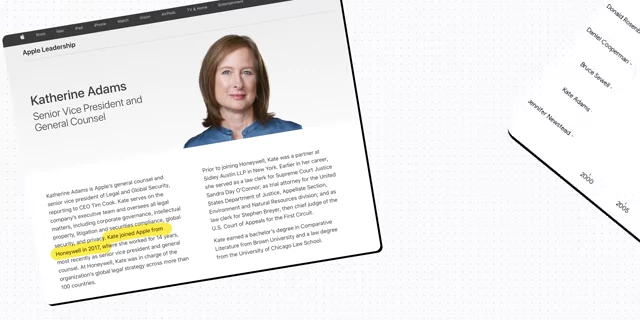
- Recent executive departures at Apple are not a sign of the company "falling apart" but a strategic succession plan orchestrated by CEO Tim Cook.
- The video analyzes five key executive situations: Kate Adams and Lisa Jackson are retiring at normal age; John Giannandrea is exiting due to underperformance in AI development; Johny Srouji, the Silicon Chief, is confirmed to be staying despite rumors; and Alan Dye's unexpected departure to Meta, though initially blindsiding Apple, was reportedly welcomed internally.
- This proactive "clearing the deck" approach by Cook is designed to prevent common pitfalls in leadership transitions, such as the "shadow effect" of a former CEO or talent drain from internal "horse races" for the top job.
- Comparing Apple's strategy to GE's messy transition, Amazon's smooth handoff, and Disney's chaotic succession under Bob Iger highlights the benefits of Cook's method.
- The video predicts Tim Cook will become Chairman of the board by 2026, with John Ternus as the most likely successor for CEO, and expects continuity in Apple's direction for the first few years under new leadership.

News headlines about Apple's executive shake-up [ 00:00:10 ]
Introduction: Apple's Executive Departures are Strategic Succession Planning [0:00]
- Recent executive departures at Apple have sparked widespread media speculation about the company's stability and Tim Cook's leadership [0:05].
- Many believe this "executive exodus" signals deep-seated problems within Apple Park [0:18].
- The video argues that these departures are not dysfunction but a meticulously planned succession strategy [0:28].
- Tim Cook's Legacy as CEO [1:00]
- Tim Cook is considered one of the greatest CEOs of all time, having led Apple to become the first company to reach one, two, and three trillion-dollar market caps [1:05].
- Under his tenure, Apple's market value grew by over 90% [1:19].
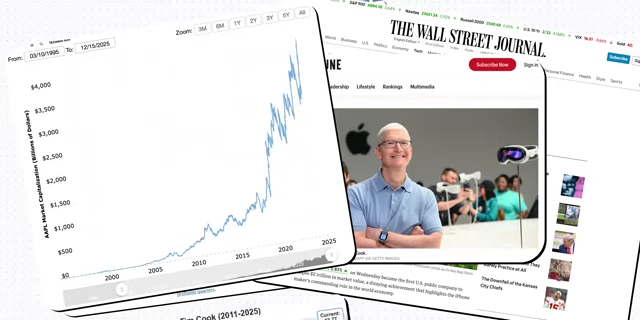
Graph showing Apple's market capitalization increase over time [ 00:01:19 ] - Key achievements include increased net income, Mac's transformation with Apple Silicon, and the success of AirPods and Apple Watch [1:25].
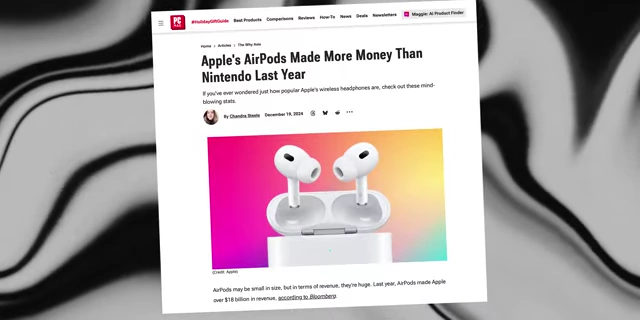
An article stating Apple's AirPods made more money than Nintendo last year [ 00:01:34 ] 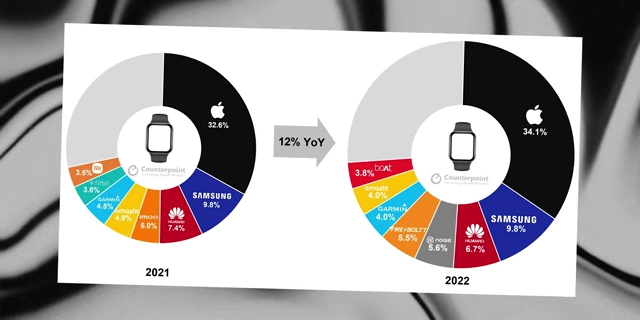
Chart illustrating Apple Watch market share dominance in 2021 and 2022 [ 00:01:37 ] 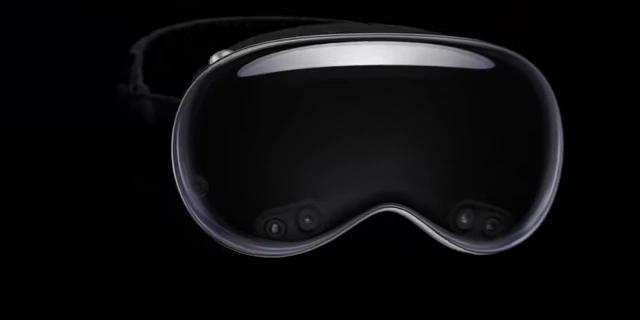
Apple Vision Pro headset [ 00:01:42 ]
Analysis of Recent Executive Departures [1:51]
- Executive turnover is a normal part of corporate life but draws excessive attention at Apple [1:53].
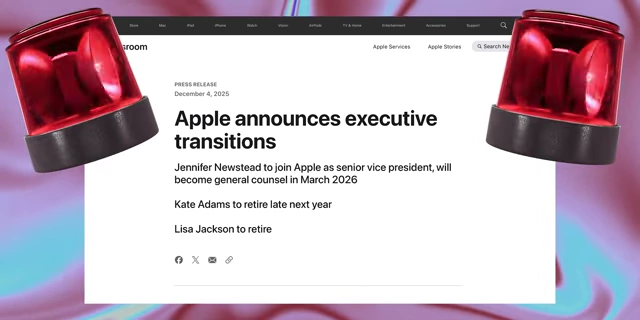
News headlines reporting on Apple's executive transitions [ 00:02:03 ] - 1. Kate Adams (General Counsel) [2:09]
- 2. Lisa Jackson (VP, Environment, Policy, and Social Initiatives) [2:33]
- Retiring at 63 after 12 years of service [2:38].
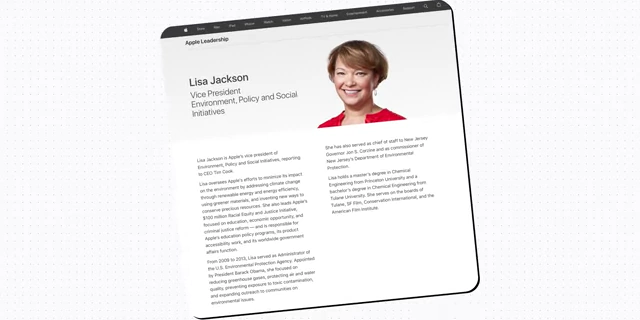
Apple Leadership page showing Lisa Jackson's profile [ 00:02:36 ] - Her position will be dissolved, with responsibilities redistributed to the new CLO and COO [2:40].
- This is also seen as a normal retirement, similar to other recent Apple executive retirements [2:50].
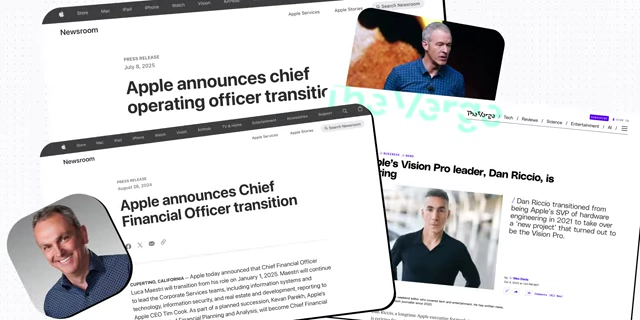
News articles announcing chief operating officer and chief financial officer transitions at Apple [ 00:02:55 ]
- Retiring at 63 after 12 years of service [2:38].
- 3. John Giannandrea (AI Chief) [3:10]
- Already removed from Apple's leadership page, indicating a forced retirement [3:16].
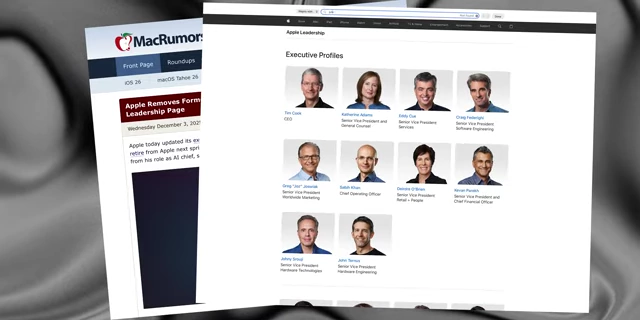
MacRumors article reporting John Giannandrea's removal from Apple's leadership page [ 00:03:17 ] - His departure follows public criticism earlier this year for his team's failure to deliver promised Apple Intelligence features and a report detailing "organizational chaos" within his division [3:20].
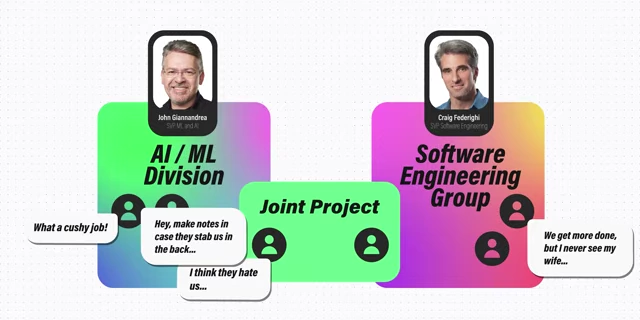
Diagram illustrating the division of labor and friction between Apple's AI/ML and Software Engineering groups [ 00:03:35 ] - Siri oversight was transferred to Mike Rockwell months prior, making his retirement a consequence of underperformance rather than a surprise [3:51].
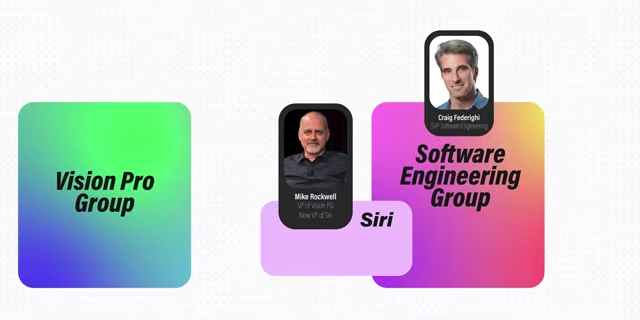
Diagram showing Mike Rockwell taking over Siri oversight from John Giannandrea [ 00:03:57 ]
- Already removed from Apple's leadership page, indicating a forced retirement [3:16].
- 4. Johny Srouji (Silicon Chief) [4:04]
- Mark Gurman initially reported his departure [4:09].
- Srouji, however, issued a memo to his staff confirming he has "no plans to leave anytime soon," debunking the rumors [4:13].
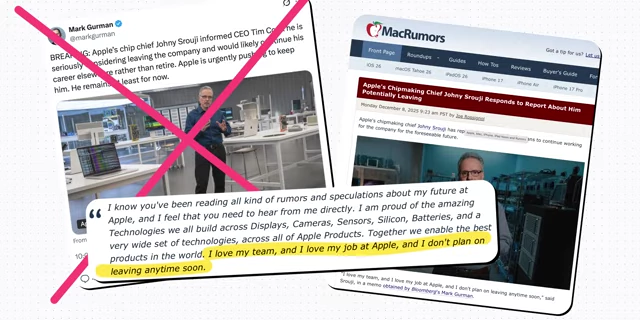
Mark Gurman's tweet about Johny Srouji's potential departure crossed out, alongside a MacRumors article quoting Srouji denying the rumors [ 00:04:20 ] - His continued presence is crucial as he is considered one of Apple's greatest assets, instrumental in the success of Apple Silicon [4:36].
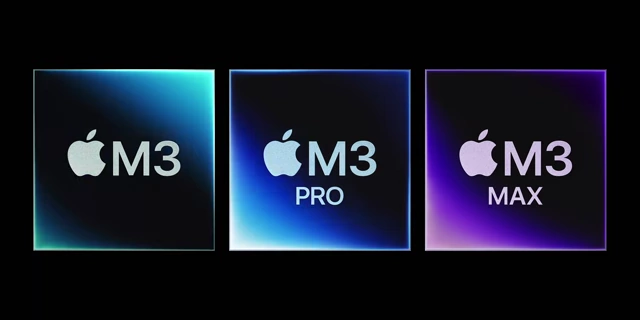
Apple M3, M3 Pro, and M3 Max chips [ 00:04:47 ]
- 5. Alan Dye (Human Interface Design) [4:51]
- His departure is considered genuinely notable and a negative surprise for Apple, as he was recently featured in a WWDC keynote [5:08].
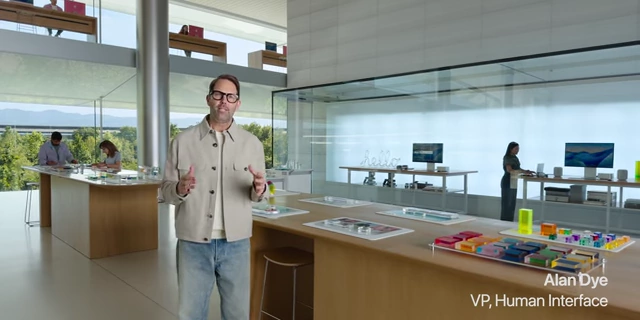
Alan Dye presenting at WWDC [ 00:05:15 ] - He left for Meta, suggesting Apple was "blindsided" [5:17].
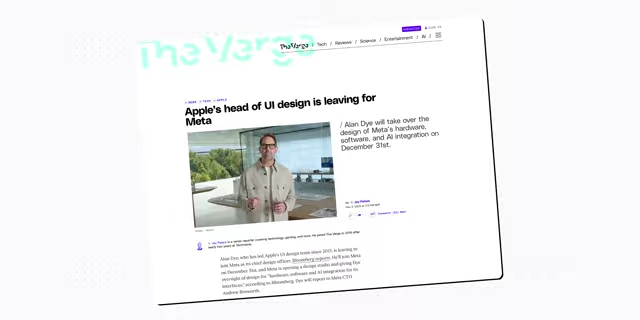
The Verge article announcing Alan Dye's departure from Apple to Meta [ 00:04:57 ] - According to reports, many within Apple's Human Interface team were glad he left, having criticized his "form over function" design approach [5:25].

Screenshot of macOS app icons, illustrating the 'liquid glass' design criticized as 'form over function' [ 00:05:02 ] - His replacement, Stephen LeMay, a veteran career interface designer, is well-liked and respected within the company [5:34].
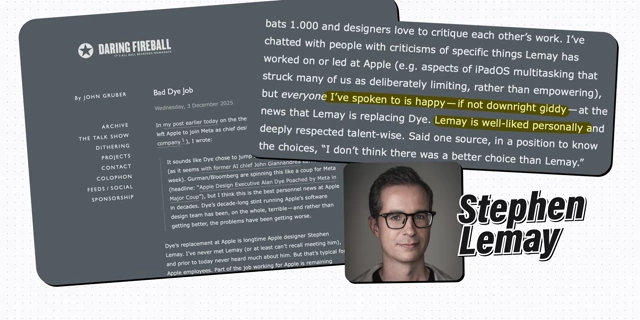
Daring Fireball article discussing Alan Dye's departure and Stephen Lemay's appointment, highlighting positive internal sentiment [ 00:05:40 ]
- His departure is considered genuinely notable and a negative surprise for Apple, as he was recently featured in a WWDC keynote [5:08].
Strategic Rationale Behind Grouped Departures [7:59]
- The simultaneous nature of these announcements suggests a strategic, choreographed plan [7:53].
- Avoiding Post-Succession Problems [8:04]
- Outgoing CEOs often avoid major decisions, leaving "messy people problems" for successors, which is disadvantageous as the outgoing CEO possesses institutional knowledge and political capital to make tough calls [8:08].
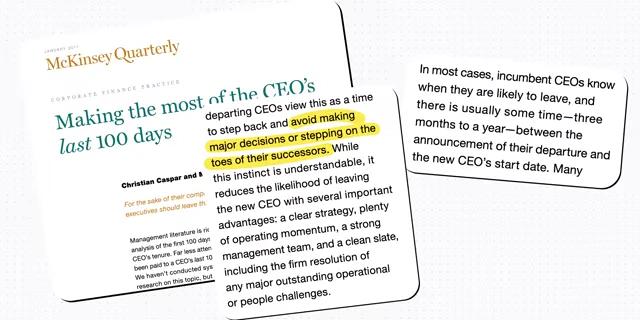
McKinsey Quarterly article discussing how departing CEOs avoid major decisions, leaving problems for successors [ 00:08:12 ] - Clearing the deck acts as a valuable "hatchet man" service for the incoming CEO [8:31].
- Research indicates high turnover rates for direct reports within the first year of a new CEO (30% for external, 15% for internal hires) [8:35].
- Executive relationships drive turnover; the longer an executive works with a departing CEO, the more likely they are to leave when that CEO is gone [8:52].
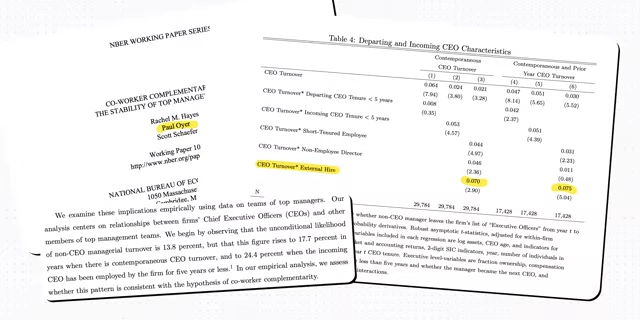
Research paper detailing co-worker complementarity and the stability of top management, with a table showing CEO turnover characteristics [ 00:08:59 ]
- Outgoing CEOs often avoid major decisions, leaving "messy people problems" for successors, which is disadvantageous as the outgoing CEO possesses institutional knowledge and political capital to make tough calls [8:08].
- Case Studies in CEO Succession [9:11]
- A. Cautionary Tale: General Electric (Jack Welch) [9:19]
- Welch's "horse race" among three internal stars for succession led to the immediate, public departure of the two losers, causing GE to hemorrhage decades of institutional knowledge [9:27].
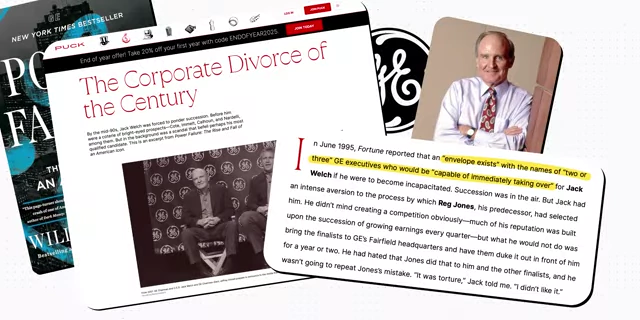
News articles detailing GE's "Corporate Divorce of the Century" and Welch's succession process [ 00:09:29 ] - The chosen successor, Jeff Immelt, and the two who left (Jim McNerney and Robert Nardelli) all ultimately struggled or failed as CEOs in their subsequent roles [10:02].
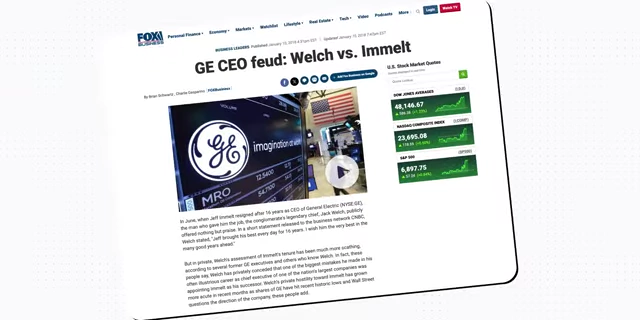
Fox Business article on the "GE CEO feud: Welch vs. Immelt" [ 00:10:07 ] 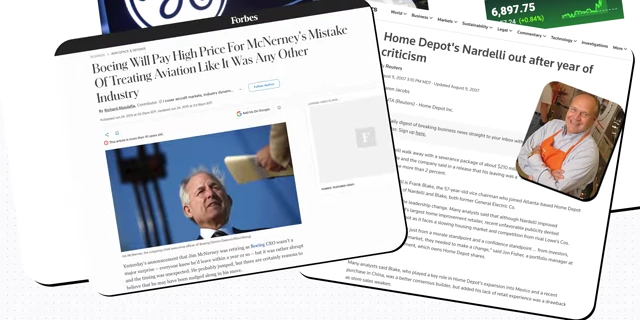
News articles discussing the struggles of former GE executives Jim McNerney at Boeing and Robert Nardelli at Home Depot [ 00:10:18 ]
- Welch's "horse race" among three internal stars for succession led to the immediate, public departure of the two losers, causing GE to hemorrhage decades of institutional knowledge [9:27].
- B. Smooth Transition: Amazon (Jeff Bezos) [10:38]
- Jeff Wilke, considered Bezos's heir apparent, announced a sudden, graceful retirement at 53, well before Andy Jassy was named CEO [10:48].
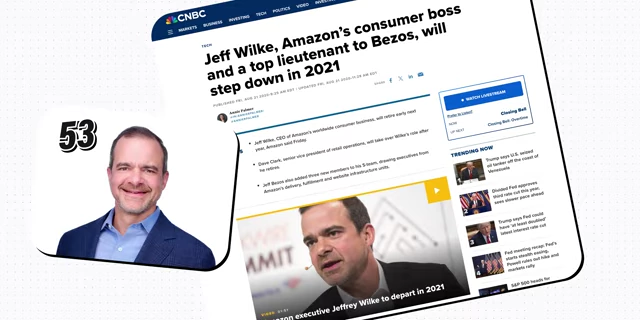
CNBC article announcing Jeff Wilke's departure from Amazon [ 00:10:45 ] - This pre-announcement exit prevented public drama or a power struggle, ensuring a smooth transition with minimal impact on Amazon's stock [11:11].
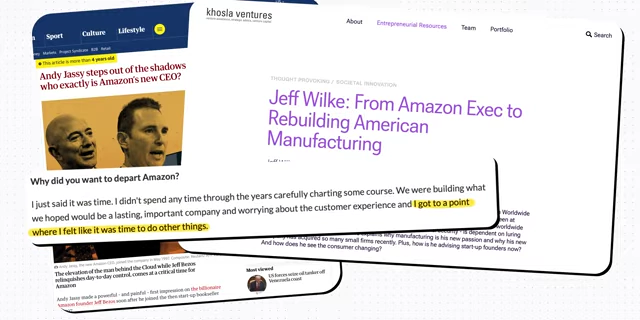
Khosla Ventures article quoting Jeff Wilke's reason for leaving Amazon to pursue other interests [ 00:11:09 ]
- Jeff Wilke, considered Bezos's heir apparent, announced a sudden, graceful retirement at 53, well before Andy Jassy was named CEO [10:48].
- C. Nightmare Scenario: Disney (Bob Iger-Bob Chapek) [12:26]
- Bob Iger's initial choice, Tom Staggs, was announced as successor but later dismissed by Iger, leading to Staggs's departure [12:44].
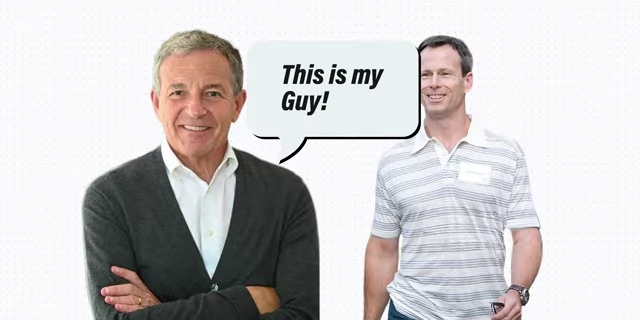
Bob Iger with Tom Staggs, illustrating Iger's initial choice of successor [ 00:12:47 ] - Iger then chose Bob Chapek, who lasted only two years, partly due to his performance and partly because Iger remained involved, undermining Chapek and ultimately returning as CEO at 74 years old [13:00].
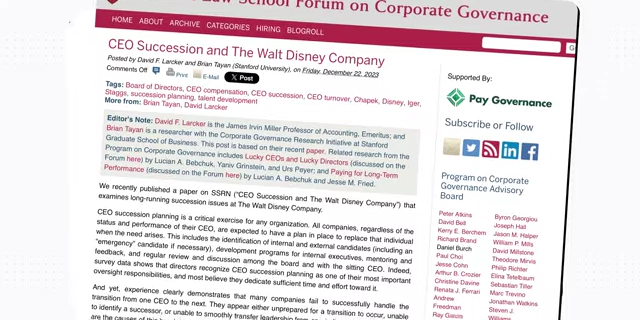
Harvard Law School Forum on Corporate Governance discussing Disney's CEO succession issues [ 00:12:33 ] 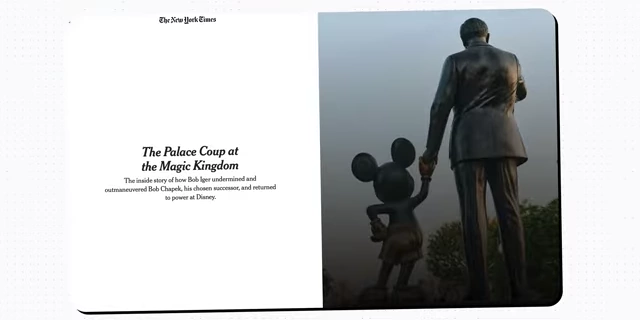
New York Times article titled "The Palace Coup at the Magic Kingdom" about Disney's turbulent succession [ 00:12:29 ] 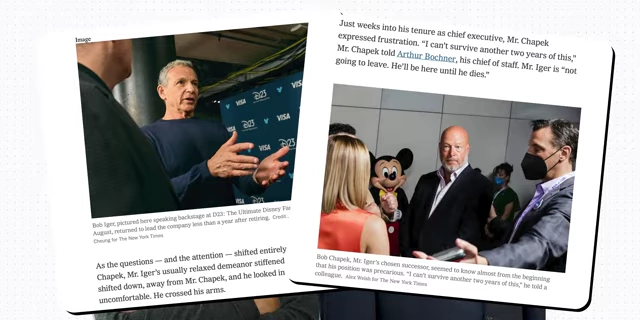
News articles showing Bob Iger's continued involvement and Bob Chapek's frustration during their transition at Disney [ 00:13:15 ] - This demonstrates the "shadow effect" where a former CEO's continued presence undermines new leadership [13:36].
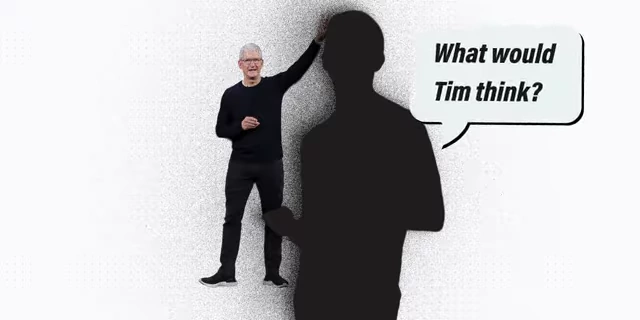
Graphic illustrating the 'shadow effect' of a former CEO (Tim Cook) over a new leader [ 00:11:53 ]
- Bob Iger's initial choice, Tom Staggs, was announced as successor but later dismissed by Iger, leading to Staggs's departure [12:44].
- A. Cautionary Tale: General Electric (Jack Welch) [9:19]
- Benefits for the New Apple CEO [11:36]
- 1. Avoids the "Shadow Effect": By removing executives closely allied with Cook, the new CEO can operate without the constant "what would Tim think" dynamic that can undermine new leadership [11:46].
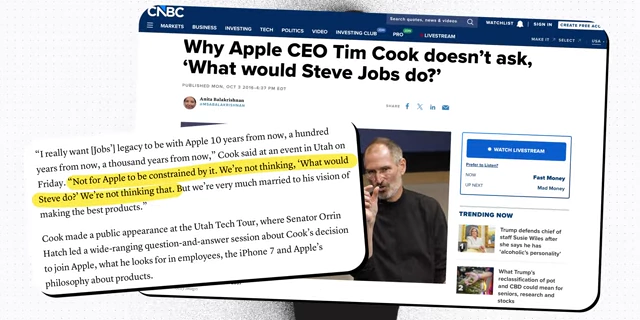
CNBC article discussing Tim Cook's approach to Steve Jobs's legacy, avoiding the 'What would Steve Jobs do?' dynamic [ 00:12:03 ] - 2. Manages "Horse Race" Concessions: If there was an internal competition for CEO, this phased approach allows unsuccessful candidates to exit gracefully before the successor is publicly named, preventing humiliation and preserving employee morale [12:09].
- 1. Avoids the "Shadow Effect": By removing executives closely allied with Cook, the new CEO can operate without the constant "what would Tim think" dynamic that can undermine new leadership [11:46].
Tim Cook's Predicted Succession Plan [13:42]
- Arthur Levinson's Retirement [13:47]
- Apple's current Board Chairman, Arthur Levinson, turned 75 in March and cannot stand for re-election at the February 2026 shareholder meeting due to corporate governance guidelines [13:47].
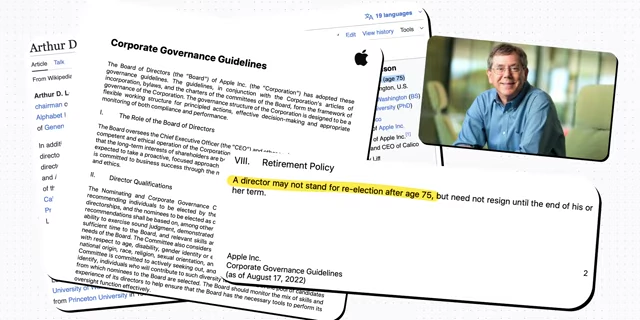
Apple's Corporate Governance Guidelines stating a director may not stand for re-election after age 75 [ 00:13:59 ]
- Apple's current Board Chairman, Arthur Levinson, turned 75 in March and cannot stand for re-election at the February 2026 shareholder meeting due to corporate governance guidelines [13:47].
- Cook as Chairman and CEO Transition [14:02]
- Likely Successor: John Ternus [14:21]
- Ternus is the leading candidate due to his hardware background, which Apple historically favors in its leadership [14:26].
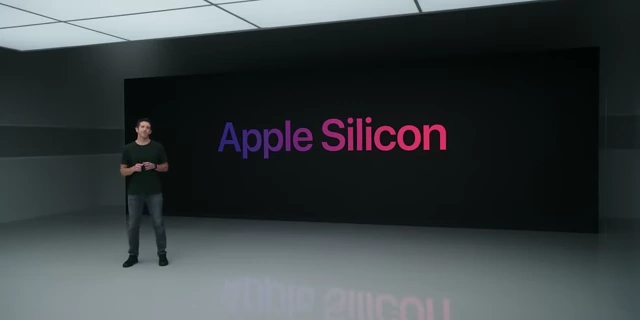
John Ternus, SVP of Hardware Engineering, presenting with Apple Silicon in the background [ 00:14:39 ] - He successfully led the transition to Apple Silicon on the Mac side [14:32].
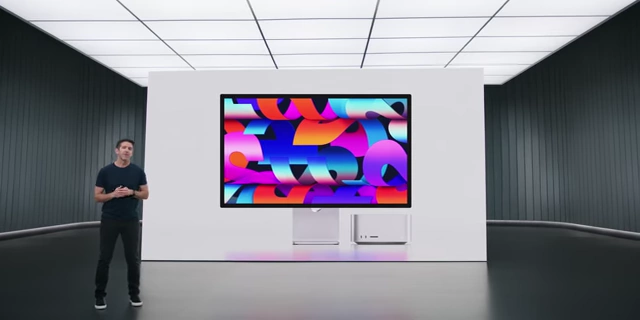
John Ternus presenting Apple Studio Display and Mac Studio [ 00:14:29 ] - He has a strong working relationship with Johny Srouji, which is crucial [14:37].
- Ternus possesses the charisma and presentation skills vital for an Apple CEO and is young enough for a long tenure [14:44].
- Ternus is the leading candidate due to his hardware background, which Apple historically favors in its leadership [14:26].
- Upcoming Departures [14:57]
- Prediction: Deirdre O'Brien (SVP, Retail + People) and Greg Joswiak (SVP, Worldwide Marketing), both long-time Cook allies in their early to mid-60s, will announce their retirement plans by the end of 2025 [14:57].
- Their departures are expected not due to performance, but because their institutional loyalty and "muscle memory" are with Cook [15:06].
- Cook is expected to remain on the board as a director for several years, providing stability and leveraging his political relationships (e.g., with past administrations), but not involved in product decisions [15:15].
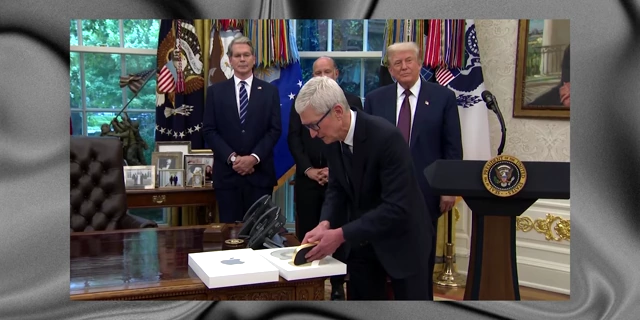
Tim Cook presenting a product to then-President Donald Trump in the Oval Office [ 00:15:29 ]
Continuity and Future Changes [15:56]
- The initial years under the new CEO will likely feel like continuity, much like Cook's early tenure after Steve Jobs' passing [15:56].
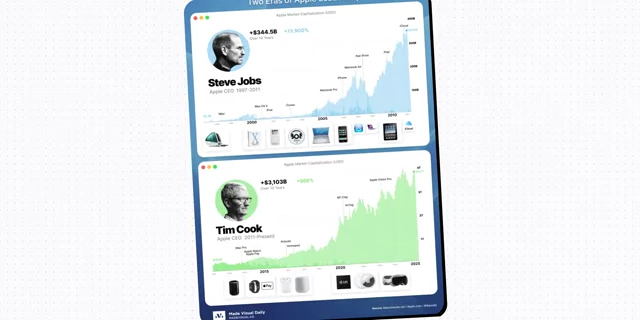
Graphic comparing Steve Jobs' era and Tim Cook's era at Apple, showing market capitalization and product launches [ 00:15:59 ] - Significant, visible changes in Apple's direction are not expected until approximately 2029 or 2030 [16:23].
- The executive "exodus" at Apple is therefore a strategic, choreographed transition, ensuring the company is prepared for future leadership and sustained success [16:29].