Blackmagic Pyxis 12K vs. 6K: A Comprehensive Review of Rolling Shutter, Dynamic Range, Low Light, and Workflow
This video provides a detailed comparison of the Blackmagic Pyxis 12K and 6K cinema cameras, addressing common user questions.
- The Pyxis 12K offers significantly improved rolling shutter performance at 8K/4K resolutions (under 13ms) compared to the 6K, though 12K open gate is similar.
- Its dynamic range, advertised at 16 stops, is primarily enhanced in the shadows, delivering a richer image, while the 6K has more stops in the highlights.
- Battery life for the 12K is about 1.5 hours in 12K or 4K, considerably less than the 6K's 4.5 hours.
- Storage for 12K open gate (highest quality) is very demanding, yielding only 10 minutes on a 512GB CFexpress card.
- The 12K's fan is louder and it runs hotter than the 6K, but no overheating was observed.
- In low light, neither Pyxis is a "beast" like the Sony A7S3, but the 12K provides a detailed, usable image up to ISO 3200 with post-production noise reduction.
- While the 12K offers cropping flexibility, a powerful computer and ample storage are essential to utilize its full potential.
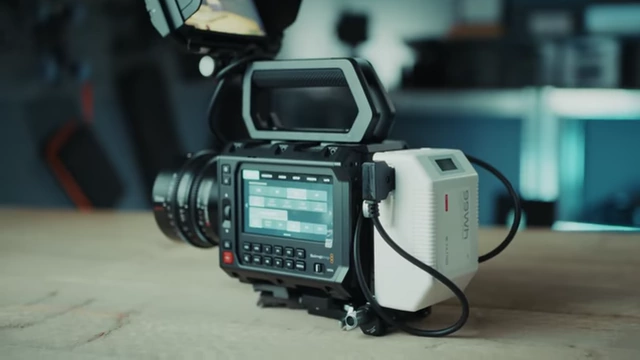
Pyxis 12K Camera Body with Monitor and V-Mount Battery [ 00:00:30 ]
Introduction [00:00]
The video introduces the Blackmagic Pyxis 12K cinema camera, noting its affordable price point (under $6,000) and expressing surprise at the jump directly to 12K resolution, skipping 8K. The creator received a Pyxis 12K from Blackmagic Design for review and structured the video by answering viewer questions and comparing it against the Pyxis 6K and, for low-light, the Sony A7S3.
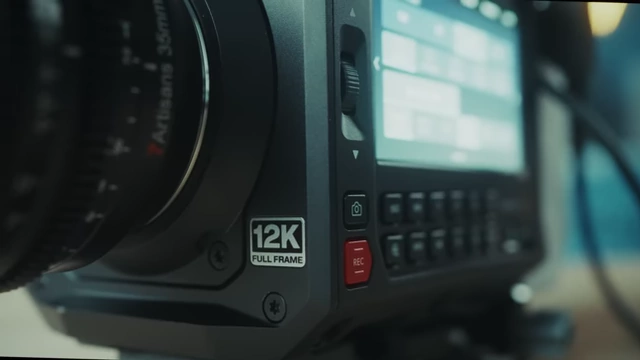
Rolling Shutter [00:51]
The rolling shutter performance varies significantly between the 6K and 12K models depending on the resolution.
- Pyxis 6K Rolling Shutter Speeds
- Approximately 25 milliseconds when shooting open gate.
- Approximately 19 milliseconds when shooting 6K DCI.
- These speeds are considered decent but not exceptional, similar to many other cinema cameras.
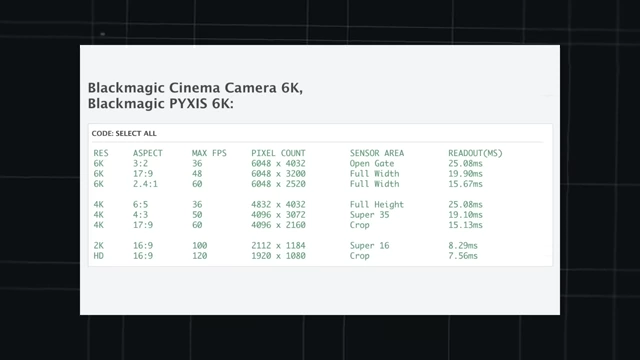
Pyxis 6K Rolling Shutter Data [ 00:01:10 ]
- Pyxis 12K Rolling Shutter Speeds
- Around 24 milliseconds when shooting 12K open gate, which is almost identical to the Pyxis 6K.
- Significantly better at 8K or 4K resolutions, with speeds of 13 milliseconds and below.
- This improvement in lower resolutions makes the 12K a more favorable choice for those concerned about rolling shutter artifacts.
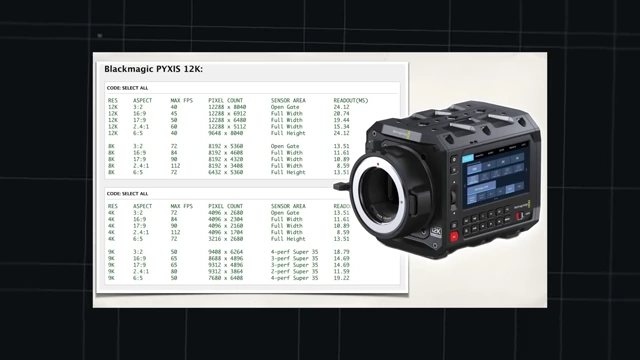
Pyxis 12K Rolling Shutter Data [ 00:01:29 ]
- Rolling Shutter Comparison Visual
- The visual comparison clearly shows the improved rolling shutter performance of the 12K at lower resolutions.

Rolling Shutter Comparison (Pyxis 6K vs 12K) [ 00:01:45 ]
- The visual comparison clearly shows the improved rolling shutter performance of the 12K at lower resolutions.
Dynamic Range [01:50]
The advertised dynamic range for the Pyxis 12K is 16 stops, compared to the 6K's 13 stops.
- Initial Testing Misconception
- The reviewer initially found that the 6K retained more detail in highlights at the same exposure settings, leading to confusion.
- This was corrected by consulting the manual, which explained how dynamic range is distributed across highlights and shadows.
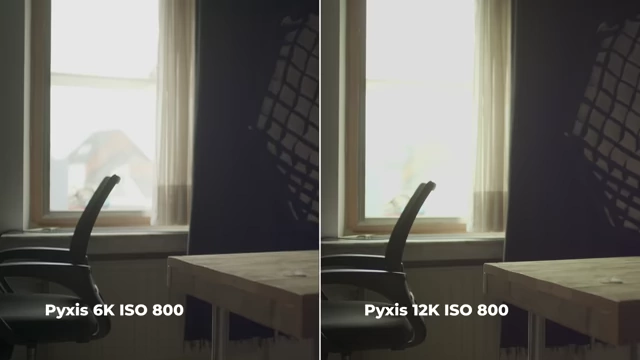
Dynamic Range Comparison Pyxis 6K vs 12K Highlights [ 00:02:40 ]
- Dynamic Range Distribution
- Pyxis 6K (ISO 800): Offers 6.9 stops above middle grey (highlights) and 6.8 stops below middle grey (shadows).
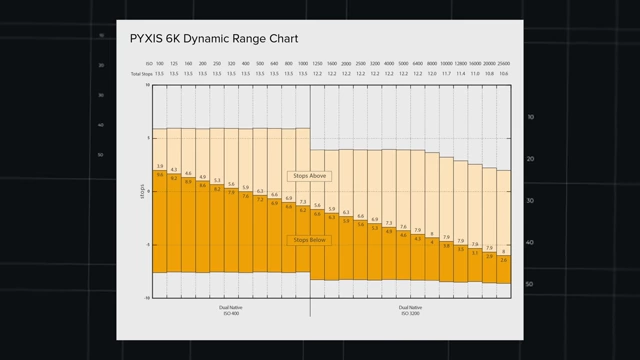
Pyxis 6K Dynamic Range Chart [ 00:03:32 ] - Pyxis 12K (ISO 800, 8K/4K resolutions): Provides 5.7 stops above middle grey but a substantial 10 stops below middle grey. This explains why highlights might clip earlier, but shadows offer greater recovery.
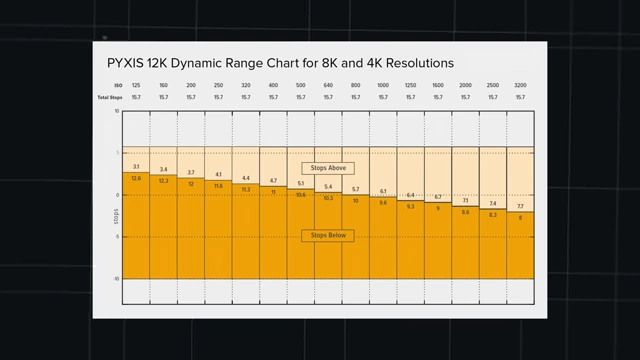
Pyxis 12K Dynamic Range Chart for 8K and 4K Resolutions [ 00:03:39 ] - Pyxis 12K (ISO 800, 12K/9K resolutions): Offers 6.7 stops above middle grey (similar to 6K) and 9.3 stops below middle grey.
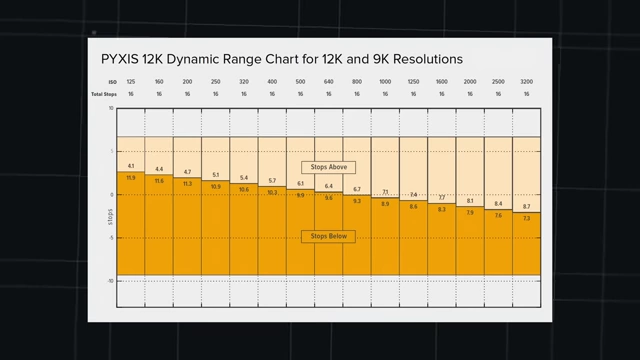
Pyxis 12K Dynamic Range Chart for 12K and 9K Resolutions [ 00:03:54 ]
- Pyxis 6K (ISO 800): Offers 6.9 stops above middle grey (highlights) and 6.8 stops below middle grey (shadows).
- Conclusion on Dynamic Range
- The additional 3 stops of dynamic range in the Pyxis 12K are predominantly found in the shadow detail.
- The overall image from the 12K is described as "richer" and "better," despite a minor yellow cast in very bright highlights that is easily corrected in post-production.
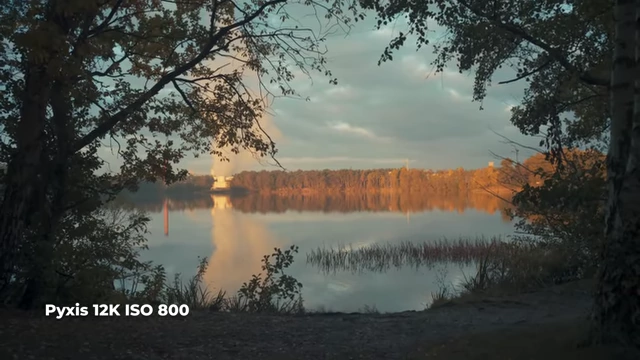
Pyxis 12K Sunrise Footage [ 00:04:16 ]
Screen / Monitor [05:24]
- The Pyxis 12K has a small side screen primarily for menu access.
- For comfortable monitoring during shoots, an external monitor is recommended. The reviewer used and highly praised the Blackmagic Design USB-C monitor for its quality and ability to adjust camera settings.
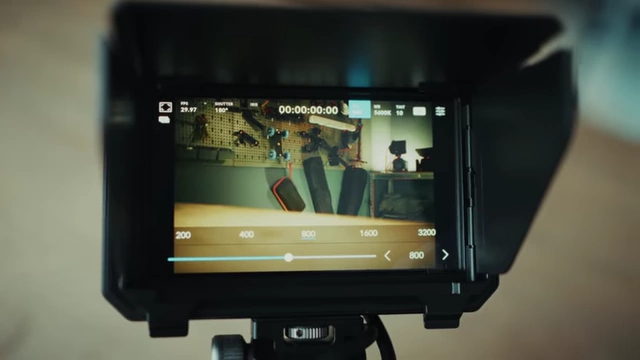
Blackmagic Design USB-C Monitor Displaying Camera Settings [ 00:05:41 ]
Easy to Use? [05:47]
- The Pyxis cameras are considered very user-friendly, among the easiest cinema cameras available.
- The menu system is superior to the Sony A7S3.
- When combined with accessories like the USB-C monitor and a V-mount battery, the cameras are ready to use "straight out of the box" with excellent results.
Battery Life [06:25]
Battery life was tested using a 99Wh V-mount battery, also powering an external USB-C monitor.
- Pyxis 12K Battery Performance
- Filming in 12K (16:9 aspect ratio) at the highest constant bitrate: approximately 1.5 hours.
- Filming in 4K at the highest quality: also approximately 1.5 hours. This is because the camera still uses the full sensor to produce the 4K image, consuming similar power to 12K despite smaller file sizes.
- Pyxis 6K Battery Performance
- Filming in 6K (16:9 aspect ratio) at the highest constant bitrate: approximately 4.5 hours.
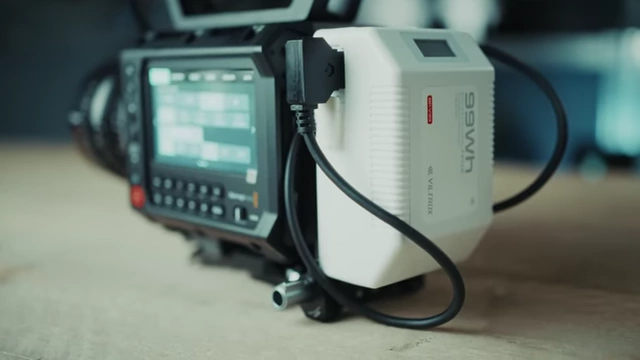
Pyxis 12K with V-Mount Battery [ 00:06:38 ]
- Filming in 6K (16:9 aspect ratio) at the highest constant bitrate: approximately 4.5 hours.
Storage / Media [07:31]
The 12K camera's high resolution demands significant storage. Tests were conducted with a 512GB CFexpress card at 24 frames per second.
- Pyxis 12K Storage Capacity (512GB CFexpress)
- 12K open gate, highest quality (3:1 compression): 10 minutes of footage.
- 12K open gate, lowest quality (12:1 compression): 40 minutes of footage.
- 8K open gate, lowest quality (12:1 compression): 22 minutes of footage (note: 8K cannot be compressed as much as 12K).
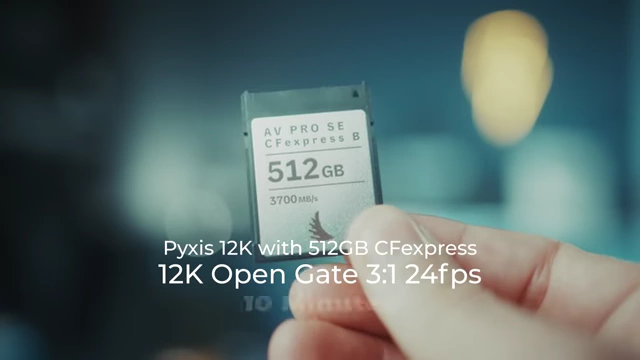
Pyxis 12K 512GB CFexpress Card Capacity (10 mins at 12K highest quality) [ 00:07:53 ]
- Pyxis 6K Storage Capacity (512GB CFexpress)
- 6K open gate, highest quality (3:1 compression): 19 minutes of footage.
Overheating [08:13]
- The reviewer did not experience any overheating issues even during continuous 1.5-hour recording sessions in 12K highest quality.
- However, the Pyxis 12K's fan is noticeably louder and runs hotter (expelling more warm air) than the Pyxis 6K's fan. This is attributed to the higher processing demands of the 12K sensor but is not considered a problematic noise level for professional use.
Low Light [08:57]
Blackmagic Pyxis cameras are not considered "low light beasts" like some hybrid cameras.
- Sensor Design and Noise Reduction
- Sony A7S3: Designed for low light, features a 12-megapixel full-frame sensor and un-deactivatable built-in noise reduction.
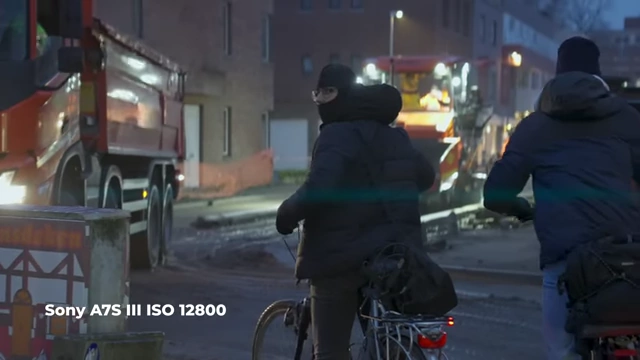
Sony A7S III Low Light Example at ISO 12800 [ 00:09:19 ] - Pyxis Cameras: Feature higher resolution sensors (e.g., 100 megapixels on the 12K full-frame sensor) and shoot RAW, meaning noise reduction must be applied in post-production.
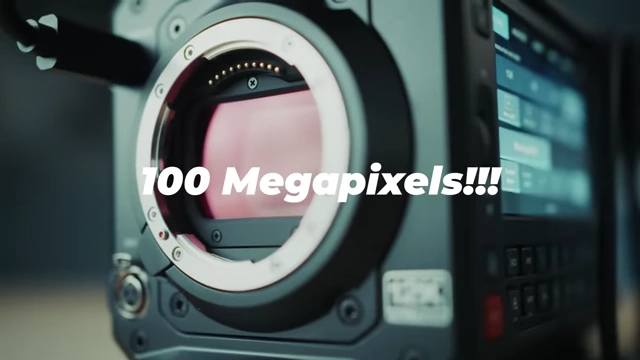
Pyxis 12K 100 Megapixel Sensor [ 00:09:25 ] - Pyxis 12K Low Light Sample (no noise reduction)
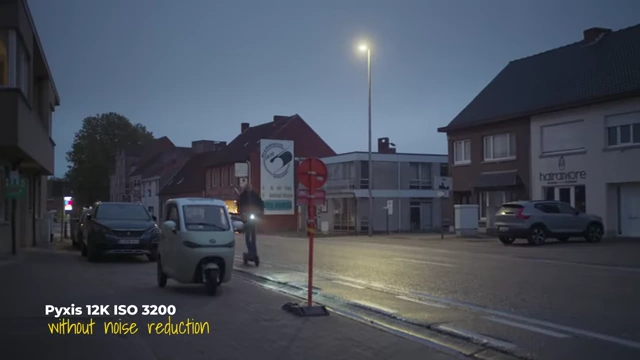
Pyxis 12K Low Light Footage at ISO 3200 without Noise Reduction [ 00:09:42 ]
- Sony A7S3: Designed for low light, features a 12-megapixel full-frame sensor and un-deactivatable built-in noise reduction.
- Dual Gain vs. Single Gain Sensors
- Pyxis 6K: Utilizes a dual gain sensor, where a secondary gain circuit kicks in at higher ISOs (e.g., ISO 1250), resulting in cleaner images at that point than at lower ISOs like 100.
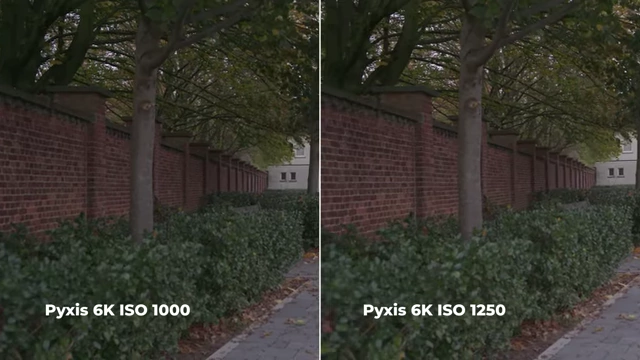
Pyxis 6K Dual Native ISO Demonstration [ 00:10:13 ] - Pyxis 12K: Features a single gain circuit, ranging from ISO 100 to 3200, without the dual gain advantage.
- Pyxis 6K: Utilizes a dual gain sensor, where a secondary gain circuit kicks in at higher ISOs (e.g., ISO 1250), resulting in cleaner images at that point than at lower ISOs like 100.
- Low Light Performance Comparison (ISO 3200)
- Sony A7S3: Exhibits similar amounts of noise to the Pyxis cameras, but it's primarily luminance noise (less distracting) with some banding. The built-in noise reduction makes the image appear softer but cleaner.
- Pyxis 6K & 12K: Produce colored noise, which can be less desirable. However, without in-camera noise reduction, they retain more detail.
- 6K vs. 12K at ISO 3200: The noise levels are similar, but the 6K's noise appears slightly harsher/sharper, while the 12K's noise is described as mellower/softer.
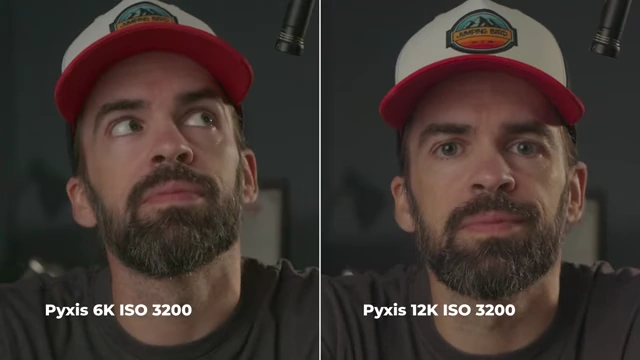
Pyxis 6K vs 12K Low Light Comparison at ISO 3200 [ 00:11:27 ] - Conclusion: Both Pyxis cameras perform well in low light up to ISO 3200 when proper noise reduction is applied in post-production. The Pyxis 12K is considered usable within the ISO 100-3200 range.
Workflow Advantages? [12:17]
- For the reviewer's personal workflow, the Pyxis 12K's additional dynamic range and other features are desirable but not strictly necessary.
Cropping / Zooming [12:34]
- While theoretically, a 12K image allows for significant cropping (e.g., 300% zoom to still achieve 4K quality), this does not equate to the quality of a true 4K image shot with a longer lens.
- The resolution of the lens itself plays a critical role, and cropping reduces image quality due to lens limitations.

Pyxis 12K Cropping Capability (3x Zoom) [ 00:13:09 ]
Data Rates [13:26]
Understanding data rates for different video formats:
- 2160p (4K) ProRes HQ: Roughly 100 MB/s.
- 4K B-Raw (medium quality, e.g., 5:1 or 8:1 compression): Also around 100 MB/s.
- 8K B-Raw (lowest quality, e.g., 12:1 compression): Ranges from 150 to 200 MB/s.
- Any B-Raw setting higher than 4K medium quality is expected to yield a better image than 2160p ProRes HQ based on data rate alone.
Media / CFexpress [15:08]
The speed of CFexpress cards is crucial for high-resolution 12K recording.
- 1700 MB/s CFexpress Card: Could only handle 9K resolution at the lowest quality setting, and even then, it was unreliable, often stopping recording.
- 3700 MB/s CFexpress Card: Performed perfectly, handling 12K at the highest quality settings without issues. This type of card is recommended and can be found on Blackmagic Design's website.
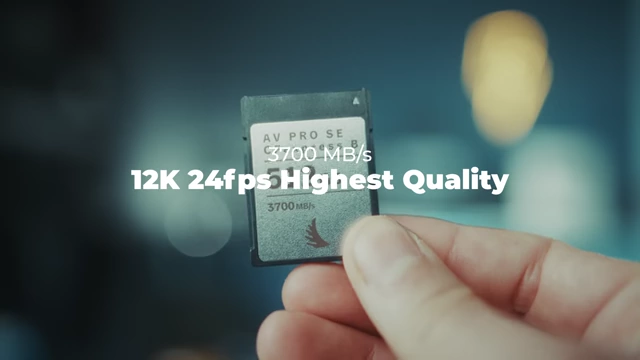
CFexpress Card Speed Comparison for 12K Recording (3700 MB/s recommended) [ 00:15:45 ]
S35? [15:55]
- The reviewer expressed some confusion about the specific nature of this question regarding the Super 35 (S35) mode or 9K mode on the Pyxis 12K, asking viewers to clarify in the comments.
Flexibility [16:14]
- The Pyxis 12K is considered a flexible camera capable of excelling in many scenarios due to its 12K image, excellent dynamic range, and decent low-light performance with B-RAW recording.
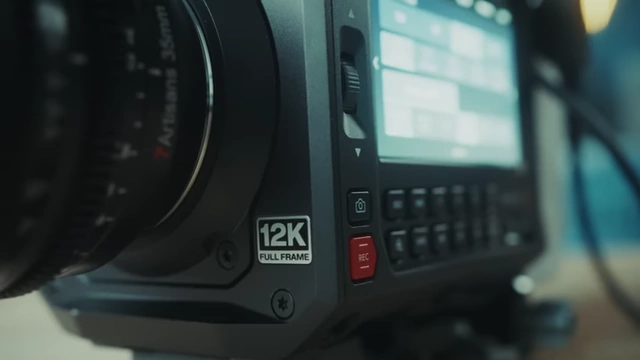
Pyxis 12K Full Frame Camera Body [ 00:16:27 ] - Prerequisites for Full Potential: To leverage its maximum potential, users must invest in complementary tools:
- Ample Storage: For handling massive 12K B-RAW files.
- Powerful Computer: To edit and process 12K footage efficiently.
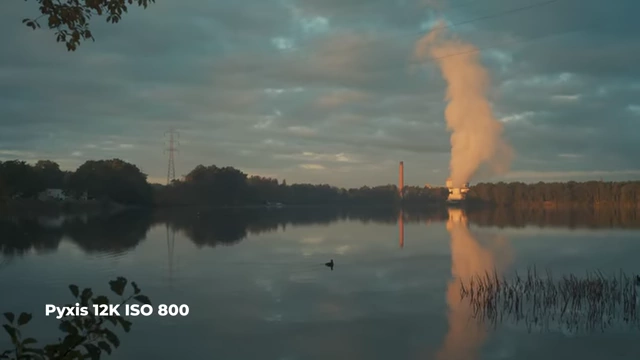
Pyxis 12K Scenic Footage [ 00:16:47 ]
- B-RAW Efficiency: The reviewer notes that Blackmagic's B-RAW codec is highly efficient, allowing a 3-year-old Mac Studio to smoothly play back full-resolution 12K files on an 8K timeline at half resolution, a feat the computer struggles to achieve with 4K files from a Sony A7S3.
- Recommendation: Users purchasing the Pyxis 12K should intend to shoot in 12K to fully exploit its features like dynamic range; otherwise, shooting only in 4K negates many of its advantages.