This video explains Huntington's disease, its history, genetic basis, and a new gene therapy called AMT-130.
Huntington's disease is a devastating genetic disorder, first identified in 1872 by Dr. George Huntington, characterized by involuntary movements and cognitive decline.
The Huntington gene was localized to chromosome 4 in 1983 and fully identified in 1993, revealing a CAG repeat expansion as the cause of a misfolded protein that damages neurons.
A new gene therapy, AMT-130, utilizes microRNA technology delivered via an AAV5 virus to specifically target and destroy the messenger RNA of the mutant Huntington protein.
The therapy involves a single neurosurgical procedure to deliver the DNA sequence that produces microRNA directly into brain neurons, effectively turning neurons into medicine factories.
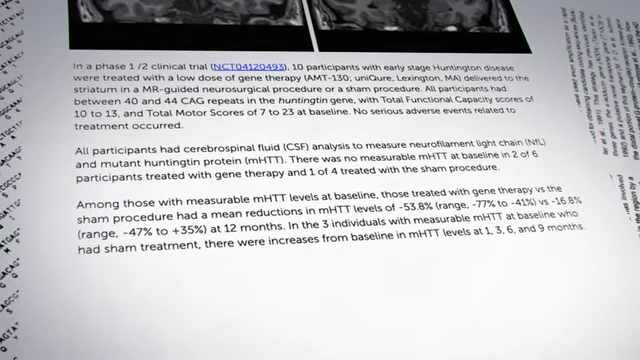
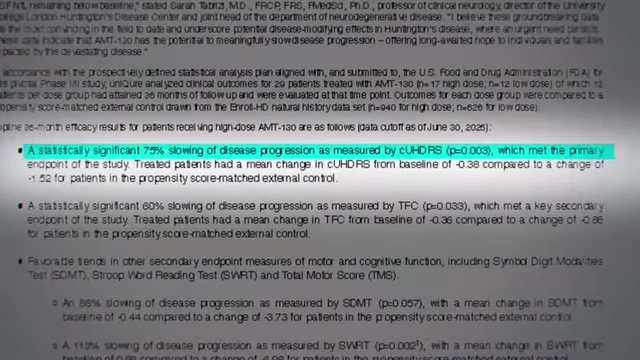
Phase I/II clinical trials showed AMT-130 reduced toxic protein levels by 40-50% and slowed disease progression by 75% over three years, significantly improving patients' functional capacity.
Comparison of healthy and Huntington's brains
[
00:06:09
]
The Devastating Reality of Huntington's Disease [00:00:00]
Huntington's disease (HD) is a fatal, inherited neurodegenerative disorder.
It's prevalent in a Venezuelan fishing village, where 1 in 2 children are affected by the age of 30-40.
Symptoms begin subtly with clumsiness and irritability, progressing to loss of speech, memory, motor function, and eventually leading to hallucinations, confusion, and death.
Historically, affected communities faced ostracization due to beliefs of a curse.
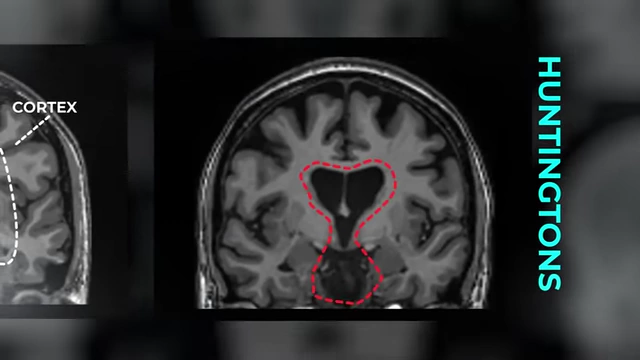
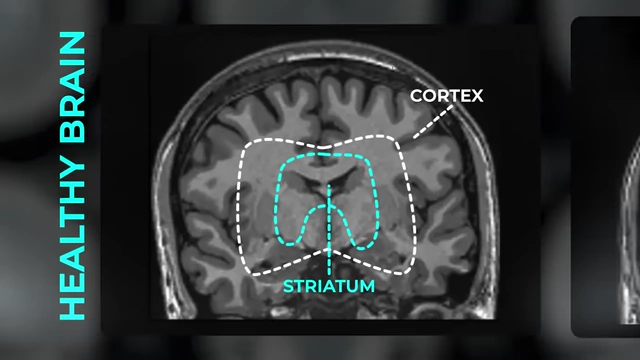
MRI scans visually demonstrate significant neuron loss in the striatum and cortex of HD brains compared to healthy brains.
MRI scan of a healthy brain, showing the striatum and cortex
[
00:06:04
]
Comparison of a healthy brain (left) and a Huntington's brain (right), showing significant neuronal loss
[
00:06:09
]
The Discovery and Genetic Basis of Huntington's Disease [00:01:09]
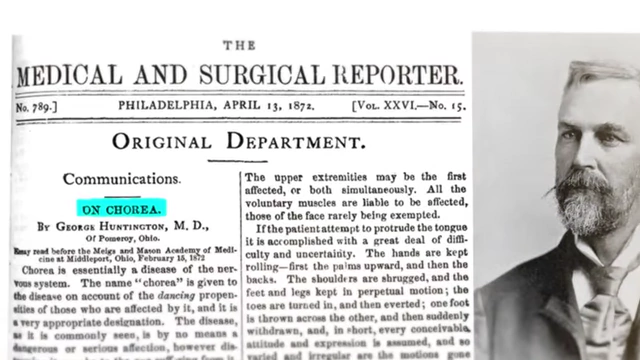
Dr. George Huntington observed families in East Hampton, New York, with unusual symptoms like involuntary movements (chorea) and cognitive decline, which he meticulously described, leading to the disease being named after him.
Dr. George Huntington, who first described the disease in 1872
[
00:01:11
]
Dr. George Huntington's essay 'On Chorea' from 1872
[
00:01:39
]
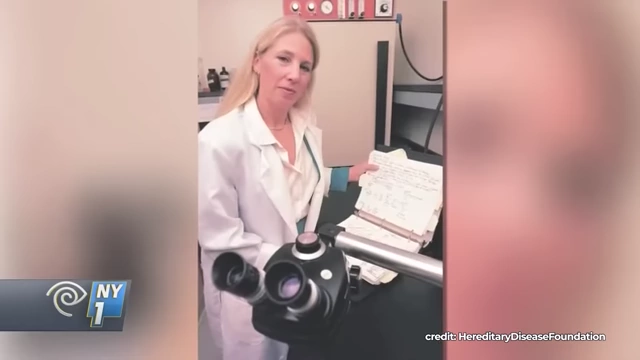
Nancy Wexler, a psychologist whose mother suffered from HD, dedicated her life to finding a cure.
Nancy Wexler, a key figure in mapping the Huntington's gene
[
00:03:00
]
She spearheaded a decade-long effort to map the genetic lineage of over 18,000 individuals in the Venezuelan community, tracing the disease back to a single ancestor in the early 1800s.
Nancy Wexler with her extensive pedigree maps
[
00:03:39
]
Nancy Wexler pointing to the vast pedigree map of affected families
[
00:04:23
]
Her extensive data set of over 4,000 blood samples was instrumental for genetic research.
Locating the Huntington Gene (1983-1993):
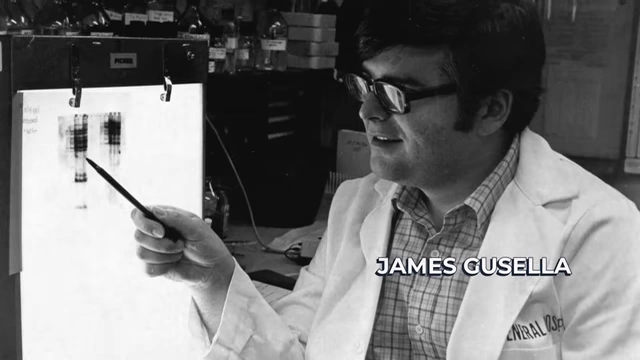
In 1983, James Gusella and his team used Wexler's data to link HD to a genetic marker on chromosome 4.
Geneticist James Gusella, who linked HD to chromosome 4
[
00:04:08
]
Huntington's disease linked to a genetic marker on chromosome 4
[
00:04:13
]
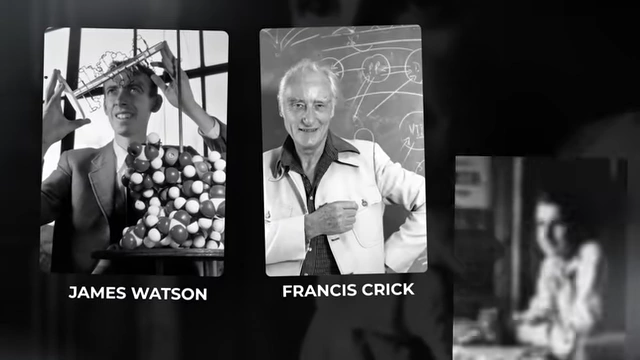
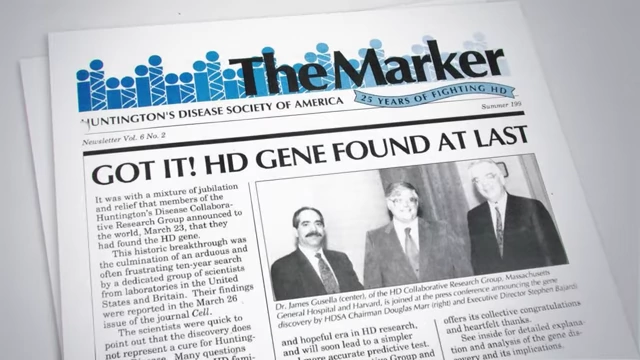
After another decade of collaborative global research by the Huntington's Disease Collaborative Research Group, the specific gene was identified in March 1993.
Scientists collaborating to identify the Huntington's gene
[
00:04:39
]
Newspaper announcement of the Huntington's gene discovery in 1993
[
00:04:47
]
The gene is located between base pairs 3,074,510 and 3,243,960 on chromosome 4.
Mechanism of the Disease:
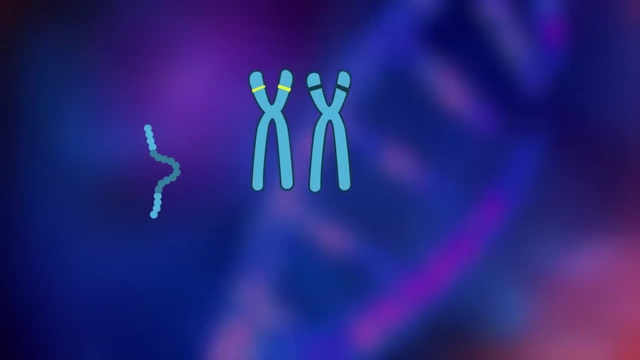
Healthy individuals have 10-35 CAG glutamine codon repeats in the Huntington gene, producing a protein essential for neuron health.
The Huntington gene on chromosome 4 with the CAG repeat sequence
[
00:05:14
]
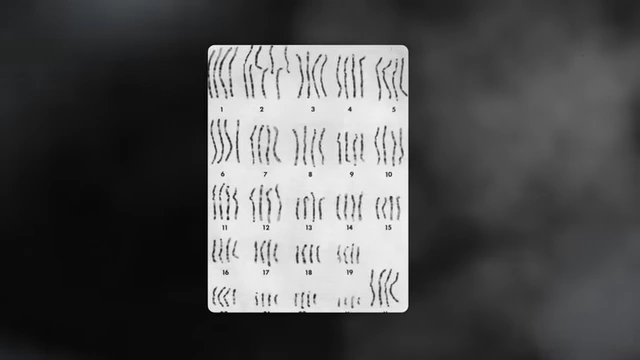
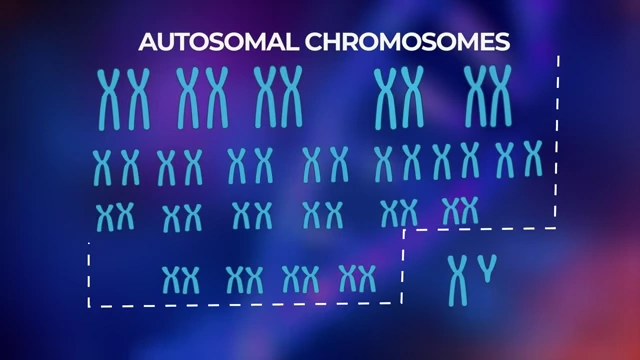
In HD patients, these repeats extend to 40+, leading to a misfolded protein with a long glutamine trail.
Representation of chromosomes with both healthy and mutant Huntington genes
[
00:08:04
]
These misfolded proteins accumulate within neurons, disrupting their function and causing them to die.
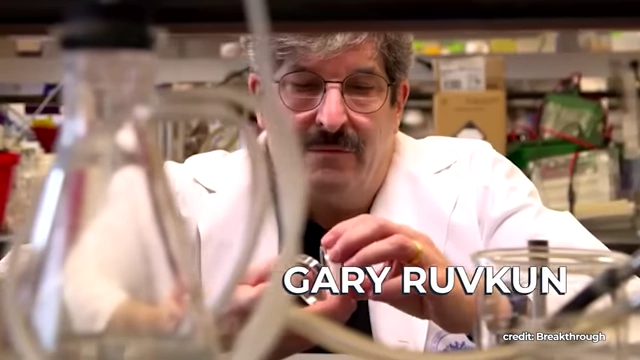
In 1993, Victor Ambros and Gary Ruvkun discovered microRNA (miRNA), short RNA strands (21-25 nucleotides) that bind to and degrade other RNA strands, preventing protein production.
Viktor Ambros, co-discoverer of microRNA
[
00:08:59
]
Gary Ruvkun, co-discoverer of microRNA
[
00:09:01
]
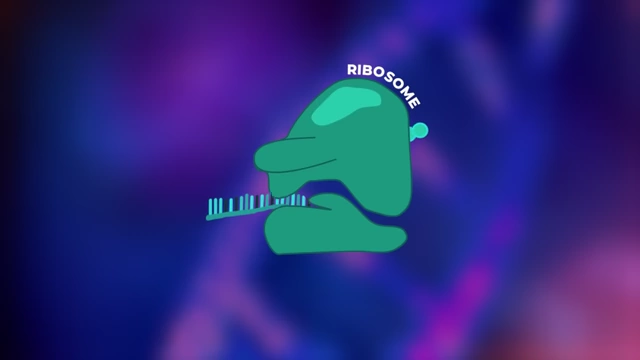
A ribosome, the cell's protein-making factory
[
00:09:14
]
They received the Nobel Prize for this discovery.
Viktor Ambros and Gary Ruvkun receiving the Nobel Prize for their microRNA discovery
[
00:09:28
]
Netherlands-based UniQure leveraged the miRNA concept to design AMT-130.
AMT-130, the gene therapy for Huntington's disease
[
00:12:50
]
They engineered a microRNA sequence to bind to the messenger RNA (mRNA) of the toxic Huntington protein, marking it for destruction.
Huntington mRNA targeted by microRNA for destruction
[
00:09:49
]
To overcome the rapid degradation of miRNA and the blood-brain barrier, they developed a gene therapy approach:
Synthetic DNA, complementary to the therapeutic microRNA, was created.
This DNA was packaged into a modified AAV5 virus (Adeno-associated virus serotype 5), which has a strong affinity for striatal neurons and was stripped of its harmful viral components.
AAV5 virus, used as a vector to deliver therapeutic DNA
[
00:11:18
]
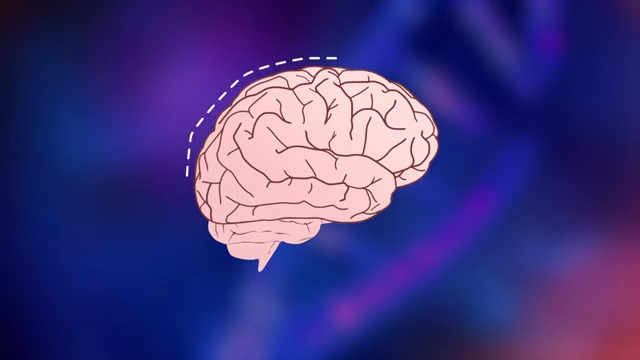
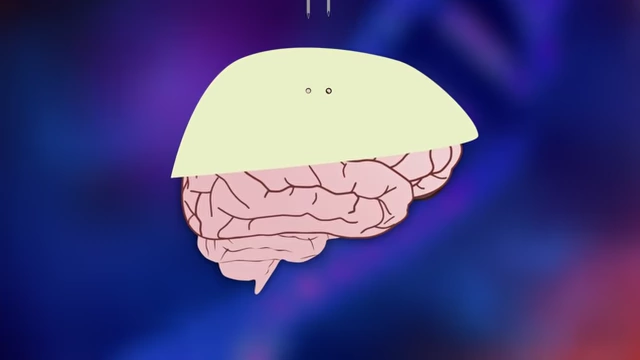
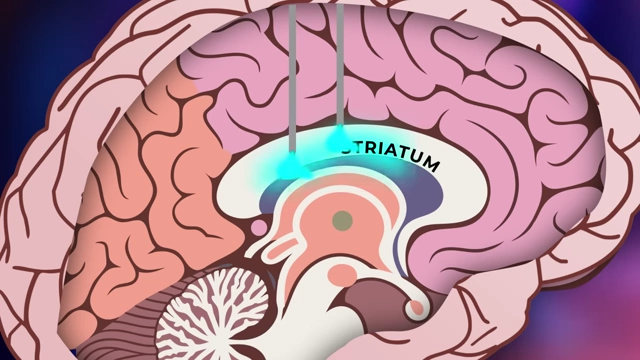
In a single neurosurgical procedure guided by MRI, the viral solution containing the therapeutic DNA was injected into the striatum.
The blood-brain barrier protecting the brain from external substances
[
00:10:16
]
Diagram showing neurosurgical openings in the skull for gene therapy delivery
[
00:11:45
]
Neurosurgical delivery of viral solution into the striatum of the brain
[
00:11:54
]
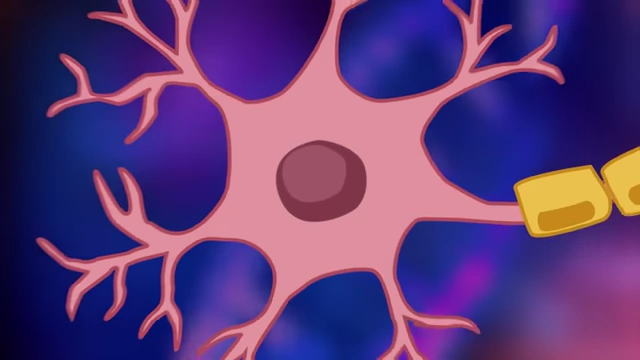
Neurons then use this DNA to continually produce the therapeutic microRNA, turning them into "medicine factories" to fight HD at its source.
A neuron, targeted to become a 'medicine factory'
[
00:10:47
]
The success of AMT-130 offers hope for managing Huntington's disease and provides valuable insights for tackling other protein-misfolding diseases like Alzheimer's, Parkinson's, and ALS.