This video details how videographers can consistently secure clients by engaging in "white label" work for marketing agencies and production companies.
Piotr Mokry introduces himself as a DP and Gaffer, ready to share tips on filling a videography schedule.
[
00:00:15
]
Understanding White Label: You represent an agency, performing shoots (like interviews and B-roll) for their clients without direct client communication or post-production responsibilities, streamlining your workflow.
Financial Strategy: While daily rates are lower than direct client engagements (e.g., $500/day), the volume of consistent work from multiple agencies can lead to significant monthly income (e.g., $10,000).
Essential Gear: High-end equipment isn't necessary; focus on reliable, cost-effective gear that meets requirements, such as Sony A7IVs, simple bi-color lights, affordable DJI mics, versatile zoom lenses, and older gimbal models.
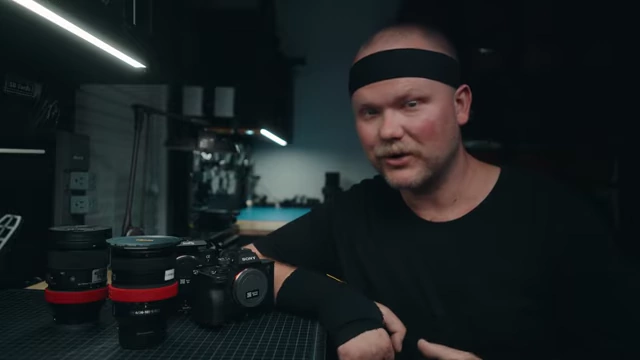
The speaker showcases a Sony A7IV camera body alongside recommended zoom lenses.
[
00:04:30
]
Professionalism is Key: Always deliver high-quality work and maintain professionalism to reflect well on the hiring agency, ensuring repeat business for both the agency and yourself.
Ethical Client Management: Never poach clients directly from an agency gig; if a client reaches out, refer them back to the agency. This preserves your reputation and can lead to agencies eventually passing on clients directly if they discontinue their services.
Getting Clients Through White Label Videography [0:00]
Piotr Mokry introduces himself as a DP and Gaffer, ready to share tips on filling a videography schedule.
[
00:00:15
]
White label involves a videographer representing an agency (e.g., "Agency X") to perform shoots for that agency's clients.
The videographer is essentially an outsourced service provider, performing the work under the agency's brand.
This often means handling tasks like interviews, B-roll, and lighting setup independently, sometimes as a one-person crew, with the agency not even present on site.
The videographer avoids direct communication and negotiation with the end client, as this is managed by the agency.
Responsibility for payment collection from the end client lies with the agency, simplifying the financial aspect for the videographer.
The videographer is typically only responsible for the shoot itself and delivering raw footage, eliminating post-production and extensive backend work related to the end client.
This allows the videographer to focus solely on shooting, dumping footage, and moving on to the next project.
By accepting a lower rate, videographers can secure a higher volume of work, filling their schedules consistently.
An example provided is earning $10,000 in a month by working 5 days a week at $500 per day.
This method allows videographers to work for multiple agencies simultaneously (e.g., Agency X, Y, and Z), ensuring a steady stream of diverse projects.
The advantage is staying busy without the hassle and cost of personal marketing and client acquisition.
Camera Bodies: The speaker recommends Sony A7IVs for their hybrid capabilities (photo and video) and video specs (4K 60, 10-bit 4:2:2).
The speaker showcases a Sony A7IV camera body alongside recommended zoom lenses.
[
00:04:30
]
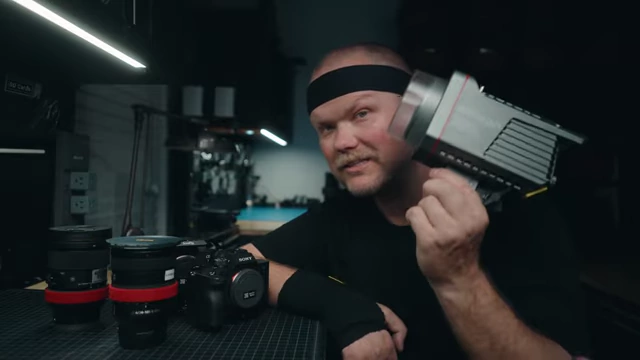
Lighting: A simple, inexpensive bi-color light like the Aputure 200X, paired with a softbox and basic lighting stands (not necessarily C-stands), is sufficient.
The speaker demonstrates the Aputure 200X bi-color light, recommended for basic setups.
[
00:05:20
]
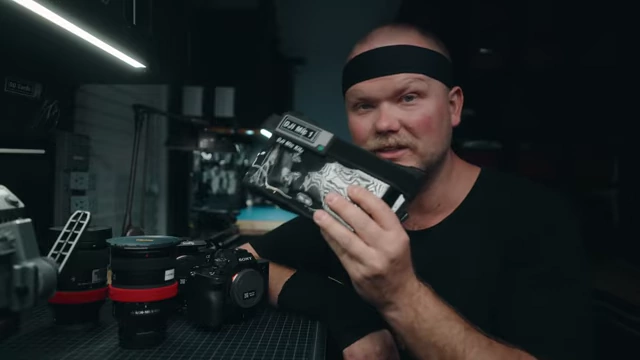
Audio: Older versions of DJI mics are suggested as a cost-effective solution for quality audio capture.
The speaker holds up the DJI Mic version 1, highlighting it as an affordable audio solution.
[
00:05:35
]
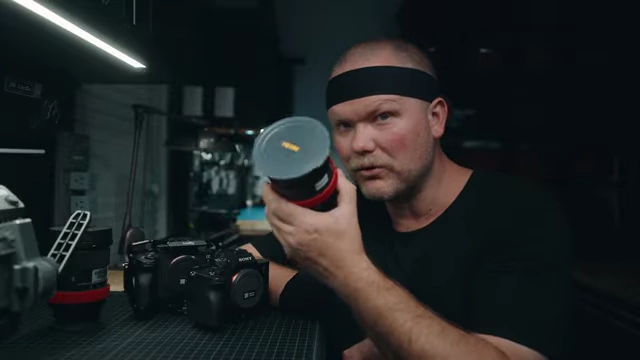
Lenses: Versatile zoom lenses such as a 24-105mm and a 24-70mm are recommended for covering various interview and B-roll needs.
The speaker displays a zoom lens, recommending versatile 24-105mm and 24-70mm lenses for interviews and B-roll.
[
00:05:45
]
Gimbals: Similar to mics, older models of DJI gimbals can still perform effectively for stabilization, avoiding the need for the latest, most expensive versions.
The key is to have reliable gear that meets the job's technical specifications rather than possessing the most expensive or advanced equipment (e.g., Arri or RED cameras).
The objective is to efficiently get the job done with the required tools.
Professional Conduct and Client Relationships [6:28]
It's crucial to always perform to the best of one's ability and maintain a high level of professionalism on set.
The videographer represents the hiring agency or media company, and their conduct directly impacts the agency's reputation.
A professional and high-quality performance increases the likelihood of the agency securing repeat business from their client, which in turn leads to more work for the videographer.
To find white label opportunities, videographers should research agencies and production companies online (e.g., Google, Instagram, LinkedIn, Facebook).
The approach should be professional, highlighting capabilities and how the videographer can provide value to the agency, rather than expressing desperation for work.
Crucial Rule: Never directly poach clients from an agency while working on a white label project. Offering personal business cards or soliciting direct work is unethical and can damage long-term relationships.
Handling Direct Client Inquiries: If an end client contacts the videographer directly and expresses interest in hiring them, the ethical response is to immediately inform the original hiring agency. The videographer should provide the client's contact information to the agency or CC the agency in an email to facilitate continued communication through the agency.
Potential for Direct Client Acquisition: By maintaining integrity, there are situations where an agency might decide to discontinue working with a specific client and, trusting the videographer's professionalism, pass that client directly to them. This allows for ethical conversion of agency clients into personal clients over time.