Why I Left My Dream Job as Head of Social Media for Ali Abdaal
Rebecca details her journey working for Ali Abdaal for two and a half years as Head of Social Media before quitting without a backup plan. She explains how she landed the "dream job" despite self-doubt, showcasing her non-traditional background and past creative endeavors. She quickly evolved her role within the fast-paced, growth-oriented environment, transitioning from scriptwriter to community manager and then Head of Social Media. While she achieved significant success, growing social accounts by 600K followers and contributing to Ali's book becoming a New York Times bestseller, the relentless pace and focus on efficiency over creativity, exacerbated by personal events and a shift to remote work, led to burnout. Rebecca shares the physical symptoms she experienced and the realization that she had invested too much of her self-worth into her work. A pivotal conversation prompted her to quit, seeking recovery and a re-evaluation of her career path. She now prioritizes alignment and creativity, building her own social strategy company and pursuing personal creative projects, emphasizing that success is measured by personal fulfillment, not just external achievements, and that dream jobs are relationships, not soulmates.

My Story [00:00]
Rebecca shares her experience working for Ali Abdaal, a prominent YouTube creator, revealing that she left her "dream job" as Head of Socials in January 2024 after two and a half years.
- Ali Abdaal's initial goal for his team was for everyone to grow and eventually start their own ventures.
- Rebecca realized that sometimes personal growth requires "breaking" before rebuilding.
- Despite a good salary, amazing opportunities, and insights into a multi-million dollar YouTube business, she left without a backup plan, guided by a strong intuition to make space for what was next.
- This video aims to share her journey, lessons learned from Ali and her team, how she lost herself, and what she's learned from the experience, offering hope to those feeling lost in their careers.
How I Got the Job [01:01]
Rebecca recounts how she secured her position as a YouTube scriptwriter for Ali Abdaal in August 2021.
- She saw Ali's video announcing eight new hires but initially doubted her suitability, even suggesting her ex-boyfriend apply instead.
- Despite self-sabotage (waiting until the deadline), she applied and was one of four chosen YouTube scriptwriters out of hundreds of applicants.
- Her background was non-traditional, including a social media apprenticeship, web design agencies, PR, and events, followed by freelancing.

Rebecca's resume as featured in Ali Abdaal's video [ 00:00:44 ] - She consistently gravitated towards content creation, having made YouTube videos for years and later Twitch streaming as a part-time income.
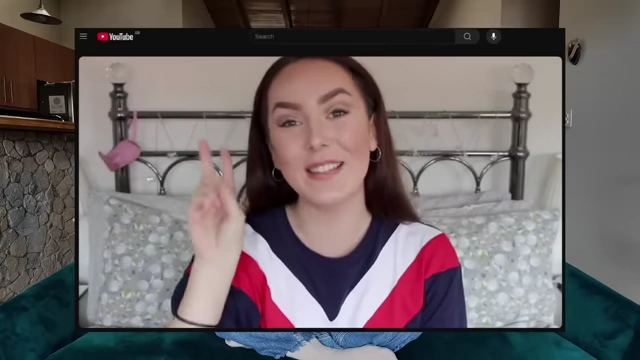
Rebecca's past YouTube video [ 00:02:02 ] 
Rebecca streaming on Twitch [ 00:02:09 ] - The job felt like an opportunity to achieve her desired "creative squiggly career" and soak up knowledge about YouTube and social media, while being part of something larger.
The First 6 Months [02:32]
The initial period at Ali Abdaal's company felt like "creator Disneyland" due to the vibrant team and flexible environment.
- Eight new team members joined simultaneously, bringing high energy.

Ali Abdaal's team members [ 00:02:37 ] - The business allowed for role shaping based on individual interests.
- Rebecca quickly transitioned from YouTube scriptwriter to community manager.
- She built Ali's study Discord to 10,000 members.
- She then pitched for and secured the role of Head of Content, overseeing YouTube and all social media.
- The environment was dynamic with constant change, as they were building one of YouTube's first creator teams and Ali was still defining the business's direction.
- Many projects were initiated and then stopped, and team roles evolved frequently.
- Rebecca's biggest regret from this period was not filming the behind-the-scenes process.
- She briefly served as Ali's PA before settling into the Head of Social Media role.
Head of Social Media [03:51]
As Head of Social Media, Rebecca was primarily a team of one, responsible for a significant volume of content across multiple platforms.
- Responsibilities and Volume:
- Managed five platforms outside YouTube: Twitter, LinkedIn, Instagram, TikTok, and Facebook.
- Produced and published 109 pieces of content every week, supported by editors.
- Her role was secondary to the main YouTube strategy, which received the primary focus and resources.
- Efficiency and Challenges:
- Developed highly efficient systems to manage content despite time and resource constraints.
- The role became more about maintenance and less about creative exploration.
- Despite producing "world-class" content, she felt a lack of movement or growth in her role.
- Achievements:
- Grew the five social accounts by 600,000 followers in 10 months.

Ali Abdaal's Instagram page with follower count [ 00:04:39 ] - Worked on projects seen by millions of people.
- Instagram Reels frequently hit 400,000 views.
- Contributed to Ali's book launch, which became a New York Times and Sunday Times bestseller.

Ali Abdaal promoting his book launch [ 00:04:54 ]
- Grew the five social accounts by 600,000 followers in 10 months.
- Coaching and Team Culture:
- Coached students on social media growth for the Part-time YouTuber Academy, which she found highly fulfilling.
- The business fostered a culture of reflection and personal growth, discussing personal dreams alongside business goals.
- Team members encouraged each other's side projects and shared personal advice.

Rebecca with Ali Abdaal team members during outings [ 00:04:58 ] - An example of team camaraderie included taking a day off for a creative video race from London to Cambridge.
- The environment was a "pressure cooker for growth," which was beneficial initially but became problematic as burnout set in.
Signs of Burnout [05:50]
Rebecca's journey toward burnout began during her first six months when she experienced a significant personal event.
- Coping Mechanism: She went through a breakup of a 5-year relationship and, as a "toxic reaction," threw herself completely into work.
- She neglected personal hobbies, exercise, and Twitch streaming, pouring all her energy into Ali's team.
- Work felt like the only thing within her control during a chaotic time.
- Role Stagnation:
- Her role as Head of Social Media, covering five platforms, became highly systematized for efficiency.
- There was little room for creative input; it was about maintaining output.
- She felt disconnected from the work she once loved due to perceived lack of growth and movement.
- Physical Symptoms: Her body began to show physical signs of stress and rejection of her situation.
- Waking up with nosebleeds before filming days.
- Psoriasis flare-ups.
- A persistent ear infection that lasted for three months.
- Self-Worth and Warning:
- She realized she had put all her self-worth into one "basket" (her job), which led to feelings of crumbling when the work wasn't fulfilling.
- She advises against this, emphasizing the importance of maintaining a sense of self outside of work.
- Dream jobs are like any other job; the honeymoon phase ends, and one must decide if they are happy to make it work.
How I Quit [08:40]
The decision to quit, though appearing sudden, was the culmination of months of internal struggle, triggered by a change in the company and a pivotal conversation.
- Shift in Work Environment:
- Ali Abdaal began digital nomading around August-September 2023, transitioning the team to a remote setup.
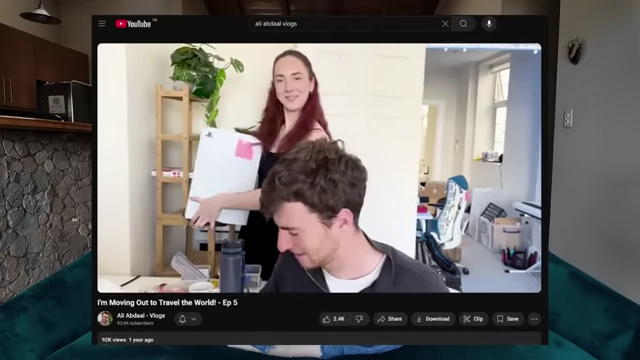
Ali Abdaal's vlog showing his flat packing and move to travel [ 00:08:47 ] - The loss of in-person work in London, which was a major perk and fostered personal connections, significantly impacted her experience.
- Weekly leadership meetings, where Ali showed genuine interest in team members' personal lives and goals, were highly valued.
- Ali Abdaal began digital nomading around August-September 2023, transitioning the team to a remote setup.
- Pivotal Conversation:
- While traveling in Budapest with her colleague and friend Allison, Rebecca found herself in "washing machine mode" – working without checking in on her feelings.
- During a lunch in Vienna, Allison expressed concern, asking if Rebecca wanted to be "the girl that ends up doing those things or the one who says she's going to but never does?" regarding her life ideas.
- This question prompted an immediate decision from Rebecca to quit.
- The Decision and Support:
- She called her boss, Angus, the next day and informed him of her decision, which was fully supported by both Angus and Ali.
- This "split decision" had been "brewing for months."
- At 28, she felt a desire for personal experimentation with work, a common sentiment among working women, and wanted to take a chance on herself without a fixed plan.
- She needed to create space to discover what was next.
Life After Ali Abdaal Ltd [10:58]
After quitting, Rebecca initially embarked on a travel adventure and then navigated the challenges of rebuilding her career and personal life.
- Travel and Initial Offer:
- She traveled to New Zealand, Australia, and Bali for three months in early 2024 with Allison and later, Barb, former colleagues from Ali Abdaal's team.

Rebecca and friends enjoying their trip in Bali [ 00:11:06 ] - Shortly after wrapping up her job, she received a good offer as a COO for a UK startup.
- She chose to honor her promise to herself for time off, despite having booked flights.
- She traveled to New Zealand, Australia, and Bali for three months in early 2024 with Allison and later, Barb, former colleagues from Ali Abdaal's team.
- Setback and Recovery:
- However, she mistakenly took on the COO role, working long hours (8 PM to 3 AM) and burning herself out further during her travels.
- She had to stop this work a month into her travels in Australia, recognizing the need for true recovery.
- Rebuilding at a Different Pace:
- While former colleagues were quickly launching into entrepreneurship with high-figure months, Rebecca chose a different path:
- Working part-time with creators she admired.
- Spending time reading, journaling, and self-reflecting to define her desires.
- She initially doubted her decision but realized that despite shared experiences with colleagues (systems, mindsets, networks), their starting points and needs upon leaving differed.
- Her need was for recovery and to rebuild confidence in her creativity, and to ascertain if social media was still her passion.
- This recovery involved creative pursuits like writing fiction and traveling without the pressure of documenting it.
- While former colleagues were quickly launching into entrepreneurship with high-figure months, Rebecca chose a different path:
- Redefining Success:
- She has had months with 10k earnings and intentionally chosen months with no income to prioritize life and travel.
- Her past year's focus has been on the joy derived from her work, building positive habits, and living a life aligned with her values.
What I Learned [13:33]
Rebecca shares four key lessons from her experience:
- Dream jobs are relationships, not soulmates. [14:07]
- Some relationships are short, some are long.
- You can be exceptional at something and enjoy it, yet still need to walk away.

Dream jobs are relationships, not soulmates [ 00:14:05 ]
- Proximity to someone else's empire does not make it yours. [14:19]
- She successfully helped Ali build his vision but didn't build her own simultaneously.
- Being exceptionally good at the "wrong thing" or being on the "wrong path" can be a dangerous trap.

Proximity to someone else's empire [ 00:14:14 ]
- There is no perfect time to make a big change. [14:34]
- One must trust their internal compass, even if others think it's flawed.

There is no perfect time to make a big change [ 00:14:34 ]
- One must trust their internal compass, even if others think it's flawed.
- How she measures success now. [14:43]
- Her definition of success is entirely based on alignment.
- Before taking on any project, she asks three questions:

What I'm Doing Now [15:06]
Rebecca is now actively building her own creative ventures and prioritizing alignment in her work and life.
- She is making videos again, focusing on building her own projects.

Rebecca creating new video content [ 00:15:14 ] - Current Projects:
- Sociable: Her company aiming to make social strategy accessible for brand building, focusing on making content creation feel like "being sociable with friends" rather than a draining system.
- Sci-fi Fiction Series: Writing a series based on a childhood idea, highlighting the space her leap of faith created.
- Side Projects with Partner: Working on projects with her partner to fund their travels and save for a house.
- Personal Priorities:
- Protecting time weekly for play, creativity, and being present for loved ones.
- Client Work: She has been fortunate to work with creators like Ramit Sethi, Rupy from The Doctor's Kitchen, Tim Amu, and Ben from ReCenter, helping them tell impactful stories.

Summary of Rebecca's work experience and clients [ 00:15:54 ] 
Detailed summary of Rebecca's achievements at Ali Abdaal [ 00:16:00 ] - Her current channel reflects a "slower, messier road to building something you're proud of."
- She encourages viewers who feel unaligned with their impressive-on-paper jobs that they are not "crazy" and might be ready for something new, emphasizing that one's next chapter only needs to make sense to themselves.