US Government Shutdown: Economic Fallout, Flight Disruptions, and Unpaid Federal Workers Analyzed
Summary:
The video details the ongoing US government shutdown, which has lasted for 37 days, significantly impacting federal employees and the broader economy.
- The shutdown resulted from a disagreement between Democrats and Republicans over the annual budget, leading to approximately 900,000 federal employees being furloughed or working unpaid.
- The White House estimates the shutdown costs the US economy $15 billion per week, totaling over $75 billion so far.
- A major consequence is a proposed 10% reduction in all USA flights due to unpaid air traffic controllers, affecting an estimated 3 million passengers and costing the travel industry $1 billion per week.
- Other economic impacts include reduced local spending, a pause in government contracts (meaning no back pay for contractors), decreased retail sales, and financial market instability due to delayed data publication.
- The ongoing impasse threatens to worsen economic conditions, especially with the upcoming holiday season.

A road sign indicating "GOV'T SHUTDOWN AHEAD" under a cloudy sky. [ 00:00:00 ]
Introduction [0:00]
- The United States government has experienced a shutdown, leading to significant economic fallout.
- The shutdown, which began on October 1st, has lasted approximately 37 days at the time of the video's creation.
- The cause is a disagreement between Democrats and Republicans in Congress regarding the approval of the annual budget for the following financial year.
- Impact on federal employees:
- Around 900,000 federal employees are either furloughed or working unpaid.
- While federal employees are expected to receive back pay once the situation is resolved, this does not alleviate immediate cash flow problems.
- Lack of immediate payment leads to reduced spending and potential debt accumulation (e.g., credit card use with high interest rates).
- Estimated economic cost:
- The White House estimates the shutdown costs the US economy $15 billion per week.
- This equates to more than $75 billion lost so far, with no immediate resolution in sight.
Flights [2:03]
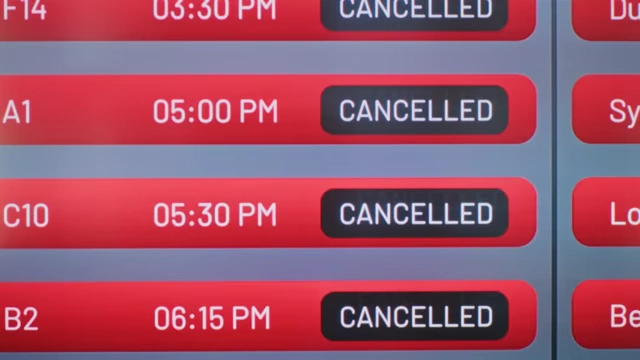
- Announced reduction in US flights:
- US authorities have announced a proposed 10% reduction in all flights across the USA.
- This measure is due to air traffic controllers being state-paid employees and currently not receiving their salaries, raising concerns about performance levels.
- Impact on travel and passengers:
- The reduction in flights is a major problem for airlines and an estimated 3 million passengers who will face cancellations.
- The airline and broader travel industry are losing an estimated $1 billion per week.
- The situation is particularly concerning as the holiday season, including Thanksgiving, approaches, which typically sees high travel volumes.
- Potential for further cuts:
- If the shutdown continues, aviation authorities indicate further flight reductions, possibly up to 20% or more, could be implemented.
Costs [3:25]

- Breakdown of the $15 billion weekly cost:
- Reduced Local Spending: Unpaid federal employees reduce discretionary spending in local economies, affecting businesses.
- Impact on Travel and Tourism: The industry is severely affected by cancellations and lower booking levels, partly due to flight issues and decreased consumer confidence.
- Pause in Government Contracts: New and existing contractual business with the US government is paused, leading to contractors being out of work without prospects of back pay.
- Declining Retail Sales: General public concern about the economic situation leads to decreased spending in stores.
- Jittery Financial Markets: Deals are delayed, and Initial Public Offerings (IPOs) are put on hold due to uncertainty.
- Missing Economic Data: The federal government, a primary source of economic data, is not publishing official figures, creating uncertainty for businesses.
- Delayed Payments Across the Economy: The government's inability to pay its obligations creates a ripple effect, causing companies to struggle with paying suppliers and workers.
- Escalating financial impact:
- The total economic loss could exceed $120 billion if the shutdown reaches eight weeks.
- This is considered a self-inflicted wound, avoidable if a funding deal had been reached.
- This is the longest government shutdown in US history.
Summary & Conclusion [6:35]
- Broad impact of the shutdown:
- The shutdown significantly impacts not only directly employed federal workers but also an equivalent number of people in businesses reliant on government contracts.
- While federal workers expect back pay, the immediate lack of income forces many to incur high-interest debt (e.g., credit cards) to cover essential expenses, creating a permanent financial burden.
- Contractors, whose contracts are not renewed, face permanent loss of income and must seek alternative employment.
- Intensifying crisis with holidays:
- The impending holiday season, with increased travel and consumer spending, exacerbates the economic and social stress caused by the shutdown.
- The continued standoff between Republicans and Democrats shows no immediate signs of resolution, threatening to worsen economic conditions further.
- Broader economic context:
- The shutdown occurs when the US economy already faces challenges, such as the lingering effects of tariffs introduced by the previous administration.
- These tariffs lead to higher import costs for US businesses and consumers, potentially fueling inflation.
- Increasing inflation would put pressure on the Federal Reserve to raise interest rates, which would further burden individuals and companies already struggling with borrowing due to the shutdown.
- The global economy is also experiencing a slowdown (e.g., in China, falling oil prices), making the self-inflicted US shutdown even more detrimental to global growth.
- Overall effect on GDP:
- The shutdown is already negatively impacting US GDP growth, with estimates suggesting a continued decline the longer it persists.
- This adds to global economic instability and could lead to widespread chaos by the end of 2025 if unresolved.