Electrician Side Work: Weighing the Legal Risks and Safety Liabilities (It's Not Worth It)
Summary:
- Side work is defined as any compensated work performed outside of one's primary employment. [00:00:00]
- Legality varies by state; many require specific licenses and insurance for trades like electrical work. [00:00:58]
- Performing unlicensed and uninsured electrical side work carries significant risks, including potential property damage, serious injury, or even death due to improper installations. [00:03:02]
- Legal consequences for being caught doing unlicensed side work can involve stiff fines, penalties, and even the revocation or denial of an electrician's license. [00:05:42]
- The speaker shares a personal story of being investigated by the Texas Department of Licensing and Regulations (TDLR) for advertising unlicensed side work, nearly losing his license. [00:08:37]
- Financial necessity is often a motivator for side work, but the potential career-ending risks typically outweigh the benefits. [00:06:51]
- Alternatives to risky side work include pursuing low-voltage electrical jobs (e.g., landscape lighting, AV, ethernet) or construction consulting, which may have fewer stringent licensing requirements. [00:13:10]
- Always prioritize safety, adhere to electrical codes, ensure work is inspected, and maintain integrity in all professional activities. [00:14:50]

TDLR letter warns of license revocation for illegal side work. [ 00:08:58 ]
Understanding Electrical Side Work and Its Initial Considerations [00:00:00]
The video begins by defining side work as any paid task performed outside of one's regular employment.
- Definition of Side Work [00:02:06] - This includes jobs for family, friends, or acquaintances, such as installing lights, receptacles, or working on home additions. - It specifically refers to work that is not funneled through the electrician's primary employer or company.
- Geographical and Employer Considerations [00:00:37] - State Regulations: The legality of side work is heavily dependent on the state or municipality. Some states have strict licensing requirements for electrical work, often mandating specific licenses and insurance. - Employer Policies: It's crucial to check with your current employer to ensure they are comfortable with you performing side work, especially to avoid conflicts of interest or accusations of "stealing" customers.
Legal and Safety Risks of Unlicensed Side Work [00:02:59]
The core argument against side work, especially for trades requiring specific expertise like electrical work, revolves around significant liability and safety concerns.
- Lack of Qualification and Experience [00:03:02] - Electrical work requires extensive knowledge of safety, electrical code, and proper installation techniques to protect people, equipment, and wiring systems. - Untrained individuals, or those with insufficient experience, often make critical errors that professional electricians are called to fix.
- Catastrophic Consequences of Improper Work [00:03:55]
- Property Damage: Incorrect electrical installations can lead to severe damage to homes, businesses, and equipment.
- Fires: Faulty wiring, improper grounding, or lack of arc-fault protection can cause electrical fires, potentially destroying property and endangering lives.
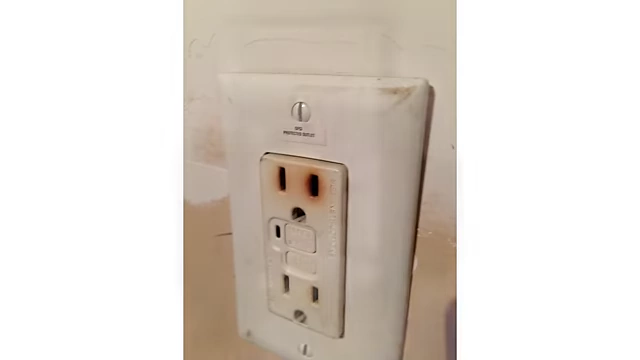
Burnt electrical outlet from improper installation. [ 00:04:09 ] - Injury or Death: The most severe consequence of unsafe electrical work is causing serious injury or even death to occupants.
A house on fire due to an electrical malfunction. [ 00:04:19 ] 
Close-up of dangerous electrical arcing. [ 00:04:29 ] - Importance of Licensing and Insurance [00:01:17] - In states requiring licensing, obtaining the necessary license and insurance is paramount to demonstrate competence and provide liability coverage. - Even in states without strict licensing, having insurance is highly recommended to cover potential damages, as unforeseen outcomes are always possible.
The Speaker's Personal Experience with Side Work Violations [00:05:32]
Dustin, the speaker, recounts his own journey and the significant trouble he faced due to engaging in unlicensed side work.
- Early Motivation and Circumstances [00:06:51] - He started doing side work out of financial necessity while being a young father and an electrical helper, facing limited income and significant financial responsibilities. - Despite knowing the rules, he continued for years without issues.
- Getting Caught and the Investigation [00:07:39]
- Confident in his skills and experience (holding a Residential Wireman license and close to his Journeyman's), he started advertising on Craigslist.
- The Texas Department of Licensing and Regulations (TDLR) discovered his ads, initiated an investigation, and issued a cease-and-desist letter, threatening to revoke his license.
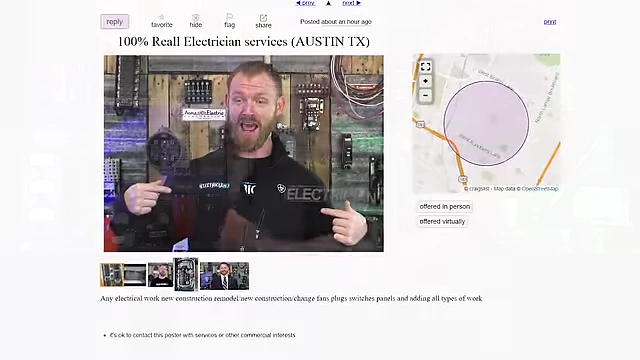
A screenshot of a Craigslist ad for "100% Real Electrician services (AUSTIN TX)" placed by the speaker, showing his image and work examples. [ 00:07:58 ] - This occurred at a critical time when he was applying for his Journeyman's license and buying his first house.
A printout of the speaker's Craigslist ad from the Texas Department of Licensing and Regulations, with a warning about an investigation and potential license revocation. [ 00:08:58 ] - Resolution and Life-Changing Impact [00:11:18] - After months of anxious waiting and repeated calls to the TDLR, the investigation concluded with a "slap on the wrist" – a warning not to repeat the offense. - This experience profoundly impacted him, leading him to immediately stop all side work for the rest of his career. - He later obtained his Master Electrician license, started his own licensed and insured company, and conducted all work through proper channels.
Why Side Work Is Not Worth the Risk [00:12:22]
Based on his experience, the speaker strongly advises against taking on side work that could jeopardize one's professional license and career.
- The immense effort and time invested in learning the trade and obtaining a license are too valuable to risk for "extra money on the side."
- Disclaimer: Always check your state's specific laws and licensing regulations before engaging in any electrical work outside of your primary employment.
Safer Alternatives for Earning Extra Income [00:12:56]
If financial necessity drives the need for additional income, consider legitimate alternatives that do not involve high-voltage electrical systems or licensing violations.
- Low-Voltage Work: Starting a company focused on low-voltage systems (e.g., landscape lighting, AV installations, Ethernet wiring) is often less regulated and carries lower liability risks.
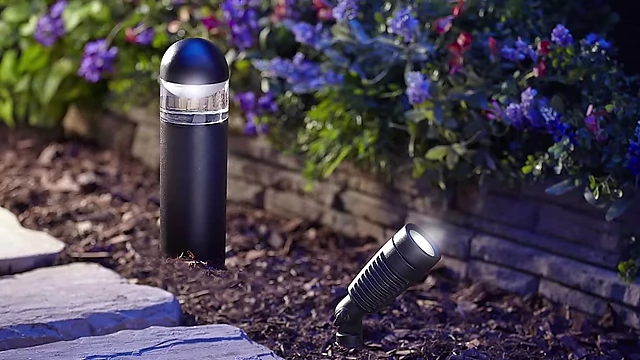
Landscape lighting as an example of low-voltage side work. [ 00:13:20 ] - Consulting: Offering consultation services on electrical matters without performing direct installations can also be a viable option.
- Other Trades: Explore construction-related work that doesn't involve licensed electrical installations.
- The key is to pursue avenues that align with legal requirements and do not put your professional license or public safety at risk.