How to Take Unforgettable Travel Photos: 9 Essential Tips
Summary:
This video offers 8 essential tips for improving travel photography and creating memorable images.
- 1. Bring Less Gear: Prioritize enjoying the trip over carrying excessive equipment, as a simpler setup often leads to more and better photos.
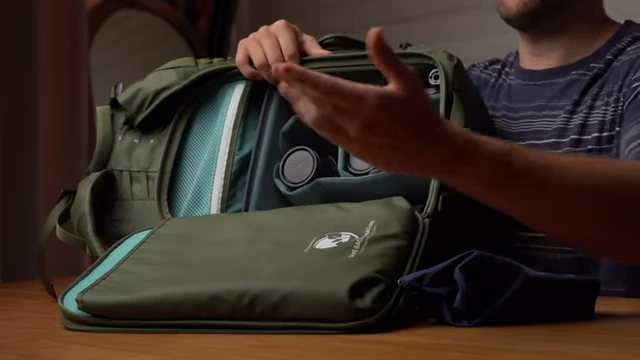
Inside a robust travel photography backpack showing organized gear [ 00:01:03 ] - 2. Connect with Local Photographers: Reach out to local photographers for unique insights into hidden locations and cultural nuances.
- 3. Go Beyond Beautiful Locations: A stunning location doesn't guarantee a great photo; focus on lighting, composition, and creative interpretation.
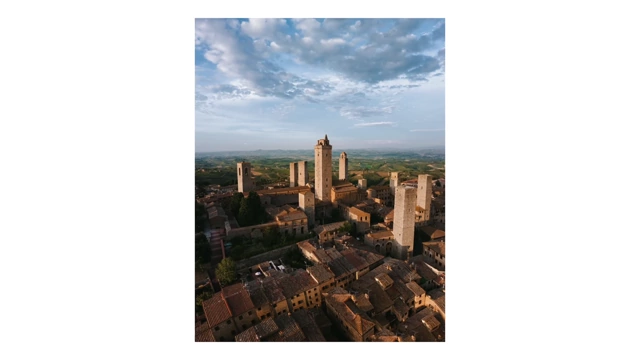
An aerial view of a historic European town at golden hour [ 00:04:38 ] - 4. Explore Beyond Popular Spots: Use popular locations as starting points but venture out to find unique compositions and break new ground.
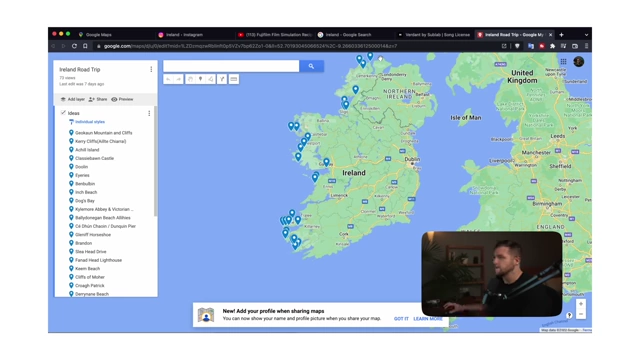
A map view of Ireland with multiple pinned locations for planning a road trip [ 00:08:09 ] - 5. Essential Travel Gear: AirTags & Step-Up Rings: Use AirTags for tracking luggage and gear, and step-up rings to use a single filter size across multiple lenses, saving space and money.
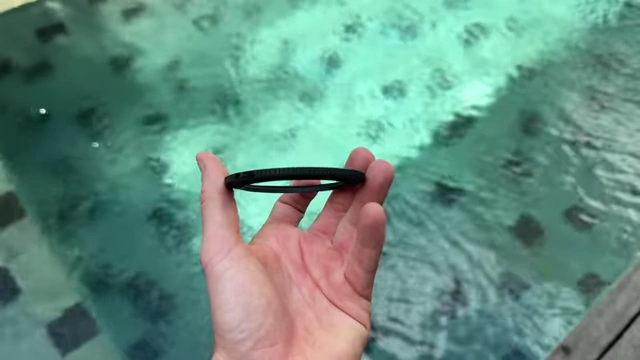
A small black step-up ring held over water, demonstrating its size [ 00:12:25 ] - 6. Shoot in Sets: Capture a diverse collection of wide, mid, and tight shots to tell a more compelling story about a location.
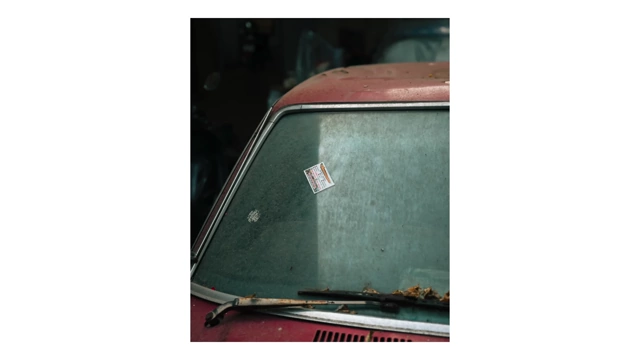
A detailed shot of a dusty car windshield with a sticker, capturing an everyday detail [ 00:14:16 ] - 7. Embrace Sunrise Photography: Early morning shoots offer unique lighting, fewer crowds, and an intimate experience of the destination.
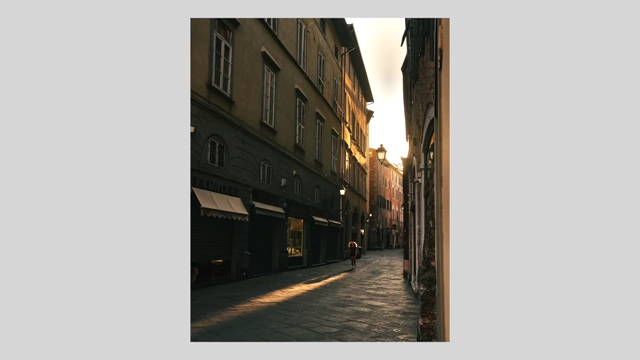
A person cycling through a quiet, sunlit European alleyway during sunrise [ 00:15:45 ] - 8. Shoot in Aperture Priority Mode: Simplify camera settings to focus on composition and storytelling, especially in good light, without being overwhelmed by manual settings.
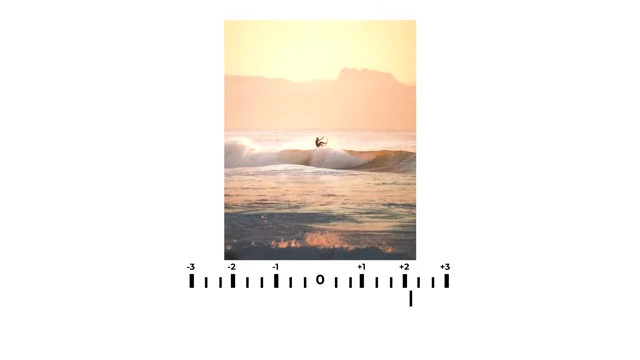
An exposure meter display on a camera, showing settings for proper exposure [ 00:17:43 ] - 9. Research Culture and Laws: Understand local customs and regulations, including drone laws, to ensure a respectful and safe travel experience.
Introduction to Travel Photography [00:00:00]
Travel photography is a rewarding experience, but the process involves more than just bringing gear. It requires careful planning and a thoughtful approach to capture truly memorable images. This video shares 9 tips learned over 10 years of experience, focusing on both logistics and creative execution.
1. Be Okay with Missing Shots: Bring Less Gear [00:00:34]
- The Burden of Excessive Gear:
- Initially, the speaker carried multiple zoom lenses, prime lenses, camera bodies, and a drone, leading to physical strain and distraction.
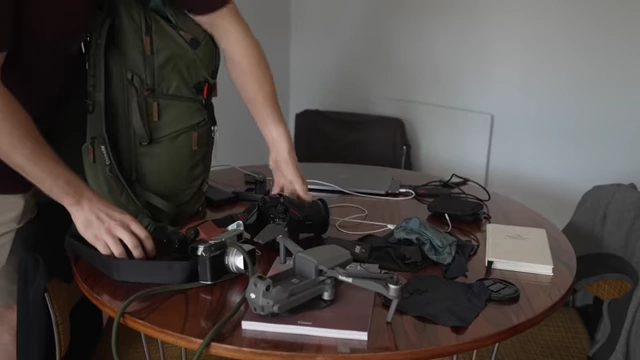
A photographer packing various camera gear, including lenses, bodies, and a drone, into a backpack [ 00:00:45 ]
- Initially, the speaker carried multiple zoom lenses, prime lenses, camera bodies, and a drone, leading to physical strain and distraction.
- Benefits of a Streamlined Setup:
- Carrying less gear makes trips more fulfilling and interesting, often requiring just one camera with one zoom and one prime lens.
- Missing a few shots due to limited gear is outweighed by saved time and reduced stress.
- The speaker now primarily uses a 24-70mm and a 35mm prime, avoiding a 70-200mm lens.
- Recommended Accessories:
- Invest in a good travel photography backpack for robust shoots and air travel.
Inside a robust travel photography backpack showing organized gear and compartments [ 00:01:03 ] - A camera sling is useful for casual street photography.
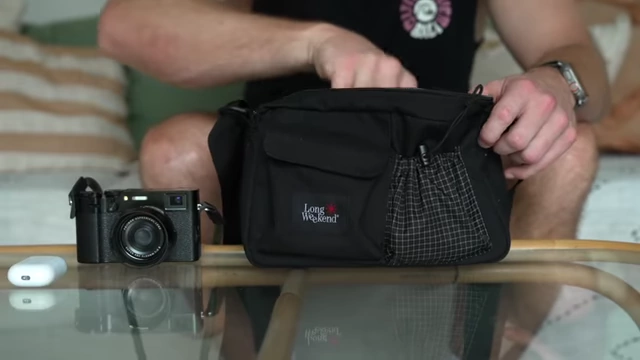
A photography sling bag being prepared, showcasing its compact size and functionality for carrying a camera [ 00:02:22 ] - The speaker recommends checking his photography gear guide for detailed information.
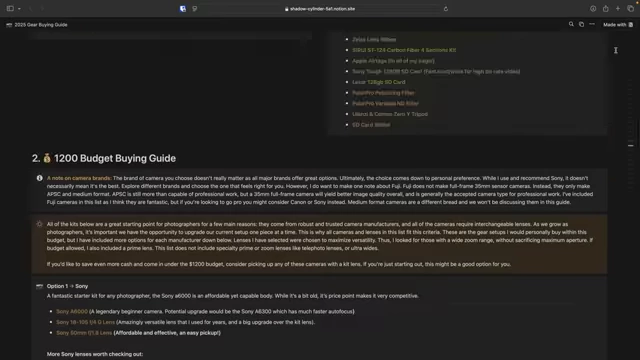
A screenshot of a photography gear buying guide document, outlining different budget options and recommended equipment [ 00:02:34 ]
- Invest in a good travel photography backpack for robust shoots and air travel.
2. Connect with Other Photographers [00:02:38]
- Local Insights:
- Connecting with local photographers provides access to unique locations and cultural understanding that wouldn't be found through typical research, leading to capturing favorite images.
- Learning Opportunities:
- Shooting with locals offers a chance to observe different photographic approaches and learn new techniques.
- How to Connect:
- Use Instagram to DM local photographers in advance of your trip and suggest meeting for coffee, a meal, or a shoot.
3. A Beautiful Location Does Not Necessarily Equal a Beautiful Photo [00:03:53]
- Beyond Subject Matter:
- Relying solely on a beautiful location for a good photo is a common mistake; a great photo involves stylistic elements like lighting, composition, and detail, as well as technical aspects.
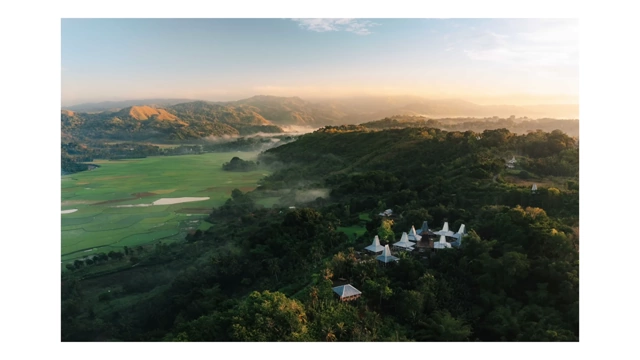
An aerial view of a lush green valley with traditional houses and mountains in the distance during golden hour [ 00:04:19 ]
An aerial view of a historic European town with tall towers at golden hour [ 00:04:38 ]
- Relying solely on a beautiful location for a good photo is a common mistake; a great photo involves stylistic elements like lighting, composition, and detail, as well as technical aspects.
- Creative Interpretation:
- Be creative and look for interesting ways to photograph the subject; even "boring" locations can yield beautiful images if approached creatively.
- The photographer's interpretation of the scene is crucial.
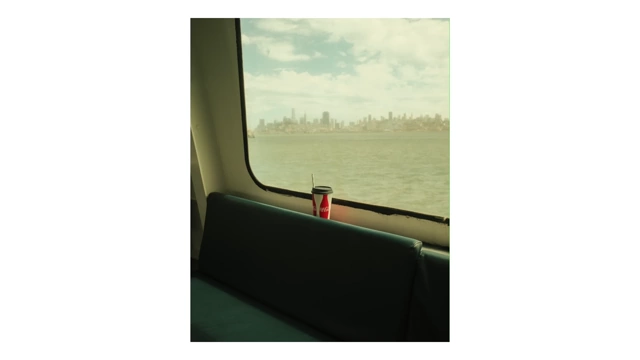
A window view from a ferry with a soda can, showing the distant New York City skyline [ 00:05:09 ] 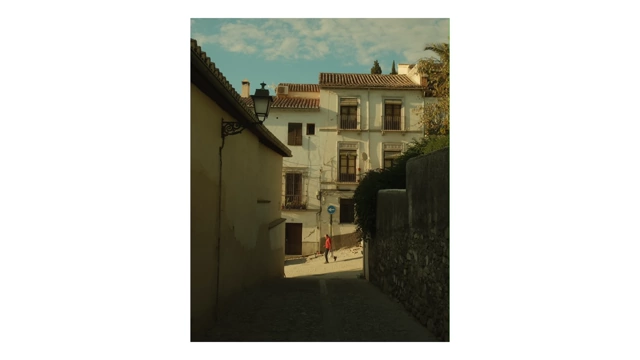
A sun-drenched street in a Spanish town, with a person walking a dog in the distance [ 00:05:12 ] 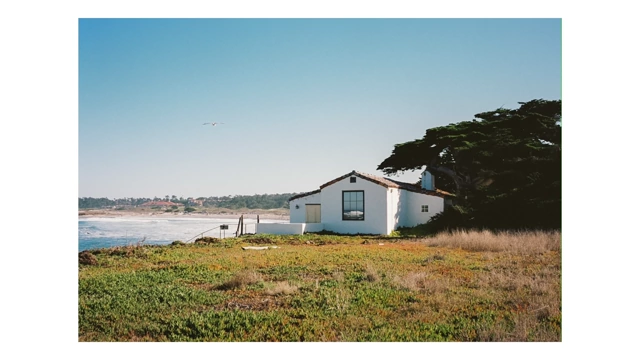
A small white house by the ocean on a grassy hill under a bright blue sky [ 00:05:17 ]
4. Explore Beyond Popular Photography Locations [00:05:33]
- The Instagram/Pinterest Trap:
- Initial research often leads to discovering popular, often repetitive, photography locations and compositions, making it difficult to find lesser-known spots.
- Finding Unique Compositions:
- Many unique locations can only be found by exploring and getting "lost" at the destination.
- Use popular locations as a starting point, but then venture out to find unique angles and subjects, paying attention to surroundings and relying on creativity.
A Google Maps interface showing a planned road trip route in Ireland with numerous pinned photography locations [ 00:08:09 ]
- Example from Vermont:
- The speaker photographed a popular farm in Vermont (Image 105) but then explored the area to find more unique and interesting compositions (Image 108).
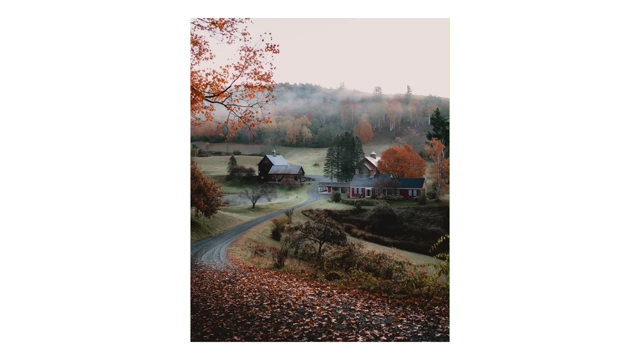
A picturesque farm in Vermont during autumn, with a road winding through colorful foliage and a slight mist [ 00:07:09 ] 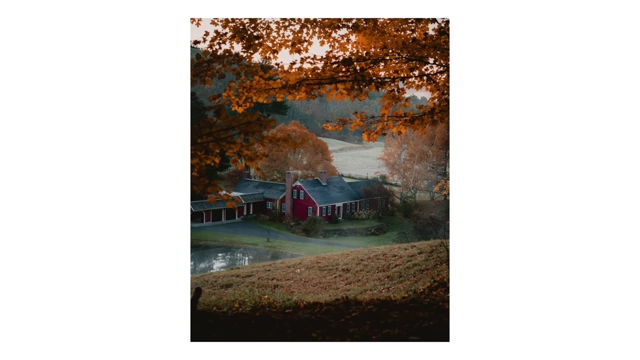
A red house framed by autumn leaves and a pond, showcasing a unique composition of a Vermont farm [ 00:07:19 ] 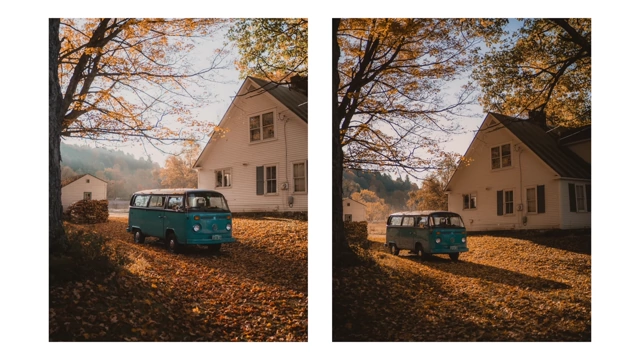
A side-by-side comparison of two photos of a blue vintage van parked in front of a white house with autumn leaves, demonstrating different compositions [ 00:07:23 ] - The speaker recommends checking his travel photographers toolkit for location scouting tools.

A screenshot of a "Travel Photographers Toolkit" document, detailing essential apps, planning, scouting, gear, and legal resources [ 00:08:02 ]
- The speaker photographed a popular farm in Vermont (Image 105) but then explored the area to find more unique and interesting compositions (Image 108).
5. Travel with Essential Small Gear: AirTags and Step-Up Rings [00:11:45]
- AirTags:
- Essential for tracking luggage and camera bags, providing recourse if items are lost or stolen.
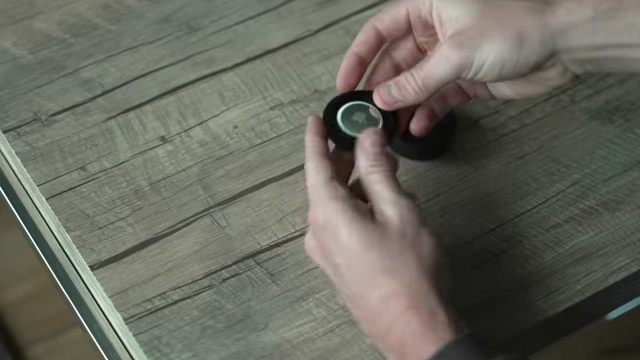
A close-up of an Apple AirTag, a small tracking device, held in a person's hand [ 00:12:06 ]
- Essential for tracking luggage and camera bags, providing recourse if items are lost or stolen.
- Step-Up Rings:
- Allows one larger filter (e.g., 82mm) to be used across multiple lenses with smaller filter threads, saving money and space.
A small black step-up ring held over water, demonstrating its size [ 00:12:25 ] 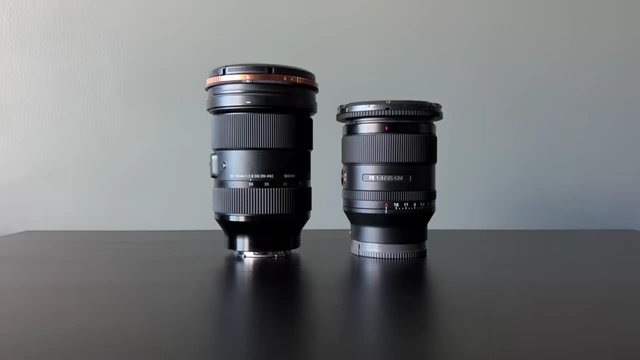
Two camera lenses of different sizes, illustrating the need for step-up rings to use a single filter size across various lenses [ 00:12:31 ]
- Allows one larger filter (e.g., 82mm) to be used across multiple lenses with smaller filter threads, saving money and space.
6. Shoot in Sets [00:13:09]
- Beyond Single Shots:
- Instead of taking one photo and moving on, aim to shoot a collection of images at each location (e.g., two wide, two mid, two tight shots).
- Storytelling and Diversity:
- A collection of images is more compelling and tells a more meaningful story about a location than a single photo.
- Focus on telling a story about a place by capturing details, light, textures, and colors.
- Example: A set of photos capturing the colors and daily life of Bangkok.
A detailed shot of a dusty car windshield with a sticker, capturing an everyday detail [ 00:14:16 ] 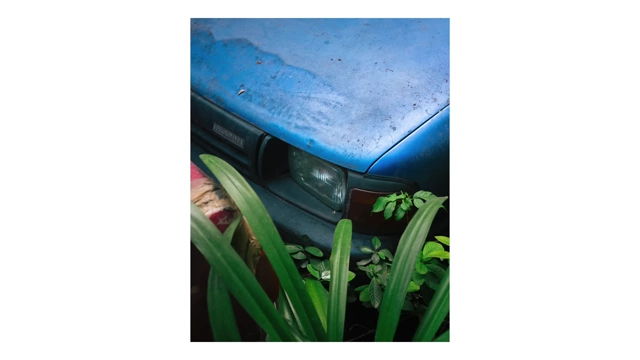
A close-up of an old blue car's headlight surrounded by green plants, highlighting texture and color [ 00:14:17 ] 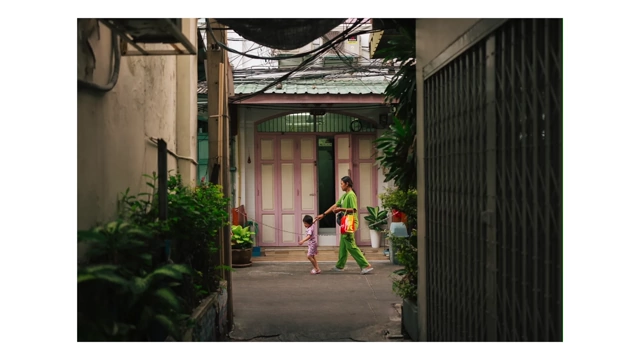
A mother and child walking down a narrow, plant-lined alleyway in Bangkok, capturing a moment of local life [ 00:14:18 ] 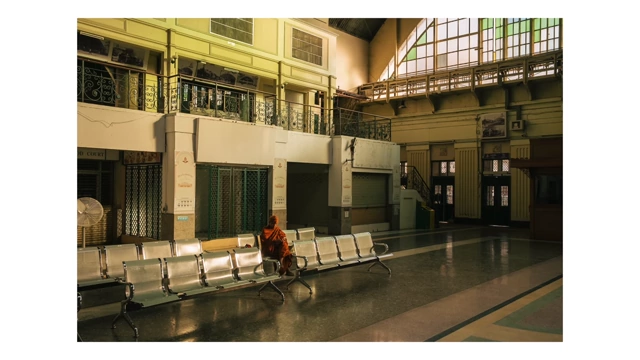
A monk sitting alone on a bench in a quiet train station hall, emphasizing solitude and light [ 00:14:26 ] 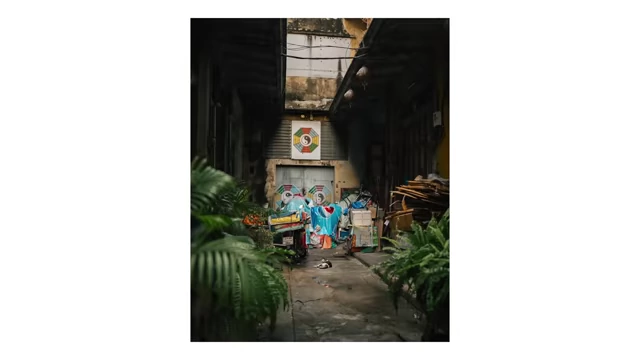
A narrow alleyway in Bangkok filled with greenery, discarded items, and a sleeping cat, showing depth and atmosphere [ 00:14:27 ]
7. Sunrise is King (But Shoot in All Lights) [00:14:39]
- Shooting in All Lighting Conditions:
- Shoot at all times of the day, as different light can dramatically change a location's appearance.
- The Unique Benefits of Sunrise:
- Fewer crowds allow for an intimate experience of the city or location and opportunities to capture compositions with single subjects.
- Allows photographers to shoot independently before meeting up with travel companions.
- The beautiful soft light of sunrise is an added bonus.
A person cycling through a quiet, sunlit European alleyway during sunrise, with long shadows cast on the street [ 00:15:45 ] 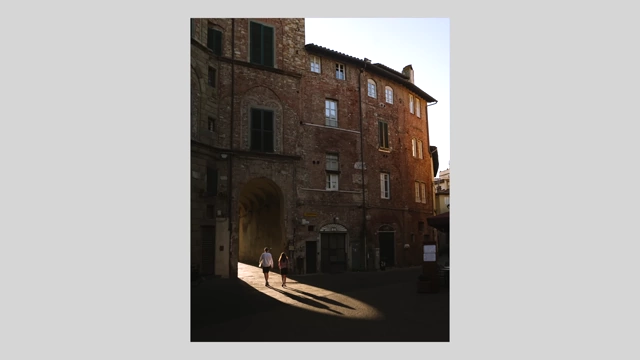
Two people walking into a sunlit alleyway, casting long shadows, in a quiet European town during sunrise [ 00:15:47 ]
8. Shoot in Aperture Priority [00:16:10]
- Prioritizing Creativity Over Technicality:
- Many professional photographers don't always shoot in manual mode, especially in good light.
- Aperture priority mode allows control over aperture (and depth of field), while the camera handles other settings.
- Enhanced Experience:
- Focusing on composition, lighting, and storytelling rather than constantly adjusting settings helps photographers stay connected to their environment and enjoy the trip more.
- Aperture has the biggest impact on images in good light, making it suitable for beginners to focus on creative elements.
An exposure meter display on a camera, showing settings for proper exposure in a bright outdoor scene [ 00:17:43 ]
9. Research Culture and Laws [00:17:49]
- Cultural Sensitivity:
- Research local customs and norms to avoid disrespect, especially when photographing people.
- Example: Japan's unspoken societal norms, like not speaking loudly or taking photos of people on trains.
- Legal Compliance (Especially Drones):
- Research drone laws for each country and obtain necessary permits in advance to avoid legal issues.
- Ensure compliance with local laws and customs for a respectful and safe travel experience.