Understanding the Economic Impact of US Tariffs on Key Brazilian Industries and Banking System
The video outlines the severe and unprecedented economic challenges facing Brazil due to newly imposed U.S. tariffs, which have fundamentally altered the country's economic landscape since August 1st.

- Fishing Industry Impact: Tariffs threaten Brazil's fishing industry, with 70% of production previously exported to the U.S., rendering domestic sales insufficient to offset losses.
- Cocoa Sector Vulnerability: The cocoa industry is also at risk, as nearly 100% of Brazilian cocoa butter is exported to the U.S., potentially impacting chocolate production and thousands of jobs, with estimated losses of $180 million.
- Oil Extraction Equipment Concerns: Brazilian manufacturers of oil extraction equipment, tailored for U.S. clients, face contract cancellations, leading to ripple effects across the supply chain, including steel suppliers and transporters.
- Banking System Concentration: Brazil's economy is heavily concentrated in its banking sector, with five banks controlling 80% of assets.
- Threat of "Silent Strangulation": Banks are vulnerable to U.S. institutional sanctions; non-compliance could lead to loss of vital cloud services (AWS, Google Clouds, Oracle) and disconnection from international payment systems like Swift, potentially freezing customer access to funds.
- Call to Action: The speaker urges viewers to gain knowledge and prepare for potential economic chaos, emphasizing that early preparation is crucial, comparing it to car insurance – useless after an accident.
Introduction to Brazil's Crucial Moment [0:00]
The speaker introduces the topic by stating that Brazil is at a crucial and unprecedented moment, where understanding the ongoing changes is vital to avoid a fragile position. He emphasizes the humility required to navigate unknown consequences.
The Logic of Insurance and Preparation [2:42]
Faced with an unknown scenario, the speaker advocates for following the "insurance logic": hoping for the best but preparing for the worst. This means taking protective measures before a crisis hits, rather than after.
- Just as one buys car insurance hoping for no accident but for protection if it occurs, individuals and the nation should prepare for potential economic downturns.
The New Reality of Brazil [3:29]
The speaker asserts that the Brazil known before August 1st no longer exists due to imposed sanctions. These sanctions are causing a complete shift in the nation's reality, leading to an uncertain future.
- The purpose of the video is to explain what is currently at stake, potential future events, and the consequences of these facts, urging viewers to pay close attention.
Impact on the Brazilian Fishing Industry [4:28]
Eduardo Lobo, president of Abipesca (Brazilian Fishing Association), stated that increased U.S. tariffs will have a severe and immediate impact on Brazilian fishing production.
- Export Dependency: 70% of Brazilian fish is exported to the United States.
- Domestic Market Incapacity: Selling this fish on the domestic market will not solve the problem, as production is specifically geared towards the American market (e.g., high-value lobster and tuna with high capture costs).
- Industry Shutdown Risk: Lobo explicitly stated the industry "will shut down" if exports to the U.S. cease, profoundly impacting artisanal fishermen who lack alternative plans.
- Societal Concern: This situation is concerning because it disproportionately affects the most vulnerable, highlighting a need to think about how to help the least fortunate if chaos ensues.
Impact on the Brazilian Cocoa Industry [11:00]
Cocoa was excluded from the U.S. tariff exemption list, which could significantly affect Brazil's chocolate production.
- Tariff Increase: U.S. tariffs on Brazilian products increased from 10% to 50% (an additional 40%). Some products were exempted, but not cocoa.
- Cocoa Butter Exports: Almost 100% of cocoa butter produced in Brazil is exported to the American market for chocolate production.
- Drawback Mechanism Threat: Brazil uses a "drawback" mechanism, allowing tax-free import of raw materials (like cocoa beans from Africa) if the final product is exported. The new U.S. tariffs threaten this mechanism, potentially breaking the entire chocolate production chain.
- Economic Loss: The National Association of Cocoa Processing Industries (AIPC) estimates a loss of $180 million to the sector, threatening thousands of direct and indirect jobs.
Impact on Brazilian Oil Extraction Equipment Manufacturing [16:53]
Brazil manufactures a significant portion of the oil extraction pumps used in the United States, representing a large contribution to Brazil's GDP.
- Custom-Made Equipment: Brazilian industries have long-term (e.g., 15-year or 20-year) contracts to produce custom-made "Taylor Made" oil extraction equipment for North American customers.
- Contract Uncertainty: Due to the new tariffs, Brazilian companies are uncertain if these multi-million dollar contracts will be honored.
- Ripple Effect: The tariff makes Brazilian products 50% more expensive, jeopardizing their competitiveness against cheaper alternatives from countries like China. This leads to a ripple effect:
- Reduced orders for steel blades affect factories in São Paulo.
- Reduced demand for raw materials impacts steel suppliers (e.g., in Minas Gerais).
- Decreased transportation needs affect logistics companies that invested in expanding their fleets.
- Lost Investment: Companies that invested heavily in expanding their market presence in the U.S. over many years, adapting products to U.S. specifications (laws, fees, bureaucracy, health standards), face the risk of losing these investments.
Vulnerability of Brazil's Banking Sector [26:33]
Brazil's economy is highly concentrated in its banking sector, unlike the United States or the European Union where tech or industrial giants dominate the top companies.
- High Concentration: Among Brazil's 10 largest companies, five are banks, indicating a massive concentration of wealth and employment in this sector.
- Oligopoly Control: Five banking institutions control 80% of all assets in the Brazilian banking sector, making the entire economy vulnerable if these key players fail.
- Factors Contributing to Dominance:
- High interest rates.
- Regulatory barriers that stifle competition.
- Historical policies that protect incumbent banks, prioritizing stability over innovation, making it difficult for new players to enter.
The Threat of "Silent Strangulation" for Banks [45:57]
The U.S. government is considering direct institutional punishment for financial institutions that do not comply with sanctions.
- Dependency on U.S. Services: Powerful Brazilian banks, including traditional ones and FinTechs, rely heavily on U.S. cloud services (Amazon Web Services, Azure, Google Clouds, Oracle).
- Consequences of Non-Compliance: If banks disobey U.S. regulations:
- They could lose access to cloud services, leading to their banking applications, internet banking, and internal systems going offline.
- Customers might lose access to their own money.
- They could be disconnected from the international payment system (SWIFT).
- Credit and debit cards (Visa, Mastercard, American Express, ELO) could be rendered inoperable.
- Banks might face billion-dollar fines and international lawsuits.
- Silent Strangulation: This scenario, where institutions don't formally "break" but become non-functional "ghosts" – existing but inaccessible and empty – is termed "silent strangulation."
- Risk of Bank Run: A widespread inability for customers to access their funds would trigger a "run on the banks," a loss of public confidence that can cause even well-managed banks to collapse, similar to historical cases like Silicon Valley Bank. Trust, once built over decades, can be lost in seconds.
Call to Action and Preparation [52:40]
The speaker reiterates that these threats are not mere speculation but serious matters, urging viewers not to wait until disaster strikes to prepare.
- Pre-emptive Preparation: Analogous to buying car insurance before an accident, preparation for economic chaos must happen before it materializes.
- Importance of Knowledge: He emphasizes that "information is power" and that a lack of knowledge leads to destruction (referencing Hosea 4:6).
- Invitation to "Arca": The speaker invites viewers to join his "Arca" program (his paid educational classes) to gain the necessary knowledge to protect themselves and even profit during times of volatility and chaos. He highlights his credentials as a teacher with multiple degrees (bachelor's, master's, doctorate) and extensive experience.
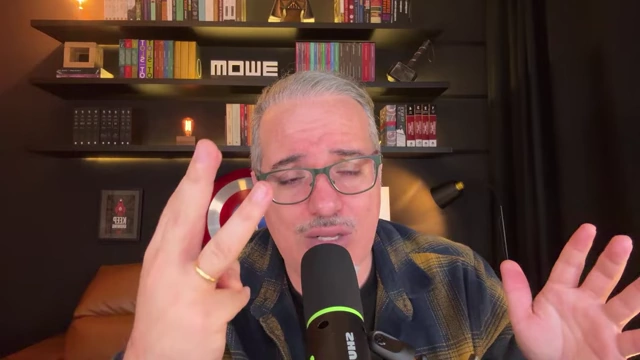
The speaker holds up three fingers, representing his bachelor's, master's, and doctorate degrees. [ 00:55:20 ]