Understanding the 4 Communication Colors: Red, Yellow, Green, and Blue
Summary:
- The video introduces the "color system" for understanding communication styles, categorizing people into four colors: Reds (driven by power and results), Greens (driven by peace and stability), Blues (driven by logic and structure), and Yellows (driven by fun and connection).
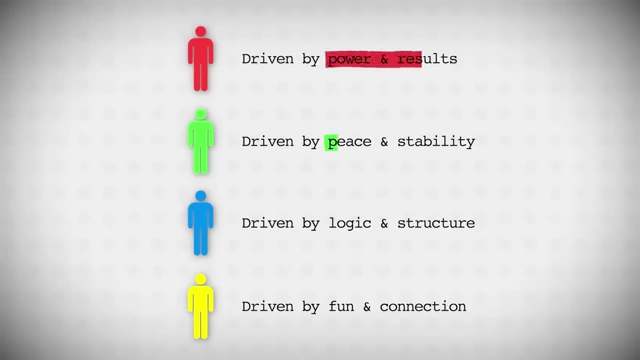
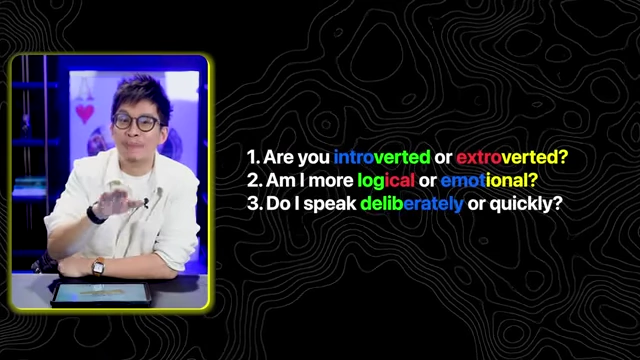
The four communication styles and their primary drivers [ 00:00:20 ] - To identify your color, ask yourself three questions: Are you introverted or extroverted? Are you more logical or emotional? Do you speak more deliberately or quickly?
The three key questions to help identify your communication color [ 00:02:55 ] - The core problem in communication is that people tend to communicate only in their own color, leading to frustration and disconnect with others who have different styles.
- Each color faces specific problems: Reds can be seen as pushy, Yellows as unfocused, Greens as indecisive, and Blues as too slow or critical.
- To improve communication, learn to adapt your style to the other person's color, which helps build empathy and connection.
- The video provides practical tips for talking to each color: be direct for Reds, enthusiastic for Yellows, calm for Greens, and precise for Blues.
- Mastering this skill allows you to connect with a wider range of people by being dynamic and adapting your approach without losing your core identity.
Intro [0:00]
The video introduces a communication system categorizing people into four colors, based on the book "Surrounded by Idiots" by Thomas Erikson.
- This system helps to quickly identify a person's communication style.
- It enables adjusting your own style for more effective connection.
- The goal is to understand what drives others, their fears, and how to speak their language.
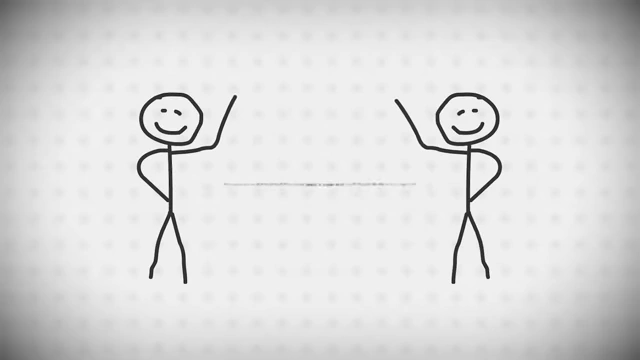
Visualizing effortless vs. difficult communication [ 00:00:47 ] - The book "Surrounded by Idiots" by Thomas Erikson, on which the color system is based. [1:12]
Identifying Your Color [1:05]
The presenter explains the characteristics of each color and provides questions to help identify one's own primary color.
- Red: Bold, decisive, competitive, results-driven, impatient. [1:41]
- Yellow: Social, enthusiastic, talkative, creative, optimistic. [1:50]
- Green: Calm, supportive, reliable, dislikes sudden changes, and is extremely patient. [1:56]
- Blue: Precise, detail-oriented, cautious, critical thinkers, and perfectionists. [2:03]

The four communication colors: Red, Yellow, Green, and Blue, as represented by different people [ 00:01:56 ] - Three questions to identify your color: [2:16]
- Are you more introverted or extroverted? If introverted, you are a Blue or Green. If extroverted, you are a Red or Yellow. [2:21]

The first question to identify your communication color: Introverted or Extroverted? [ 00:02:29 ] - Are you more logical or emotional? If logical, you are a Green or Red. If emotional, you are a Blue or Yellow. [2:32]
- Do you speak more deliberately or quickly? If deliberately, you are a Green or Blue. If quickly, you are a Red or Yellow. [2:51]
The three key questions to help identify your communication color [ 00:02:55 ] - The presenter uses himself as an example, identifying as a Yellow (extroverted and emotional). [3:07]
- A personal cheat sheet for identifying communication colors based on introversion/extroversion, logic/emotion, and speaking pace. [11:36]
- Are you more introverted or extroverted? If introverted, you are a Blue or Green. If extroverted, you are a Red or Yellow. [2:21]
The Problem with Each Color [3:50]
People tend to communicate only in their own color, leading to miscommunication and frustration with those of different colors.
- Red interacting with other colors: [5:00]
- The general issue: [6:27]
- Defaulting to one's own communication style only works with similar people.
- Others may tune out or judge negatively.
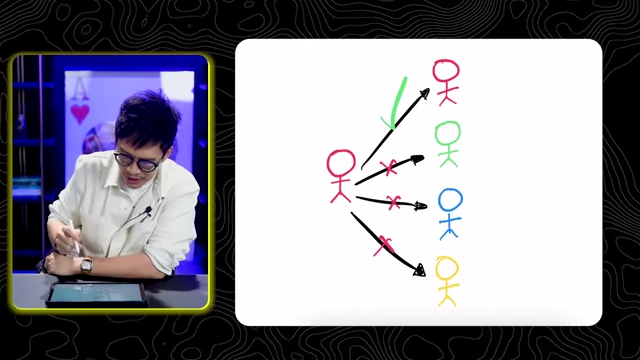
How the Other Colors View You [6:42]
Each color's natural tendencies can be perceived negatively by others.
- Red (Example: Andy): [6:46]
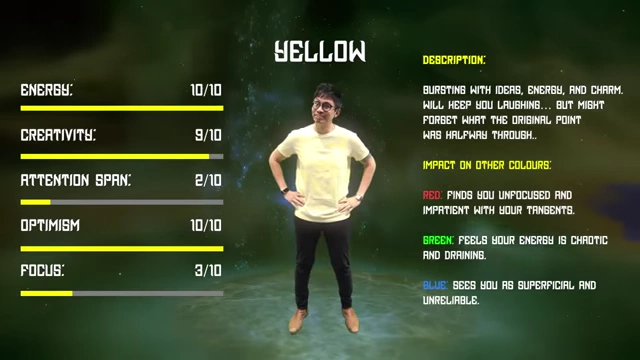
- Yellow (Example: Vinh Giang): [7:12]
- Description: Bursting with ideas, energy, and charm, keeps people laughing, but might forget the original point.
- Impact on other colors:
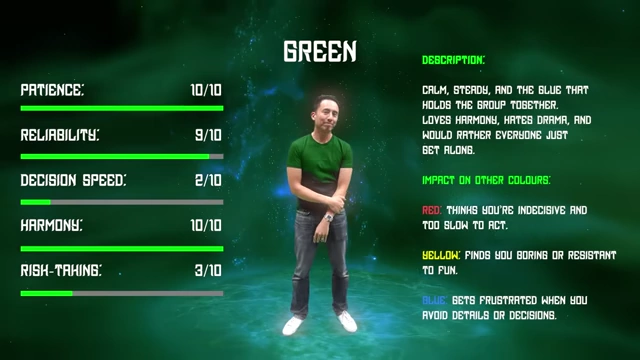
- Green (Example: Dan): [7:42]
- Description: Calm, stable, holds the group together, loves harmony, hates drama, prefers everyone to get along.
- Impact on other colors:
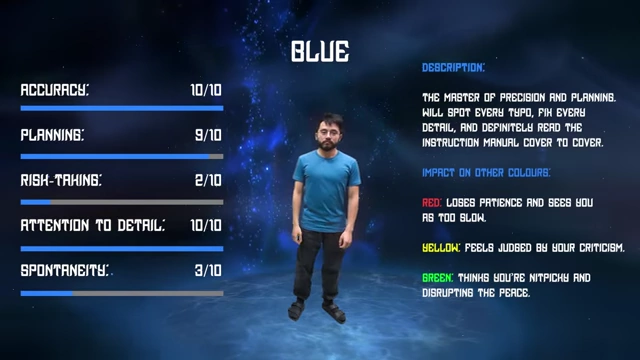
- Blue (Example: Pete): [8:27]
- Description: Master of precision and planning, spots every detail, reads instruction manuals cover to cover.
- Impact on other colors:
How to Stop Judging Others [11:44]
Understanding the color system fosters empathy and reduces judgment.
- The presenter admits he still judges but minimizes it by understanding the four different communication styles. [12:01]
- Recognizing these "different languages" allows for greater empathy and understanding. [12:14]
- Learning to speak all four languages helps connect without judging. [12:26]
How to Talk to Each Color [12:39]
Adapt your communication style to effectively connect with each color.
- How to talk to a Red: [12:47]
- Be direct, decisive, confident, efficient, and use frameworks. [12:49]
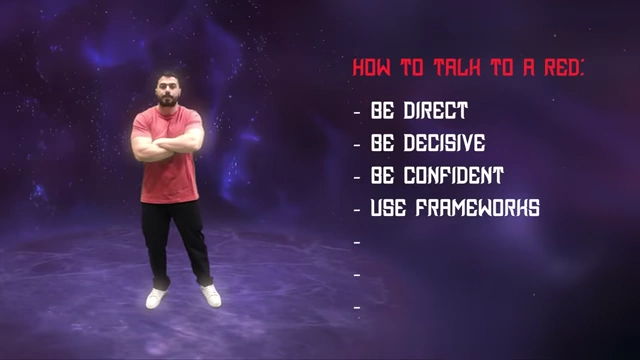
Key strategies for effective communication with a Red personality type [ 00:12:55 ] - Focus on speed, clarity, and results; skip the fluff. [12:58]
- Example: Instead of 147 slides, summarize the top three points and next steps using the P.A.R.A. framework (Point, Action, Result, Ask). [13:11]

The "POINT ACTION RESULT ASK" (P.A.R.A.) framework for communicating effectively with Reds [ 00:13:21 ]
- Be direct, decisive, confident, efficient, and use frameworks. [12:49]
- How to talk to a Yellow: [13:54]
- Be enthusiastic, positive, and engaging. [13:56]

Key strategies for effective communication with a Yellow personality type [ 00:13:57 ] - They thrive on energy, ideas, and stories; keep it light, fun, and creative. [14:19]
- Example: Instead of a 5-hour tutorial, tell them to "hit record, have fun, and work it out." [14:00]
- Be enthusiastic, positive, and engaging. [13:56]
- How to talk to a Green: [14:29]
- Be calm, patient, and supportive. [14:30]

Key strategies for effective communication with a Green personality type [ 00:14:31 ] - They value harmony and reliability; slow down, listen, and avoid pushing. [14:47]
- Example: Instead of "we need to change now," say "we'll move at a comfortable pace, and I'll support you." [14:35]
- Be calm, patient, and supportive. [14:30]
- How to talk to a Blue: [14:56]
- Be precise, structured, and factual. [14:58]
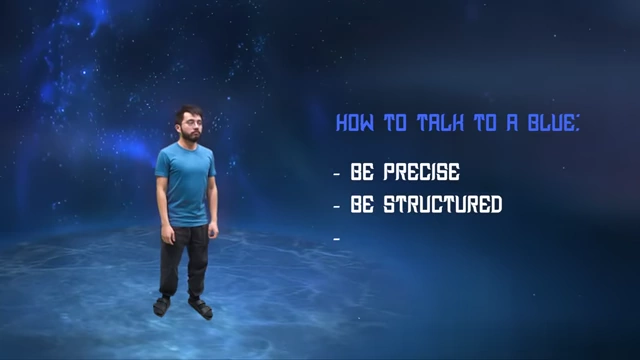
Key strategies for effective communication with a Blue personality type [ 00:15:00 ] - They care about accuracy and process; come prepared, respect details, and avoid exaggeration. [15:15]
- Example: Instead of "don't worry, trust me," provide data and a step-by-step plan for them to review. [15:04]
- Be precise, structured, and factual. [14:58]
How to Connect with 95% of People [15:23]
Adapting your communication style is a powerful tool for broader connection.
- Learning this system doesn't mean changing who you are but adapting your delivery. [15:29]
- Masterful communicators meet people where they are, making connections effortless. [15:37]
- Be dynamic like water, adapting to the "vessel" you're poured into. [15:53]
- We embody all four colors, but tend to default to one; the goal is to learn to speak all of them. [16:10]