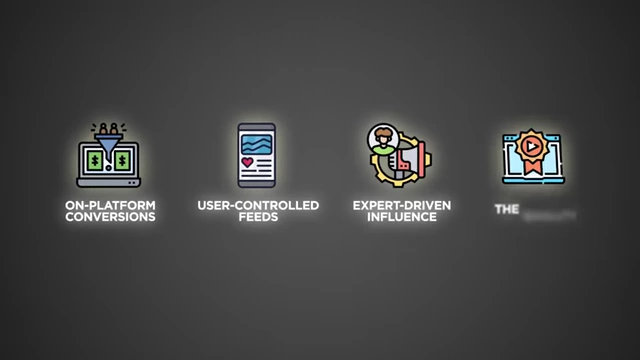
Social Media Marketing Trends for 2026: On-Platform Conversion, User-Controlled Feeds, Long-Form Video, Social Search, Expert Personal Brands, Virtual Influencer Decline, and Quality Content
This video discusses seven major social media marketing trends for 2026, highlighting a shift in power from platforms to users and a focus on quality.
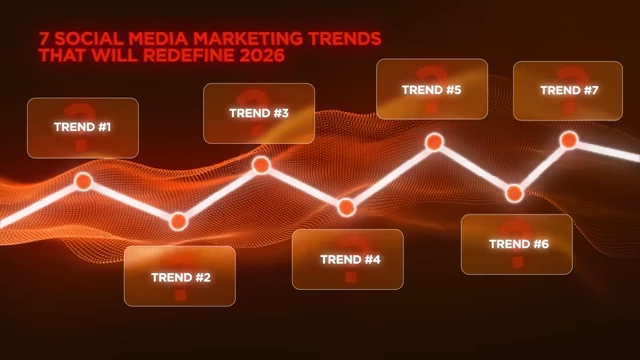
- On-Platform Conversion: Social media platforms are evolving into complete sales ecosystems, driving conversions directly within the app rather than external websites. Businesses must integrate native commerce tools, optimize CTAs for in-app purchases, and redesign funnels for seamless on-platform experiences.
- User-Controlled Feeds: Users gain more control over their feeds by excluding content categories. Brands need to create valuable content, focus on consistent engagement, and diversify themes to avoid being filtered out.
- Long-Form Video Comeback: Audiences are experiencing "dopamine fatigue" from short-form content and are craving depth, storytelling, and real substance, leading to a resurgence in long-form video.
- Social Platforms as Search Engines: Platforms like TikTok, Instagram, and YouTube are becoming primary search engines for Gen Z and other consumers. Content creators must optimize posts with keywords, research trending queries, and prioritize discoverability.
- Expert Personal Brands Replacing Influencers: Brands are shifting from partnering with general entertainers to credible experts with real authority and specialized knowledge in their niches.
- Decline of Virtual Influencers: Audiences are rejecting synthetic personalities due to a desire for genuine human connection and authenticity, leading to a decrease in their effectiveness.
- Social Fatigue and Quality Reset: Viewers are exhausted by mindless, high-volume content, leading to a decline in social media usage. The focus is shifting to quality, meaningful, and story-driven content over quantity.
Social Media Marketing Trends Redefining 2026 [0:00]
The landscape of social media is undergoing its most significant transformation since the rise of short-form video, with power shifting from algorithms to users. This video outlines seven key trends that will redefine social media marketing by 2026.
1. On-Platform Conversion Will Explode [0:23]
For years, the primary goal of social media was to drive traffic to external websites for conversions. This model is being replaced as major platforms become comprehensive sales ecosystems.
- Shift from External Traffic to In-App Sales: Platforms like TikTok, Instagram, YouTube, and Facebook are striving to keep users within their apps for the entire sales journey, from product discovery to checkout.
- Facebook demonstrated success with lead forms, allowing lead capture without leaving the platform.
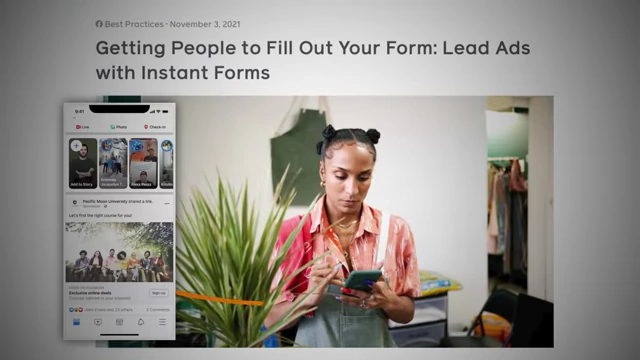
Facebook lead ad showcasing in-app lead capture without leaving the platform [ 00:00:50 ] - Shopify's 2025 update enabled native checkout for TikTok and Instagram, increasing conversions by 20-40% for brands using social commerce stores.
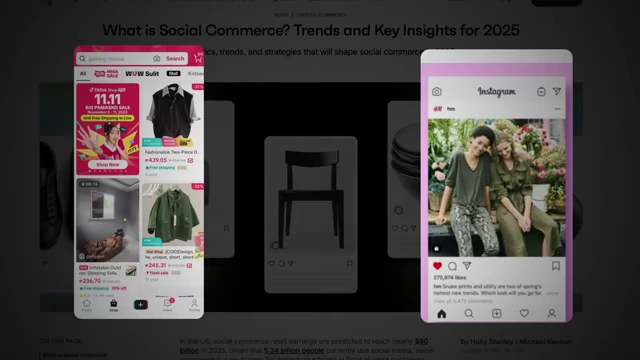
Social commerce platforms like TikTok and Instagram with native checkout functionality [ 00:00:55 ] - The future involves seamless in-app purchases where users can scroll, see a product, buy it, and get confirmation without opening a browser.
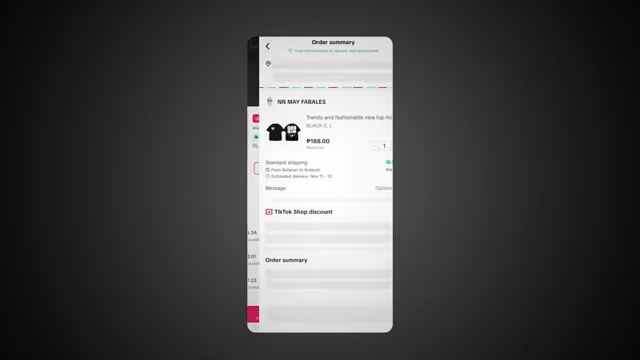
Example of a TikTok Shop order summary for seamless in-app purchasing [ 00:01:08 ] - This model for lead capture, similar to Facebook ads, allows leads to be captured directly on the platform, proving to be more cost-effective.
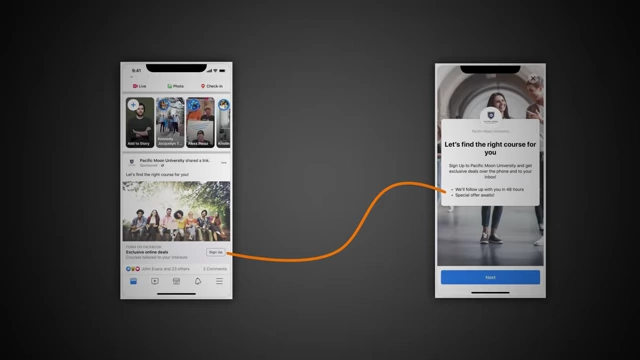
Diagram showing a user flowing from a Facebook ad to an in-app lead form [ 00:01:31 ]
- Facebook demonstrated success with lead forms, allowing lead capture without leaving the platform.
- Strategies for Early Adopters:
- Integrate Native Commerce Tools: Enable TikTok Shop and Instagram Shopping; connect payment systems like Stripe to social checkout. [1:46]
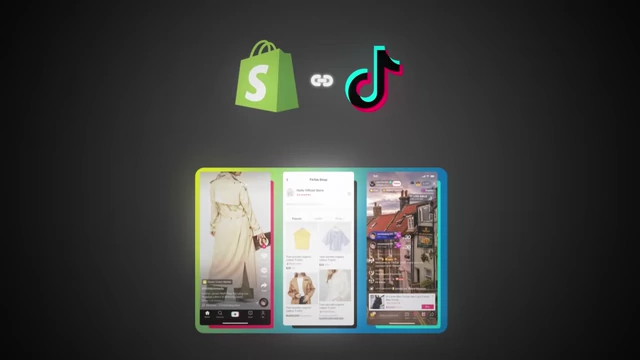
Shopify integration with TikTok for enhanced social commerce [ 00:01:50 ] - Optimize Call-to-Actions (CTAs): Change "visit our website" to "shop now" or "buy here" with native checkout buttons. This also applies to service-based businesses, using comments for information or direct phone calls. [1:56]

Step 2: Optimize calls-to-action for on-platform conversion [ 00:01:57 ] - Redesign Social Funnels: Ensure ads, product pages, and checkout processes work seamlessly within the platform. [2:26]
Step 3: Redesigning social funnels for seamless in-platform experience [ 00:02:27 ] 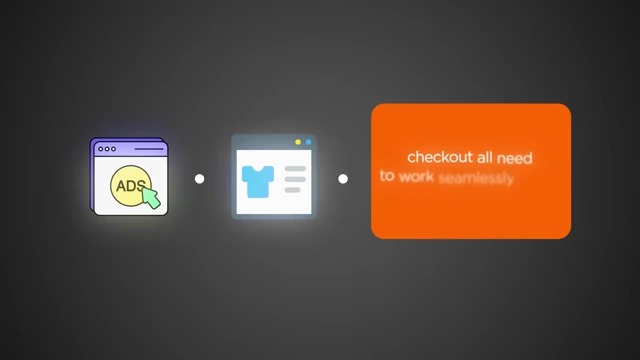
Diagram illustrating a seamless in-platform ad-to-checkout funnel [ 00:02:31 ]
- Integrate Native Commerce Tools: Enable TikTok Shop and Instagram Shopping; connect payment systems like Stripe to social checkout. [1:46]
- Outcome: Brands mastering on-platform conversion will capture the majority of social commerce revenue by 2026.
2. User-Controlled Feeds Are Taking Over [2:43]
Users are gaining unprecedented control over their content feeds, moving beyond passive consumption to actively curating what they see.
- User-Driven Content Filtering: Viewers can now actively tune their feeds to exclude entire content categories and topics.
- Instagram introduced algorithm control tools in January 2025, allowing users to add or exclude interest topics, as confirmed by Adam Mosseri. [3:10]
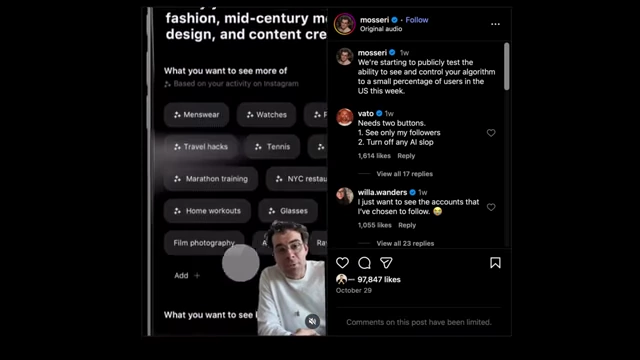
Instagram post by Adam Mosseri discussing algorithm control tools [ 00:03:16 ] - By late 2025, more granular configuration options enable users to suppress specific topics, such as politics or fitness content. [3:24]
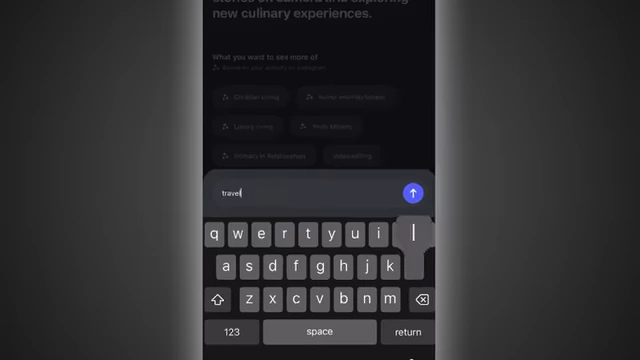
Screenshot of Instagram's "Tune Your Algorithm" feature for adjusting feed preferences [ 00:03:32 ]
- Instagram introduced algorithm control tools in January 2025, allowing users to add or exclude interest topics, as confirmed by Adam Mosseri. [3:10]
- Implications for Creators and Brands:
- Algorithmic favor is diminishing; brands are now competing for intentional attention. [3:40]
- If content doesn't consistently deliver value, reach could significantly drop as users actively suppress content types.
- Adaptation Strategies:
- Create Desirable Content: Produce content that people actively want and seek out, rather than relying on passive discovery. [3:55]
Step 1: Create content people actively want [ 00:03:56 ] - Focus on Consistent Engagement: Regular engagement prevents users from suppressing a content category. [4:01]
Step 2: Focus on consistent engagement, not viral hits [ 00:04:04 ] - Diversify Content Themes: Avoid being too niche, as users can easily filter out narrow content with preference settings. [4:10]
Step 3: Diversify your content themes [ 00:04:10 ]
- Create Desirable Content: Produce content that people actively want and seek out, rather than relying on passive discovery. [3:55]
- Overall Benefit: This shift favors brands that understand and cater specifically to their target audience's preferences.
3. Long-Form Video Is Making a Comeback [4:26]
After years of short-form video dominance, audiences are experiencing "dopamine fatigue" and a growing demand for more in-depth, meaningful content.
- Audience Exhaustion with Short-Form Content: The trend of fast, snackable, dopamine-driven content is fading. Viewers crave depth, storytelling, and real substance. [4:37]
- Evidence of Long-Form Resurgence:
- A September 2025 Upskillist study found that long-form videos generate 10 times more views and five times more meaningful comments than short-form posts. [4:52]
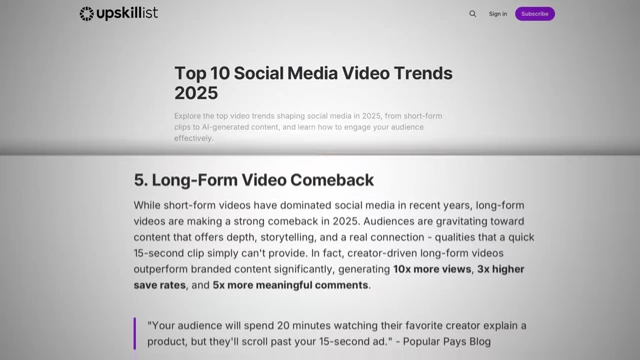
Upskillist study highlighting the superior performance of long-form videos [ 00:04:55 ] - YouTube, a long-form platform, accounts for over 50% of global social watch time. [5:01]
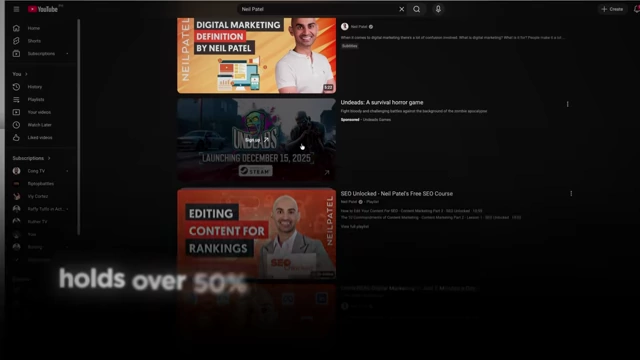
YouTube interface with "holds over 50%" total social watch time globally highlighted [ 00:05:05 ] - TikTok now allows 10-minute uploads, signaling a platform-wide shift. [5:08]
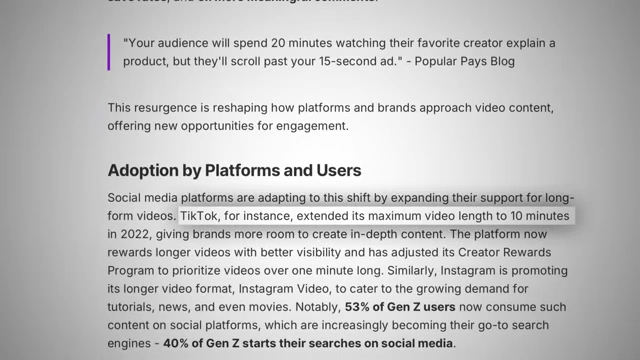
Report text confirming TikTok's extended maximum video length to 10 minutes [ 00:05:10 ] - The rise of "micro-series" shows brands creating narrative-driven content (e.g., "Roomies" drama by a rental management software company). [5:12]
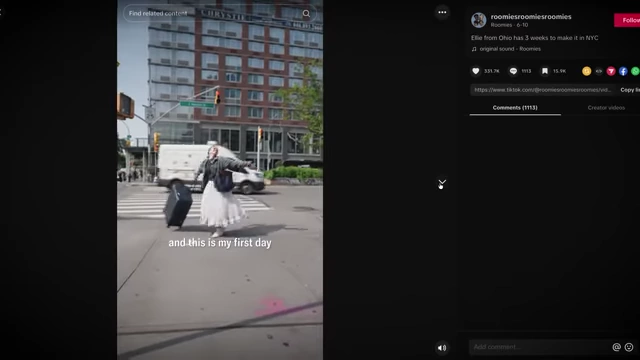
Example of a "Roomies" micro-series on TikTok for engaging storytelling [ 00:05:24 ] - Engaging, relatable storytelling in long-form content captures and retains audience attention more effectively. [5:38]
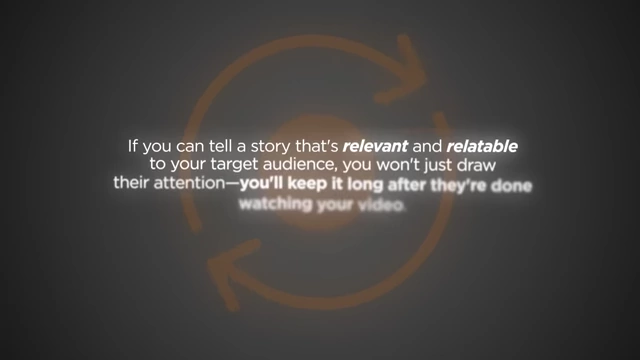
Text emphasizing the power of relevant and relatable storytelling to retain audience attention [ 00:05:42 ]
- A September 2025 Upskillist study found that long-form videos generate 10 times more views and five times more meaningful comments than short-form posts. [4:52]
- Transitioning to Longer Formats:
- Experiment with Longer Videos: Test 3-5 minute videos with storytelling elements, especially if currently focused on Reels and TikToks. [5:50]
Step 1: Experiment with longer formats, like 3-5 minute videos [ 00:05:52 ] 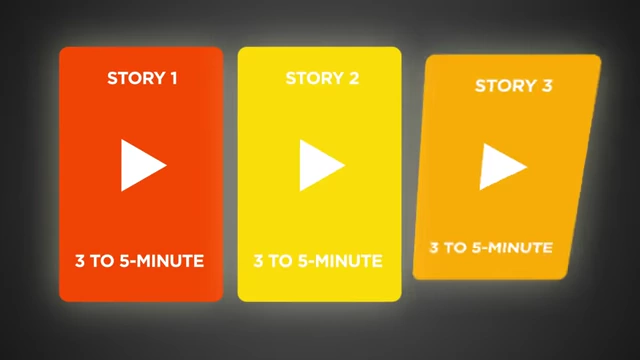
Visualizing a series of 3-5 minute story-driven content pieces [ 00:05:55 ] - Create Serialized Content: Develop narratives that encourage viewers to return for subsequent episodes, treating content like a TV show. [5:57]
- Prioritize Retention Over Virality: Platforms reward watch time. A 5-minute video with 35% retention often outperforms a 30-second video with 40% retention because total watch time is higher. [6:03]
Step 3: Prioritize retention over virality for content strategy [ 00:06:05 ] 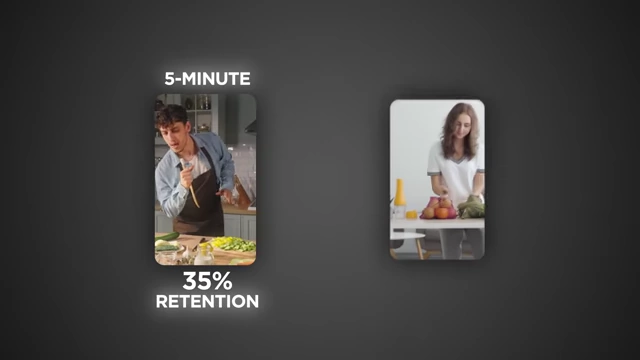
Diagram comparing the total watch time for a 5-minute video with 35% retention versus a 30-second video with 40% retention [ 00:06:12 ]
- Experiment with Longer Videos: Test 3-5 minute videos with storytelling elements, especially if currently focused on Reels and TikToks. [5:50]
4. Social Platforms Are Becoming Search Engines [6:24]
A significant portion of users, particularly Gen Z, are bypassing traditional search engines like Google and heading directly to social platforms for information and discovery.
- Shift in Search Behavior: Large groups of people are using TikTok, Instagram, and YouTube as their primary search engines. [6:30]
- Statistical Support:
- 64% of Gen Z use TikTok for search, and 41% of all US consumers do the same (WARC and Adobe data). [6:42]
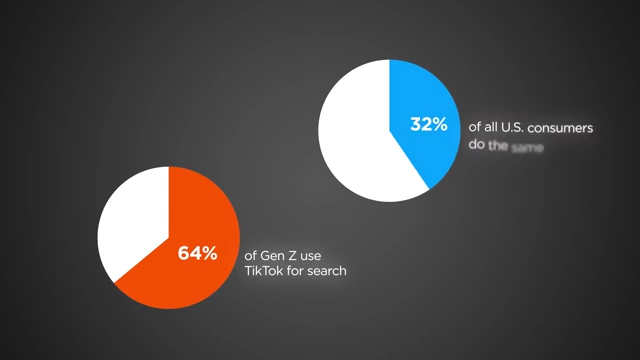
Pie chart showing 64% of Gen Z use TikTok for search, and 32% of all US consumers do the same [ 00:06:47 ] - 40% of Gen Z prefer TikTok or Instagram over Google for product research and how-to queries (Sensible 2025 guide). [6:50]
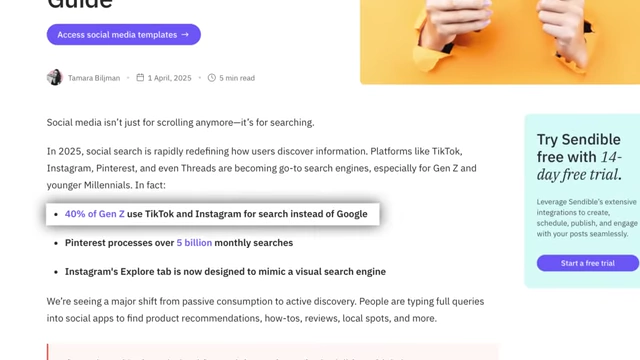
Sensible 2025 guide highlighting that 40% of Gen Z use TikTok and Instagram for search instead of Google [ 00:06:55 ] - Users search TikTok for restaurant recommendations, Instagram for skincare advice, and YouTube for troubleshooting guides. [6:58]
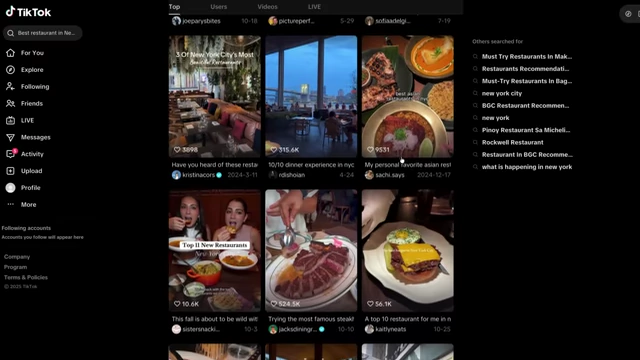
TikTok search results page for "Best restaurant in New York" [ 00:07:00 ] 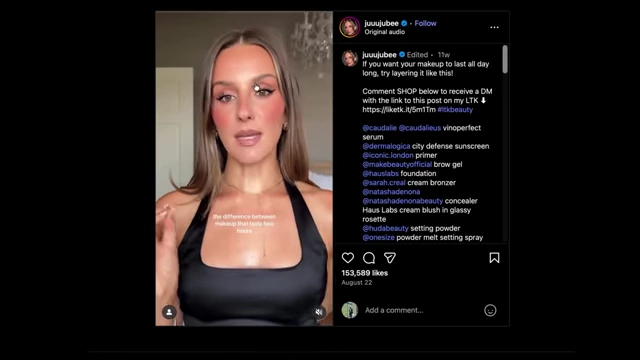
Instagram post offering skincare advice and product recommendations [ 00:07:02 ]
- 64% of Gen Z use TikTok for search, and 41% of all US consumers do the same (WARC and Adobe data). [6:42]
- Platform Adaptations: Social platforms are indexing video titles, captions, spoken words, and comments. TikTok's creator dashboards now display search keywords. [7:06]
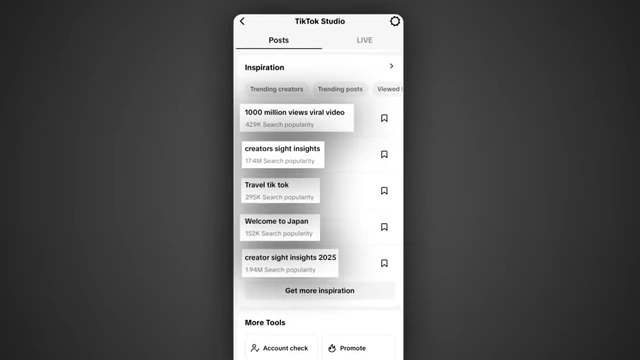
TikTok Studio dashboard displaying search keywords that drive traffic to creator content [ 00:07:13 ] - SEO Optimization for Social Media:
- Treat Every Post as SEO: Integrate keywords into captions, video titles, and descriptions, similar to Google SEO. [7:30]
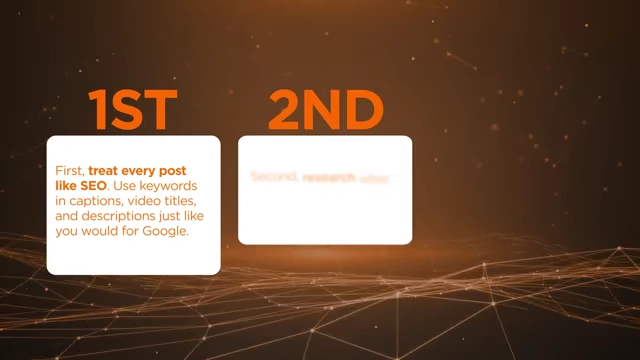
Step 1: Treat every social post like SEO by using keywords in captions, titles, and descriptions [ 00:07:36 ] - Research Platform-Specific Searches: Use TikTok's search insights or tools like Answer the Public to identify trending queries and create content around them. [7:36]
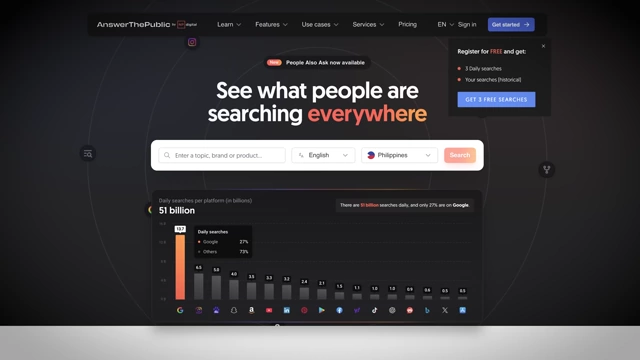
Interface of "Answer the Public" for identifying trending search queries across platforms [ 00:07:44 ] 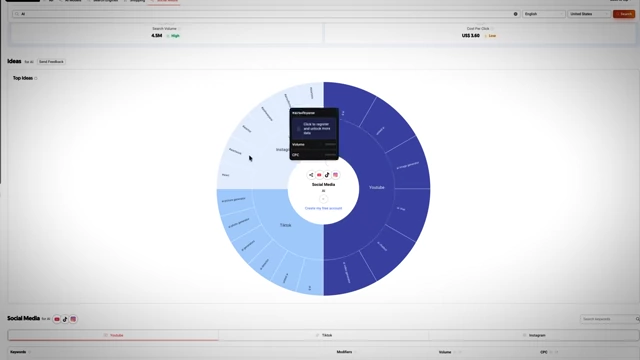
Radial chart from "Answer the Public" showing search trends for social media platforms [ 00:07:48 ] - Optimize for Discoverability: Content that ranks in search drives views for months or even years, not just days, fostering sustained visibility over immediate engagement. [7:51]
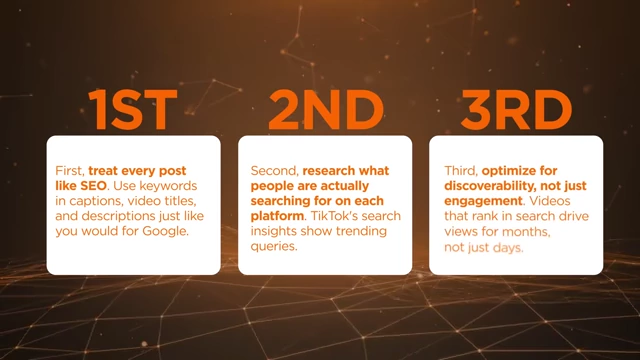
Three-step guide for optimizing social media content for search and discoverability [ 00:07:56 ]
- Treat Every Post as SEO: Integrate keywords into captions, video titles, and descriptions, similar to Google SEO. [7:30]
5. Expert Personal Brands Are Replacing Influencers [8:12]
The traditional influencer marketing model, focused on individuals with large audiences regardless of expertise, is giving way to a demand for credible subject matter experts.
- Decline of Generic Influencers: Brands are less interested in entertainers with large follower counts and more in authoritative experts. [8:15]
Icon representing a generic entertainer, highlighting the shift away from them [ 00:08:26 ] - Demand for Expertise: LinkedIn and Thinkers 360 reports indicate a surge in demand for expert-led personal brands. [8:28]
- Focus on Specificity: Brands seek specialists—top voices in specific industries (e.g., B2B SaaS, sustainable fashion, financial literacy). [8:40]
- Value of Niche Authority: A creator with 50,000 highly engaged, authoritative followers in a niche is more valuable than a generic influencer with 1.5 million followers. [8:51]
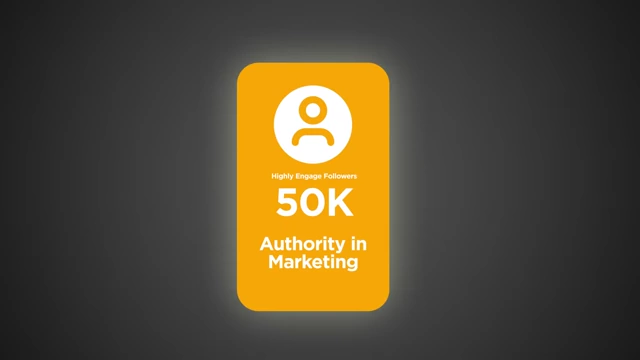
Visual illustrating the value of a creator with 50K highly engaged followers and authority in a niche [ 00:08:56 ] - Strategies for Brands and Creators:
- For Creators: Specialize in a niche and become its undisputed expert. [9:06]
Step 1: If you're a creator, become known for something specific [ 00:09:09 ] - For Brands: Prioritize partnering with individuals who possess genuine authority and expertise in their industry over those with just large follower counts. [9:12]
Step 2: If you're a brand, stop chasing follower counts and focus on real authority [ 00:09:15 ] - Explore Co-Branded Products: Move beyond endorsements to customized products developed in partnership with experts. [9:18]
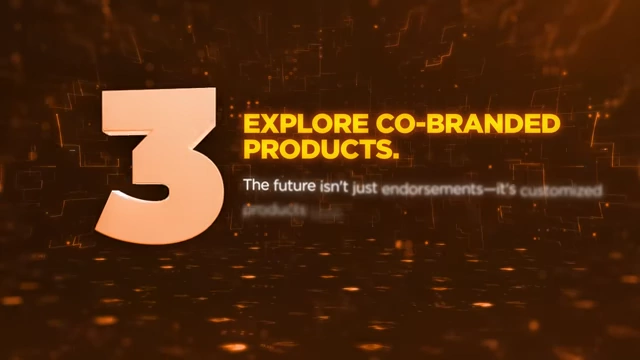
Step 3: Explore co-branded products built in partnership with experts [ 00:09:21 ]
- For Creators: Specialize in a niche and become its undisputed expert. [9:06]
- Outcome: Expert-driven personal brands will dominate in 2026, while entertainers lacking real expertise will quickly lose relevance.
6. Virtual Influencers Are Dying [9:31]
The once-promising trend of virtual influencers and AI personalities is being rejected by audiences who crave authentic human connection.
- Audience Rejection: Digital avatars and AI personalities are failing to resonate, with audiences actively rejecting this trend. [9:37]
- Lack of Authenticity: Synthetic personalities are likened to frustrating automated customer service systems—they provide information but lack genuine connection. [9:47]
- Data Confirmation: A World Federation of Advertisers survey found 60% of brands have no plans for virtual influencers, citing concerns over low authenticity and poor engagement. [10:05]
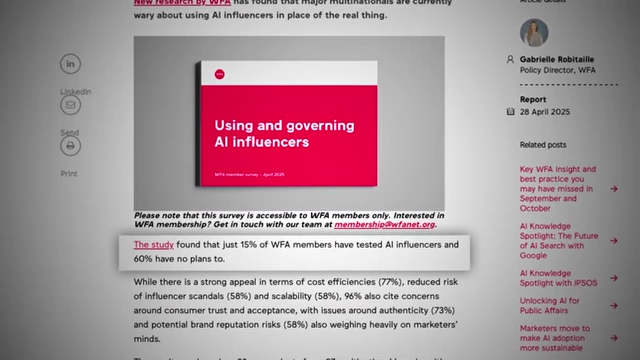
World Federation of Advertisers survey results indicating low brand interest in virtual influencers due to authenticity concerns [ 00:10:10 ] - Human Connection Imperative: People desire genuine, authentic human connection over synthetic perfection; AI-generated content cannot replace this. [10:01]
- Brand Strategy:
- Stop Investing in Virtual Influencers: The ROI is not present, and audiences lack trust. [10:25]
Action point: Stop investing in virtual influencers [ 00:10:27 ] - Double Down on Real Creators: Human and relatable content performs better. [10:31]
Action point: Double down on real, authentic creators [ 00:10:32 ] - Focus on Emotional Connections: Content that evokes feeling consistently outperforms purely aesthetic content. [10:37]
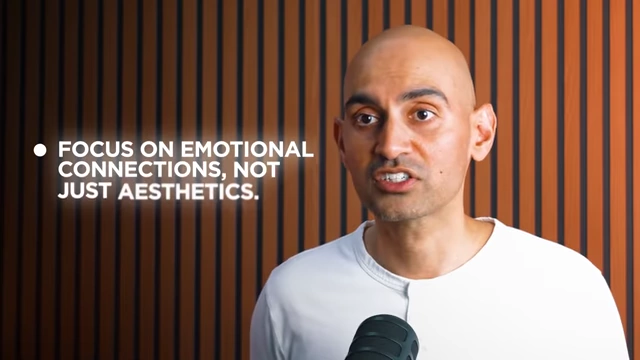
Action point: Focus on emotional connections, not just aesthetics [ 00:10:39 ]
- Stop Investing in Virtual Influencers: The ROI is not present, and audiences lack trust. [10:25]
7. Social Fatigue and The Quality Reset [11:03]
Viewers are becoming exhausted by constant scrolling and mindless content, leading to a decline in social media usage, particularly among Gen Z. This necessitates a shift from volume-driven content to quality-driven, meaningful experiences.
- Viewer Exhaustion: The previous goal of maximizing engagement through retention-based tactics is now seen as insulting and annoying by viewers. [11:06]
- Decline in Usage: Gen Z is pulling back from social media, with usage flattening after years of growth, and nearly half reducing use due to content fatigue (Crowd Pink 2025 report). [11:14]
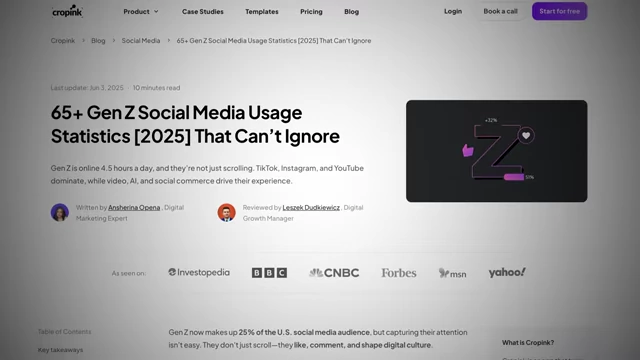
Crowd Pink 2025 report showing Gen Z social usage flattening and content fatigue [ 00:11:32 ] - The content landscape is shifting from "junk food" (empty calories) to "nutrient-dense food" (substance).

Analogy comparing junk food (left) to nutrient-dense food (right) in content consumption [ 00:11:42 ] 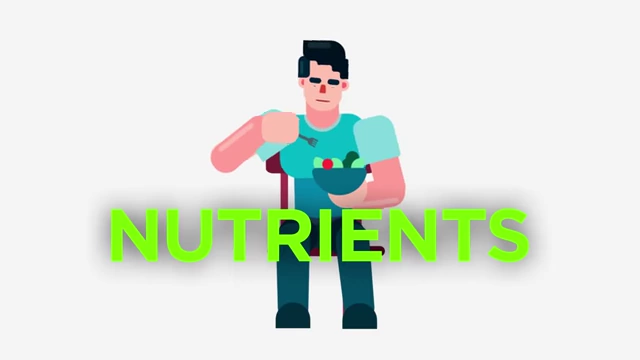
Illustration of a person eating healthy food, emphasizing the need for nutrients and substance in content [ 00:11:47 ]
- The content landscape is shifting from "junk food" (empty calories) to "nutrient-dense food" (substance).
- Quality Over Quantity: This is a fundamental shift from a volume-based content strategy ("post as much as possible") to one where quality beats quantity. One meaningful piece of content is more effective than ten shallow posts. [11:52]
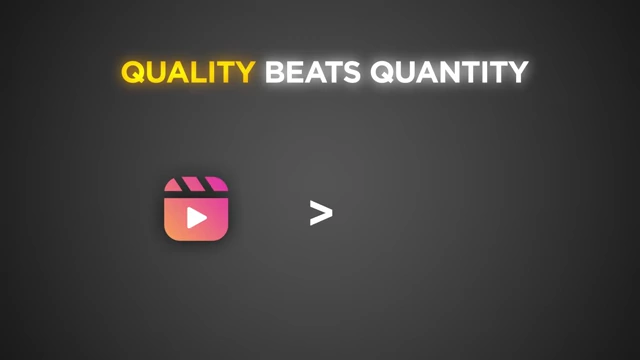
Visual demonstrating that quality beats quantity in social media content [ 00:11:59 ] - Injecting Meaning into Content:
- Audit Content for Substance: Evaluate if content teaches, inspires, or is meaningful to the audience. If not, don't post. [12:05]

Step 1: Audit your content for substance [ 00:12:06 ] 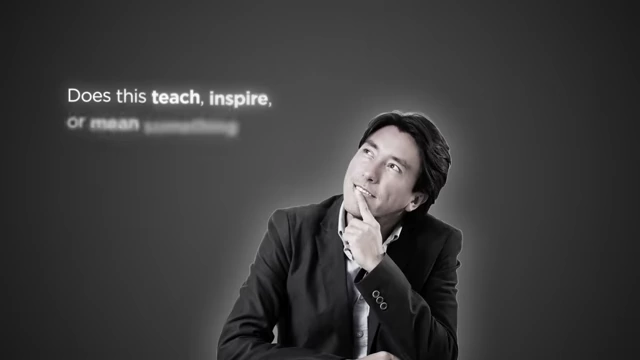
Visual encouraging creators to ask if their content teaches, inspires, or means something to the audience [ 00:12:09 ] - Prioritize Depth over Frequency: Two high-quality posts weekly are more impactful than seven mediocre ones. [12:13]
Step 2: Prioritize depth over frequency in content creation [ 00:12:13 ] 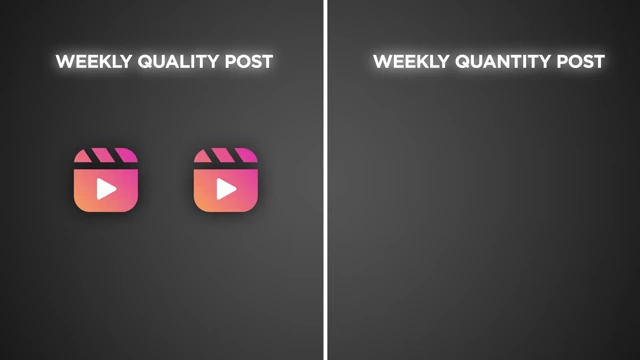
Comparison showing two high-quality weekly posts are more impactful than a higher volume of mediocre posts [ 00:12:16 ] - Focus on Narrative and Storytelling: Compelling stories always cut through the noise and resonate with audiences. [12:18]
Step 3: Focus on narrative and storytelling to create compelling content [ 00:12:19 ]
- Audit Content for Substance: Evaluate if content teaches, inspires, or is meaningful to the audience. If not, don't post. [12:05]
- Conclusion: 2026 rewards brands and creators who deliver meaning and substance. The quality reset is a permanent shift, and adapting to these changes is crucial for market dominance. [12:23]