Spend Your Money NOW - Before It’s Too Late! (Bill Perkins Final Warning)
Bill Perkins advocates for a life philosophy centered on maximizing fulfillment by spending money on experiences while one is young and healthy, rather than endlessly saving for an uncertain future. He emphasizes that money is a tool for living, not a goal in itself, and its utility diminishes with age as physical and mental capabilities decline. Perkins encourages individuals to proactively plan desired life experiences across different age periods, considering their biological age and health alongside their financial resources. He argues that delayed gratification indefinitely leads to no gratification, and the true wealth lies in accumulating "memory dividends" from lived experiences. Perkins also advises against common financial fears, especially for those with high earning potential, and critiques extreme saving movements like FIRE for often missing the core purpose of money: to live a fulfilling life.

When Life Really Begins [00:01:05]
Bill Perkins introduces his core philosophy, stating that people often live as if they have endless lives, but true living begins when one realizes they only have one ride on this planet.
- This realization prompts individuals to take life more seriously, care less about external opinions, and actively pursue what they truly desire.
- He contrasts his philosophy with traditional advice of saving for "golden years," arguing that such delayed gratification often leads to no gratification due to physical decay.

The hands of an elderly person resting on a cane symbolize physical decay and the diminishing capacity to enjoy experiences with age. [ 00:00:32 ] - Fear-based thinking about the future can rob individuals of their current life and its unique opportunities, especially when health and mental acuity are at their peak.

A person heli-skiing down a snowy mountain illustrates youthful activities best enjoyed while physically capable. [ 00:02:42 ]
How He Got Rich [00:03:07]
Bill Perkins made his significant capital as a commodities broker and trader, primarily in natural gas.
- He views money as a fungible representation of time, allowing one to exchange a few hours of their own time for many hours of others' time (through goods and services).
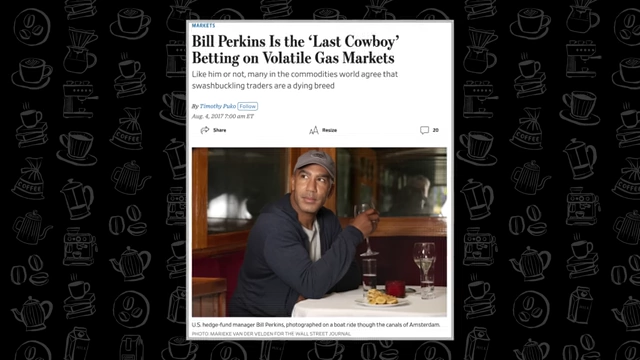
A Wall Street Journal article highlights Bill Perkins as 'The Last Cowboy' betting on volatile gas markets. [ 00:03:17 ] - His early motivation was to achieve financial freedom quickly to avoid being limited by price or needing to be frugal.
Why He Succeeded & Lessons from Books [00:04:45][00:08:16]
Perkins attributes his success as a trader and in life to:
- Curiosity and Stoicism: The ability to remain calm and think rationally even amidst significant losses or adversity.
- He cultivated this stoicism partly through childhood experiences with overt racism, which taught him not to care about others' negative opinions, including his own self-criticism.
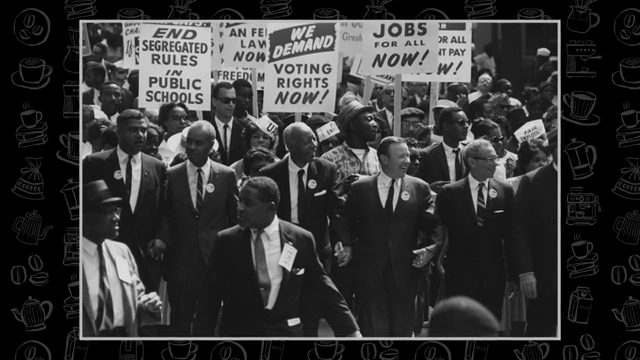
Civil Rights marchers hold signs for equality and jobs, illustrating the historical context of overt racism during Bill Perkins' youth. [ 00:07:04 ] - This detachment from ego and outcome allows for better decision-making and enjoying the process.
- He recommends books like "The Daily Stoic" for training this mindset.
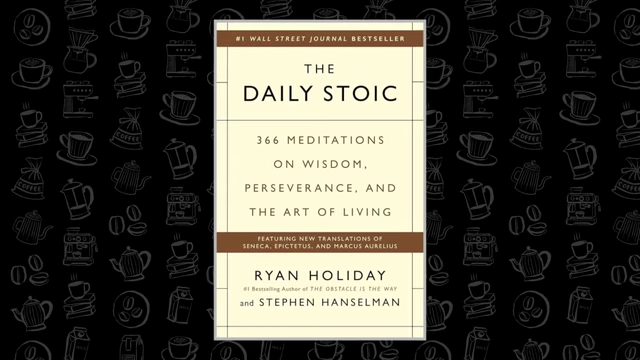
The cover of "The Daily Stoic" by Ryan Holiday and Stephen Hanselman. [ 00:06:23 ]
- He cultivated this stoicism partly through childhood experiences with overt racism, which taught him not to care about others' negative opinions, including his own self-criticism.
- "The Four Agreements": This book taught him "don't take it personal," which he considers a superpower, especially for trading.
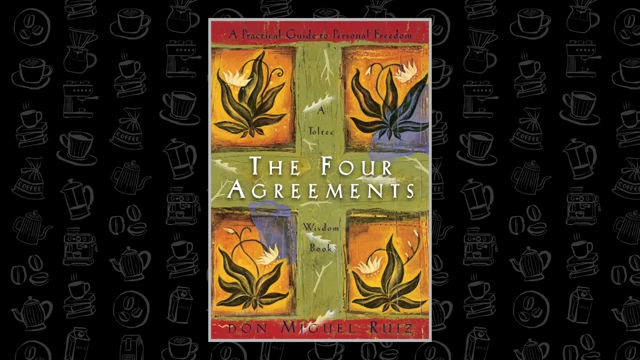
The cover of "The Four Agreements" by Don Miguel Ruiz. [ 00:07:57 ] - "Your Money or Your Life": This book fundamentally shifted his perspective on money, defining it as exchanged life energy (time).
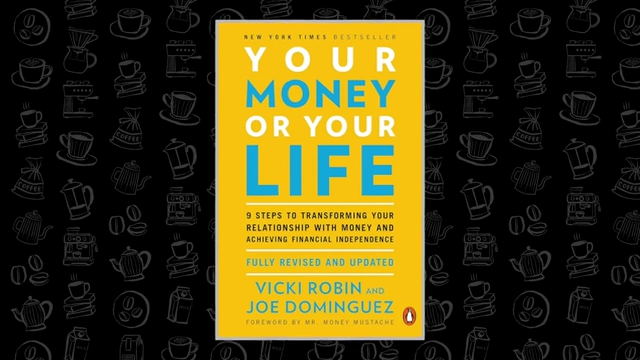
The cover of "Your Money or Your Life" by Vicki Robin and Joe Dominguez. [ 00:15:46 ] - He practiced the book's didactic exercises, meticulously tracking income and expenses in terms of hours of his life.
- This led him to understand the true "yield on fulfillment" from spending, not just the monetary cost.
Net Worth, Life Expectancy, and the Utility of Money [00:09:13][00:12:33]
Perkins discusses the concepts of net worth peaks and life expectancy relative to money's utility.
- Net Worth Estimates: While Google estimates his net worth over $100 million, he states it fluctuates and prefers not to publicize it.
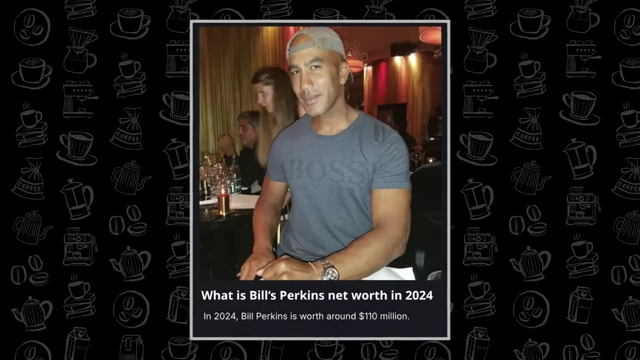
A Google search result states Bill Perkins' net worth in 2024 is around $110 million. [ 00:09:20 ] - His philosophy suggests that one's net worth should peak around their biological prime and then decline as they spend it down, aiming to "die with zero."
- Biological Age vs. Chronological Age: The ability to convert money into fulfilling experiences declines with age due to physical and mental decay.
- For example, older individuals may struggle with long international flights or physically demanding activities like hiking.

People explore the Louvre Museum in Paris, highlighting travel that requires physical activity. [ 00:11:36 ] - He consults with health professionals like Peter Attia to understand his biological age and projected health trajectory, informing his spending decisions.

Peter Attia, a prominent figure in health and longevity. [ 00:12:14 ] - The core principle is that the "net worth peak is not a number, it's a date" tied to one's health and ability to enjoy life.
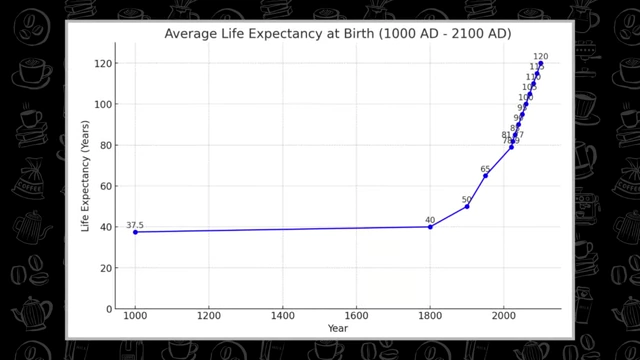
A graph showing average life expectancy at birth from 1000 AD to 2100 AD, indicating a significant increase over time. [ 00:12:47 ]
- For example, older individuals may struggle with long international flights or physically demanding activities like hiking.
Feeling Rich vs. Being Rich [00:13:14]
Perkins felt rich at age 22, the moment he earned more money than his mother, even though he was not yet a millionaire.
- The feeling of an "upward trajectory" and having "discretionary income" to take a girl on a date or pay for things was incredibly exhilarating.

A news headline discusses "Buppies" (Black Urban Professionals) as models of Black success. [ 00:14:15 ] - He became a millionaire by his late 20s.
Why Natural Gas? [00:15:06]
He chose to trade natural gas because it was a new, growing commodity on the New York Mercantile Exchange with less established competition compared to older markets like crude oil.
- A digital display shows "Natural Gas" with a positive percentage change, illustrating the commodity he traded.][14]
Saving vs. Spending Joy [00:23:02]
Perkins argues that people who derive more fulfillment from saving than spending often do so out of fear, leading to a sub-optimal life.
- Delayed Gratification vs. No Gratification: Saving money endlessly, without converting it into experiences, means the "reward" of working is never truly realized.
- Money as a Tool: Money is like a tool (hammers and saws); collecting them without building anything is wasteful.
- Expiring Options: The "options" of what money can buy (experiences) expire as health and time decline.
- He emphasizes "many deaths" throughout life: the single you, the you with small kids, the you who can sprint, and the you who never will again. Each period has optimal activities that cannot be postponed.
- Saving for nebulous "options" is often just fear-based thinking or laziness, avoiding the work of identifying what truly brings fulfillment.
- Memory Dividends: Experiences create lasting memories that provide "memory dividends" throughout life. Delaying experiences too long reduces these dividends.
Drawing the Line on Spending [00:26:25]
Deciding where to draw the line on spending is highly individualized and depends on one's expected future income and health.
- Prioritize Youthful Activities: Activities requiring physical prowess (e.g., heliskiing, hiking Kilimanjaro) should be prioritized when young. More sedentary activities can be saved for later life.
- Life as Tetris: Life requires ordering activities correctly to "get the high score" of fulfillment.
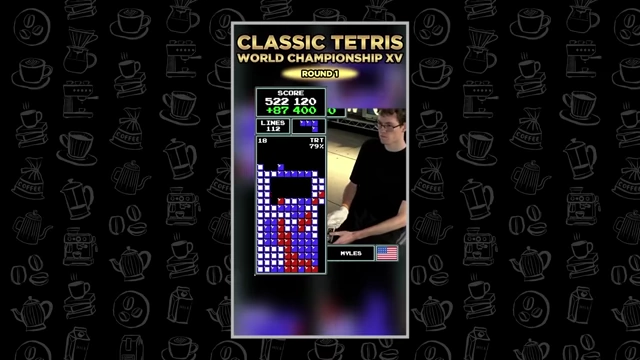
A Tetris game board displaying a high score. [ 01:02:37 ]
Fear of Death [00:28:07]
Confronting the reality of one's eventual death and physical decay is crucial for living an intentional life.
- This awareness cuts through ego and forces individuals to prioritize what truly matters.
- Just as a vacationer in a new city explores actively because time is limited, one should live life actively, knowing it won't last forever.
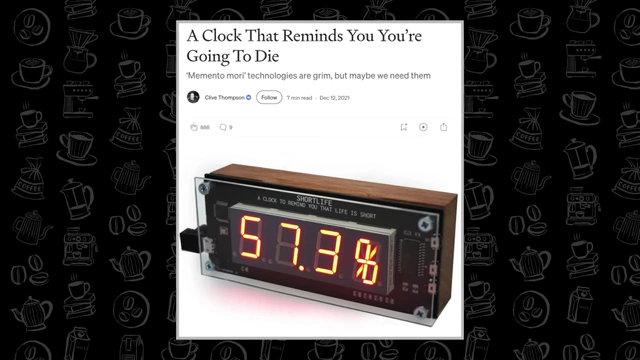
A digital clock displays "57.3%", with the caption "A Clock That Reminds You're Going to Die." [ 00:45:28 ]
Does Money Bring Happiness? [00:30:36]
Perkins believes money does buy happiness, but only if you know how to use it as a tool for fulfillment.
- Tools for Happiness: Giving someone a lot of money without the knowledge to use it for happiness is like giving a builder tools without knowing how to build a house.
- Diminishing Returns: The point of diminishing returns for money is person-specific, as desires and discovered wants grow with increased resources.
- For example, experiencing a superyacht might create a new "want" that requires more money.

A large, luxurious superyacht cruises through blue waters, with someone wakeboarding behind it. [ 00:00:43 ]
- For example, experiencing a superyacht might create a new "want" that requires more money.
- Beyond Needs: In the Western world, people operate on wants, not just needs. Money helps explore and fulfill these wants.
Best ROI Purchases [00:37:10]
Experiences, especially those shared with others, offer the highest return on investment for happiness.
- Shared Experiences: Games, hikes, travel tours, and activities like wake surfing (his personal favorite) create lasting "memory dividends."

Two people enjoy wake surfing behind a boat on clear blue water. [ 00:00:36 ] - His $300,000 wake surf boat is seen as a high-ROI purchase due to the numerous shared memories and joy it generates with friends and family.
- Jack explains that Graham spent $40,000 on a two-day trip for his online group, showing high-cost group experiences.
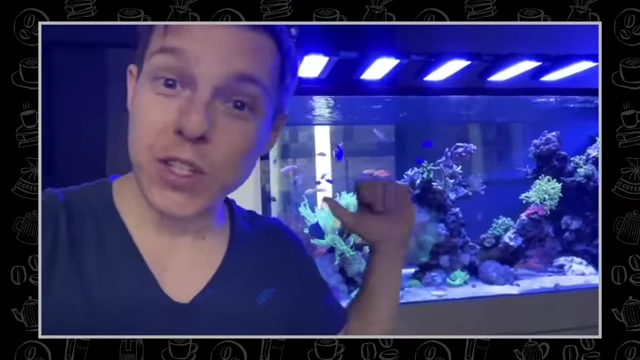
Graham Stephan stands in front of a vibrant aquarium, a significant personal purchase. [ 01:13:07 ] - Jack mentions that Graham also enjoys collecting items like expensive cars and watches.
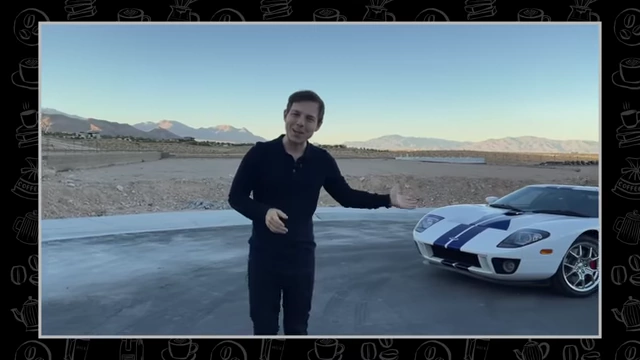
Graham Stephan poses next to a white Ford GT with blue racing stripes. [ 01:13:51 ] 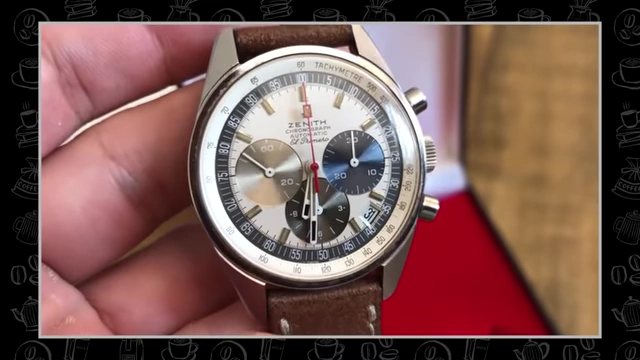
A close-up shot of a sophisticated Zenith chronograph watch with a brown leather strap. [ 01:13:53 ] - Simple activities like playing card games with friends can also provide high fulfillment.

A group of friends gathers around a coffee table, playing a card game, illustrating shared experiences. [ 00:39:57 ]
- Focus on Connection: Humans are "wired to connect," so activities fostering connection bring significant fulfillment, regardless of cost.

Two toddlers joyfully dancing in a living room. [ 00:39:12 ]
Money Optimization Blueprint [00:43:01]
Perkins outlines a 4-step blueprint for optimizing one's life through money:
- Estimate Your Death Date: Use actuarial tables or doctor's assessments to get a realistic range of your life expectancy and health trajectory.
- Break Life into Periods: Divide your life into 5- or 10-year "time buckets."
- Envision Desired Experiences: For each period, write down the type of life you want to live (spiritually, physically, activities). Include specific goals (e.g., seeing a child graduate, traveling to Japan).
- He emphasizes that preferences and desires evolve over time, citing his discovery of luxury train tours.
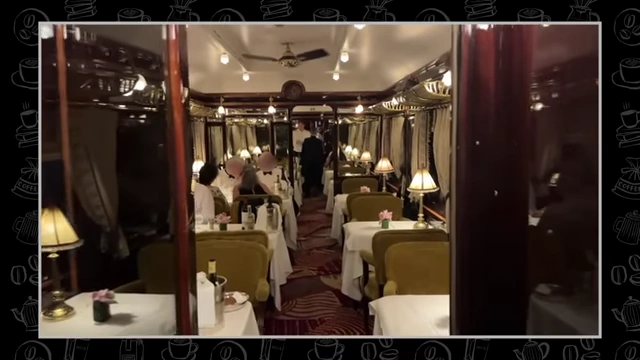
The elegant dining car of a luxury train, with finely set tables and chandeliers. [ 00:52:49 ] 
A scenic view of a luxurious train traveling through a green countryside. [ 00:53:01 ] - Allow for Discovery: Recognize that future desires may change; leave room for new discoveries and continually update your plan.
- The ultimate goal is to define what you want from life before considering money, then allocate resources to pursue those fulfilling experiences.
Writing the Book and Breaking His Own Rules [00:47:49][00:49:32]
- "Die With Zero" Creation: The book took 18 months to write, though the ideas developed over a lifetime. His goal was to "save lives" by helping people live more fulfilling lives rather than wasting them by over-saving.
- Autopilot is the Default: He admits he often falls into autopilot mode and needs reminders (from his wife or his own book) to stay intentional. Autopilot is efficient for survival but hinders thriving.
Advice for Low Earners and Trying New Things [00:50:58][00:52:26]
- Prioritize Health: For everyone, especially low earners, health is the single biggest determinant of fulfillment and can be maintained with little to no money (walking, hiking, healthy eating).
- Conscious Choices: Focus on making conscious choices that provide the most fulfillment within one's budget, even if it's small.
- Continual Discovery: Actively seek new experiences (e.g., luxury train tours) to discover what brings joy, as preferences evolve over time.
Biggest Waste of Money & Worst Financial Mistakes [00:53:13][00:54:53]
- Luxury Cars: Early in his wealth, he spent heavily on high-end cars (Lamborghini, McLaren) but found them unfulfilling and awkward to drive, realizing he was buying a lifestyle advertised, not one he genuinely wanted.
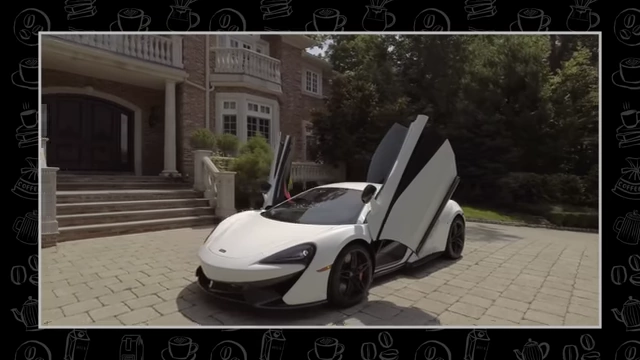
A white McLaren sports car with its distinctive dihedral doors open, parked in a driveway. [ 00:53:34 ] - Failed Infrastructure Project: Lost a significant amount of money on a large infrastructure project in El Salvador and California due to a rigged contract.
- Movie Investing Regrets: Invested in film production debt, thinking it was safe, but was wiped out. He learned that independent film projects are rarely profitable; people invest for passion or connections, not financial returns, unless they have major studio distribution.
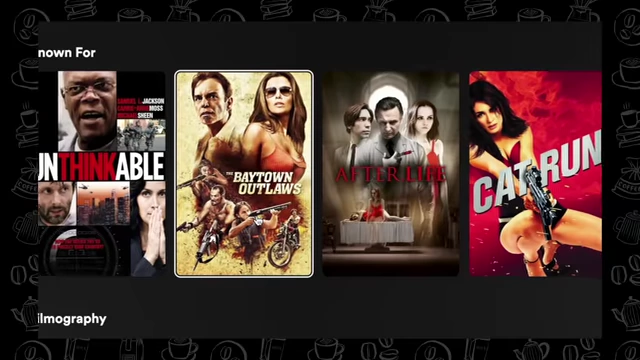
A collection of movie posters including 'Unthinkable', 'The Baytown Outlaws', 'Cat Run', and 'Dark Under the Stars'. [ 00:55:18 ]


Maximizing Different Life Periods [00:59:59]
- Maximize Your 20s: Focus on creating shared experiences and moments with friends, as core friend groups often disperse due to life changes. These "memory dividends" are invaluable.
- Jack recalls going out for a nice dinner with friends in Las Vegas, a shared experience he valued.

A group of five young men smiling and posing for a photo around a dining table in a restaurant. [ 00:58:51 ]
- Jack recalls going out for a nice dinner with friends in Las Vegas, a shared experience he valued.
- Spending with Low Income (Young): For young individuals with increasing future income, the fulfillment return from experiences often outweighs the financial return from small savings. It's about taking from your "poorer self" to benefit your "future rich self" by living now.
- He refers to the "older couple asleep in the gondola" meme as an example of delaying experiences too long.

An older couple is asleep in a gondola, with a gondolier in the background. [ 01:03:04 ]
- He refers to the "older couple asleep in the gondola" meme as an example of delaying experiences too long.
Over vs. Underspending & Intentionality [01:11:10][01:14:32]
- Underspending is More Dangerous: His biggest fear is wasting his life by underspending, especially for those who can easily recover financially (e.g., intelligent, skilled individuals).
- He gives the example of Bryan Johnson, who is extremely healthy but might be missing out on fulfillment.
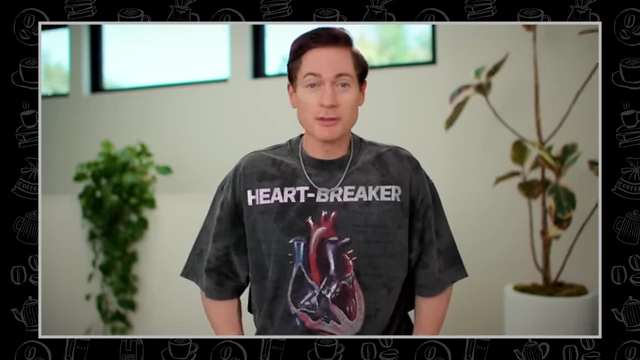
Bryan Johnson, known for his extreme longevity regimen, wearing a "Heart-Breaker" t-shirt. [ 00:59:25 ]
- He gives the example of Bryan Johnson, who is extremely healthy but might be missing out on fulfillment.
- Intentionality: The core of his philosophy is living an intentional, conscious life, making deliberate choices about how to allocate time, health, and money for maximum fulfillment.
- Life as Discovery: A fulfilling life involves continuous discovery of new interests, people, and experiences.
Raising Humble Kids & Inheritance [01:17:32][01:20:11]
- Avoid Stifling Creativity: Giving too much money to children can stifle their creativity, grit, and understanding of necessity, which are crucial for navigating life.

Bill Perkins poses with his two daughters under a tree. [ 01:17:42 ] - Inter-Vivos Transfers (Not Bequests): Instead of leaving a large inheritance upon death, give money to children when it will have the most utility and impact on their lives (e.g., for education, starting a business, travel).
- This approach protects the money from personal financial mistakes and ensures it's used when it can create the most fulfillment, rather than waiting until the recipients are elderly and less able to enjoy it.
Investment Philosophy & Entrepreneurship Advice [01:24:32][01:27:03]
- High-Risk Investments: Perkins invests in high-risk ventures like futures, venture capital, and private placements, acknowledging he is not a role model but an inspiration. He has recently scaled back on illiquid investments due to his age.
- Entrepreneurship: Advises aspiring entrepreneurs to assess if they are truly "cut out" for the high risk and stress involved. Execution is key, not just ideas. Entrepreneurs must be comfortable with the possibility of business failure and personal financial setback.
Lessons from Dan Bilzerian [01:28:44]
Perkins learned from Dan Bilzerian that excessive fame can be detrimental.
- Fame vs. Fulfillment: Extreme fame robs one of anonymity and the ability to enjoy normal life experiences and authentic connections.
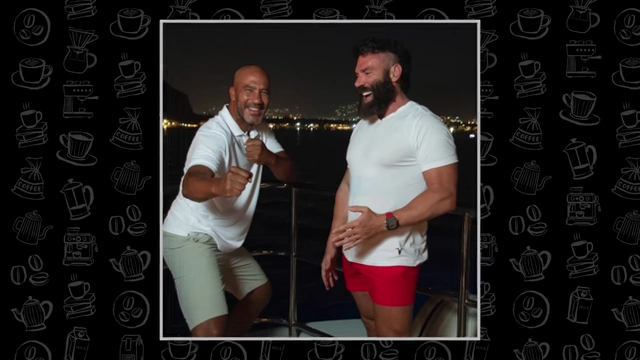
Bill Perkins and Dan Bilzerian pose together on a boat at night. [ 01:28:53 ] - Fame as an Attractant: Fame is a far more powerful attractant than money, but its cost is personal freedom and privacy.
- He uses the example of Prince, who was short but famous.
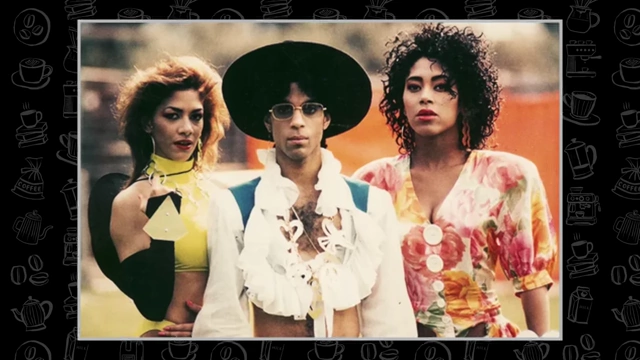
A photo of the musician Prince, who was known for his short stature. He is flanked by two women. [ 01:31:46 ]
- He uses the example of Prince, who was short but famous.
Most Impactful Fan Stories [01:32:50]
The most impactful stories he hears from readers are about people who "needle-scratched" their lives (got off autopilot) and started living intentionally, prioritizing family time, travel, and personal pursuits.
- Bill Perkins is also known for playing poker.
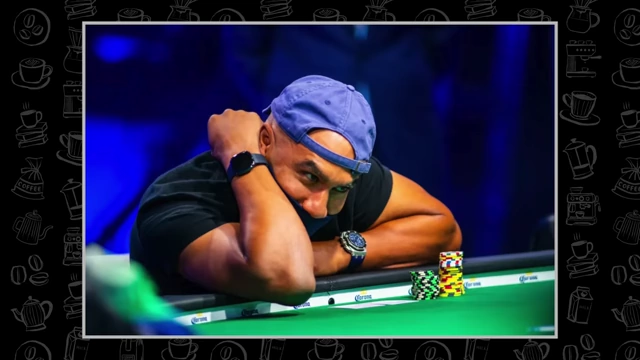
Bill Perkins, wearing a black shirt and a baseball cap, is leaning on a poker table with poker chips in front of him. [ 01:33:06 ]
Best Health ROIs & Skincare [01:36:11][01:37:19]
- Health ROI: Walking and hiking offer the highest return on health for their low cost and ability to be combined with social interaction and nature appreciation.

A hiking trail winds through hills with a city skyline in the background. [ 01:36:35 ] - Simple Skincare: He attributes his youthful appearance to good genetics, not smoking/heavy drinking, being vegetarian, and simple hydration (e.g., Vitamin E oil).
Why The Iced Coffee Hour Podcast Started [01:38:46]
The hosts, Graham Stephan and Jack, started the podcast to connect more candidly with their audience, inspired by Joe Rogan's podcast success. They wanted a less scripted format than Graham's main finance channel.
Travel Preferences [01:48:07]
- Favorite Places: Japan (for its distinct modern culture), Italy, Greece, Croatia (for European charm and history), Denmark and Amsterdam (in summer).

A scenic street in Kyoto, Japan, with traditional wooden buildings and a pagoda in the distance. [ 01:48:23 ] 
A breathtaking panoramic view of the Tokyo skyline at dusk, with Mount Fuji in the background. [ 01:48:25 ] 
Two Geisha women in traditional kimonos sit across from each other, engaged in a conversation or performance. [ 01:48:27 ] 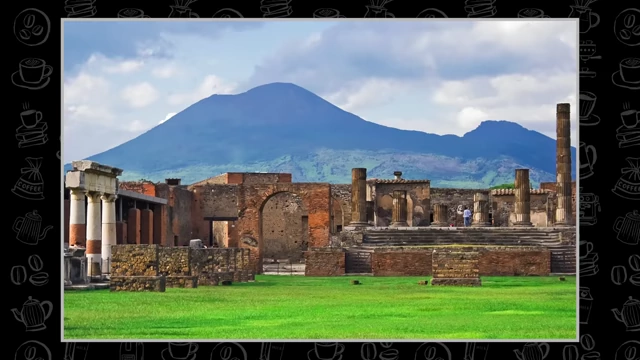
The ancient ruins of Pompeii with Mount Vesuvius looming in the background. [ 01:49:25 ] 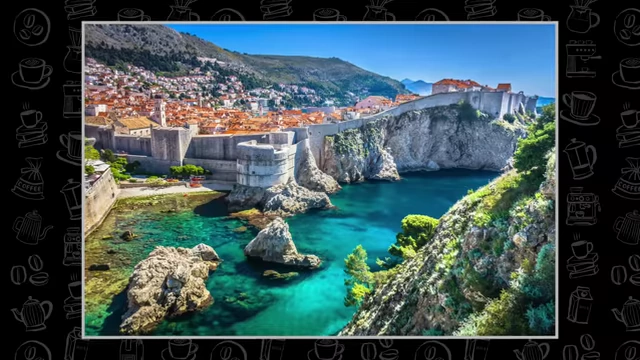
The historic city walls of Dubrovnik, Croatia, overlooking crystal blue waters. [ 01:49:35 ] 
A canal scene in Amsterdam at sunset, with traditional European buildings lining the water. [ 01:49:42 ] - Avoided Places: Places with high danger or overly "canned" tourist experiences like cruises, which he feels are better suited for later in life when physical activities are less feasible.

A large cruise ship docked beside a tropical beach. [ 01:50:45 ]
FIRE Movement [01:51:47]
Perkins views the Financial Independence, Retire Early (FIRE) movement as valuable for teaching financial discipline and value identification but criticizes its extreme emphasis on saving.
- Critique of Extremes: Some in the FIRE community become overly frugal ("savings porn"), delaying gratification to an extent that they miss out on prime life experiences.
- "Life is Passing You By": He compares extreme saving to being in "jail," where life's most fulfilling periods are sacrificed for a distant financial goal.
- Conscious Allocation: Advocates for a balanced approach: be conscious of your resources and allocate them to experiences now, especially when their utility is highest, rather than stockpiling money for decades.
Panhandling Experiment [02:23:17]
As part of an emotional intelligence class, Perkins panhandled for a day.
- Eye-opening Experience: It was a liberating experience that affirmed his belief that he could always find ways to make money, even in dire circumstances.
- Earnings: He earned enough to be on pace for $60,000-$70,000 tax-free annually, despite facing some danger from others.
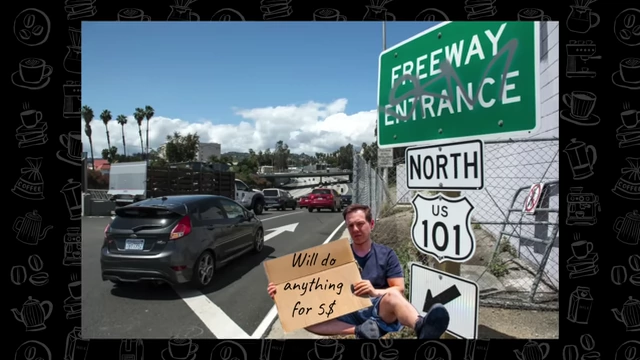
A man sitting on the ground holding a cardboard sign that reads "Will do anything for $$.", near a freeway entrance sign for US 101. [ 02:24:53 ]