Identifying Worthwhile Ideas: The worth of an idea is subjective [00:09:25].
Filmmakers should ask themselves questions about the visual aspects, the world they want to create, or specific characters they want to explore [00:09:41].
Inspiration can come from personal experiences, books, or films [00:09:53].
It is important to not be too restrictive at the beginning. Consider different worlds, times, and settings for your characters to allow ideas to develop [00:10:08].
If it will not go away and starts to resonate with ideas in your life, devote time to it [00:10:55].
The Subconscious as a Source of Creativity: The imagination is always working, and dreams can be a zerocost subscription service to entertainment [00:11:17].
Director can find images or sketches from dreams or ideas that can translate into future work [00:11:50].
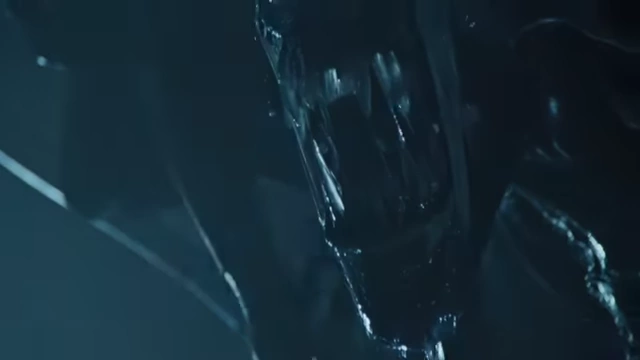
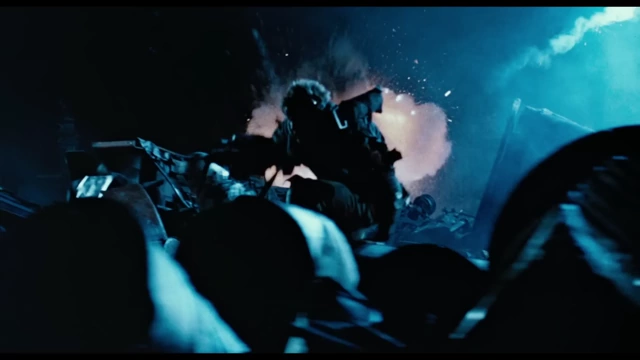
"The Terminator" originated from a dream image [00:12:22].
Justification comes after the initial idea of the chrome skeleton [00:13:04].
Optimizing Budget: One of the tricks of the trade is to optimize the budget [00:08:27].
Low budget film making is the art of being thoroughly prepared and maximizing what you have [00:55:38].
Team Selection: you want people who can move fast, and take no prisoners, but can generate high quality images that punch above their weight [00:56:18].
Set Pieces
Set pieces should be treated as a film within a film, and have a beginning, middle, and end [00:16:31].
Find a narrative and character purpose behind each set piece [01:16:31].
You want to do what will set the story in motion [01:16:43].
Create transitions that are interesting [00:15:46].
Understanding Visual Effects:
The key to visual effects is to observe reality carefully [00:17:49].
It is good to get chummy with visual effects people and to be able to speak their language [01:22:11].
Don't Forget the Story: Know the rules, but break them to serve the story [00:13:31].