Commuting significantly reduces happiness and increases costs, with studies showing a 1-hour commute requires a 40% pay increase for equal happiness.
Life Satisfaction decreases with Commuting Time
[
00:00:15
]
A 1-hour commute requires 40% more income for equal life satisfaction
[
00:00:23
]
This video outlines three strategies to eliminate or minimize commuting:
1. Remote Work (Geoarbitrage): Move to a lower cost of living or no-state-tax area while maintaining a high salary. This could be within the US (e.g., Texas, Florida) or abroad (e.g., Mexico City), offering immense savings and improved quality of life.
Top State Marginal Individual Income Tax Rates in the US [
00:01:38
]
2021]">
Annual Wage to Live Comfortably by State and Required Hours per Week to Earn It
[
00:01:55
]
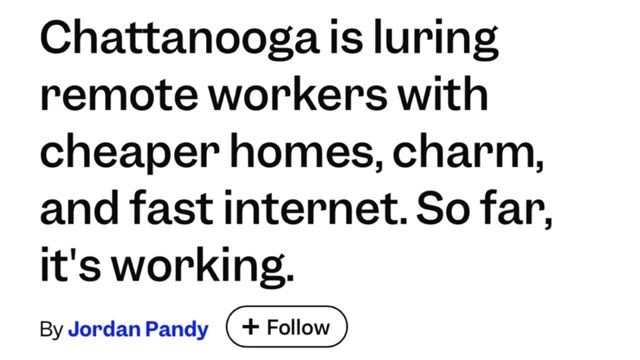
Chattanooga attracting remote workers with affordable living and fast internet
[
00:02:22
]
Geoarbitrage concept of earning in a high-value currency and spending in a low-value one
[
00:03:16
]
2. Microcommuting: If remote work isn't an option, live as close to your workplace as possible. This minimizes daily travel time, stress, and associated costs of driving (gas, maintenance, risks) or public transport (fees, discomfort, safety concerns).
Commuters packed in a subway car, illustrating crowded public transport
[
00:06:52
]
3. Living at Work: For the ultimate commute reduction and cost savings, consider unconventional options like living in your vehicle in the company parking lot, utilizing office facilities for showering. This adventurous approach, exemplified by some tech employees, can save substantial money on rent and eliminate commute time entirely.
Article highlighting a Google employee living in a truck to save 90% of his income
[
00:10:15
]
Median rent for a one-bedroom rental in San Francisco over time
[
00:10:29
]
Software engineer demonstrating their dual life of working and living in their car
[
00:10:33
]
Consider states with no state income tax, such as Texas or Florida, while working for companies in high-wage cities like New York or San Francisco. [1:38]
Top State Marginal Individual Income Tax Rates in the US [<a href="https://youtube.com/watch?v=l28W0Km9VtY&t=2021">2021</a>]
[
00:01:38
]
Relocating to a lower cost of living state, like Chattanooga, Tennessee, can drastically reduce expenses. [2:20]
Annual Wage to Live Comfortably by State and Required Hours per Week to Earn It
[
00:01:55
]
Chattanooga attracting remote workers with affordable living and fast internet
[
00:02:22
]
Attempting to work from a different location without employer knowledge (using VPNs) carries the risk of immediate termination due to legal and liability issues. [4:13]
Maintaining a consistent "narrative" by checking local weather for the pretended location is crucial to avoid suspicion. [4:42]
Personal anecdote: A friend was fired for secretly working from Miami while the company was in Chicago, eventually caught due to inappropriate attire for the supposed location's weather. [5:10]
The ultimate form of microcommuting is eliminating it entirely by living at the workplace or nearby.
Personal Experience:
The speaker lived out of his car in the company parking lot at Lockheed Martin, using the office gym for showering. [9:56]
Examples from Tech Industry:
Many tech employees in expensive cities like San Francisco live in RVs or vans in company parking lots to save on rent, utilizing office amenities. [10:07]
Article highlighting a Google employee living in a truck to save 90% of his income
[
00:10:15
]
Brandon's House," a truck used by a Google employee living in the company parking lot
[
00:10:20
]
Median rent for a one-bedroom rental in San Francisco over time
[
00:10:29
]
Software engineer demonstrating their dual life of working and living in their car
[
00:10:33
]
Benefits of Living at Work:
Insane cost savings by eliminating rent and commute expenses. [10:41]
An adventurous and "outside-the-box" lifestyle that feels more alive and exciting. [10:46]
Firms like Foxconn and Cluey sometimes encourage or facilitate living at work for increased productivity. [11:44]
Embrace unconventional approaches to significantly improve happiness and financial well-being.
Action Item 1: Convince your boss to allow remote work, even if it means accepting a lower salary, considering the overall happiness and cost of living equation. [12:54]
Action Item 2: If remote work is not feasible, minimize your commute by living very close to the office, or even consider living in your vehicle in the company parking lot. This leads to massive savings and a more exciting life. [13:11]