How Creativity Serves as an Antidepressant and Anti-Anxiety Tool for Mental Well-being
Summary:
This video highlights the critical role of creativity in mental health, arguing it's a powerful antidepressant and anti-anxiety tool, not a mere hobby.
- Many people feeling lost, numb, anxious, or depressed often share a common pattern: they stopped creating.
- Creativity is presented as "neurological oxygen" and an "internal reset button" that helps the mind recover and stay present.
- It counters the societal lie that tells us to abandon creative expression as we "grow up."
- The speaker shares observations from therapy, where engaging in small creative acts helped individuals reconnect with their aliveness and shift their perspective.
- A challenge is issued to dedicate just two minutes daily to any creative act, regardless of outcome, to remind oneself of their innate capacity to create and be alive.
The Creative Truth We Forget [ 00:03:30 ] 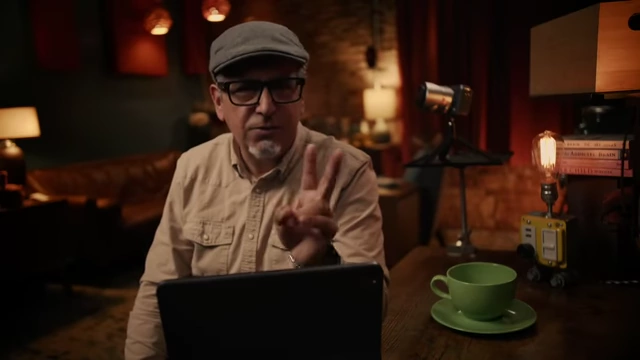
The speaker emphasizes the "just two minutes" challenge to re-engage with creativity [ 00:08:00 ]
The Unseen Link to Feeling Lost [00:00:10]
The speaker identifies a recurring pattern among individuals experiencing feelings of being lost, sleeplessness, numbness, and a pervasive sense of heaviness.
- This pattern is characterized by the abandonment of creative pursuits.
- People stop making things that reminded them of their inner voice.
- They disconnect from the part of themselves that could transform chaos into form, emotion into meaning, or pain into beauty.
- The suppression of creativity leads to a spiritual death within, leaving individuals functional, responsible, and productive, yet hollow.
- Creativity is presented not just as self-care or artistic expression, but as a potent antidepressant and anti-anxiety mechanism, capable of healing those who feel beyond hope and rekindling light in silent places.
Creativity as Essential Neurological Oxygen [00:01:52]
The common misconception that creativity is optional, a luxury, or a "side quest" is challenged.
- Based on experiences with people in deep distress, creativity is described as vital for mental well-being.
- It's likened to "neurological oxygen" and an "internal reset button."
- It serves as the mind's way to "catch its breath" when other methods fail.
- The act of creation is driven by the nervous system's need for a reminder.
- It reminds individuals that they still possess the capacity to form something new.
- Creativity actively combats mental health challenges:
- It interrupts anxiety by grounding the mind in the present moment.
- It disrupts depression by proving your actions still make ripples.
- It stabilizes the body, eases shame, and transforms feelings of hopelessness into possibility.
- Drowning sensations are attributed to a cessation of "reaching" for the "rope" of making something.
Overcoming the Lie: Embracing Your Creative Truth [00:03:02]
- Common doubts include "I'm not creative," "I don't know where to start," or fear of making something "terrible."
- These thoughts are identified as a "lie" ingrained by a society that values consumption over creation.
- The societal message to "grow up" is critiqued for often implying the abandonment of soul-sustaining activities.
- Creativity is reaffirmed as a tangible miracle.
- It teaches the brain to hope again and reintroduces the heart to possibility.
- It reminds individuals that their story is not over.
- Observations from therapy show that even simple creative acts, like picking up a pencil or taking a photograph, can cause a profound "ancient shift" within people.
- The importance lies not in the quality of the art, but in the remembrance of one's ability to create.
- Creativity is reiterated as the most underestimated antidepressant, a quiet medicine, a forgotten ritual, and the spark that reboots a system stuck in survival mode.
Personal Testimonies: The Healing Power of Creation [00:04:32]
- Patients often express feelings of "disappearing" or not recognizing themselves.
- This often traces back to them having stopped creating, not out of indifference, but because life's demands consumed their energy.
- Responsibility replaced wonder.
- Survival suffocated expression.
- A poignant example is given of a man who sculpted as a child but abandoned it due to life's pressures.
- Asked to sculpt for just five minutes, without pressure for quality, he cried within 30 seconds.
- This emotional response was not about the clay itself, but because "something inside him woke up for the first time in years."
- Similar experiences are recounted:
- A musician feeling their chest loosen with an instrument.
- A writer finding breath through a sentence.
- A photographer feeling grounded by capturing a shadow.
- The message is clear: stopping creation silences the part of the soul that knows how to survive darkness.
- Resuming creation, even clumsily or inconsistently, helps to:
- Settle the nervous system.
- Realign identity.
- Reopen one's life story.
- The act of creating literally transforms people, bringing brighter eyes, lighter shoulders, and a renewed sense of aliveness.
Your Call to Action: The 2-Minute Creativity Challenge [00:07:06]
- The invitation is to re-embrace creativity, not as a source of pressure or performance, but as essential "oxygen."
- Viewers are encouraged to experiment and play, making things that don't need to impress anyone, including themselves.
- Simple starting points are suggested:
- Drawing one line.
- Taking one photograph.
- Writing one sentence.
- Capturing one moment of light or sound.
- The purpose of these acts is not achievement but a reminder.
- To remind oneself of their capability for something new.
- To provide "proof" to the nervous system that one is still alive and not merely consuming life away.
- The challenge is to dedicate just two minutes today to any creative act.
The speaker presents the two-minute creativity challenge by holding up two fingers. [ 00:08:00 ] - This "smallest possible step" is framed as a pathway to reconnect with the "biggest part of who you are."
- The ultimate call is to honor truth, face reality, speak genuinely, and create from the deepest part of oneself.