Accountant Explains 7 Lifestyle Decisions to Save More Without Increasing Income and Avoid Lifestyle Inflation
This video explains 7 intentional decisions to accelerate savings and avoid lifestyle inflation without earning more, by embracing lifestyle arbitrage. The decisions include adopting minimalism, making intentional purchases, prioritizing personal values over societal pressures, freeing oneself from attachments, leveraging geographic arbitrage, and digitizing skills for location independence.

Introduction [00:00]
The video addresses lifestyle inflation, where increased earnings lead to upgraded living and higher expenses, trapping individuals on a financial treadmill. It proposes an alternative: lifestyle arbitrage, which involves living smarter to save at an accelerated pace while enjoying a higher quality of life. The speaker, a CPA, shares seven intentional decisions she made that transformed her lifestyle and finances, allowing her to save aggressively while living her dream life.
1. Minimalist Lifestyle [00:46]
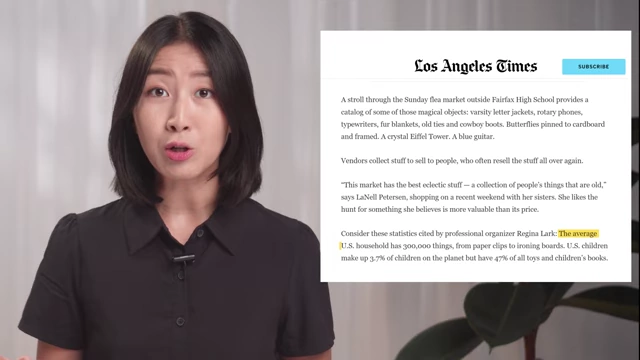
One of the speaker's first decisions was to embrace minimalism, moving away from the average American household's 300,000 items that incur costs, take up space, and consume mental energy.
- Philosophy of Minimalism
- The speaker advocates keeping only what "sparks joy or adds value," inspired by Marie Kondo.
- Her personal philosophy is to own one high-quality item and use it until it is no longer functional, avoiding stockpiling or multiple versions.

The speaker illustrates the common tendency to own multiple versions of the same item, such as coffee makers, contrasting it with her minimalist philosophy of owning one quality item. [ 00:01:55 ]
- Benefits for Travel and Relocation
- Living minimally allowed her to rent out her fully furnished place and travel for a year with just two suitcases, emphasizing the freedom from being tied down by possessions.
- It also makes moving easier, whether to a cheaper apartment in the same city or relocating globally.
2. Intentional Purchases [02:02]
Hand-in-hand with minimalism, the speaker practices intentional purchasing, carefully evaluating every acquisition.
- Criteria for Purchases
- Items should make life easier.
- They must be used often.
- Ideally, they should serve multiple purposes.

The speaker highlights her criteria for intentional purchases: items should make her life easier, be used often, and ideally serve multiple purposes. [ 00:02:15 ]
- The "Dollar as a Worker" Mindset
- The speaker views every dollar as a "worker" and asks if she is sending her money to work for her or wasting it on something fleeting.
- Avoiding Impulse Buys
- Her strategy for preventing dopamine-driven impulse buys is to add items to her cart and wait at least 24 hours. She finds that the urge often disappears 80% of the time.
- She provides an example of almost buying an expensive espresso machine despite having a functional coffee maker, only to forget about it the next day.
- The "One In, One Out" Rule
- To maintain a minimalist and clutter-free environment, she applies a "one in, one out" rule, meaning she only replaces an item when the old one breaks, avoiding unnecessary upgrades.
3. Stop Caring About the Joneses [03:13]
The video addresses the societal pressure to keep up with others, which often leads to overspending and debt.
- The Pressure to Impress
- Statistics show that 51% of Americans admit to overspending to impress others, with 56% of them incurring debt as a result.
- Among Gen Z, 62% feel financial pressure to keep up with their peers.
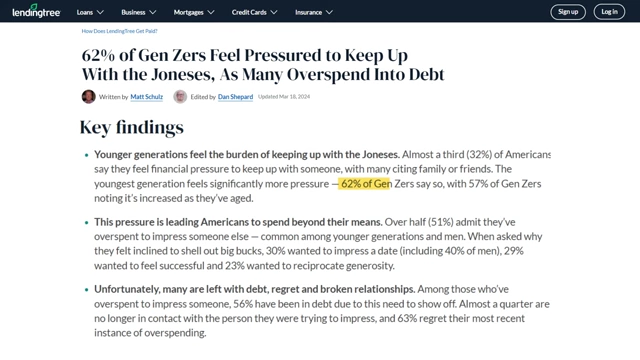
A Lendingtree article highlights key findings, stating that 62% of Gen Z feel pressured to keep up with the Joneses, leading many to overspend into debt. [ 00:03:24 ]
- Personal Experience and Choice
- The speaker recounts almost falling into this trap, being tempted to buy a luxury car for status despite working from home and driving infrequently.
- She realized this would be spending "tens of thousands just to impress other people."
- Instead, she chose to invest that money, gaining financial security, peace of mind, and the freedom to travel, take risks, and make life choices without financial strain.
- Happiness and Spending
- Research by Elizabeth Dunn and Michael Norton (authors of "Happy Money") indicates that spending on status and material goods does not increase long-term happiness.
- Purchases tied to experiences, connection, or shared meaning are more likely to create lasting joy.
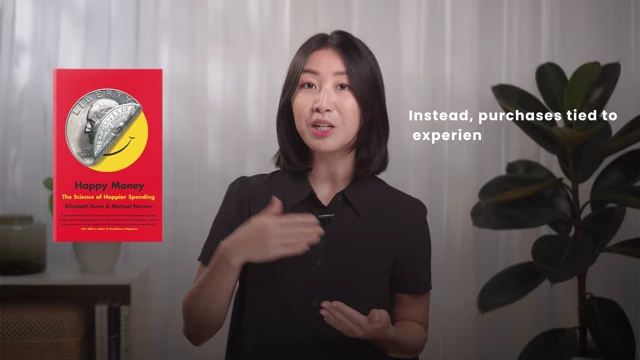
The book "Happy Money" by Elizabeth Dunn and Michael Norton is shown, emphasizing that purchases tied to experiences, connection, or shared meaning create long-lasting joy, unlike spending on status symbols. [ 00:04:29 ]
4. Spend on What Truly Matters [04:42]
Once freed from external pressures, the speaker advises focusing spending on what genuinely aligns with personal values.
- Identifying Core Values
- Individuals should identify what they truly value, such as financial stability, travel, new experiences, hobbies, or personal development.
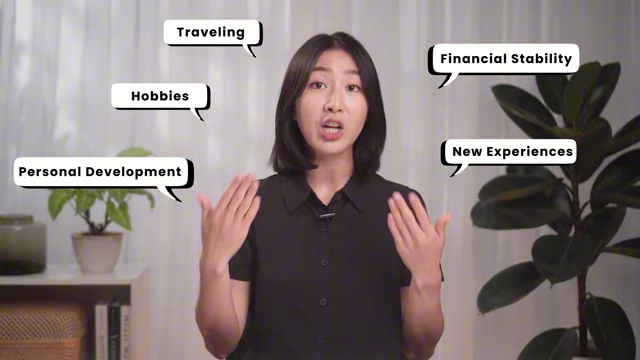
The speaker identifies key areas for spending on what truly matters: Traveling, Financial Stability, Hobbies, Personal Development, and New Experiences. [ 00:04:58 ]
- Individuals should identify what they truly value, such as financial stability, travel, new experiences, hobbies, or personal development.
- Prioritizing Experiences
- For the speaker, experiences are paramount. She wouldn't spend $1,000 on a designer bag but would happily spend it on a flight.
- Traveling and trying new things provide unforgettable memories, new perspectives, and personal growth.
- Travel as an Investment
- She views travel as an investment in herself with the highest return on investment (ROI), offering both immediate enjoyment and lasting lessons and stories.
5. Freedom From Attachment [05:27]
Detachment from material possessions and perceived geographical ties provides significant freedom.
- Enabling Bold Life Choices
- Not being tied down by stuff allows individuals to move countries, change jobs, or make bold financial decisions without fear.
- Overcoming Fear of Change
- The speaker initially felt tied to Canada for her business and friendships, finding comfort in predictability but also fearing a static future.
- She made the "nerve-wracking decision" to rent out her place and travel for a year.
- Guiding Principles
- Two quotes provided courage: "If you don't take this opportunity, will you regret it?" and "Choose the path that tells the greater story."
- The answers were clear: she would regret not traveling, and traveling offered a greater story than staying put.

The speaker uses two powerful quotes to guide her decision-making: "If you don't take this opportunity, will you regret it?" (with a "YES" response for not taking it) and "Choose the path that tells the greater story" (with "TRAVELING" as the greater story). [ 00:06:13 ]
- Growth Through Challenges
- Moving to new places brings challenges like new cultures, routines, and people, but these are precisely where personal growth occurs.
6. Geographic Arbitrage [06:32]
This is a core concept for accelerating savings by leveraging location.
- Tim Ferriss's Concept
- Popularized by Tim Ferriss in "The 4-Hour Work Week," geographic arbitrage involves earning income in a strong currency and spending it in a country with a lower cost of living.
- Cost Comparison: Vancouver vs. Bali
- The speaker compares living costs: a basic apartment in Vancouver can cost $3,000/month, while a villa with a pool in Bali costs less than half.
- Daily expenses like a smoothie bowl are $4 in Bali vs. $15 in Vancouver, and a massage is $15 vs. $100.
- Numbeo data shows Bali's cost of living is approximately 42% lower than Vancouver's.
A comparison chart highlights the significant cost of living difference between Vancouver and Bali, noting Bali's cost of living is about 42% lower. [ 00:07:02 ]
- Outcome: Higher Quality of Life, Accelerated Savings
- By relocating, the speaker enjoys a more luxurious lifestyle at a significantly reduced cost, which directly accelerates her savings.
7. Digitize Your Skill [07:19]
To truly embrace a lifestyle of geographic flexibility and savings, one needs a location-independent skill.
- Adaptability Beyond Traditional Digital Nomad Roles
- While coding, marketing, or sales are classic digital nomad jobs, any profession can be adapted.
- The speaker, an accountant, digitized her skills to work online, creating freedom to work from anywhere.
- Client Examples
- One nurse client felt stuck in the hospital system but identified a critical need for staffing solutions, launching a nurse staffing business that scaled to seven figures in three years.
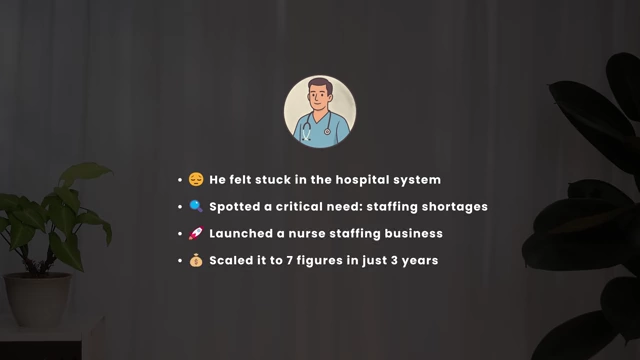
An infographic illustrates the success of a nurse who felt stuck in the hospital system, spotted staffing shortages, and then launched and scaled a nurse staffing business to seven figures in just three years. [ 00:07:57 ] - Another nurse client digitized her expertise by offering online medical consultation services.
- One nurse client felt stuck in the hospital system but identified a critical need for staffing solutions, launching a nurse staffing business that scaled to seven figures in three years.
- The Essence of Digitization
- The key is not the profession itself but how skills are adapted to be digital or scalable, granting the freedom to move anywhere.
- This could mean relocating to a lower-cost city (e.g., Calgary instead of Vancouver) or moving abroad (e.g., Valencia, Spain, or Bali, Indonesia), where money goes further.