My Anti-Consumerism Plan for 2026: What I'm No Longer Buying and What I'm Investing In Instead
In 2026, the speaker is adopting a mindful consumerism approach, moving away from a shopping addiction after spending $38,000 in 2025. She outlines eight categories of items she will no longer purchase, focusing instead on investing in value and sustainability.

- She's avoiding impractical and seasonal bags, prioritizing versatile, existing pieces or vintage/secondhand options.
- She will not buy trendy beauty products, sticking to proven favorites tailored to her specific needs rather than succumbing to marketing.
- Instead of wellness gadgets for temporary stress fixes, she's investing in her mental health through practices like meditation.
- She's skipping viral food products due to their high cost, chemical content, and lack of real value, opting for real, whole, single-ingredient foods instead.
- New, aesthetically pleasing planners are out; she designed and uses her own effective, printable weekly planner to foster genuine productivity.
- Polyester clothes are off her list due to microplastic shedding and poor quality; she's investing in durable natural fiber clothing like cotton, linen, and wool.
- She's stopping the trend of buying multiples of the same thing (e.g., numerous water bottles or makeup items), focusing on having one tried-and-true favorite for each need.
- Finally, she's cutting out trinkets and random novelty decor, choosing to invest in functional, high-quality home items that serve a purpose and act as decoration.
A Shift Towards Mindful Consumerism [0:00]
The speaker reflects on her significant spending in 2025, totaling $38,000, admitting to a shopping addiction characterized by buying new items weekly.
1. Impractical Bags: Prioritizing Function and Longevity [0:45]
The speaker is no longer buying impractical bags.
- Avoiding Micro and Occasion-Specific Bags
- This includes micro bags, purses with insecure closures, and bags that cannot hold essentials.
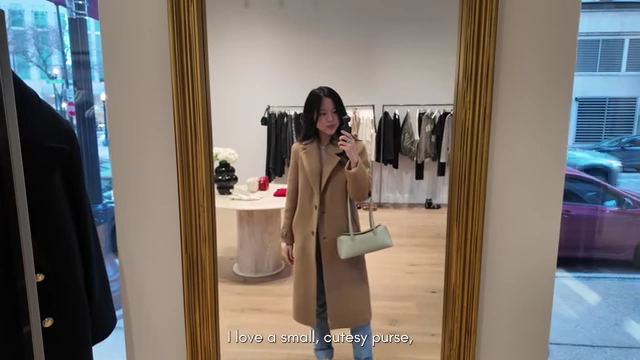
The speaker trying on a small, cutesy purse in a store, illustrating impractical bags. [ 00:00:56 ] - She also avoids seasonal bags or those only suitable for specific occasions, as she believes items should be versatile and worn frequently.
- This includes micro bags, purses with insecure closures, and bags that cannot hold essentials.
- Investing in Existing and Vintage Pieces
- She chooses to invest in the bags she already owns, recognizing she has enough.
- For new additions, she advocates buying secondhand or vintage items, citing cost-effectiveness, reduced waste, and often higher quality and durability compared to new, trendy bags.

A person in a coat and jeans with a cross-body bag standing on a bridge over a river in a city. [ 00:01:20 ]
2. Trendy Beauty Products: Beyond the Hype [1:34]
The speaker will cease purchasing trendy beauty products.
- Skeptical of Viral Products
- She notes that as a content creator, she receives many products from brands, reducing her personal need to buy more.
- She highlights that many product formulas are nearly identical across brands and price points, suggesting that consumers often pay for brand names and marketing rather than superior ingredients.
- Viral products, while popular, may not be suitable for everyone's unique skin type or preferences.
- Sticking to Proven Skincare Routines
- She commits to using her tried-and-true skincare and makeup products that genuinely work for her, regardless of new launches.

Applying a tried-and-true skincare product as part of a consistent routine. [ 00:02:19 ] - Her philosophy is "if it ain't broke, why fix it?", emphasizing consistency with effective products.
- She commits to using her tried-and-true skincare and makeup products that genuinely work for her, regardless of new launches.
3. Wellness Gadgets: True Self-Care Over Impulse Buys [2:37]
The speaker is cutting back on wellness gadgets.
- Impulse Stress Fixes vs. Sustainable Relaxation
- She identifies many wellness gadgets and random self-care products as "impulsive stress fixes" or temporary distractions.

Using an LED light therapy mask, an example of a wellness gadget. [ 00:02:43 ] 
Using a facial massage device, another example of a wellness gadget. [ 00:02:44 ] - While they might offer momentary happiness, they do not provide sustainable, long-term relaxation and often lead to draining one's finances through retail therapy.
- She identifies many wellness gadgets and random self-care products as "impulsive stress fixes" or temporary distractions.
- Investing in Mental Well-being
- Instead, she encourages leaning into anxiety and overwhelm to understand their root causes rather than suppressing them with purchases.
- Her personal investment is in meditation, an ancient form of self-care with proven benefits for calming the mind.
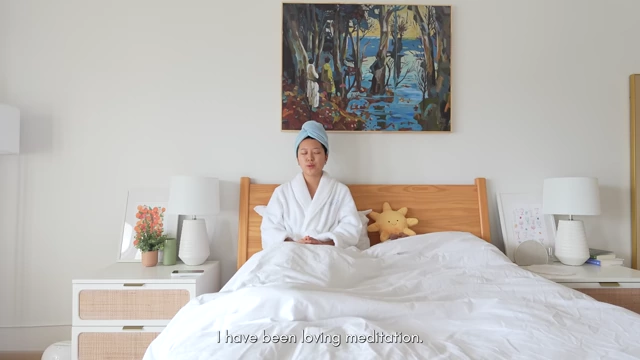
The speaker meditating in a robe with a towel on her head. [ 00:03:21 ]
4. Viral Food Products: Choosing Whole Foods Over Trends [4:32]
The speaker is avoiding viral food products.
- Overpriced, Chemical-Laden Snacks
- This category includes trendy snacks, drinks, powders, and niche frozen meals that gain temporary popularity.
- She criticizes these products for being overpriced, often containing chemicals, lacking real nutritional value, and being purchased out of FOMO (fear of missing out) rather than genuine need.
- She observes how food companies use "novelty" to encourage spending, even with slight variations of existing menu items (e.g., McDonald's McRib or Chili's Triple Dipper).

A McDonald's McRib advertisement, used as an example of a viral food product marketed for novelty. [ 00:05:11 ]
- Prioritizing Health with Single-Ingredient Foods
- She prioritizes investing in her health by buying real, whole, single-ingredient foods.

Hands preparing a fresh salad with whole ingredients, representing an investment in health. [ 00:05:35 ] - She stresses the importance of avoiding processed "middle foods" that claim to be healthy (low-calorie, low-fat, clean) but are still chemically processed.
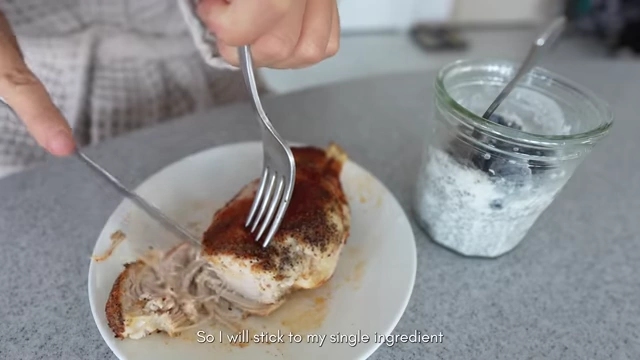
The speaker cutting a piece of chicken on a plate next to a jar of chia pudding, illustrating single-ingredient whole foods. [ 00:05:54 ]
- She prioritizes investing in her health by buying real, whole, single-ingredient foods.
5. New Planners: Cultivating Intrinsic Motivation [5:56]
The speaker will no longer buy new planners annually.
- The Illusion of Motivational Planners
- She shares her experience of repeatedly buying new planners at the start of the year for "fake motivation," only to abandon them quickly.
- She contends that no materialistic item can truly foster organization or productivity; such change must come from within.
- Stationary companies capitalize on this by launching new aesthetic designs each year, knowing many will buy for looks rather than consistent use.
- Creating a Personalized, Effective System
- Frustrated with ineffective planners, she designed her own weekly planner pages.
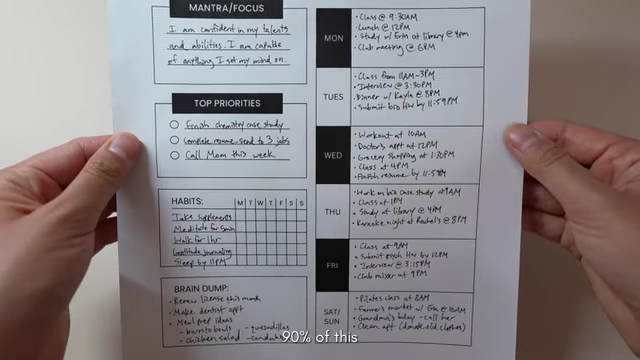
A close-up of the speaker's custom-designed weekly planner with sections for mantra, priorities, and habits. [ 00:07:06 ] - Her custom planner allows her to see her entire week at a glance, preventing surprises and includes sections for positive reflection and habit tracking.
- This personalized system significantly increased her productivity and eliminated the need to purchase other planners.
- Frustrated with ineffective planners, she designed her own weekly planner pages.
6. Polyester Clothing: Opting for Natural Fibers [7:34]
The speaker is eliminating polyester clothing from her purchases.
- The Downsides of Synthetic Fabrics
- She strongly dislikes polyester because it is made of plastics, sheds microplastics during wear (which can be absorbed by the body and potentially cause disease), looks cheap, and has a short lifespan.
- Fast fashion companies often use polyester, leading to garments falling apart after minimal use and perpetuating a cycle of repurchase.
- Investing in Quality, Durable Materials
- She chooses to invest in natural fiber clothing, such as cotton, linen, and wool, which are derived from nature.
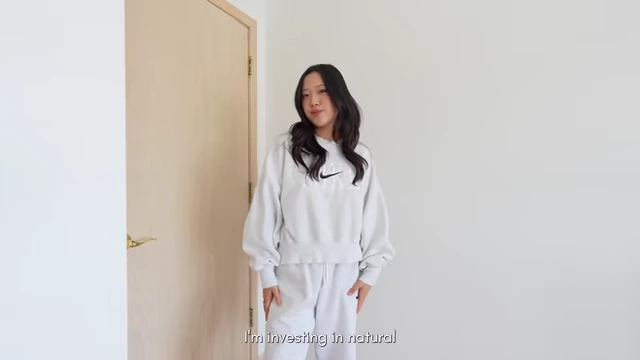
The speaker wearing a comfortable natural fiber sweatshirt. [ 00:08:01 ] - These materials are considered a better investment due to their higher quality, durability, and ability to hold structure and weight, resulting in a better appearance and more sustainable wear.
- She chooses to invest in natural fiber clothing, such as cotton, linen, and wool, which are derived from nature.
7. Excessive Multiples and Stockpiling: Embracing Favorites [8:23]
The speaker is discontinuing the practice of buying multiple versions of the same item.
- Unnecessary Hoarding of Similar Items
- She critiques the trend of acquiring numerous identical or highly similar products, citing examples like a cabinet full of Stanley water bottles or multiple lipsticks and moisturizers.
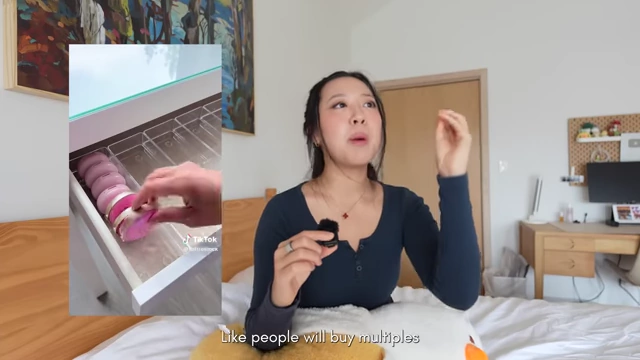
A social media video showing multiple organized macarons in a drawer, illustrating the trend of buying excessive multiples. [ 00:08:49 ] - She argues that, for most individuals or small households, having seven mugs, ten water bottles, or twenty candles is unnecessary and leads to clutter and wasted space.
- She critiques the trend of acquiring numerous identical or highly similar products, citing examples like a cabinet full of Stanley water bottles or multiple lipsticks and moisturizers.
- Valuing Tried-and-True Essentials
- Instead of hoarding, she advocates for identifying one "tried-and-true favorite" for each category (e.g., one favorite water bottle, lotion, cardigan) and sticking to it.
- This approach counters social media pressure to constantly acquire more and encourages a focus on quality and utility.
8. Trinkets and Novelty Decor: Functional Aesthetics [9:30]
The speaker is no longer buying trinkets.
- Avoiding Non-Functional Collectibles
- This includes random figurines, blind boxes, seasonal decor, and trendy collectibles like Smisky's or Sony Angels.
- She questions the value these items bring to one's life, viewing them as unnecessary clutter rather than meaningful investments, unless one is a professional collector.
- Choosing Purposeful Home Decor
- She prefers to invest in functional home decor that also serves an aesthetic purpose.
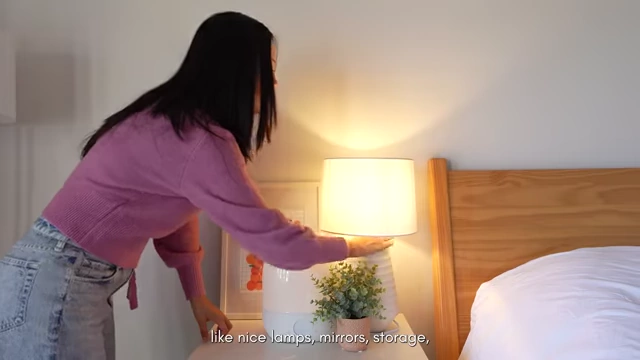
Functional home decor items like a lamp and a plant, offering both utility and aesthetic value. [ 00:10:03 ] - Examples include high-quality lamps, mirrors, and storage solutions.

The speaker looking into a stylish mirror, serving both a functional and decorative purpose. [ 00:10:04 ] - By choosing beautiful, functional items, the need to fill space with random, non-purposeful decorations is diminished, as the items themselves become decorative.
- She prefers to invest in functional home decor that also serves an aesthetic purpose.
Conclusion: Intentionality and Wealth Building [10:17]
The speaker concludes by reiterating her commitment to saving and building wealth over excessive spending. She emphasizes that this approach is not about strict restriction but about being intentional with habits, consistency, and implementing changes that genuinely improve life and add tangible value, rather than succumbing to marketing schemes.