Gary Vaynerchuk's 2025 Social Media Playbook: Organic Content, Platform Strategy, and Brand Building for "F*ck You Money"
In this episode, Gary Vaynerchuk shares his insights on how to win on social media in 2025 and build a powerful brand:
- Organic Social is Life: Prioritize organic content over paid ads, using paid media only to amplify successful organic creative.
- Platform Specificity: Understand and tailor your content for each platform (Facebook, LinkedIn, YouTube Shorts, Snap Spotlight, X), rather than just focusing on TikTok and Instagram.
- "You Are The Niche": Embrace your multifaceted identity and document everything to create diverse content that attracts different audiences.
- Sawdust Content Theory: Capture behind-the-scenes and "mundane" moments, as these often perform better than highly polished, traditional marketing content.
- Macro Patience, Micro Speed: Have long-term patience for brand building but act with micro-speed in executing daily content and adapting to platform changes.
- Humility as a Superpower: Be authentic, admit what you don't know, and focus on delivering genuine value to your audience.
- AI Integration: Utilize AI as a partner for information gathering and analysis to enhance content strategy, but always apply human intelligence for prompting and cultural understanding.
- The Power of Live Social Shopping: For creators not aiming for millions of followers, live social shopping platforms like Whatnot and TikTok Shop offer a direct path to monetize salesmanship and build a profitable business.
- Youthful Risk-Taking (22-30): This age range is ideal for pursuing high-risk dreams and building a business without significant financial obligations.

What 90% of Brands Get Wrong About Social Media [1:02]
Gary Vaynerchuk argues that most brands and creators fail to understand the fundamental importance of social media for revenue growth.
- Many businesses view social media as secondary, focusing on paid ads rather than the core value of organic content.
- He compares it to underestimating the financial rewards of being a remarkable basketball player versus a remarkable accountant, highlighting a misunderstanding of where significant value lies in modern marketing.
- Social media, when executed remarkably, can lead to dramatically bigger businesses.

Gary Vaynerchuk states that VaynerMedia's revenue will reach $365 million this year. [ 00:00:13 ]
Understanding Each Platform and Organic Social [2:31]
Vaynerchuk emphasizes the necessity of being present and contextual on all major social platforms, prioritizing organic content.
- Multi-Platform Presence: Brands should not limit themselves to just a couple of platforms (e.g., TikTok and Instagram) but should actively engage on Facebook, Twitter (X), Snapchat, Instagram, TikTok, and LinkedIn.
Gary Vaynerchuk explains the importance of being present and contextual on platforms like Facebook, Twitter, Snapchat, Instagram, TikTok, and LinkedIn. [ 00:03:37 ] - Contextual Content: Each platform demands a unique approach, similar to how individuals present different versions of themselves in various personal relationships (romantic, friendships, family).
- He notes that many overlook platforms like Facebook, where simple tactics like turning a static photo into a one-second video can significantly increase reach.
- Organic First, Paid Second: The core strategy should be organic social, followed by paid amplification for content that naturally performs well.
- Paid media should amplify good creative, not hide or compensate for bad creative.
- He emphasizes a "market every day" approach, constantly pushing content and identifying winners to amplify.
- The goal is to "win" with every organic post, not just "spray and pray" and see what sticks.

Gary Vaynerchuk asserts his intent to "win" with every organic social media post. [ 00:00:33 ]
The TikTokification of Content and "You Are The Niche" [6:10]
The shift from social media to "interest media" means content now finds interested audiences, rather than relying solely on existing followers.
- Interest Graph vs. Social Graph: The current landscape is driven by the "interest graph," where content is served to users based on their demonstrated interests, regardless of whether they follow the creator.
- This contrasts with the older "social graph" model, where content primarily reached one's followers.
- Adapting Content Strategy: Creators need to diversify their content (e.g., 80% niche-focused, 20% experimental) to attract broader audiences.
Gary Vaynerchuk explains the need to mix up content to find different audiences while doubling down on what works. [ 00:06:49 ] - This allows for "home runs" – pieces of content that unexpectedly explode and introduce the creator to new demographics.
- "You Are The Niche": Vaynerchuk asserts that a creator's unique personality and multifaceted interests form their true niche, rather than limiting themselves to a single topic.
- While YouTube's algorithm might favor niche-specific content, other platforms allow for broader self-expression.
- He uses his own early YouTube experience with Wine Library TV as an example, where he discussed various topics beyond just wine.

Gary Vaynerchuk encourages creators to double down on what works while also experimenting to reach new audiences. [ 00:00:46 ]
Brand Building vs. Sales Generation and VaynerMedia's Origins [9:07]
Vaynerchuk distinguishes between long-term brand building and short-term sales, highlighting his unique position of not relying on his audience for direct income.
- Brand Over Immediate Sales: While sales are important, true brand building requires a long-term perspective, not daily, monthly, or even yearly sales analysis.
- He notes that some, like Alex Hormozi, experienced sales dips when broadening their content, suggesting a marathon mentality is needed for brand.
- VaynerMedia's Humble Beginnings: Vaynerchuk's agency started from his passion and expertise in social media, stemming from his experience at his family's wine business.
- He used his accumulated social proof (hundreds of thousands of Twitter followers) to gain meetings with CMOs.
- His pitch was not a formal deck but rather on-the-spot, actionable strategies tailored to the brand's needs, demonstrating his deep understanding of current trends.
- He emphasizes humility as his superpower, allowing him to admit what he doesn't know and focus on what he genuinely understands: the future of social.

Gary Vaynerchuk highlights humility as his superpower, enabling him to admit what he doesn't know and focus on expertise. [ 00:17:15 ]
Sawdust Content Theory and Challenging Corporate Marketing [20:03]
Vaynerchuk advocates for capturing authentic, "mundane" moments as content, arguing that it often outperforms polished productions.
- Document, Don't Create: Instead of expensive, highly produced photo shoots and campaigns, brands should document their day-to-day operations and authentic interactions.
- He suggests that even security camera footage, properly post-produced, could be more effective than millions spent on traditional ads.
- This "sawdust content" theory means capturing all the incidental moments around a main production.

Gary Vaynerchuk explains the "sawdust content" theory, advocating for filming everything as valuable content. [ 00:20:51 ]
- Corporate Resistance: Fortune 500 companies often resist this approach due to fear of not being "on brand" or a reliance on outdated metrics and justifications.
- Vaynerchuk notes that while clients now listen more, they still often fail to implement his advice.
- He has adapted his pitching style to speak their "language" of acronyms and internal modeling but maintains his focus on real-world effectiveness over corporate jargon.

Gary Vaynerchuk explains that corporate clients often use "fake" internal modeling and acronyms instead of real-world results. [ 00:24:03 ]
Macro Patience, Micro Speed [29:23]
Vaynerchuk emphasizes that while building a brand requires macro patience, execution demands micro speed.
- This philosophy allows for continuous adaptation to rapidly changing social media trends, even within a large organization like VaynerMedia.
- He actively identifies new trends (e.g., one-second videos on Facebook outperforming photos) and disseminates this information internally with urgency.
Gary Vaynerchuk discusses his "macro patience, micro speed" philosophy for business growth. [ 00:29:31 ]
How to Really Grow Something Big [32:20]
Vaynerchuk advises that the key to building a large company is to treat the first 10 employees like family, fostering a tight-knit culture.
- He prioritizes work ethic and cultural fit over perceived "A-player" agency experience, as many established professionals were too resistant to new ways of thinking.
- He stresses the importance of clear communication and staying connected with employees, even in a large company.
Gary Vaynerchuk emphasizes that a lack of humility is detrimental, especially for a new generation. [ 00:56:18 ] - Organic views are the true measure of content success, not paid amplification.
- He challenges the notion that high views from paid media represent organic success, highlighting that paid views are a direct result of financial investment.
Gary Vaynerchuk stresses the importance of continuously creating content at scale, with organic views being the true measure of success. [ 00:35:07 ]
- He challenges the notion that high views from paid media represent organic success, highlighting that paid views are a direct result of financial investment.
The Future of Content: AI, Live Social Shopping, and Gary Vee's Re-emergence [36:44]
Vaynerchuk discusses the impact of AI, the potential of live social shopping, and his personal strategy for future content creation.
- AI as a Partner: AI is a powerful tool for gathering information and detecting cultural trends.
- He sees AI as a partner, not a replacement, for human intelligence in content strategy. One still needs to be "smart enough to prompt engineer" and understand cultural nuances.
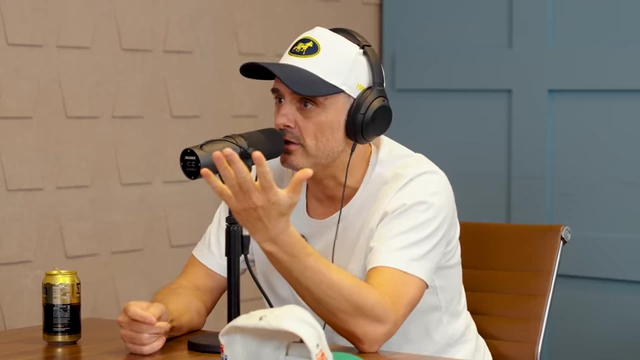
Gary Vaynerchuk explains that AI serves as a partner for information gathering, but human intelligence is crucial for prompt engineering and cultural understanding. [ 00:40:12 ]
- He sees AI as a partner, not a replacement, for human intelligence in content strategy. One still needs to be "smart enough to prompt engineer" and understand cultural nuances.
- Live Social Shopping: Platforms like Whatnot and TikTok Shop represent a massive, underexploited opportunity for sales-oriented influencers, particularly those with a mid-tier following (e.g., 40k-400k followers).
- He believes many creators who won't reach millions of followers as traditional influencers can leverage their salesmanship to build successful businesses through live commerce.

Gary Vaynerchuk suggests live social shopping on platforms like Whatnot and TikTok Shop as a path for creators to monetize salesmanship. [ 00:58:40 ]
- He believes many creators who won't reach millions of followers as traditional influencers can leverage their salesmanship to build successful businesses through live commerce.
- Gary Vee's Return to Content: After focusing on VaynerX and VFriends, Gary Vaynerchuk is re-prioritizing his personal brand content.
- His new strategy for 2026 is "produce with purpose and document, don't create."
- This means creating more focused, longer-form content on topics he deeply cares about (like AI influencers), in addition to his daily vlogs and livestreams.
- Mindset for College Graduates: He advises graduates (ages 22-30) to take high risks and pursue their dreams, living humbly (e.g., with roommates, eating ramen) without the pressure of immediate financial success.
- This period is the prime time for intense effort and ambition before major life commitments.
- He warns against complacency and chasing quick money, emphasizing that sustainable success requires patience, hard work, and humility.
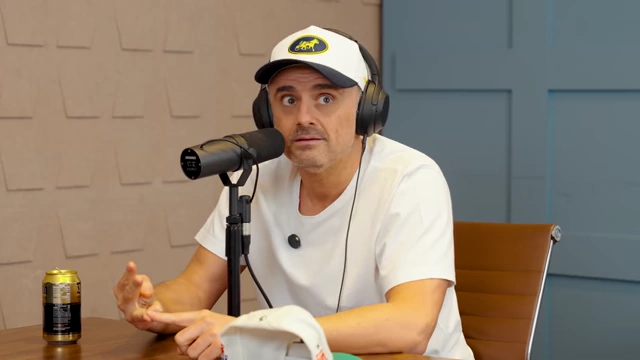
Gary Vaynerchuk, with a concerned expression, warns against the temptations of fast money and its potential negative consequences. [ 00:43:05 ] 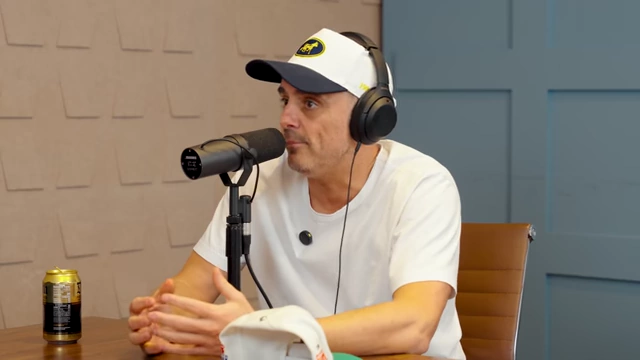
Gary Vaynerchuk advises young adults (22-30) to take high risks and live humbly while chasing their dreams. [ 00:44:40 ] 
Gary Vaynerchuk makes a fist, symbolizing the intense hunger and ambition needed to build a successful career. [ 00:53:15 ]
- Key Platforms for Attention: For others, he recommends focusing on:
- YouTube Shorts
- Snap Spotlight
- X (formerly Twitter)
- Live Streaming (IRL)
- Live Social Shopping (Whatnot, TikTok Shop)
- He notes that Snap Spotlight is undervalued due to low competition and high attention from younger demographics.
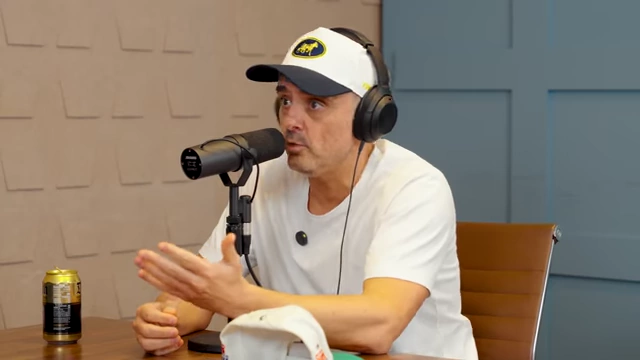
Gary Vaynerchuk explains that there's no reason not to leverage all social media platforms for attention. [ 00:36:36 ]