Challenges in Commissioning Artists: Managing Expectations, Deadlines, and Accountability in Freelance Work
Summary:
- The speaker, a VTuber, describes significant difficulties commissioning artists and self-employed professionals, citing frequent missed deadlines and lack of follow-through. [0:06]

Chat message discussing an artist failing to deliver sprites for a game. [ 00:00:05 ] - Artists often give excuses (sickness, tiredness) for delays while appearing active in non-work online, frustrating clients. [1:09]
- These issues often stem from the absence of traditional work structure and consequences, unlike regular employment. [1:30]
- Clients hesitate to publicly call out defaulting artists, fearing backlash, which inadvertently enables poor professional conduct. [3:01]
- Clients are also complicit by not proactively checking in on projects, only addressing issues near deadlines. [5:06]
- The speaker advises consistent weekly check-ins, setting clear expectations from the start, to prevent problems. [5:16]
- The idea that neurodivergence causes delays is challenged; many neurodivergent individuals are actually highly disciplined and structured. [7:21]
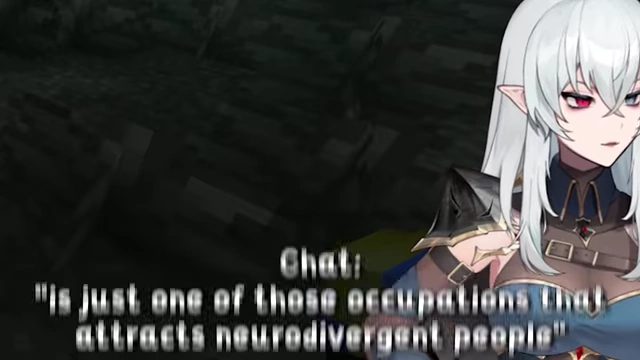
Chat suggesting neurodivergent people are attracted to creative occupations. [ 00:07:18 ] - Ultimately, the root problem is attributed to laziness, lack of discipline, or an inability to manage responsibility without external accountability. [8:02]
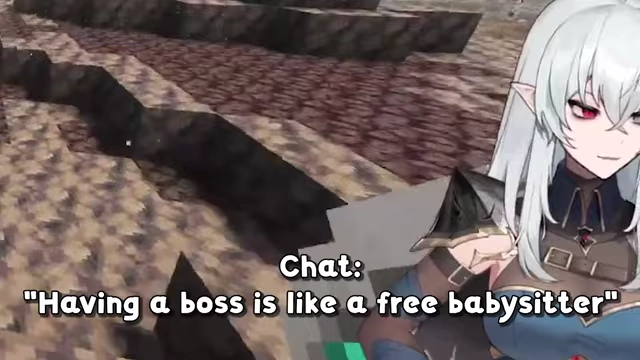
Chat comment: 'Having a boss is like a free babysitter'. [ 00:10:08 ]
1. The Frustration of Commissioning Artists [0:00]
- Common Issues in Commissioning
- Artists frequently fail to meet agreed-upon timelines and commitments, causing significant project delays. [0:14]
- Similar difficulties are observed across various self-employed individuals in the entertainment sector, not just artists. [0:34]
- While VTubers can also be bad at planning, the speaker emphasizes artists are often worse or similarly terrible at sticking to commitments. [0:34]

Chat message about VTubers and planning. [ 00:00:35 ]
- Impact on Projects and Client Experience
- Delays can halt critical project components, directly affecting launch schedules and client expectations. [0:56]
- Artists often provide excuses like chronic illness or being "so tired" for missed deadlines, even when given ample time. [1:09]
- Many artists are perceived as "genuinely like ass at sticking to work timelines that they promise you outwardly in writing." [0:27]
2. Understanding the Lack of Professional Accountability [1:22]
- Comparison to Traditional Employment
- The Role of Excuses and Client Hesitation
- Artists frequently use personal struggles (e.g., sickness, tiredness) as excuses for delays. [1:48]
- It's difficult for clients to discern legitimate issues from simple laziness, making direct confrontation challenging. [2:11]
- Clients fear being labeled negatively or facing online backlash if they publicly criticize an artist, even when justified. [3:01]
- This fear often silences legitimate complaints, allowing unprofessional behavior to persist. [3:17]
- Observation of Unprofessional Conduct
3. The Client's Role in Project Management [5:06]
- Importance of Proactive Communication
- Recommended Check-in Strategy
- Establish a routine of weekly check-ins from the very beginning of the project, communicating this expectation clearly to the artist. [5:16]
- Clients should state that a specific day (e.g., Monday) is for administrative tasks and updates, reassuring artists it's for note-taking, not pushing. [5:20]
- This proactive approach helps manage expectations, allows for early problem detection, and provides time for adjustments. [5:42]
- Establish a routine of weekly check-ins from the very beginning of the project, communicating this expectation clearly to the artist. [5:16]
- Consequences of Poor Client Management
- Prolonged issues, such as a project being off track for "6 months" without the client's knowledge, are often a direct result of the client's hands-off approach. [6:00]
- Clients are deemed "similarly complicit" (though not equally) in project failures if they do not manage their engagements effectively. [6:05]
- Publicly complaining about issues that could have been identified and resolved earlier through proper management is seen as embarrassing. [7:10]
4. Debunking the "Neurodivergence" Excuse [7:16]
- Challenging Common Assumptions
- The speaker addresses a chat comment suggesting that creative occupations attract neurodivergent people, implying this might contribute to timeline issues. [7:17]
Chat suggesting neurodivergent people are attracted to creative occupations. [ 00:07:18 ] - The speaker strongly disagrees, based on personal experience. [7:21]
- The speaker addresses a chat comment suggesting that creative occupations attract neurodivergent people, implying this might contribute to timeline issues. [7:17]
- Neurodivergence and Structure
- Many neurodivergent individuals, including autistic friends of the speaker, are highly regimented, organized, and excellent at communication and meeting deadlines. [7:24]
- This is often due to their need for structure to feel comfortable and ensure things are happening on schedule. [7:29]
- The speaker suggests that for many, neurodivergence often leads to the opposite trend: greater discipline and punctuality. [7:35]
- Root Cause: Laziness and Lack of Discipline
5. The Problem of Online Blame Culture [8:09]
- "Failing Upward" in Content Creation
- Content creators can sometimes gain sympathy and attention by publicly complaining about artists on platforms like Twitter, even before proper communication. [8:11]
- The first person to post and assign blame often receives public support and increased viewership ("a billion viewers"), regardless of the full story or their own managerial shortcomings. [8:22]
- Consequences for Accountability
- Different Intentions Behind Actions
6. The Importance of External Accountability [9:49]
- Benefits of a Boss/Manager
- Many individuals perform better in structured work environments with external accountability. [9:9]
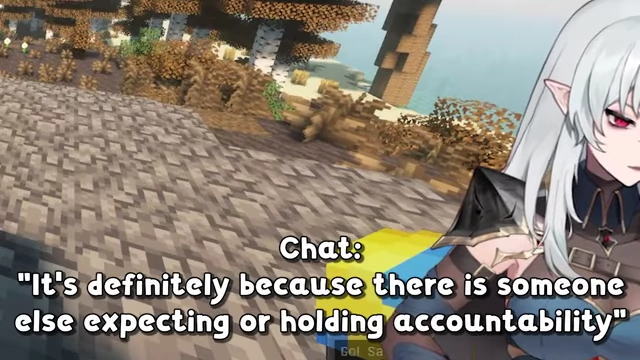
Chat message about external accountability being the reason for better work. [ 00:09:51 ] - A boss acts as a "free babysitter" for the employee by taking on the primary responsibility for project delays and managing communication with higher-ups. [10:09]
Chat comment: 'Having a boss is like a free babysitter'. [ 00:10:08 ]
- Many individuals perform better in structured work environments with external accountability. [9:9]
- Self-Inflicted Setbacks for the Self-Employed
- Without external pressure, some self-employed people "nerf themselves" by delaying their own projects. [9:47]
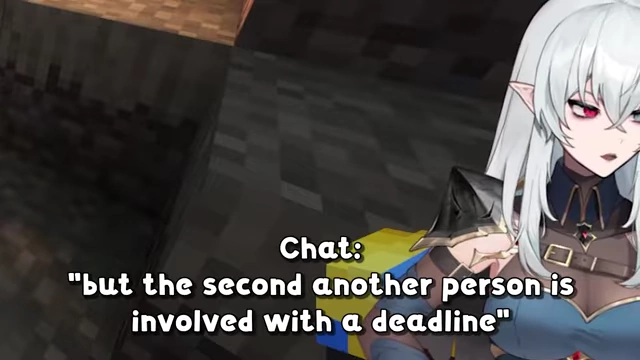
Chat comment on getting organized for external deadlines. [ 00:09:27 ] - They lack the internal drive or accountability to consistently perform when solely responsible for their output and deadlines. [10:06]
- Many people "can't take responsibility" and require external structure to function effectively professionally. [10:32]
- Without external pressure, some self-employed people "nerf themselves" by delaying their own projects. [9:47]