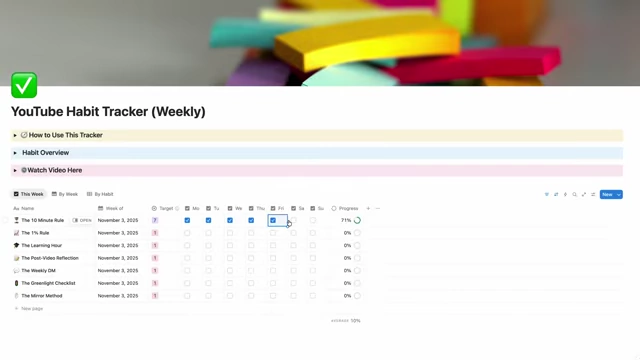
7 Daily and Weekly Habits of Top 1% YouTubers to Grow Your Channel
This video details seven habits practiced by top 1% YouTubers that contribute to their success, focusing on consistent "between-video" activities.
- The 10-Minute Rule: Dedicate 10 minutes daily to brainstorming 10 new video ideas, yielding numerous high-potential ideas over time.
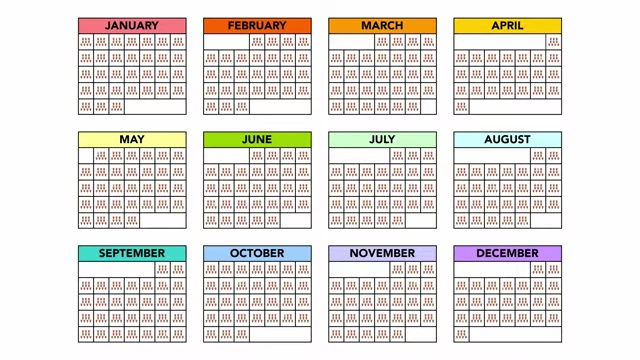
Calendar infographic showing how 10 ideas/day leads to 3650 ideas and 36 bangers in a year [ 00:01:24 ] - The Mirror Method: Create a separate YouTube account trained on your ideal viewer's preferences to identify niche trends and popular content.
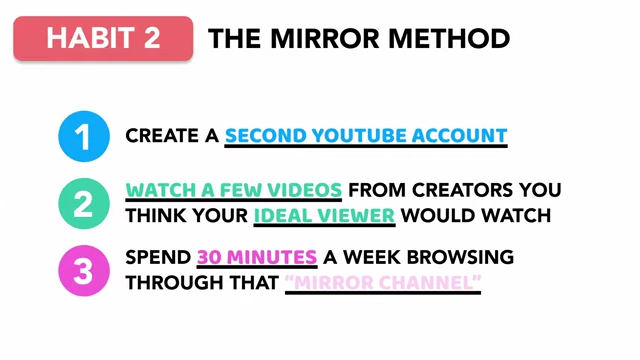
Instructions for creating and using a secondary YouTube account for market research [ 00:03:10 ] - The Greenlight Checklist: Develop a personalized checklist (3-5 criteria) to vet video ideas, ensuring they align with your creative identity and market potential.
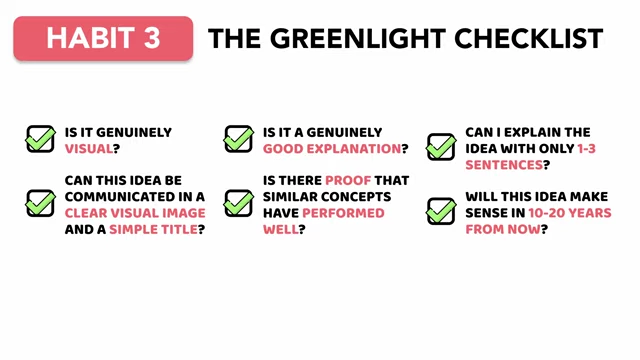
Different criteria for greenlighting video ideas, inspired by top YouTubers [ 00:06:45 ] - The Learning Hour: Prioritize one hour per week for dedicated learning related to your niche, continuously improving your skills.
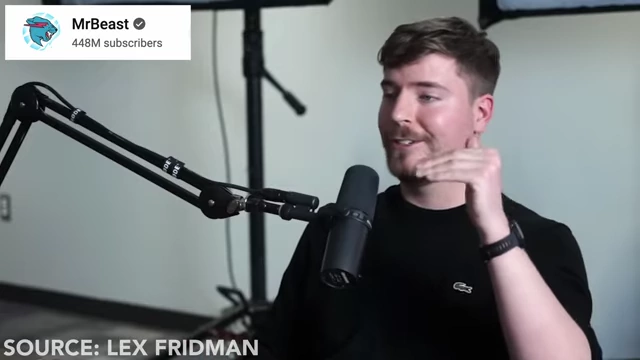
Mr. Beast emphasizing the importance of continuous learning [ 00:07:15 ] - The 1% Rule: Before each video, identify and focus on a single skill or element for a small, incremental improvement.
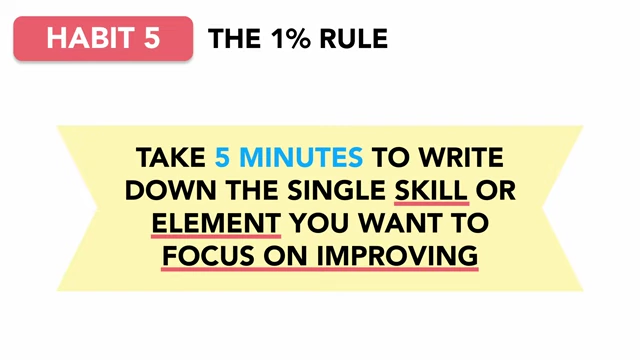
Infographic on the 1% Rule for incremental improvement [ 00:10:12 ] - The Post-Video Reflection: Two days after publishing, spend 30 minutes analyzing video performance using 3-5 key questions to inform future content and complete the creative feedback loop.
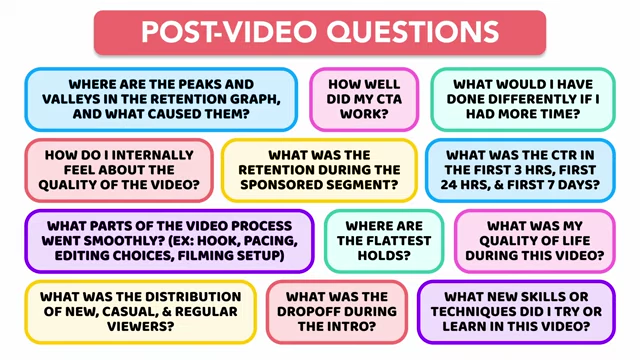
A detailed list of post-video reflection questions for creators [ 00:11:25 ] - The Weekly DM: Spend 10 minutes weekly sending a direct message to a creator peer to foster community and collaboration, as top creators rarely succeed alone.
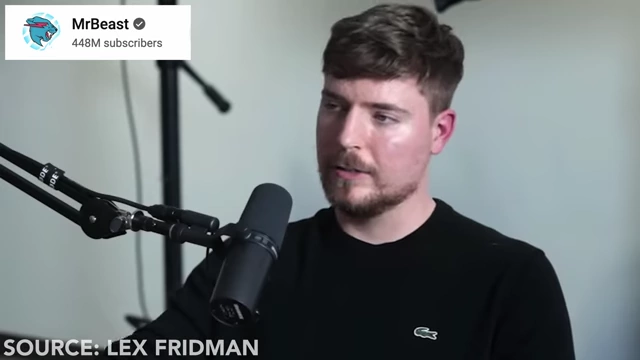
Mr. Beast speaking about the importance of networking with other creators [ 00:12:40 ]
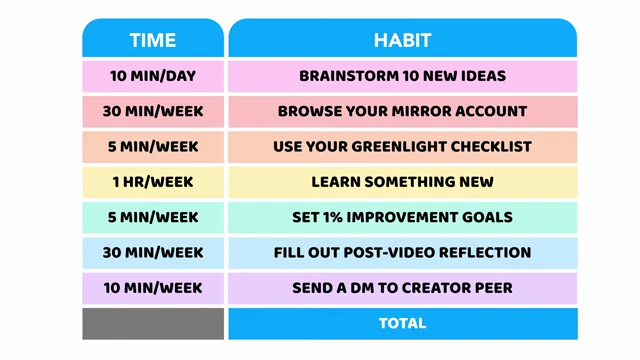
These habits, totaling just 3.5 hours per week, help creators continuously learn, innovate, and grow their channels.
Introduction [00:00]
The video highlights that top 1% YouTubers share common practices not in their skillset or strategy, but in what they do between videos. These small, consistent actions compound over time, leading to inevitable success. This video will break down seven such habits and how they can transform a YouTube channel.
1. The 10-Minute Rule [00:23]
The first habit is dedicating 10 minutes daily to brainstorming video ideas.
- Origin: This strategy comes from top YouTuber Ryan Trahan, known for his novel video ideas.
- Ryan Trahan sets a daily alarm to brainstorm 10 new video ideas, even interrupting conversations to do so.
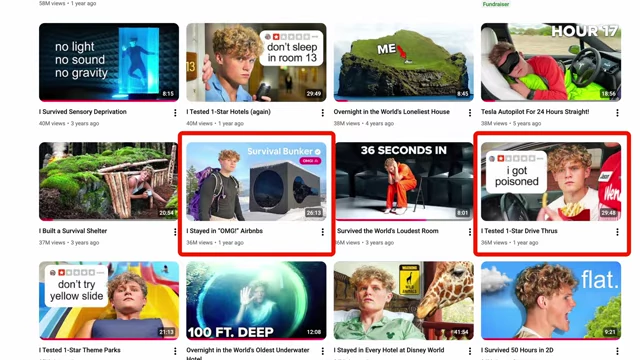
Ryan Trahan's YouTube channel displaying popular and novel video ideas [ 00:00:33 ]
- Ryan Trahan sets a daily alarm to brainstorm 10 new video ideas, even interrupting conversations to do so.
- Benefits:
- It's a disciplined approach to consistently generate ideas, rather than waiting for inspiration.
- Not every idea needs to be good; even if 99% are "garbage," daily practice yields many high-potential ideas over a year (e.g., 36 banger ideas from 3,650).
Calendar infographic illustrating that 10 ideas daily over a year can yield 36 banger ideas [ 00:01:24 ]
- Implementation:
- Start a new note on your phone's notes app.
- Set a daily recurring alarm for 10 minutes of ideation.
- Jot down 10 new video ideas per day.
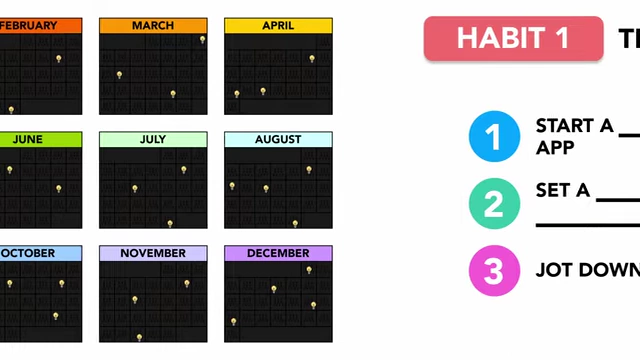
Infographic outlining the steps for implementing the 10-Minute Rule [ 00:01:31 ]
2. The Mirror Method [01:46]
The second habit is using a "mirror account" to understand trending content in your niche.
- Concept: Popularized by the Stokes Twins and also used by teams working with Mr. Beast and the Sidemen.
- Creators use a separate YouTube account, specifically trained on content their ideal viewers would watch.
- This provides a live snapshot of what's trending in their niche and related areas.
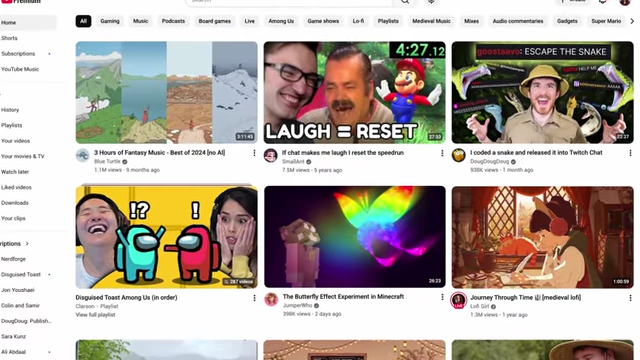
Example of a typical YouTube homepage personalized to the viewer's interests [ 00:02:40 ] 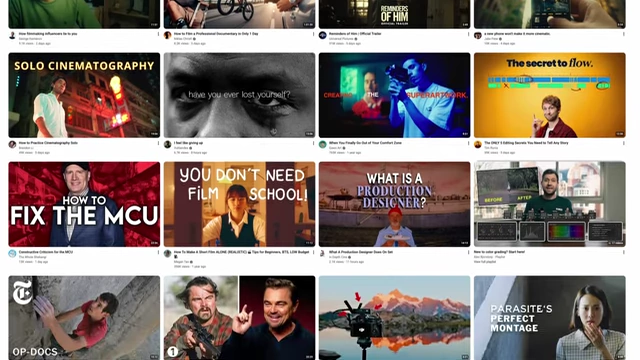
Example of a YouTube homepage for a "mirror account" trained on a specific niche like filmmaking [ 00:02:49 ]
- Benefits:
- Turns YouTube into a dedicated research tool.
- Helps identify trends early and capitalize on them.
- Develops creative intuition about popular and relevant videos.
- Implementation:
- Create a second YouTube account.
- Watch a few videos from creators you believe your ideal viewer would also watch. (Consult YouTube Studio's "what your audience watches" data if unsure).
- Spend 30 minutes a week browsing through this "mirror channel," paying attention to recommended videos on the homepage and suggested panel.
Instructions for creating and using a secondary YouTube account for market research [ 00:03:10 ] - Optionally, create additional mirror accounts for tangential or related niches to spot broader patterns.
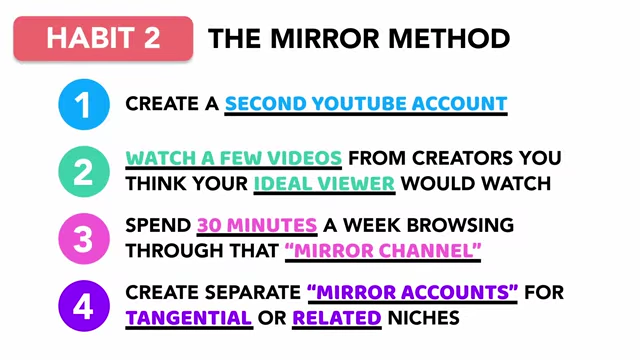
Infographic showing how to create separate mirror accounts for tangential niches [ 00:03:18 ] 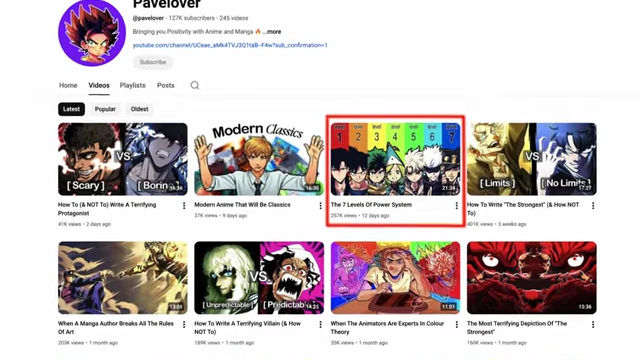
Examples of "7 Levels of X" video trends appearing across different niches like anime, boxing, and fantasy [ 00:03:22 ]
3. The Greenlight Checklist [03:36]
The third habit involves having a specific process for deciding which video ideas to pursue.
- Importance: Top creators understand that choosing what to make is as crucial as how it's made.
- Examples from Top Creators:
- Cleo Abram: Asks if the idea is genuinely visual, a good explanation, and an optimistic story.
- Mark Rober: Checks if the idea can be explained in 1-3 sentences.
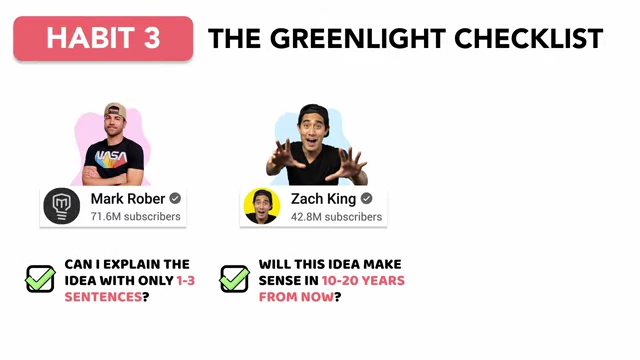
Greenlight checklist criteria from Mark Rober and Zach King [ 00:04:27 ] - Zach King: Considers if the idea will still be relevant in 10-20 years.
- Airrack: Filters ideas through his one-word brand filter: "mischievous."
- Many Top YouTubers: Prioritize if the idea can be communicated with a clear visual image and a simple title.
- Nick DiGiovanni: Emphasizes researching if similar concepts have been done before and how they performed, validating market interest.
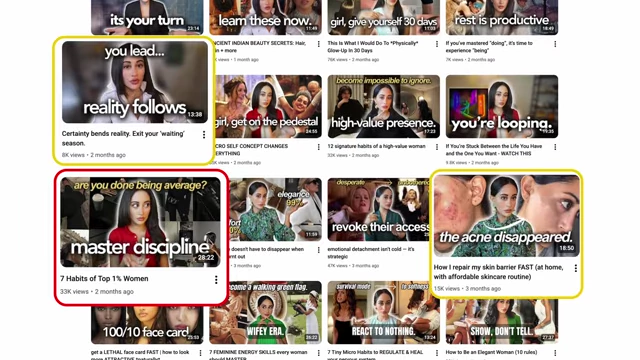
YouTube channel showcasing overperforming videos marked by yellow and red outlines [ 00:05:28 ]
- Building Your Own Checklist:
- Define your creative identity (e.g., one word that describes your channel's ethos).
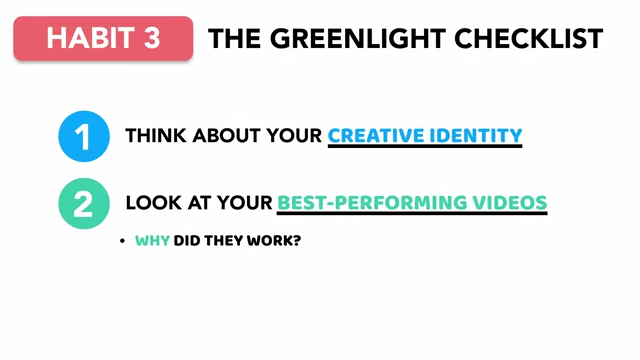
Steps for building your personalized greenlight checklist [ 00:06:33 ] - Analyze your best-performing videos to identify shared traits or characteristics that made them successful.
- Incorporate 3-5 criteria from other top creators that align with your channel.
A list of various criteria used by top YouTubers for their greenlight checklist [ 00:06:45 ] - Spend 5 minutes before committing to an idea to run it through your personalized checklist.
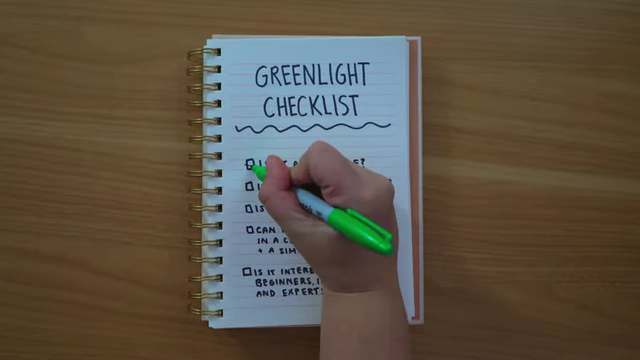
A hand checking off items on a "Greenlight Checklist" in a notebook [ 00:06:52 ]
- Define your creative identity (e.g., one word that describes your channel's ethos).
4. The Learning Hour [06:57]
The fourth habit is to prioritize continuous learning.
- Mr. Beast's Philosophy: A "never-ending thirst for learning" is essential to get and stay on top, as continuous learning provides a knowledge advantage.
Mr. Beast emphasizing the importance of continuous learning to stay on top [ 00:07:15 ] - Challenge: Learning is often the first activity cut when creators get busy.
- How Top Creators Learn:
- Michelle Khare: Studies documentaries.
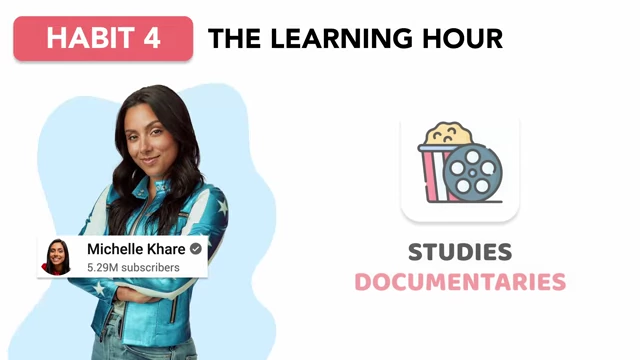
Michelle Khare studies documentaries for learning [ 00:07:54 ] - Cody Sanchez: Analyzes email copy.
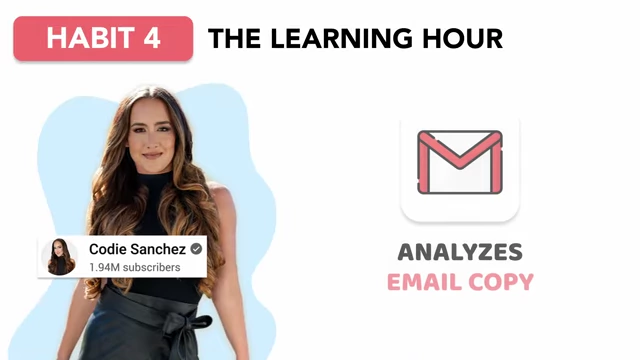
Cody Sanchez analyzes email copy for learning [ 00:07:56 ] - Preston Seo: Reads books on screenwriting.
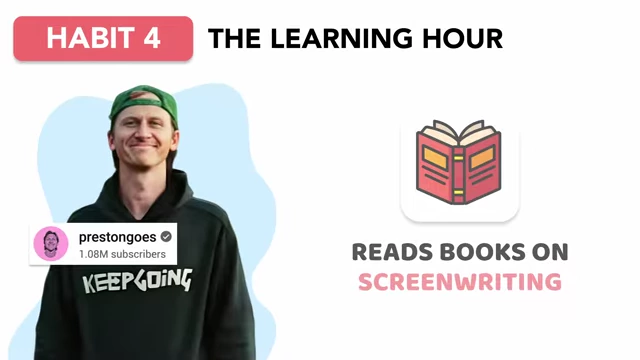
Prestongo goes reads books on screenwriting for learning [ 00:07:58 ] - Mr. Beast: Used to take daily walks to call people and learn something new.
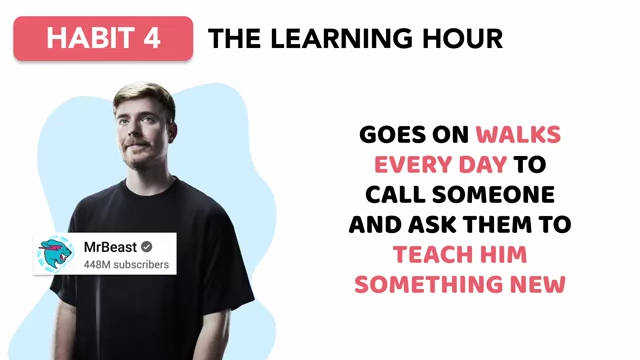
Mr. Beast's unique approach to learning something new every day by calling people [ 00:08:02 ]
- Michelle Khare: Studies documentaries.
- Implementation:
- Dedicate 1 hour per week specifically for learning, whether it's studying traditional media or watching other YouTube videos.
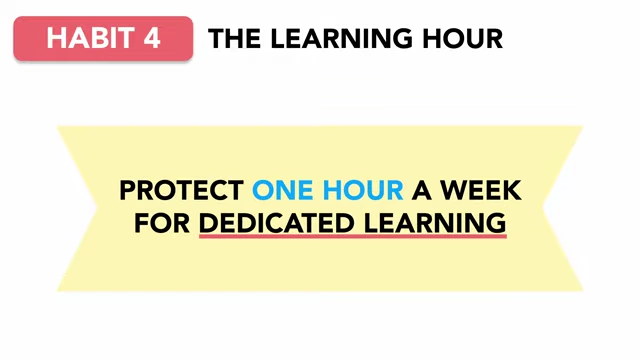
Infographic emphasizing the importance of protecting one hour per week for dedicated learning [ 00:08:11 ] - Self-Assessment (Mr. Beast's Test): If you don't look back at your videos every six months and see things you could improve or "hate" them a little, you're not learning fast enough.
- Dedicate 1 hour per week specifically for learning, whether it's studying traditional media or watching other YouTube videos.
5. The 1% Rule [08:34]
The fifth habit focuses on incremental improvements.
- Concept: Learning is only effective when applied. Top creators are masters of implementing new knowledge through small, consistent experiments.
- Matt Pat of The Game Theorists: Views each video as an opportunity to experiment, achieve something new, and learn.
- Incremental vs. Radical Change: While it's tempting to overhaul a channel with every new learning, gradual, 1% improvements are more effective.
- Mr. Beast's Model for Improvement:
- Each video focuses on improving one specific element: script, editing trick, vocal inflections, thumbnail, title, coloring, frame rate, pacing, jokes, etc.
- There's no such thing as a "perfect video," so continuous improvement is always possible.
- Implementation:
- Before making each video, spend 5 minutes writing down the single skill or element you want to focus on improving.
Infographic detailing the 1% Rule: take 5 minutes to identify one skill or element to improve per video [ 00:10:12 ] - This forces intention and translates learning into actual growth.
- Before making each video, spend 5 minutes writing down the single skill or element you want to focus on improving.
6. The Post-Video Reflection [10:22]
The sixth habit is reflecting on video performance after publishing.
- Importance: Publishing a video isn't the finish line; analyzing its performance is crucial for the creative feedback loop.
- Mrwhosetheboss's Ritual: Two days after a video goes live, he spends 30 minutes analyzing metrics like:
- Countries it performed well in.
- Audience retention (duration, drop-off points, spikes).
- Overall engagement.
- The Creative Feedback Loop:
- Learn something new.
- Apply it as a 1% improvement in the next video.
- Evaluate the impact of that improvement.
- Repeat the cycle.
- Without evaluation, you cannot determine if your changes are effective.
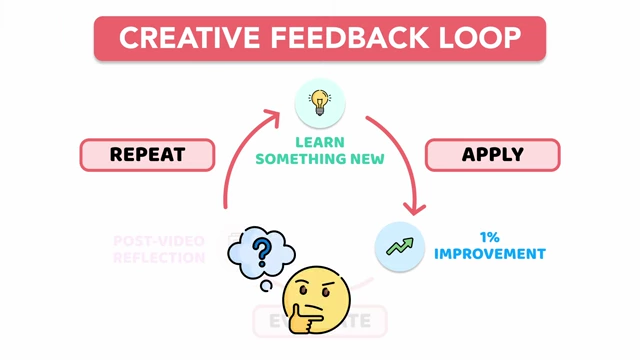
Diagram illustrating the Creative Feedback Loop: Learn, Apply (1% improvement), Evaluate, and Repeat [ 00:11:12 ]
- Implementation:
- Choose 3-5 key questions that best represent how you want to evaluate video success (e.g., retention peaks/valleys, CTA effectiveness, CTR, internal feeling about quality, smooth process parts, new skills learned).
A detailed list of post-video reflection questions for creators [ 00:11:25 ] - Build these questions into a template.
- Two days after each video goes live, spend 30 minutes filling out the template.
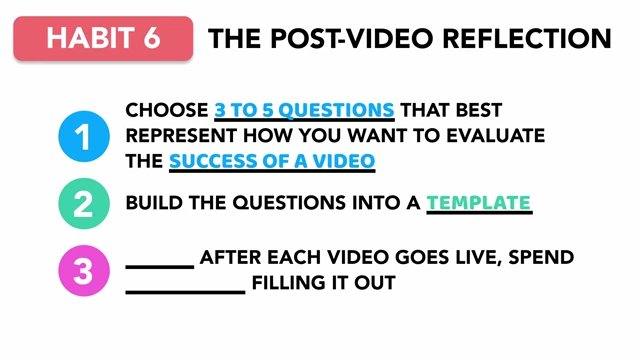
Infographic summarizing the steps for implementing the post-video reflection habit [ 00:11:36 ] - Use the answers to guide your next learning hour or 1% improvement goal.
- Choose 3-5 key questions that best represent how you want to evaluate video success (e.g., retention peaks/valleys, CTA effectiveness, CTR, internal feeling about quality, smooth process parts, new skills learned).
7. The Weekly DM [11:46]
The seventh and final habit is actively building a creator community.
- Importance: Top creators rarely succeed alone; they leverage a network of peers.
- Ryan Trahan, Michelle Khare, and Airrack participate in "think tanks" with other YouTubers to brainstorm and discuss strategies.
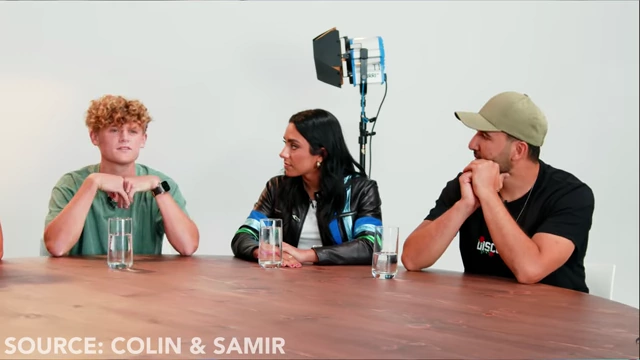
Ryan Trahan, Michelle Khare, and Airrack discussing ideas in a 'think tank' setting [ 00:12:09 ] - Nick DiGiovanni frequently collaborates with others.
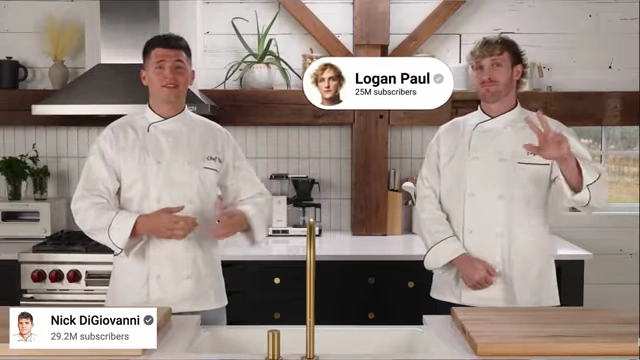
Nick DiGiovanni collaborating with Logan Paul in a kitchen setting [ 00:12:12 ] - Mr. Beast attributes much of his success to his creator friend group, emphasizing the strategic value of mutually beneficial relationships.
Mr. Beast discussing the significant impact of his creator friend group on his success [ 00:12:40 ]
- Ryan Trahan, Michelle Khare, and Airrack participate in "think tanks" with other YouTubers to brainstorm and discuss strategies.
- Breaking Isolation: If you're the only YouTuber you know, take action to change that.
- Implementation:
- Spend just 10 minutes a week sending one direct message (DM) to a creator peer.
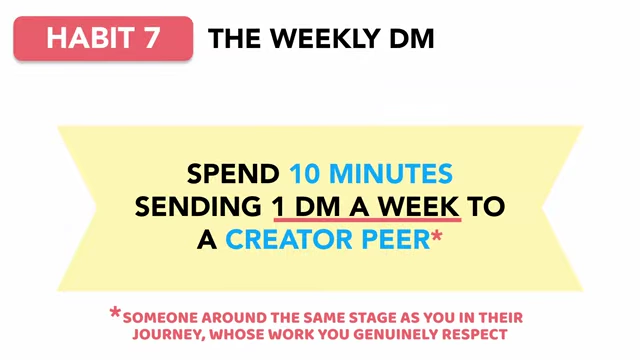
Infographic outlining Habit 7: Send one DM a week to a creator peer [ 00:12:54 ] - This should be someone at a similar stage in their journey whose work you genuinely respect.
- DMs can be simple: a compliment on a video, words of encouragement, or a small collaboration idea.
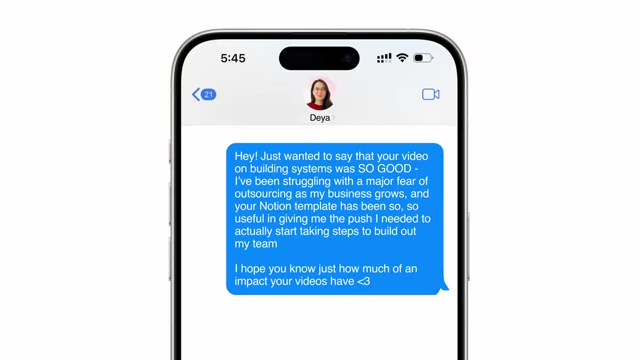
Example of a direct message complimenting a creator's video [ 00:13:03 ] 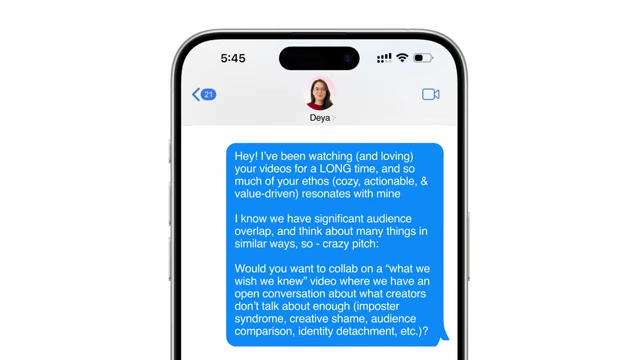
Example of a direct message proposing a collaboration idea to a creator peer [ 00:13:07 ] - Not everyone will respond, which is why consistency (52 chances a year) is key.
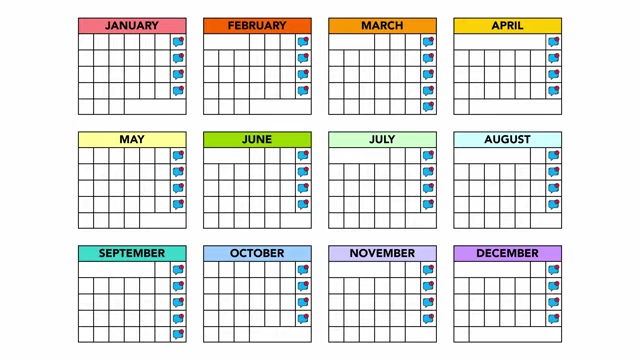
Calendar illustration showing consistent weekly direct messages [ 00:13:14 ] - One meaningful connection can significantly alter your channel's trajectory.
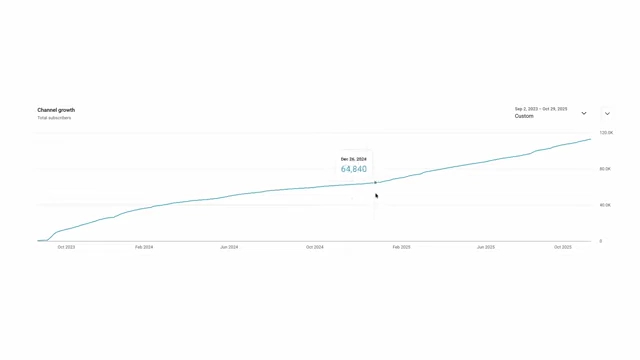
A graph illustrating channel growth, emphasizing the potential for a significant change in trajectory [ 00:13:21 ]
- Spend just 10 minutes a week sending one direct message (DM) to a creator peer.
Conclusion
These seven habits, totaling approximately 3.5 hours per week (or 30 minutes a day), provide a robust framework for consistent growth. Even starting with one habit and gradually adding more can build significant momentum.