Japan's Sex Tourism: Economic Drivers, Social Concerns, and Safety Challenges in Kabukicho
Summary:
Japan's sex tourism is expanding, particularly targeting foreign visitors, driven by a weakened yen and economic necessity for the industry. This shift raises significant concerns among Japanese citizens and industry insiders. Key issues include:
- A growing number of foreign clients, especially in areas like Kabukicho, due to favorable exchange rates and a decline in Japanese clientele's spending power.
- The widespread use of social media for promotion, attracting more international tourists.
- Mounting worries about Japan's national image and the potential stigmatization of Japanese women.
- The rise of unregulated freelance sex workers ("tachibo") who operate outside of established brothels, posing safety and public health risks like the spread of STDs.
- Increased instances of sexual violence against sex workers, often exacerbated by language barriers and cultural misunderstandings, with many cases going unreported.
- Calls for stricter government regulation on freelance sex workers to ensure safety and prevent negative repercussions.
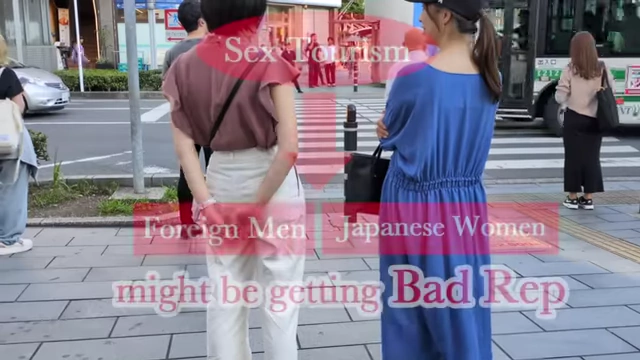
Visual outlining the concern about sex tourism leading to a bad reputation for foreign men and Japanese women. [ 00:03:04 ]
The Rise of Sex Tourism and Initial Concerns [00:00:00]
- Japan is witnessing a rise in sex tourism, with an increasing influx of foreign tourists seeking such services.
- This trend is causing discomfort and mounting worries among many Japanese citizens.
- Some experts argue that this growth is a "necessity" for the industry's survival, given the current economic climate.
Economic Drivers and Industry Adaptation [00:00:08]
- Economic Impetus: The depreciation of the Japanese yen and rising poverty contribute to the industry's reliance on foreign clients.
- Japanese men, especially younger generations, are less inclined or able to spend money on such services compared to before.
- Foreign tourists, often wealthier, represent a significant financial opportunity for businesses.

News headline indicating Tokyo is turning to sex tourism as the yen struggles and poverty rises. [ 00:00:10 ] 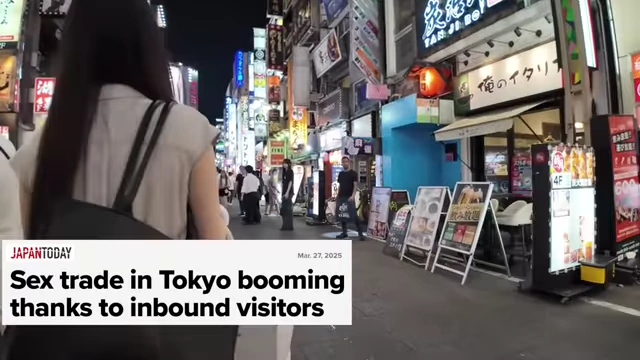
News headline stating the sex trade in Tokyo is booming thanks to inbound visitors. [ 00:06:28 ]
- Shift in Business Practices:
- Historically, brothels in Japan generally did not accept foreign clients.
- Now, a significant majority (over 70%) of brothels in areas like Kabukicho accept foreigners.
- This adaptation is partly due to the perception that foreign clients are less physically demanding and, in some cases, easier to manage than Japanese clients.
- Communication Challenges and Service Adjustments:
- While sex workers generally prefer Japanese clients for smoother communication, some will adjust service rules (e.g., regarding condom use) to accommodate foreign clients if communication is difficult.
- The industry's rules, originally for Japanese clients, are not always clearly understood by foreigners, leading to potential issues.
- Social Media Promotion: Social media plays a significant role in attracting international tourists to the sex industry.
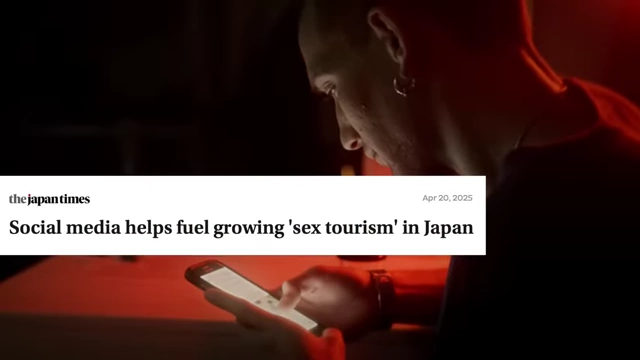
News headline indicating social media helps fuel growing sex tourism in Japan. [ 00:01:34 ]
Social Implications and Stigmatization [00:02:26]
- Public Debate: There is a significant debate in Japan regarding the country's role as a sex tourism destination.
- Concerns are widespread, even within the industry, that this trend could tarnish Japan's image and perception of foreigners.
- Stigmatization of Foreigners and Japanese Women:
- The expansion of sex tourism could lead to foreigners being stigmatized as "players" or only interested in sex.
- There is also a fear that Japanese women might face negative stereotypes, reinforcing a "Japanese girls are easy" prejudice.
Visual outlining the concern about sex tourism leading to a bad reputation for foreign men and Japanese women. [ 00:03:04 ]
Regulatory Challenges and Freelance Sex Workers [00:03:48]
- Legal Ambiguity and Arrests: While certain aspects of the sex industry are regulated, violations occur, leading to arrests, particularly among businesses targeting tourists.
- News reports confirm arrests related to tourist-targeted prostitution, often involving translation apps.

News headline reporting arrests in a tourist-targeted prostitution business that used translation apps. [ 00:02:24 ]
- News reports confirm arrests related to tourist-targeted prostitution, often involving translation apps.
- The Rise of "Tachibo" (Freelance Sex Workers):
- Despite police crackdowns on scout groups that recruit women for sexual services, freelance sex workers remain largely unregulated.
- These freelancers often solicit clients directly on the streets, making the areas feel unsafe and unregulated.
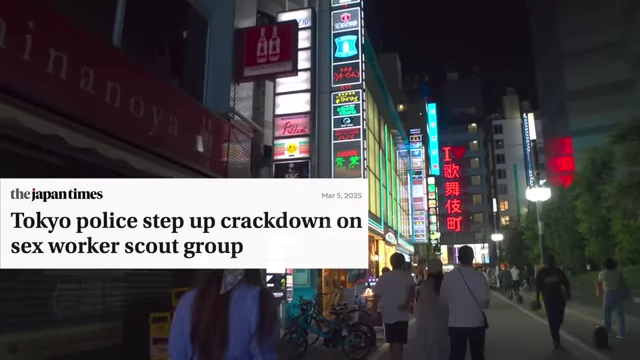
News headline about Tokyo police stepping up crackdown on sex worker scout groups. [ 00:03:43 ] 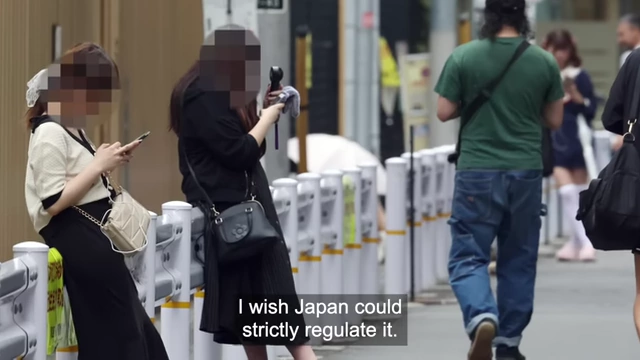
Unregulated freelance sex workers, known as "tachibo," soliciting clients on the street in Tokyo. [ 00:04:22 ] - Established brothels and their workers, who follow some regulations (e.g., health checks to prevent STDs), do not want to be associated with these unregulated freelancers.
- There is a clear call for the government to implement stricter regulations on "tachibo," similar to the intensified crackdown on scouts.
Government's Role and Future Outlook [00:06:05]
- Some critics argue that the government is largely to blame for the current situation, as they have encouraged tourism without adequately addressing the social and safety implications.
- The fundamental issue is seen as the government allowing tourists to visit primarily for the purpose of engaging in the sex industry, without proper safeguards or regulations.

Politician Taro Yamamoto states that the government is to blame for the current sex tourism situation in Japan. [ 00:06:32 ] - There's a strong sentiment that if the government is going to invite these types of tourists, it must also take responsibility for ensuring the safety and well-being of its citizens, including those working in the sex industry, and maintaining a positive national image.
Safety and Violence Concerns for Sex Workers [00:07:00]
- Increased Risks Due to Tourism: The expansion of sex tourism is feared to increase the risk of violence against sex workers, primarily due to language barriers and cultural differences.
- Many instances of violence go unreported.
- Sex workers often encounter situations where clients engage in acts that are deemed violent or abusive in Japan but might be perceived differently or simply not understood by foreign clients.
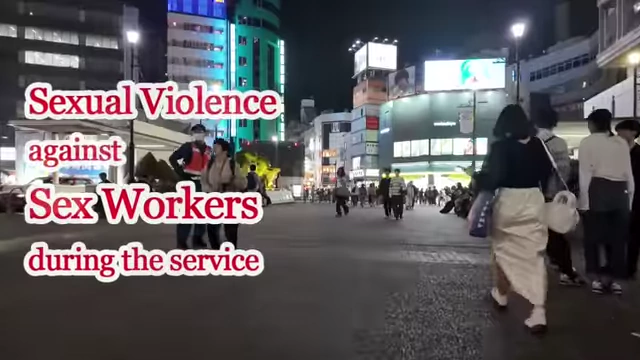
Text overlay highlighting the issue of sexual violence against sex workers during service. [ 00:07:02 ]
- Communication Breakdown: The inability of sex workers to clearly communicate "stop, it hurts" in English or other languages puts them at a higher risk of enduring unwanted or painful acts.
- Vulnerability of Non-Dispatched Workers: The lack of a system to report or address issues in non-dispatched cases (freelancers or those working outside official systems) makes it difficult to ensure their safety.