Bryan Johnson's Guide to Detoxifying Your Home: Identifying and Removing Hidden Health Hazards
Summary:
Bryan Johnson identifies 15 common hidden health hazards in homes and provides practical solutions for a healthier living environment, focusing on building sustainable systems and habits. Key recommendations include:
- Removing shoes at the door to prevent tracking in 85% of outside contaminants like lead and pesticides.
- Monitoring indoor air quality with specialized sensors for PM2.5, CO2, and VOCs, and using high-efficiency MERV filters in HVAC systems.
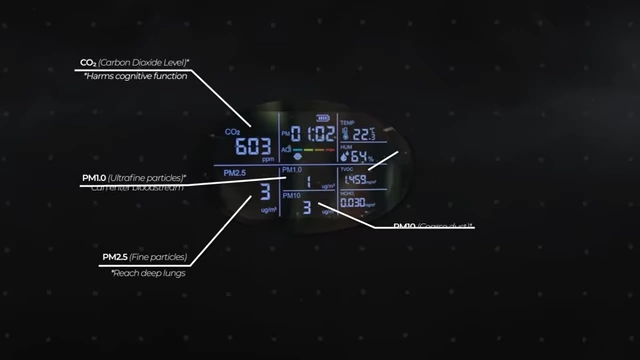
A close-up of an air quality monitor display showing levels of CO2, PM1.0, PM2.5, PM10, and TVOC with their associated health impacts. [ 00:01:21 ] - Installing and regularly testing smoke, carbon monoxide, and radon detectors, noting radon as the second leading cause of lung cancer.
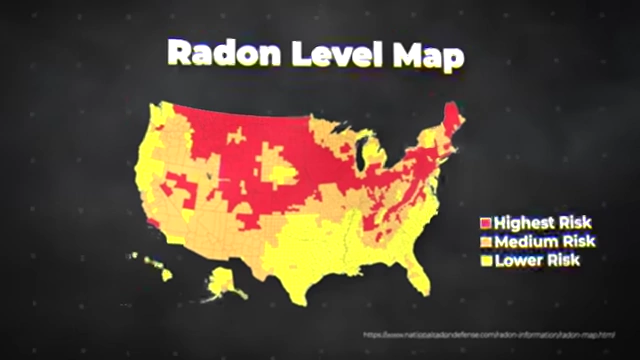
A map of the United States displaying radon risk levels across different regions, categorized as highest, medium, and lower risk. [ 00:03:30 ] - Filtering tap water with a reverse osmosis system to remove heavy metals, PFAS, and microplastics.
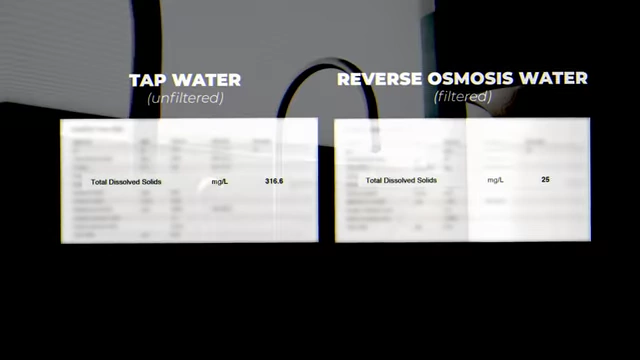
A chart comparing unfiltered tap water (316.6 mg/L) and reverse osmosis filtered water (25 mg/L) based on total dissolved solids. [ 00:04:50 ] - Eliminating plastics and non-stick pans (due to PFAS) from the kitchen, opting for stainless steel or cast iron, and replacing gas stoves with induction cooktops to avoid nitrogen dioxide and fine particles linked to childhood asthma.
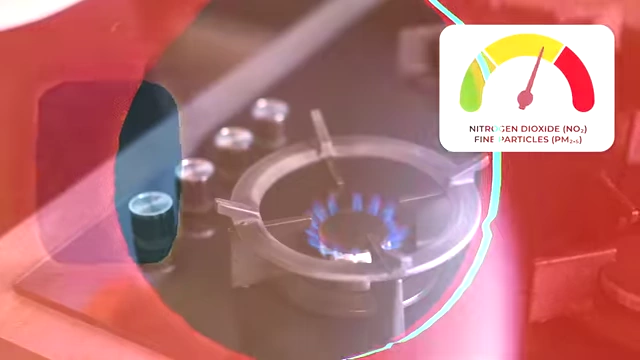
An infographic showing a gas burner and a gauge indicating spikes in nitrogen dioxide and fine particles when in use. [ 00:06:35 ] - Controlling UV exposure with window films and conscious outdoor practices, particularly UVA rays which contribute to skin aging and melanoma risk.
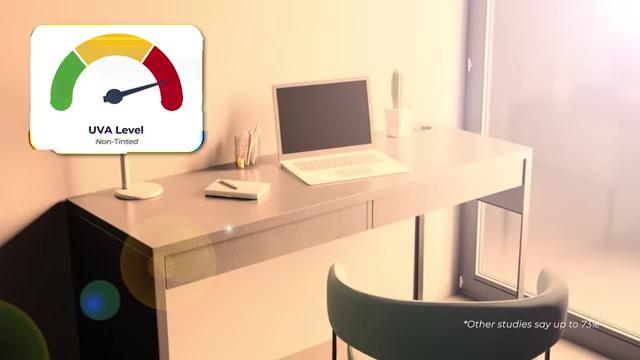
An infographic illustrates that non-tinted windows allow a moderate UVA level to pass through, indicating potential skin exposure indoors. [ 00:08:59 ] - Maintaining hard floors or vacuuming carpets with HEPA filters twice weekly to remove 99.97% of microplastic particles.
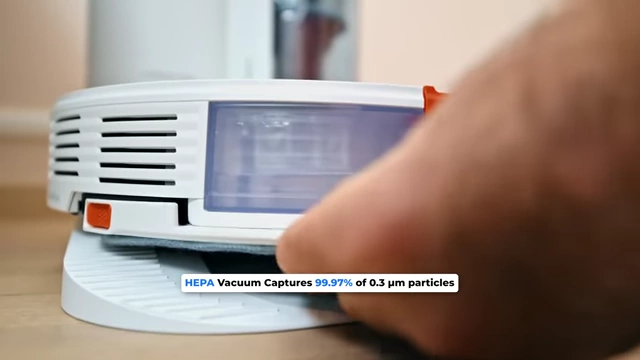
A robot vacuum cleaner with on-screen text highlighting its HEPA filter's ability to capture 99.97% of 0.3 µm particles. [ 00:10:05 ] - Optimizing sleep by blacking out the bedroom, using red LED lights, and incorporating pink noise machines, as even minimal light (10 lux) can halve melatonin production.
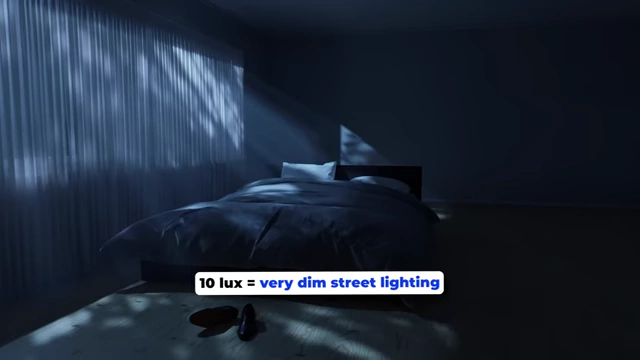
A dark bedroom with minimal light filtering through the window, illustrating that even 10 lux of light (very dim street lighting) can disrupt sleep. [ 00:11:47 ] - Minimizing EMF exposure from devices (e.g., keeping Wi-Fi routers out of the bedroom, turning off mobile data/Bluetooth at night) while ongoing research clarifies its impact. The overarching philosophy is to build "systems and habits" to create an autonomously healthy home, reducing constant anxiety about toxins and approaching home health improvements incrementally.
Entryway and Initial Contaminant Control [00:00:20]
- Removing Shoes at the Door [00:00:30]
- The first four steps inside a house can track in 85% of outside contaminants, including lead, pesticides, PFAS, and microplastics.
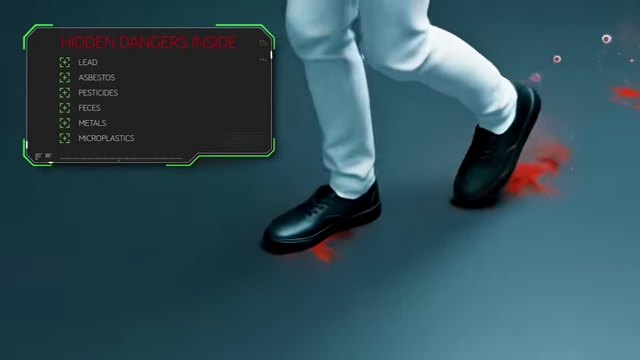
Common contaminants tracked into homes by shoes. [ 00:00:40 ] - Once inside, these substances are far more likely to enter the bodies of residents.
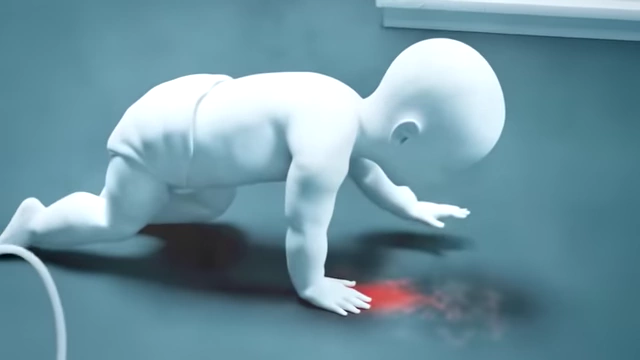
An animated baby crawls, showing how contaminants can get into the body. [ 00:00:51 ]
- The first four steps inside a house can track in 85% of outside contaminants, including lead, pesticides, PFAS, and microplastics.
Monitoring and Improving Indoor Air Quality [00:00:56]
- Sources of Airborne Pollutants [00:00:58]
- Toxins and carcinogens can drift in through windows and vents, and gas stoves release harmful pollutants like nitrogen dioxide and fine particles.
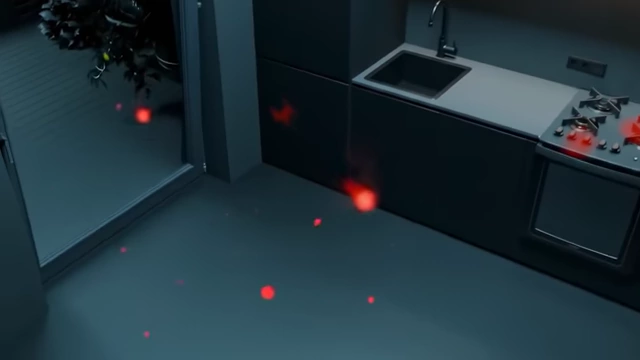
Animated representation of airborne pollutants drifting into a kitchen through windows and from a gas stove. [ 00:01:05 ]
- Toxins and carcinogens can drift in through windows and vents, and gas stoves release harmful pollutants like nitrogen dioxide and fine particles.
- Air Quality Monitors [00:01:07]
- Specialized sensors are needed to measure indoor air quality, tracking specific toxins like PM2.5, PM1, PM10, VOCs, and CO2.
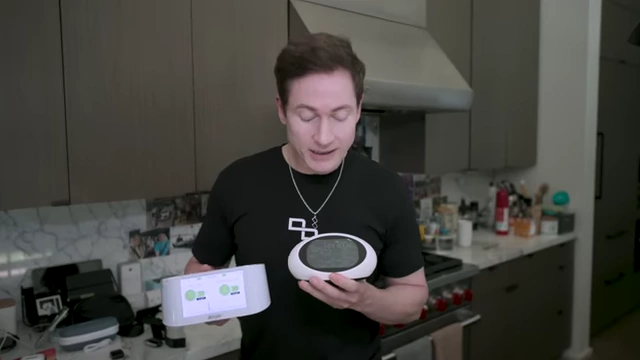
Bryan Johnson demonstrates two different indoor air quality monitors. [ 00:01:14 ] - These devices provide continuous data to assess the effectiveness of air purifiers and HVAC systems.
A close-up of an air quality monitor display showing levels of CO2, PM1.0, PM2.5, PM10, and TVOC with their associated health impacts. [ 00:01:21 ] - High CO2 levels can indicate poor ventilation due to too many people in the house.
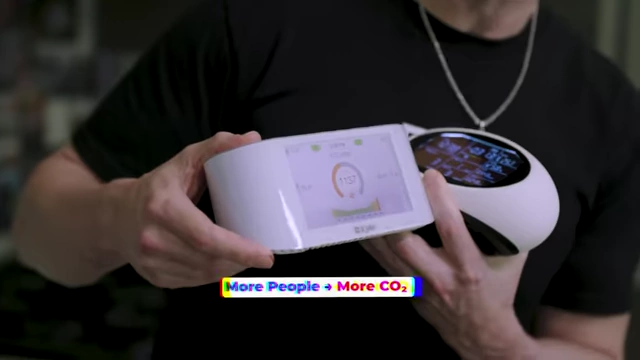
Bryan Johnson illustrates how the number of people in a house correlates with increased CO2 levels shown on an air quality monitor. [ 00:01:31 ] - Monitors also provide data on outdoor air quality, which can influence indoor strategies.

An air quality monitor overlaying data on outdoor air pollution in Redondo Beach, showing a contrast with indoor air quality. [ 00:01:36 ]
- Specialized sensors are needed to measure indoor air quality, tracking specific toxins like PM2.5, PM1, PM10, VOCs, and CO2.
- HVAC Filtration [00:02:05]
- MERV (Minimum Efficiency Reporting Value) ratings indicate a filter's ability to capture toxins.
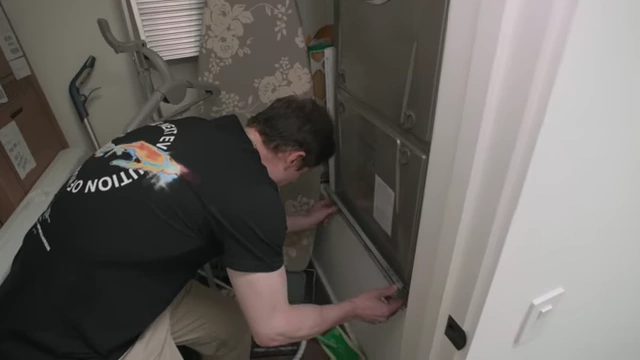
Bryan Johnson removing a used air filter from an HVAC unit. [ 00:01:49 ] - A MERV 13 filter is recommended if the HVAC system can handle it; lower ratings like MERV 8 only capture about 30% of PM2.5.
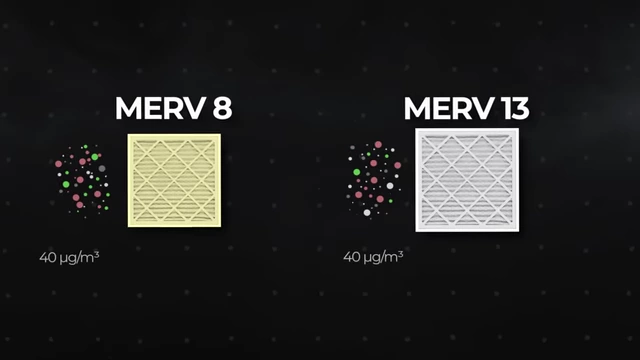
A comparison graphic shows MERV 8 filters capture less PM2.5 than MERV 13 filters. [ 00:02:20 ] - The HVAC system should be the primary defense for air quality, with air filters serving as an add-on.
- MERV (Minimum Efficiency Reporting Value) ratings indicate a filter's ability to capture toxins.
Detecting Deadly Gases [00:02:46]
- Smoke Alarms [00:02:52]
- Despite being common, 3 out of 5 fire deaths in homes are due to dead or missing smoke alarms, emphasizing the need for monthly testing.
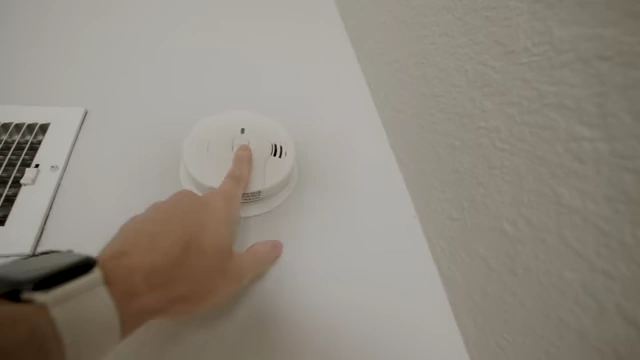
A hand presses the test button on a smoke alarm. [ 00:03:37 ]
- Despite being common, 3 out of 5 fire deaths in homes are due to dead or missing smoke alarms, emphasizing the need for monthly testing.
- Carbon Monoxide Detectors [00:03:08]
- Carbon monoxide detectors are crucial, as carbon monoxide kills hundreds of Americans annually.

Bryan Johnson holding a carbon monoxide detector, with on-screen text stating that carbon monoxide kills 400 Americans each year. [ 00:03:10 ]
- Carbon monoxide detectors are crucial, as carbon monoxide kills hundreds of Americans annually.
- Radon Testing [00:03:13]
- Radon is an invisible, odorless gas from the earth and is the second most prominent cause of lung cancer after smoking.
- Regular radon testing is essential to understand and mitigate risk, especially in high-risk areas.
A map of the United States displaying radon risk levels across different regions, categorized as highest, medium, and lower risk. [ 00:03:30 ]
Kitchen Contaminants and Safer Alternatives [00:03:46]
- Water Contamination [00:03:50]
- Tap water can contain heavy metals, PFAS, microplastics, pesticides, VOCs, and pharmaceutical residues, even in areas with good public water systems.
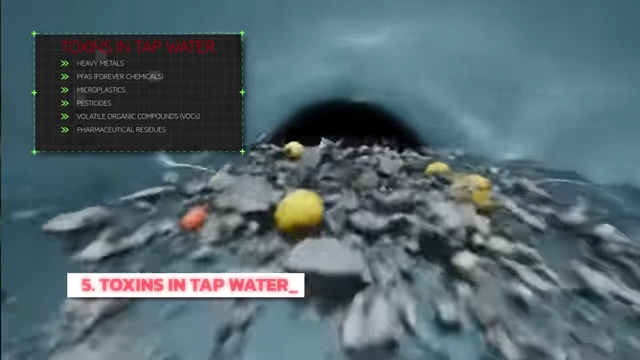
An infographic lists various toxins found in tap water, including heavy metals, PFAS, microplastics, pesticides, VOCs, and pharmaceutical residues. [ 00:03:54 ]
- Tap water can contain heavy metals, PFAS, microplastics, pesticides, VOCs, and pharmaceutical residues, even in areas with good public water systems.
- Reverse Osmosis (RO) Filtration [00:04:22]
- RO systems are highly effective at filtering out these contaminants, significantly reducing dissolved substances from over 300 mg/L to almost nothing.
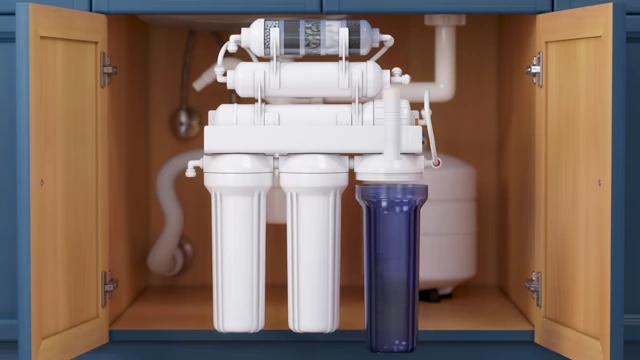
A diagram illustrates a reverse osmosis water filtration system installed under a sink. [ 00:04:26 ]
A chart comparing unfiltered tap water (316.6 mg/L) and reverse osmosis filtered water (25 mg/L) based on total dissolved solids. [ 00:04:50 ] - These systems range from a few hundred to over a thousand dollars and require filter cleaning/replacement every few months.
- RO systems are highly effective at filtering out these contaminants, significantly reducing dissolved substances from over 300 mg/L to almost nothing.
- Avoiding Plastics [00:05:05]
- Plastics are pervasive in modern life, including medical and household items; it's challenging to completely remove them.
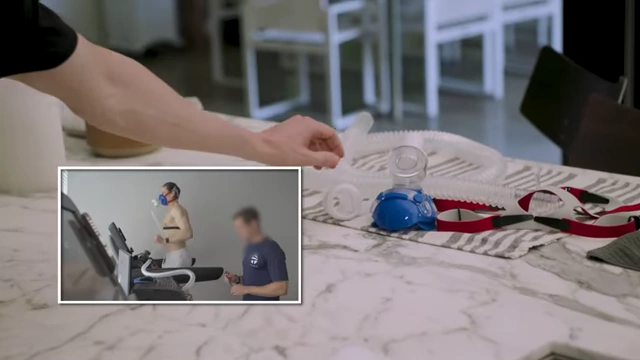
Bryan Johnson points to various plastic medical devices used in his home, highlighting plastic's pervasiveness. [ 00:05:16 ] - Replace plastic items with alternatives like wood, ceramic, or food-grade stainless steel.
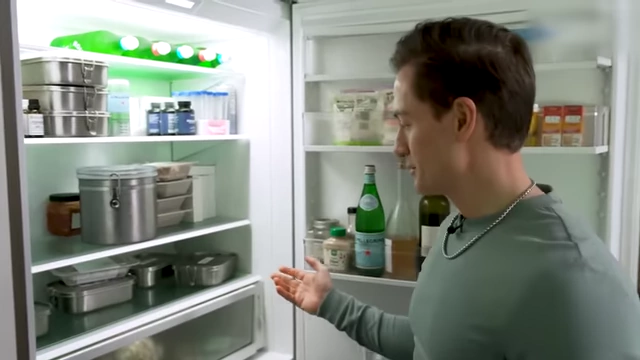
A refrigerator stocked with food in stainless steel containers, minimizing plastic use. [ 00:05:07 ] - Be mindful of hidden plastics in everyday items, such as grocery bags.
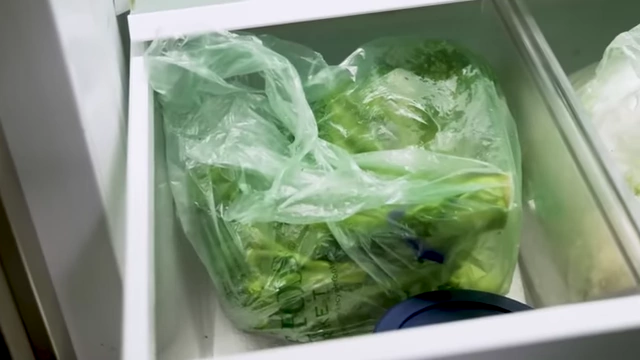
A plastic bag containing vegetables is seen inside a refrigerator drawer, illustrating hidden plastic. [ 00:05:35 ] - Avoid plastic kitchen utensils.

A graphic shows black plastic kitchen utensils with a 'thumbs down' icon, advising against their use. [ 00:05:43 ]
- Plastics are pervasive in modern life, including medical and household items; it's challenging to completely remove them.
- Non-Stick Pans [00:05:53]
- Non-stick pans should be avoided due to the presence of PFAS, known as "forever chemicals."
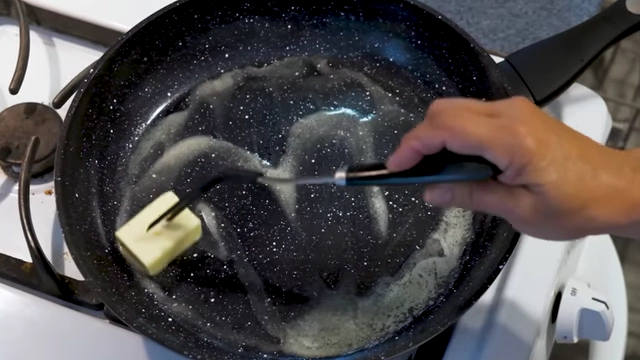
A non-stick pan with melting butter. [ 00:06:02 ] - Opt for materials like food-grade stainless steel or cast iron, which do not contain PFAS.
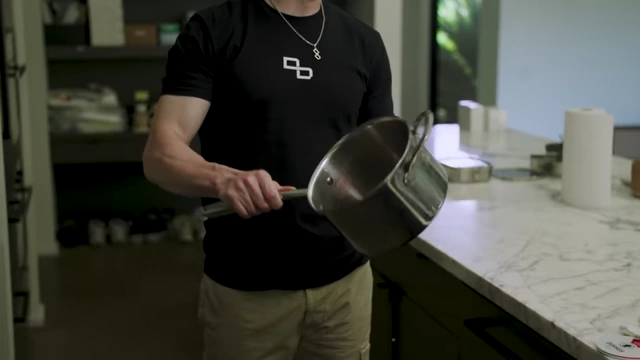
Bryan Johnson holds up a stainless steel pot, recommending it as a safer alternative to non-stick pans. [ 00:06:13 ] 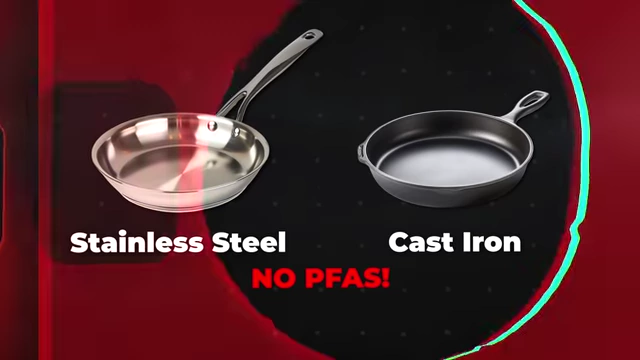
An infographic comparing stainless steel and cast iron cookware, emphasizing that both are free of PFAS. [ 00:06:18 ]
- Non-stick pans should be avoided due to the presence of PFAS, known as "forever chemicals."
- Gas Stoves [00:06:24]
- Gas stoves quickly release nitrogen dioxide and fine particles, linked to approximately 13% of childhood asthma cases in the U.S.
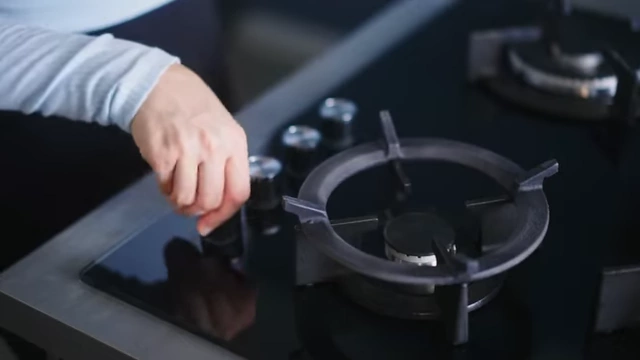
A hand turning on a gas stove burner. [ 00:06:29 ]
An infographic showing a gas burner and a gauge indicating spikes in nitrogen dioxide and fine particles when in use. [ 00:06:35 ] 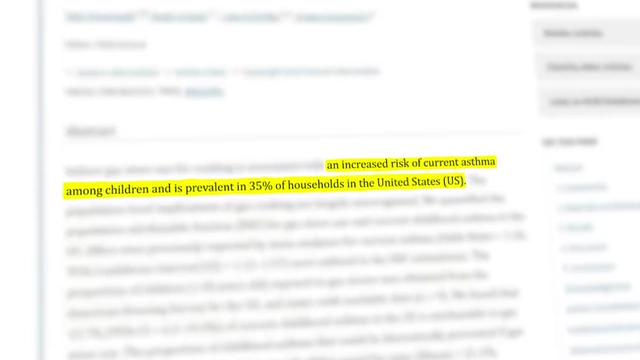
Highlighted text from a scientific paper states that gas stoves are linked to an increased risk of asthma in children and are prevalent in 35% of US households. [ 00:06:40 ] - Consider replacing gas stoves with induction cooktops.
- Gas stoves quickly release nitrogen dioxide and fine particles, linked to approximately 13% of childhood asthma cases in the U.S.
- Toxic Cleaning Products [00:06:57]
- Scented sprays and air fresheners contain VOCs that react with oxygen to form formaldehyde, a known carcinogen.

A collection of various cleaning products, with on-screen text indicating that toxic cleaners release cancer-linked chemicals. [ 00:07:03 ] - Exercise caution with product labels and apps; lab testing provides more accurate information on chemical presence.

A person reads an ingredient label on a bottle, emphasizing the need for caution with product claims. [ 00:07:51 ]
- Scented sprays and air fresheners contain VOCs that react with oxygen to form formaldehyde, a known carcinogen.
Optimizing Light Exposure [00:08:13]
- Controlled Sunlight Exposure [00:08:17]
- Install window film that filters out 99% of UVA and UVB rays for controlled light exposure.
- UVA contributes to skin aging and melanoma risk; non-tinted glass allows up to 37% of UVA to pass through.

Bryan Johnson undergoes a multispectral facial imaging scan to assess skin aging. [ 00:08:50 ] 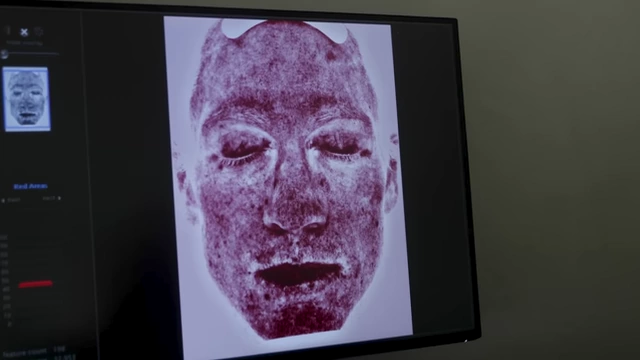
A screen displaying facial scan results, showing UV damage on skin. [ 00:08:55 ]
An infographic illustrates that non-tinted windows allow a moderate UVA level to pass through, indicating potential skin exposure indoors. [ 00:08:59 ] - Intentional sun exposure should be managed based on UV index, using protective measures like hats, umbrellas, and sunscreen during high UV times.

Bryan Johnson demonstrates sun protection by using an umbrella and wearing a hat. [ 00:09:25 ]
- Red Light for Sleep [00:10:11]
- White and blue light from modern environments can delay sleep onset by decreasing melatonin production.

A couple watching TV in bed, illuminated by blue light, which can disrupt melatonin production. [ 00:10:20 ] - Using a dim red LED lamp (e.g., $30) for two hours before bed helps navigate the house and creates a calming atmosphere, aiding in winding down for sleep.
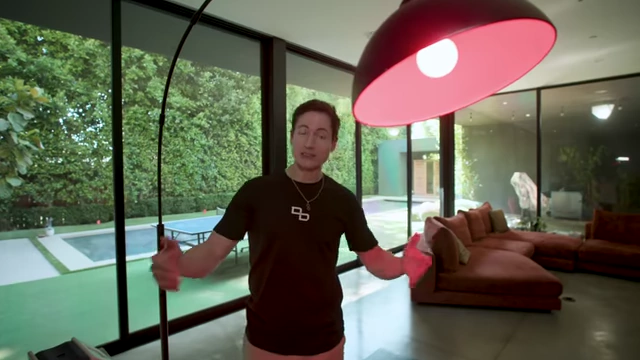
Bryan Johnson shows a dim red LED floor lamp he uses to create a calming atmosphere before bed. [ 00:10:39 ]
- White and blue light from modern environments can delay sleep onset by decreasing melatonin production.
Optimizing Floor and Air Quality [00:09:36]
- Hard Floors vs. Carpets [00:09:39]
- Opt for hard floors as carpets can hold 10 times the amount of dust, allergens, and microbes.
Feet are shown on a hard floor, introducing the topic of floor toxicity. [ 00:09:41 ] 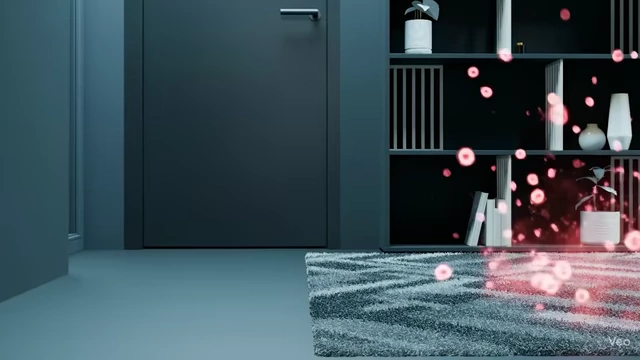
An animation shows dust, allergens, and microbes accumulating on a carpet, highlighting its tendency to store contaminants. [ 00:09:48 ] - If carpets are present, use a vacuum with a HEPA filter twice weekly, which removes 99.97% of microplastic particles.
A robot vacuum cleaner with on-screen text highlighting its HEPA filter's ability to capture 99.97% of 0.3 µm particles. [ 00:10:05 ]
- Opt for hard floors as carpets can hold 10 times the amount of dust, allergens, and microbes.
Bedroom Environment for Better Sleep [00:10:59]
- Blackout Room [00:11:27]
- A completely blacked-out bedroom significantly improves sleep quality.
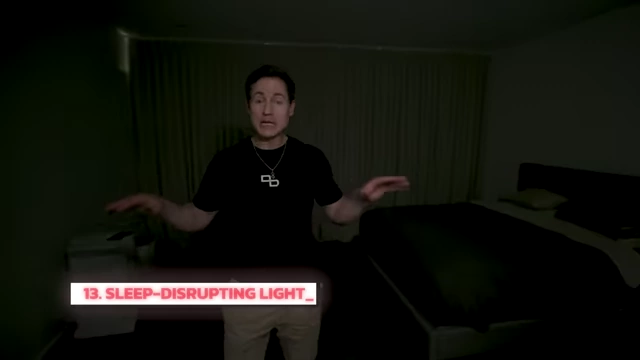
Bryan Johnson in his blacked-out bedroom, addressing sleep-disrupting light. [ 00:11:29 ] - Even as little as 10 lux of light (very dim street lighting) can halve melatonin production and fragment sleep.
A dark bedroom with minimal light filtering through the window, illustrating that even 10 lux of light (very dim street lighting) can disrupt sleep. [ 00:11:47 ] - If a blackout room is not possible, an eye mask can be used.
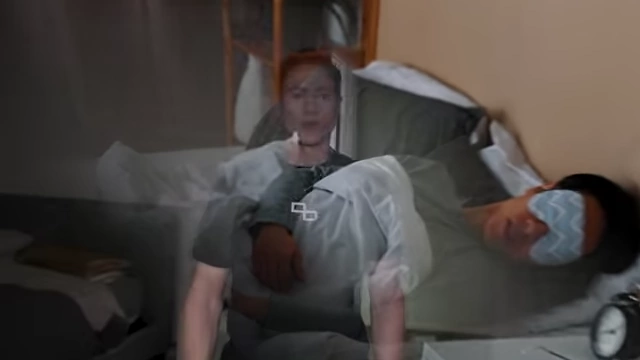
A person sleeping with an eye mask, offering an alternative to a completely blacked-out room. [ 00:12:07 ]
- A completely blacked-out bedroom significantly improves sleep quality.
- Noise Machine [00:12:09]
- A noise machine, particularly one that produces pink noise, can smooth out environmental noise spikes, improving sleep.
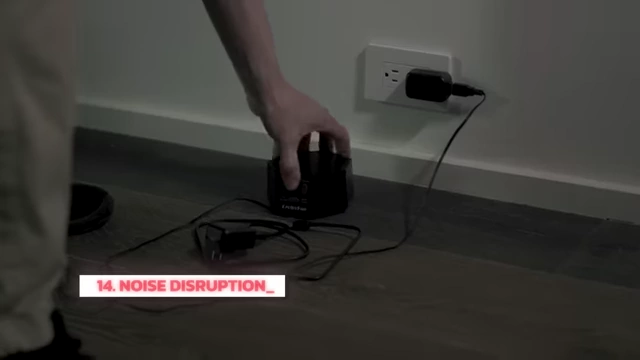
A hand plugging in a noise machine, introducing the topic of noise disruption during sleep. [ 00:12:11 ] - Environmental noises like loud cars and barking dogs can disrupt sleep.

An aerial view of a busy road at night, representing environmental noise that can disrupt sleep. [ 00:12:14 ] - Pink noise is preferable to white noise, being less high-pitched and mimicking natural sounds like rustling leaves or rain. Brown noise is also an option.
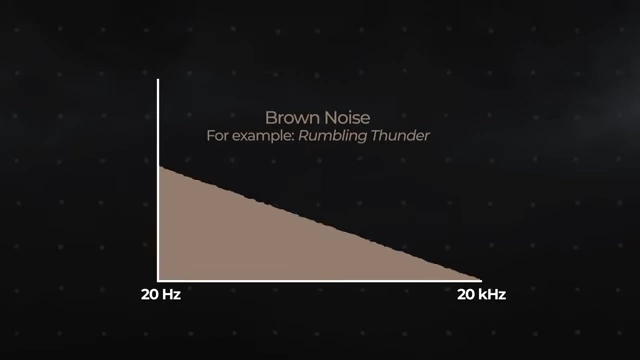
A graph illustrating the frequency distribution of brown noise, with a gentle slope towards higher frequencies. [ 00:12:59 ] 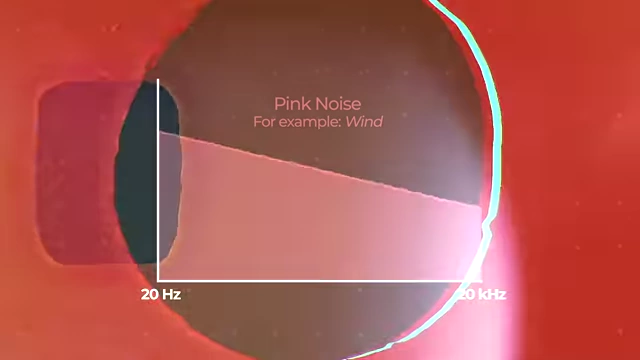
A graph illustrating the frequency distribution of pink noise, showing a downward slope towards higher frequencies, similar to natural sounds. [ 00:13:06 ]
- A noise machine, particularly one that produces pink noise, can smooth out environmental noise spikes, improving sleep.
- Air Purification in Bedroom [00:13:17]
- Deploy air purifiers (e.g., commercial-grade IQR systems or portable HEPA purifiers) and air quality monitors to ensure pristine air quality during the 8 hours spent sleeping.
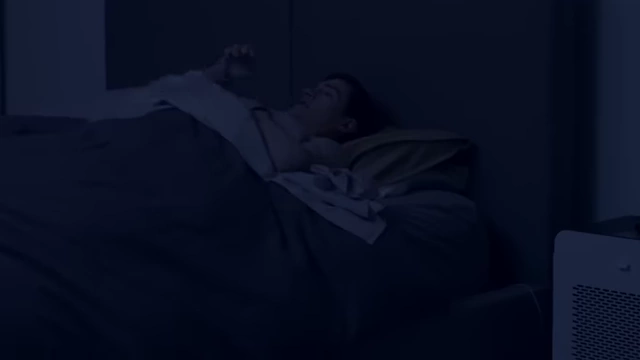
A person sleeping with a portable air purifier visible in the bedroom. [ 00:13:30 ] 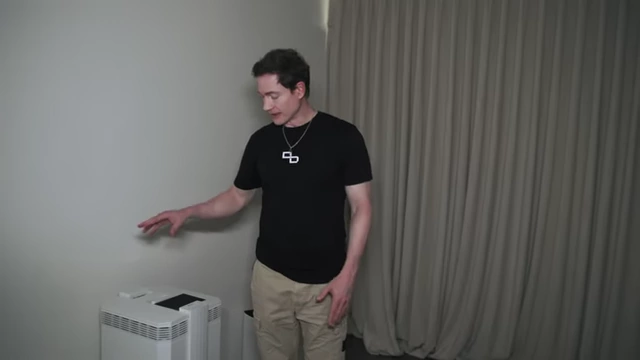
Bryan Johnson stands next to a commercial-grade air purification system in his bedroom. [ 00:13:36 ] 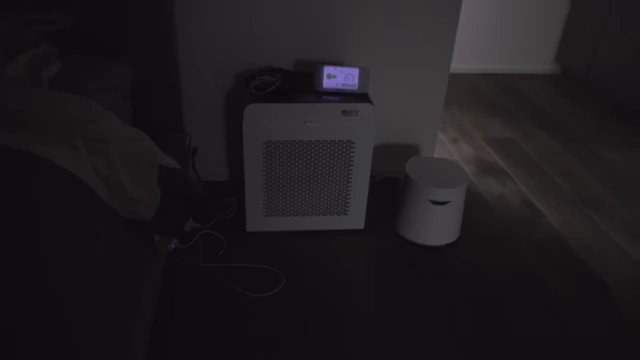
Two air purifiers and an air quality monitor are visible in a darkened bedroom, emphasizing comprehensive air quality control. [ 00:13:47 ] - A portable HEPA air purifier is a straightforward and effective solution for improved bedroom air quality.
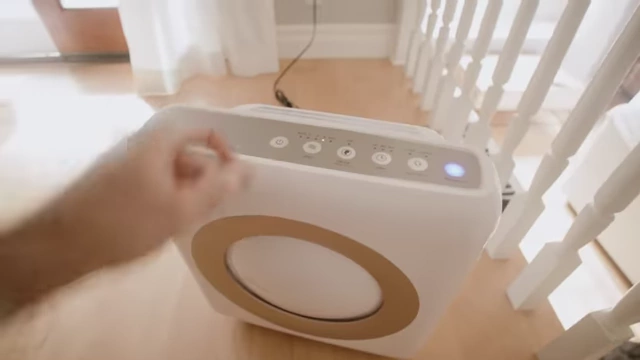
A hand turns on a portable HEPA air purifier. [ 00:14:01 ]
- Deploy air purifiers (e.g., commercial-grade IQR systems or portable HEPA purifiers) and air quality monitors to ensure pristine air quality during the 8 hours spent sleeping.
Addressing EMF (Electromagnetic Fields) [00:14:09]
- Ongoing Research [00:14:14]
- Bryan Johnson's team is actively studying the impact of EMF, acknowledging current uncertainty about its significance.
- Mitigation Strategy [00:14:19]
- To minimize potential exposure, keep Wi-Fi routers outside the bedroom.
- Turn off Wi-Fi, mobile data, and Bluetooth on phones when in the bedroom, as devices emit electromagnetic waves.
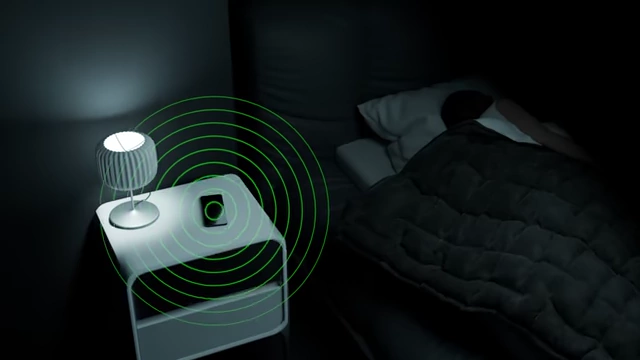
An animation depicts a phone emitting electromagnetic waves next to a sleeping person, illustrating potential EMF exposure. [ 00:14:24 ]
Concluding Philosophy: Systems and Habits [00:14:49]
- Build Systems for Health [00:14:50]
- Implement health-promoting systems (e.g., high MERV filters in HVAC) that operate on "autopilot" to avoid repeated decision-making and anxiety.
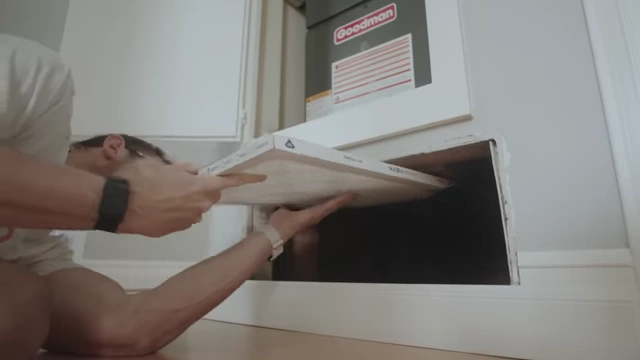
A person installing a new MERV filter into an HVAC system. [ 00:14:59 ] - This approach aims for an "autonomous self" where healthy choices are embedded into the home environment.
- Implement health-promoting systems (e.g., high MERV filters in HVAC) that operate on "autopilot" to avoid repeated decision-making and anxiety.
- Avoid Anxiety and Take Baby Steps [00:15:22]
- Acknowledge that toxins are ubiquitous in modern life, and focus on addressing the most significant hazards.
- Building a toxic-free home is a gradual, step-by-step journey that may take years; patience with oneself is key.