Diversifying Income Streams: A Creative Professional's Guide to Photography, Videography, Content Creation, and Digital Assets
This video explains how a full-time creative in Tokyo diversifies his income across four main streams, emphasizing the volatility and scalability of the creator economy.
- Creative Client Services (25%): Involves trading time and specialized skills like photography, videography, and creative direction for project-based income. While not highly scalable, it keeps skills sharp.
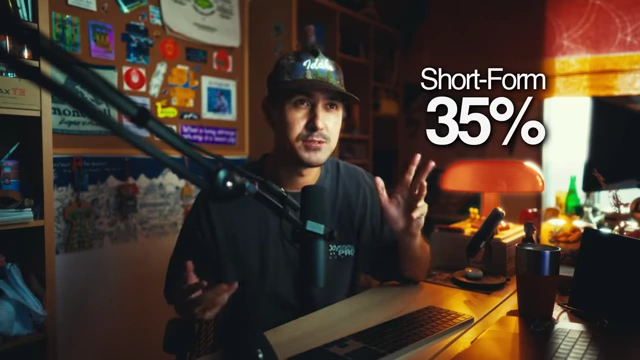
- Short-Form Content (35%): Generates income through sponsored posts and User-Generated Content (UGC) on platforms like Instagram and TikTok. Sponsorship rates scale significantly with audience size, making it a highly lucrative and efficient stream.
- Long-Form Content (20%): Earned via YouTube AdSense, affiliate marketing, and direct sponsorships for longer videos. This stream offers greater stability and potential for long-term growth, despite lower initial AdSense revenue.
- Digital Assets (20%): Includes selling products like LUTs, presets, sound effects, and online courses. This is the closest to passive income, offering solutions to creators' problems and being highly scalable once established.
The speaker emphasizes building stable systems like retainer clients and long-term sponsorships, alongside consistent content creation to drive traffic and interest to these diverse income channels.

Four main income streams for a creative professional, with percentages: Client Services (25%), Long-Form (20%), Short-Form (35%), and Digital Assets (20%). [ 00:01:25 ]
Introduction [0:00]
The speaker, a full-time photographer and videographer based in Tokyo with a significant social media presence (250k YouTube, 1M Instagram, 500k TikTok followers), discusses his diversified income system over five years. He emphasizes that there isn't one correct path in the creator economy, which is volatile but allows for scalability and comfortable income through creative strategies.
- The creator economy differs from traditional 9-5 jobs due to its volatility, which also presents opportunities for significant scalability.
- The speaker's journey began with client work, evolving into four major income streams that he will detail.
- He aims to share his experience to help aspiring creatives or those looking to diversify their income.
Four main income streams for a creative professional, with percentages: Client Services (25%), Long-Form (20%), Short-Form (35%), and Digital Assets (20%). [ 00:01:25 ]
1. Creative Client Services [01:34]
This stream accounts for approximately 25% of the speaker's total income, a decrease from its initial 50-75% when he had a smaller social media following.
- Nature of Work:
- Includes services such as Director of Photography (DPing), creative directing, directing, on-set photography, and creating social content for brands.
- It's essentially trading time and specialized skills for income.

Key services offered by creative professionals in client work, including photography, creative direction, and videography roles. [ 00:02:10 ]
- Compensation Model:
- Professionals typically charge a day rate or project rate.
- Payment is received for a set amount of time and specific deliverables (e.g., number of photos or videos).

Client work model is based on trading time and specialized skills for income. [ 00:02:25 ]
- Scalability Challenges:
- This income stream is not highly scalable because income is directly tied to the individual's time and effort.
- The creative industry largely operates on this model, with specialized roles commanding specific rates.
- While rates can increase with experience and portfolio, they tend to plateau due to industry standards.
- Importance:
- Despite limited scalability, it's crucial for keeping creative skills sharp and maintaining a professional level of work.
2. Short-Form Content [04:14]
This stream currently constitutes 35% of the speaker's income and primarily involves content created for platforms like Instagram, TikTok, and YouTube Shorts.
- Income Sources:
- Sponsored Content: Brands pay the creator to endorse products or services to their audience.
- Rates are highly scalable and directly correlate with audience size.
- Can be very lucrative, with many creators earning 5-6 figures per campaign.
- User-Generated Content (UGC): Creating content for brands to use and license on their own platforms (e.g., for ads or brand pages).
- Does not require a large personal audience; income depends on skill set.
- A consistent, stylized portfolio helps attract brands for UGC projects.
- Sponsored Content: Brands pay the creator to endorse products or services to their audience.
- Benefits:
- Easier to create compared to larger client projects or long-form content, often involving 30-60 second pieces.
- Highly scalable, as the amount of work required doesn't necessarily increase with higher audience reach or rates.

Examples of dynamic short-form video content demonstrating creative transitions and visual effects. [ 00:06:25 ]
3. Long-Form Content [07:06]
This category makes up 20% of the speaker's income, primarily generated through his YouTube channel. He aims to significantly increase this percentage due to its stability.
- Components:
- AdSense: Revenue from ads placed on videos by YouTube/Google.
- Income is relatively low (e.g., $1,000/month for 250k subscribers in his niche).
- Not a reliable primary income source, depending heavily on the niche and views.
- Affiliate Marketing: Earning a percentage of sales when an audience clicks on a specific link or uses a code to purchase a product or service.
- Accessible even for smaller audiences; easily implemented by linking products in video descriptions.

Affiliate links listed in a YouTube video description, a common strategy for earning passive income from product recommendations. [ 00:09:04 ]
- Accessible even for smaller audiences; easily implemented by linking products in video descriptions.
- Sponsorships: Brands pay for mid-roll ads or integrated product mentions within videos for a specified period.
- Similar to short-form sponsorships, but for longer video formats.
- Scalable with audience growth and channel presence.
- AdSense: Revenue from ads placed on videos by YouTube/Google.
- Stability and Growth Potential:
- Considered one of the most stable income streams in the creative economy, more predictable than short-form content.
- The speaker is actively working to grow this segment to 30-50% of his income for increased financial security.
4. Digital Assets [09:37]
Currently contributing 20% to the speaker's income, digital assets are becoming a significant and growing revenue stream.

- Examples of Assets:
- LUTs (Look-Up Tables)
- Sound effects
- Presets
- Power grades
- Creator media kits
- Online courses

The creator's online store showcasing various digital products available for purchase. [ 00:09:57 ]
- Passive Income Potential:
- Once created and uploaded, these products can be purchased and downloaded repeatedly, offering the closest model to passive income.
- Requires initial time investment in creation and ongoing marketing to showcase the assets and drive sales.

Before and after examples demonstrating the color grading effects of digital LUTs on different types of footage. [ 00:10:20 ]
- Value Proposition:
- Digital assets are presented as solutions to common creative problems, saving users time and effort in their workflow (e.g., easily applying desired color grades, learning from expertise).
- Accessibility and Scalability:
- Easy to set up an online store (e.g., Squarespace, Gumroad) even for creators with smaller audiences.
- Highly scalable, as sales can occur continuously without direct time investment per sale.
- Many creators generate 90-95% of their income solely through digital products.
Key Advice [12:18]
The speaker offers crucial advice for managing the inherent volatility of creative income streams.
- Building Stability:
- Focus on securing retainer clients for client services, involving longer contracts at potentially reduced rates for consistent monthly work.
- Seek retainer sponsorships for both short-form and long-form content, guaranteeing income over time through multiple campaigns.
- These recurring agreements provide peace of mind and a more predictable income base.

Securing retainer clients and sponsorships is key to building financial stability in a volatile creative economy. [ 00:12:50 ]
- Leveraging Content Creation:
- For scalable income streams (content, digital assets), consistently creating online content is vital.
- Maintaining an active online presence generates traffic and interest, which in turn leads to more sales and sponsorships.
- The more effort put into content creation and audience engagement, the more directly it translates into increased income.
- Embrace the volatility as it allows for significant scalability and personal reward based on effort.