The B.L.U.E. System: A Detailed Proposal for a Universal, Free, and Hierarchical "How-to" Education Website
This video introduces the "Broad Learning Universal Education System" (B.L.U.E.), a proposed free website for learning any practical skill. The creator, Sebastian Rey, shares his 14-year-old idea, recognizing he cannot build it himself. He highlights the shortcomings of current online learning platforms like WikiHow, Khan Academy, and even AI search engines, which often provide scattered, incomplete, or biased information.
Key aspects of the B.L.U.E. system include:
- A hierarchical structure for knowledge, guiding users from basic to complex concepts in any subject.

A hierarchical diagram showing guides organized by levels, with Guides 4, 5, 6, and 7 feeding into Guides 2 and 3, which in turn connect to a "Lowest Level Guide" (Level 1). [ 00:09:27 ] - A verifier system for content moderation, where randomly selected users review submissions with required explanations for their votes.
- An ethical advertising model that links product/service ads directly to relevant guides, ranked by user popularity, to fund the platform without compromising its integrity.
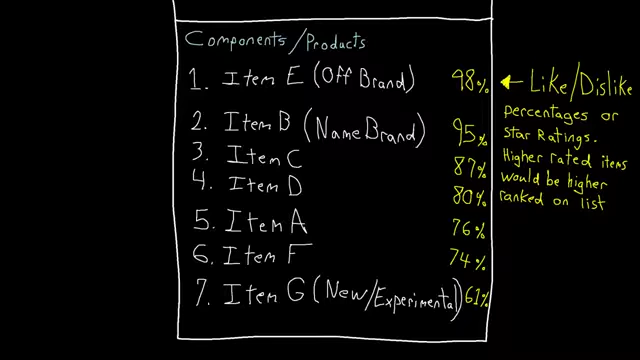
A handwritten list showing "Components/Products" ranked by user "Like/Dislike" percentages or star ratings, demonstrating a dynamic ranking system. [ 00:17:43 ] - Mechanisms for dispute resolution and future quality-of-life additions.
The core vision is to democratize education by offering comprehensive, structured, and universally accessible learning paths.
Introduction to the B.L.U.E. System [0:00]
The presenter introduces his long-held idea for a website called "The B.L.U.E. System" (Broad Learning Universal Education System), a free platform designed to teach users "how to do anything."
- This system aims to provide exhaustive guides on practical skills, from building computer processors to practicing medicine, allowing anyone with appropriate knowledge to contribute.
- Unlike existing platforms like WikiHow or Khan Academy, B.L.U.E. focuses on structured, universal, and free education, not just general facts but practical application.
- A blueprint diagram of an engine block and pistons, illustrating complex mechanical components.

A blueprint diagram of an engine block and pistons, illustrating complex mechanical components. [ 00:00:22 ] - A house under construction with wooden frames, showing a complex building project.

A house under construction with wooden frames, showing a complex building project. [ 00:00:24 ]
- A blueprint diagram of an engine block and pistons, illustrating complex mechanical components.
- The presenter, Sebastian Rey, acknowledges his inability to build this system due to financial constraints and lack of recognition, and shares his detailed plan in hopes that others might pursue it.
- A core principle is that the website must remain free and universally accessible, as prioritizing profits would betray its purpose.
Ideas for Legal Protections [2:30]
Developing a website like B.L.U.E. would face significant legal and institutional challenges.
- Anticipated Opposition:
- Traditional education systems: A free universal education platform could be seen as a threat to institutions that profit from specialized knowledge.
- A collage of university logos, including Harvard, Yale, and Stanford, representing traditional educational institutions.

A collage of university logos, including Harvard, Yale, and Stanford, representing traditional educational institutions. [ 00:02:39 ] - Corporations: Businesses would likely oppose the public sharing of their "company secrets" or proprietary information.
- Logos of major corporations like Apple, Microsoft, Samsung, and John Deere, representing businesses that might protect proprietary information.

Logos of major corporations like Apple, Microsoft, Samsung, and John Deere, representing businesses that might protect proprietary information. [ 00:02:56 ]
- Necessary Legal Framework:
- Implementing strong legal protections to prevent lawsuits and copyright claims is crucial before development begins.
- Basing the company in a country where it would be harder for the U.S. government to exert influence might be beneficial, though opposition is still expected.
- Safeguarding the Vision:
- The website's operating agreement should include stipulations like a "Termination Clause" allowing users to vote out leadership that prioritizes profit over the site's original vision.
- The B.L.U.E. company should not be allowed to sell shares or rebrand to maintain its non-profit, universal education focus.
- Regular backups of all knowledge should be maintained for public access.
- Detailed text outlining legal protections for the B.L.U.E. System, including a Termination Clause, restrictions on share sales, and the importance of data backups.

Detailed text outlining legal protections for the B.L.U.E. System, including a Termination Clause, restrictions on share sales, and the importance of data backups. [ 00:03:39 ]
Why is This Necessary? (Critique of Existing Resources) [4:08]
Existing online resources fall short in providing comprehensive, structured, and deeply technical "how-to" education.
- Scattered Information on the Internet:
- Information is extremely fragmented, making it difficult to find comprehensive guides on niche or complex subjects.
- Requires significant search effort, often across multiple sources, a skill in itself.
- An abstract image of a global network, symbolizing the vast and scattered nature of information on the internet.

An abstract image of a global network, symbolizing the vast and scattered nature of information on the internet. [ 00:05:08 ] - A diagram comparing Liquid Propellant and Solid Propellant rocket systems.
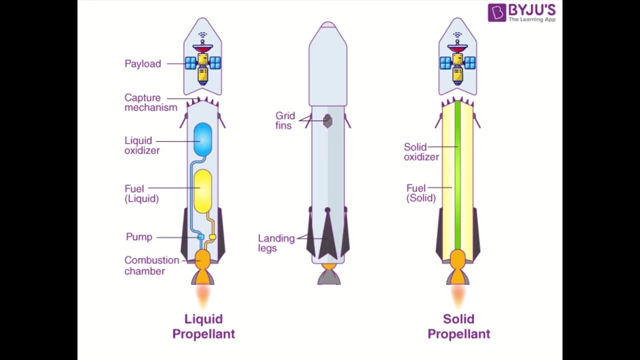
A diagram comparing Liquid Propellant and Solid Propellant rocket systems. [ 00:04:57 ]
- Limitations of Wikipedia:
- Primarily offers general information and facts, not direct "how-to" instructions.
- Information can be biased due to its moderation system.
- Limitations of WikiHow:
- Focuses on simple, everyday skills; does not cover complex or technical subjects (e.g., building a car beyond "go to school").
- A WikiHow search result page for "How to Build a Car," showing simple guides like "Build RC Cars" rather than complex engineering.
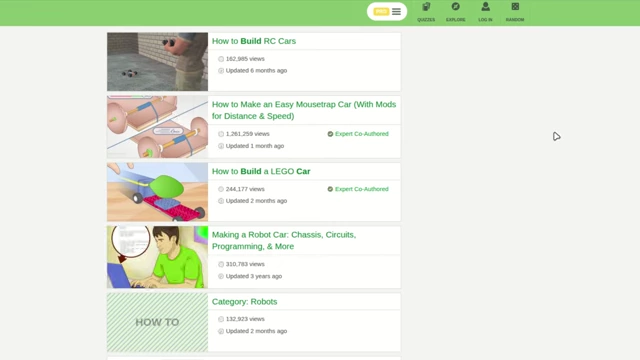
A WikiHow search result page for "How to Build a Car," showing simple guides like "Build RC Cars" rather than complex engineering. [ 00:05:54 ] - A screenshot of a WikiHow article titled "How to Put Out a Toaster Fire," exemplifying the platform's focus on simple, everyday skills.
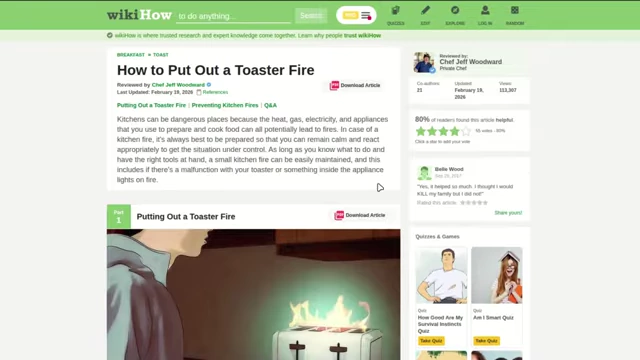
A screenshot of a WikiHow article titled "How to Put Out a Toaster Fire," exemplifying the platform's focus on simple, everyday skills. [ 00:06:08 ]
- Limitations of Khan Academy:
- Offers free education but information is inconsistent and relies on a handful of experts.
- A Khan Academy page showing "Created by Jay," indicating content authorship by a specific expert.
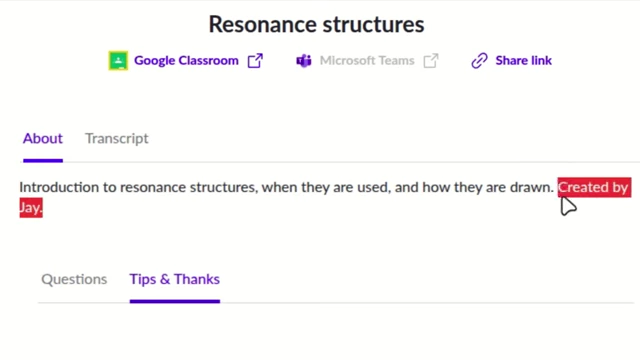
A Khan Academy page showing "Created by Jay," indicating content authorship by a specific expert. [ 00:06:28 ] - A Khan Academy page showing "Created by Sal Khan," highlighting the platform's reliance on a few experts.
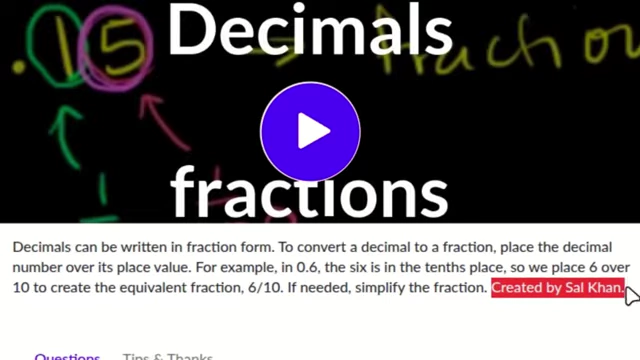
A Khan Academy page showing "Created by Sal Khan," highlighting the platform's reliance on a few experts. [ 00:06:31 ] - Only covers general skills and knowledge, lacking guides on highly niche technical subjects (e.g., hacking an elevator).
- A screenshot of Khan Academy's subject categories, including Math, Social Studies, and Life Skills, indicating its focus on broad, general knowledge.

A screenshot of Khan Academy's subject categories, including Math, Social Studies, and Life Skills, indicating its focus on broad, general knowledge. [ 00:06:38 ]
- Limitations of AI Search Engines (ChatGPT, Grok, Gemini):
- Answers depend heavily on prompt wording and can be inaccurate (e.g., OpenAI study showed 48% hallucination rate).
- A highlighted section from an article detailing an OpenAI study, which found that the O4-mini model hallucinated 48% of the time.
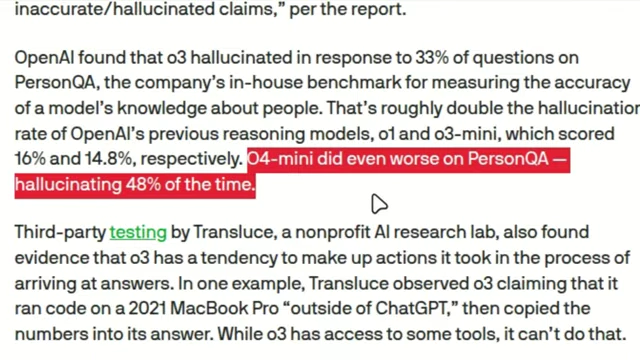
A highlighted section from an article detailing an OpenAI study, which found that the O4-mini model hallucinated 48% of the time. [ 00:07:35 ] - AI companies impose limits on response length, preventing extremely detailed, start-to-finish breakdowns.
- An AI search engine's response to "how to build an engine," showing a basic process overview and links to external resources rather than a detailed guide.
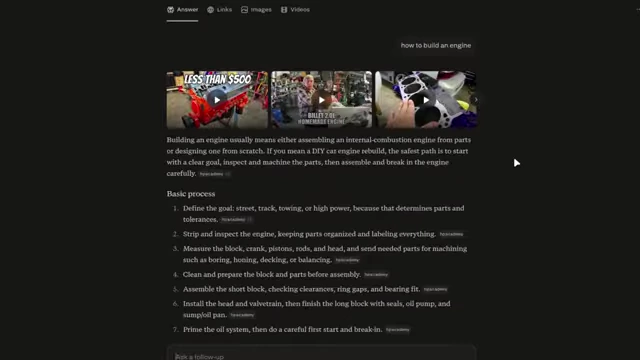
An AI search engine's response to "how to build an engine," showing a basic process overview and links to external resources rather than a detailed guide. [ 00:07:56 ] - Tend to rely on "trusted sources," which limits information and may not tell the whole story.
- B.L.U.E. System's Distinctive Goal:
- To consolidate all useful information on practical skills, real-world systems, and building things of any complexity into one exhaustive, free, and easily navigable platform.
How B.L.U.E. Would Function: The Hierarchy [9:20]
The core of the B.L.U.E. system is its hierarchical structure of knowledge, ensuring comprehensive and progressive learning.
- Hierarchical Knowledge Structure:
- All information is organized into levels of complexity.
- Level 1: Least complex, most basic concepts (e.g., building a transistor).
- Higher Levels: Progressively more complicated guides, building upon lower levels (e.g., chaining transistors for logic gates).
- A hierarchical diagram showing guides organized by levels, with Guides 4, 5, 6, and 7 feeding into Guides 2 and 3, which in turn connect to a "Lowest Level Guide" (Level 1).
A hierarchical diagram showing guides organized by levels, with Guides 4, 5, 6, and 7 feeding into Guides 2 and 3, which in turn connect to a "Lowest Level Guide" (Level 1). [ 00:09:27 ] - A Level 2 diagram in the computer engineering hierarchy, showing how "Logic Gate (AND)," "Logic Gate (OR)," and "Logic Gate (NOR)" guides build upon lower-level concepts.

A Level 2 diagram in the computer engineering hierarchy, showing how "Logic Gate (AND)," "Logic Gate (OR)," and "Logic Gate (NOR)" guides build upon lower-level concepts. [ 00:09:57 ]
- Content Consolidation and Methods:
- Ideally, only one definitive guide should exist for each topic.
- Multiple approaches or variations for a specific task are covered within a guide as "methods," each with its own sub-article.
- New, better methods can be added and potentially replace the main method if widely adopted.
- A diagram illustrating the "Method System," where a "How to build a Transistor (Definitive Guide)" includes a section listing various "Methods" (Method 2, Method 3, Method 4, etc.) as sub-articles.

A diagram illustrating the "Method System," where a "How to build a Transistor (Definitive Guide)" includes a section listing various "Methods" (Method 2, Method 3, Method 4, etc.) as sub-articles. [ 00:10:46 ]
- Universal Progression:
- All guides above Level 1 must be completable using only lower-level content, ensuring a seamless learning path.
- This tutorial-like progression makes the system accessible to everyone, from novices to experts.
- A diagram demonstrating the progression system, showing an arrow from a "Level 1 Guide" to a "Level 2 Guide," reinforcing that higher-level content must be completable using lower-level knowledge.
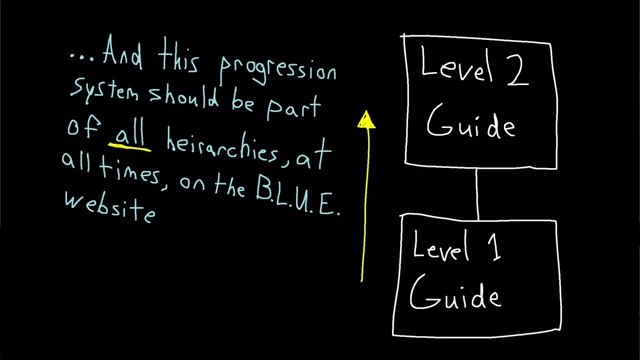
A diagram demonstrating the progression system, showing an arrow from a "Level 1 Guide" to a "Level 2 Guide," reinforcing that higher-level content must be completable using lower-level knowledge. [ 00:12:06 ]
- Flexibility for New Ideas:
- Users can create entirely new hierarchies for innovative ideas or alternative systems (e.g., a new math system), as long as they are appropriately structured.
How B.L.U.E. Would Function: Content Moderation (The Verifier System) [13:02]
To maintain accuracy and quality, B.L.U.E. employs a unique content moderation system.
- The Verifier System:
- Submitted content (new guides or modifications) is reviewed by an odd number of "verifiers" selected at random, similar to a jury.
- A diagram depicting "Verifiers" as stick figures with text explaining they function as moderators but with less overall power.

A diagram depicting "Verifiers" as stick figures with text explaining they function as moderators but with less overall power. [ 00:13:55 ] - A flowchart showing "Guide A" going through a review process by verifiers before potential publication.
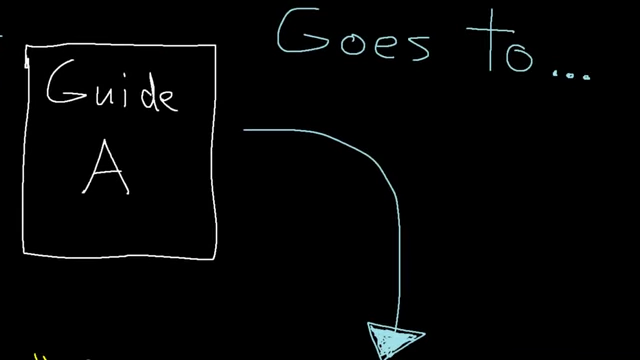
A flowchart showing "Guide A" going through a review process by verifiers before potential publication. [ 00:13:57 ] - Verifiers have a time limit (hours to weeks) to vote for or against publication.
- A majority vote leads to publication; otherwise, content returns to the author for revisions.
- Feedback and User Engagement:
- Verifiers must provide detailed explanations for their votes to facilitate author improvements; failure to do so risks losing verifier status.
- A list of "Verifier Rules" specifying an odd number of randomly selected verifiers, time limits for votes, and the requirement to explain votes to avoid losing status.
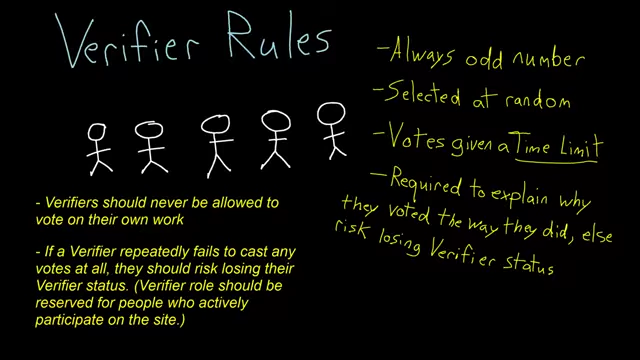
A list of "Verifier Rules" specifying an odd number of randomly selected verifiers, time limits for votes, and the requirement to explain votes to avoid losing status. [ 00:14:23 ] - Published content is subject to user upvotes/downvotes, with sufficient downvotes triggering a review for revisions.
- A "Like/Dislike" bar graph showing user sentiment (40% Like, 60% Dislike) for a published "Guide A," demonstrating a user feedback system.
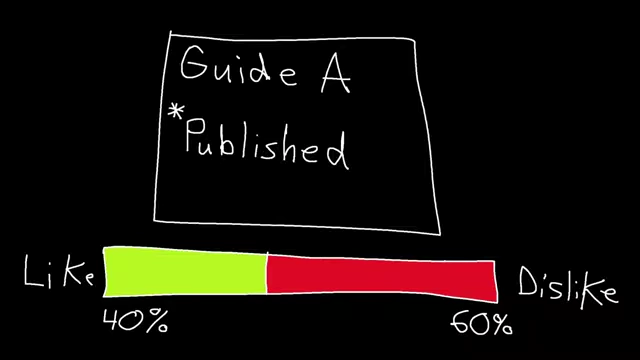
A "Like/Dislike" bar graph showing user sentiment (40% Like, 60% Dislike) for a published "Guide A," demonstrating a user feedback system. [ 00:14:43 ]
- Becoming a Verifier:
- Users must pass subject- and hierarchy-specific tests to become verifiers.
- Higher-level or more complex content requires stricter testing.
- High-level verifiers might be able to vote on lower-level content, or strict progression through all levels might be required.
- Users can become verifiers in multiple subjects.
- A diagram illustrating that "The Verifier test for Physics Hierarchy LVL 4" should be "stricter/more extensive than the Verifier test for Level 1," and that Level 4 Verifiers can vote on content Level 4 and below.

A diagram illustrating that "The Verifier test for Physics Hierarchy LVL 4" should be "stricter/more extensive than the Verifier test for Level 1," and that Level 4 Verifiers can vote on content Level 4 and below. [ 00:15:05 ]
- Other Questions Regarding The "Verifier System" [15:35]
- Detailed answers to further questions about verifiers and new niches are provided on screen.
- Detailed text addressing questions about the verifier system, including test quality, bias prevention, and auditor roles.

Detailed text addressing questions about the verifier system, including test quality, bias prevention, and auditor roles. [ 00:15:44 ] - Further text elaborating on the verifier system, discussing how new niches get verifiers and content handling with limited verifiers.
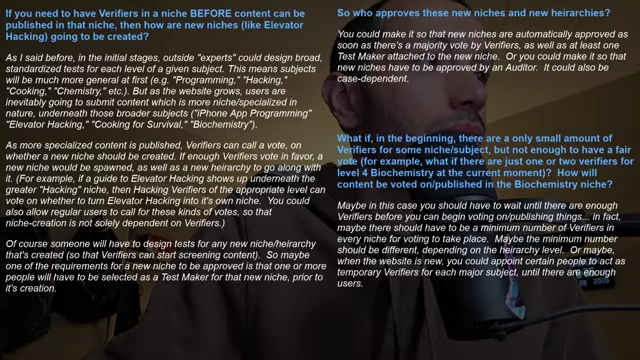
Further text elaborating on the verifier system, discussing how new niches get verifiers and content handling with limited verifiers. [ 00:15:49 ]
Paying for B.L.U.E. [15:54]
The website's operational costs would be covered through an ethical advertising model that aligns with the site's purpose.
- Startup Capital:
- Initial funding for building the system is assumed to come from external sources like VCs or angel investors, though the presenter has no personal experience with this.
- Ethical Advertising Model:
- Instead of intrusive ads, income would be generated by matching guides with advertisers selling materials and services required for the guides' activities.
- Example: A guide on building a Dodge Ram drivetrain would have a "products section" linking to components suppliers.
- A diagram showing a guide page with a "Components/Products" section at the bottom, linking to necessary items for the build.
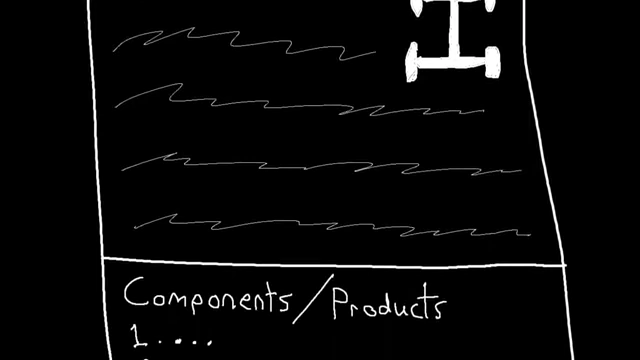
A diagram showing a guide page with a "Components/Products" section at the bottom, linking to necessary items for the build. [ 00:17:02 ]
- Dynamic Ranking System for Products:
- Advertised products and services would be ranked based on user star ratings or like/dislike percentages.
- Higher-rated items would appear higher on the list, encouraging advertisers to offer quality products.
- A handwritten list showing "Components/Products" ranked by user "Like/Dislike" percentages or star ratings, demonstrating a dynamic ranking system.
A handwritten list showing "Components/Products" ranked by user "Like/Dislike" percentages or star ratings, demonstrating a dynamic ranking system. [ 00:17:43 ] - A stipulation in the operating agreement would mandate automatic termination for any employee (including CEO) caught accepting bribes for higher ad rankings.
- Ad Placement Rules:
- Advertisements should only be placed on guides directly related to the product or service.
- Ads should be confined to specific, non-intrusive areas of guides/articles to avoid clutter and maintain the site's value.
Future Additions & Disputes [18:31]
The B.L.U.E. system would incorporate future enhancements and robust dispute resolution mechanisms.
- Future Possible Additions [18:31]
- Additional quality-of-life features for the system are presented on screen, covering aspects like a "Master Guide," a "What's New" section, and communication tools.
- Text detailing a proposed "Badges & Reward System" for the B.L.U.E. System, designed to incentivize user participation in guide completion, testing, and voting.
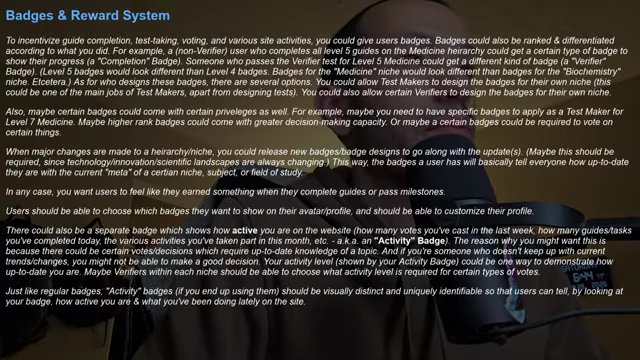
Text detailing a proposed "Badges & Reward System" for the B.L.U.E. System, designed to incentivize user participation in guide completion, testing, and voting. [ 00:18:42 ] - Text outlining the concept of "Theory Vs. Practice Guides," suggesting different guide types for conveying theoretical knowledge versus practical instructions.
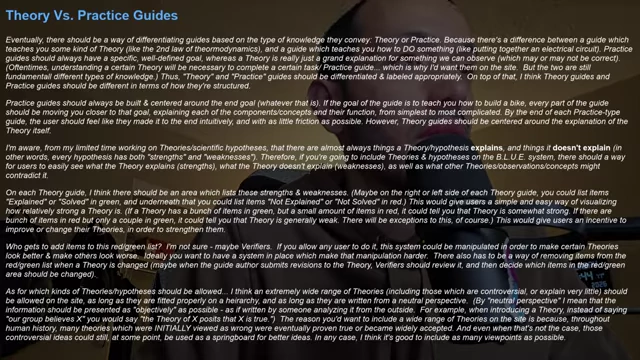
Text outlining the concept of "Theory Vs. Practice Guides," suggesting different guide types for conveying theoretical knowledge versus practical instructions. [ 00:18:45 ] - A list of "Other Possible Additions" to the B.L.U.E. System, including content reporting, guide requests, a "Master Guide," and communication systems.
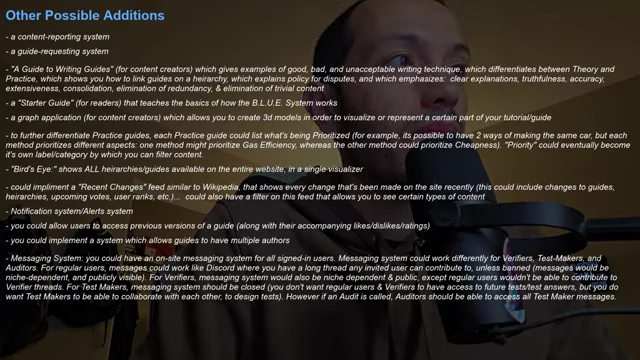
A list of "Other Possible Additions" to the B.L.U.E. System, including content reporting, guide requests, a "Master Guide," and communication systems. [ 00:18:48 ]
- Dispute Resolution System:
- Disputes are anticipated regarding information authenticity, hierarchy placement, user ranks, and the voting system itself.
- Most disputes would be resolved by the existing voting, ranking, and role separation systems.
- Complex Dispute Scenarios:
- User vs. Verifier: If verifiers repeatedly publish a guide that users consistently downvote, a balance needs to be struck between verifier authority and user feedback. Preventing users from unpublishing through mass downvotes could give verifiers too much control.
- Verifier Disagreement within a Hierarchy: If verifiers at the same level disagree on content placement, assigning roles properly or requiring an odd number of voters (by automatically removing one if needed) could help.
- Cross-Niche Content Disputes: If verifiers from different niches disagree on content in a shared guide, a "spin-off system" could be implemented, creating two distinct versions of the guide. This contradicts content consolidation but provides a solution.
- Dispute Process:
- Users in good standing should be able to initiate different types of disputes through a simple system.
- Spamming the dispute system could lead to account flags or temporary bans.
- Resolution responsibility depends on the nature of the dispute (e.g., hierarchy disputes involve hierarchy organizers and neutral auditors, or experienced verifiers).
- A separate, dedicated dispute resolution part of the site could help maintain objectivity.
Outro [22:07]
The presenter concludes by reiterating his hope that someone with the resources and dedication will undertake the creation of the B.L.U.E. system. He emphasizes that even if it fails, the attempt will provide valuable lessons for future endeavors.