Social Media Content Strategy for 2026: Navigating the Golden Era of Niche, Polished Casual Content, Live Streams, and Podcasts
Summary:
- 2026 is heralded as the "golden era" for social media, with significant growth in the creator economy and influencer marketing surpassing traditional media.
The speaker introduces 2026 as the "golden era" of social media [ 00:01:00 ] - A major shift will occur from broad appeal to niche audiences, with brands prioritizing creators based on audience interests rather than demographics.
- The era of "aesthetic influencers" is ending, replaced by a demand for "polished casual" and human-centric content that fosters connection, relatability, and personal journeys.
- Live content and video podcasts are predicted to surge, offering unfiltered human interaction that AI cannot replicate, becoming major pillars for creator growth and brand deals.
- YouTube and Instagram are identified as the leading platforms for creators, emphasizing long-form content on YouTube and real-time engagement via Instagram Stories.
- Highly edited short-form videos will diminish in effectiveness; simpler, authentic, and personality-driven content will dominate.
- To achieve sustainable income, creators should build an ecosystem that connects their content to a direct business model, such as subscriptions or coaching, rather than relying solely on ad revenue or brand deals.
Intro [0:00]
- The speaker identifies 2026 as the "golden era of social media," presenting it as an unparalleled opportunity for individuals to achieve their aspirations by creating and sharing content.
- This video is the first in a four-part series designed to equip creators with the knowledge and strategies needed to thrive in the evolving social media landscape.
- The series will cover:
- Current social media trends and future predictions.
- An analysis of content that will no longer be effective in 2026.
- A personal content audit to identify and overcome creative blockages.
- Development of a robust 2026 content strategy.
Why 2026 is such a good year for social media [5:17]
- The content creation and influencer marketing industry is experiencing unprecedented growth [5:34].
- Social media has now surpassed traditional media in terms of viewership and engagement [5:54].
- A June 2025 study revealed that YouTube's viewership in the US exceeds that of Disney+ and Netflix combined [5:59].
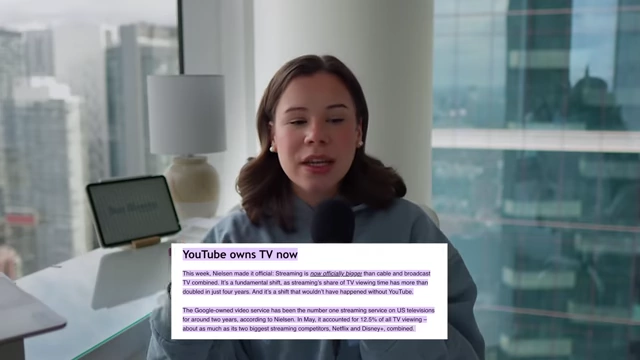
A news article headline states "YouTube owns TV now," indicating YouTube's dominance over streaming services like Disney Plus and Netflix. [ 00:06:08 ] - Celebrities, such as Ariana Grande, are increasingly using podcasts for press tours instead of traditional talk shows, indicating a shift in audience consumption habits [6:10].
- A recent podcast appearance by Ariana Grande garnered 2 million views, surpassing the average 1.2 million views of "The Jimmy Fallon Show" per episode [6:20].
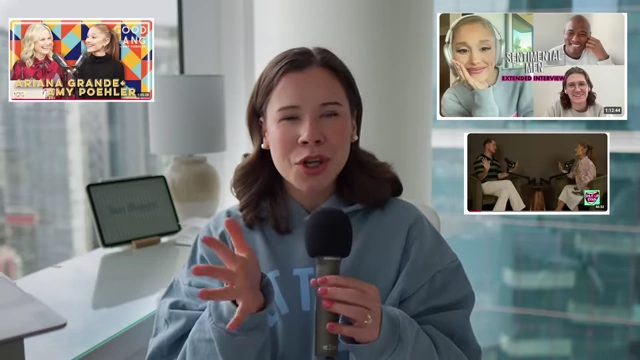
A collage showing celebrities like Ariana Grande appearing on podcasts, illustrating the shift in media preference from traditional talk shows. [ 00:06:18 ]
- A recent podcast appearance by Ariana Grande garnered 2 million views, surpassing the average 1.2 million views of "The Jimmy Fallon Show" per episode [6:20].
- A June 2025 study revealed that YouTube's viewership in the US exceeds that of Disney+ and Netflix combined [5:59].
- TikTok has over 2 billion monthly users, showcasing its massive global reach [6:46].
- Influencer marketing budgets are projected to increase substantially in 2026, with 67% of marketers planning to allocate more funds [6:55].
- This trend is driven by 65% of consumers stating that creator content influences their purchasing decisions [7:05].
- Consumers also express a preference for buying products recommended by influencers over those endorsed by celebrities [7:17].
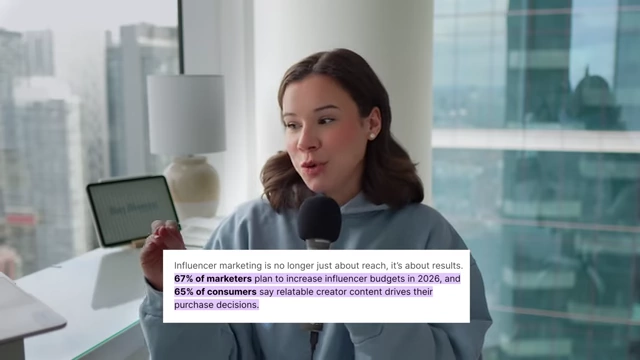
Text overlay states "67% of marketers plan to increase influencer budgets in 2026, and 65% of consumers say relatable creator content drives their purchase decisions." [ 00:07:08 ]
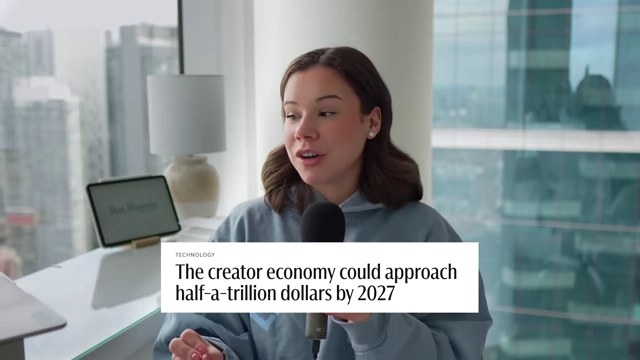
- The creator economy, valued at approximately $250 billion with around 50 million global creators, is expected to double by 2027, according to Goldman Sachs [7:21].
- Social media has now surpassed traditional media in terms of viewership and engagement [5:54].
- Despite the industry's growth, creators face significant challenges [8:03].
- The sheer number of creators (50 million) leads to market oversaturation and increased competition, which can cause creators to feel overwhelmed or "frozen by opportunity" [8:05].
- The multitude of platforms (Instagram, TikTok, YouTube, Substack, LinkedIn, Pinterest, podcasting) and often conflicting advice from various creator coaches contribute to this feeling of overwhelm [8:26].
- There is also significant pressure to stand out among millions of other content creators [8:59].
What content will work on social media in 2026? [9:22]
2026 is the year of the niche [9:32]
- The primary strategic goal for creators in 2026 should be to cultivate a smaller, highly niched-down audience, rather than pursuing millions of random followers [9:47].
- Influencer discovery for brands will shift from demographic-based targeting (e.g., "women aged 20-30 in Canada") to interest-based targeting (e.g., "an audience interested in content creation or fashion") [10:44].
- Generic lifestyle content, such as weekly vlogs or "day in the life" videos, will become less effective for achieving growth and securing brand deals compared to content focused on specific, interest-driven topics [11:33].
The death of aesthetic influencers, the birth of polished, casual [11:43]
- The speaker predicts the "death of the aesthetic influencer" and the rise of "polished human content" [11:49].
- Audiences are experiencing fatigue with overly aesthetic, perfectly curated, and "personality-less" content, such as "aesthetic reset videos" or "aesthetic morning routines" [12:10].
- The rapid advancement and adoption of AI in 2025 (e.g., ChatGPT, Gemini) have fundamentally transformed social media, elevating the value of authentic human connection [12:41].
- People will increasingly turn to social media for connection, relatability, and human interaction, recognizing that AI can provide educational or informational content more efficiently and personally [13:04].
- "Casual polished content" is identified as the winning content style for 2026, characterized by its human, real, journey-based approach, incorporating opinions, hot takes, and genuine personality [13:28].
- For example, instead of showcasing a perfectly aesthetic morning routine, creators should share their personal journey of trying to wake up early or balancing fitness with a demanding job [13:41].
- This content style involves filming with high-quality equipment (e.g., a back camera, 4K resolution) but maintaining a casual, unfiltered, and relatable presentation [13:35].
- The value derived from this content will be primarily through connection, rather than solely through education, as AI can increasingly fulfill educational needs [14:28].
- Consumers will have a higher bar for the content they choose to consume [14:45].
- Increased awareness about screen time is prompting users to curate their feeds, removing content that doesn't contribute positively to their well-being [14:51].
- Connecting and relating to authentic individuals provides more positive sentiment than observing curated, unattainable lifestyles [15:12].
- The objective for creators is to establish a "Zoom meeting/FaceTime corner" of the internet for their niche audience, where content is high-quality but fundamentally human and journey-based, functioning as a virtual focus group [15:14].
Prediction: Live content & podcasting is the future [16:03]
- Live content, including Instagram Live, TikTok Live, and YouTube Live, is expected to experience a significant resurgence [16:08].
- Podcasts, particularly video podcasts, are predicted to grow even larger in 2026, potentially replacing traditional talk shows as a dominant media format [16:39].
- A growing number of people are watching podcasts on YouTube, surpassing viewership on platforms like Spotify, and YouTube itself is watched more than Netflix [16:46].
- Celebrities are increasingly launching and appearing on podcasts, further solidifying their status as a mainstream media [17:00].
- Video podcasts are seen as a crucial content pillar for securing brand deals and fostering creator growth [17:20].
Prediction: Instagram & YouTube will win in 2026 [17:38]
- The speaker advises creators to concentrate their efforts on YouTube and Instagram [17:41].
- Instagram Stories are anticipated to become more vital due to their capacity for real-time, human connection through features like Q&As and live sessions [17:48].
- YouTube is highlighted for its long-form content, which facilitates deeper personal connection and offers a respite from continuous scrolling [18:10].
- YouTube content can be consumed passively, such as in the background or during walks [18:34].
Highly edited short-form is over [19:05]
- The trend of highly edited short-form content with numerous cuts, graphics, and rapid transitions on platforms like Instagram Reels and TikTok is predicted to become less effective [19:07].
- Simpler, quick (around 30-second) videos that discuss real experiences will gain more traction and impact [19:12].
- Authentic energy and genuine personality from the creator will be paramount, outweighing production value [19:18].
- The emphasis will be on being a "simplified human" and presenting a "polished casual version of yourself" rather than a meticulously curated persona [19:28].
After-hours Q&A: What's a good content strategy for 2026? [22:12]
- To build a sustainable income and business through social media, the speaker offers the following advice [23:05]:
- 1. Create a dedicated space on social media for a highly niche audience [23:25].
- Avoid positioning oneself as an "expert" who possesses all the answers, as this approach is becoming outdated [23:31].
- Instead, cultivate an "older sibling" persona: knowledgeable yet relatable, sharing personal experiences and insights rather than authoritative directives [23:53].
- Choose one central "journey topic" that aligns with your passions (e.g., healthy eating, career development, fashion, skincare) [24:01].
- Develop content specifically for an audience that is also engaged in or passionate about this same journey [24:26].
- Content pillars should include mistakes made, lessons learned, routines, and product recommendations, all presented from a genuine human perspective [24:33].
- Inject personality, humor, and personal opinions into all content [24:53].
- 2. Concentrate efforts on Instagram and YouTube [25:03].
- For YouTube, produce longer, sit-down videos of approximately 15 minutes in length [25:08].
- For Instagram, utilize carousels and short-form video content that extends from the themes covered in YouTube videos [25:13].
- Integrate weekly live sessions or Q&As on Instagram Stories to establish a routine and foster community engagement [25:23].
- 3. Develop a unique signature style or content series [25:36].
- This could be a specific series chronicling a personal journey or providing outward-focused tips and insights [25:42].
- 4. Integrate content with a direct business model [26:45].
- Avoid relying solely on brand deals and AdSense for income [26:53].
- Consider developing a subscription model, such as a membership community, or offering one-on-one coaching services [27:01].
- While courses can be effective, they may be an outdated model depending on the niche and can sometimes restrict content flexibility [27:06].
- The objective is to create a robust "ecosystem" that links YouTube, Instagram, and a membership/coaching service [27:23].
- Establish a clear brand identity, including a tagline and easy-to-use content templates [27:31].
- 1. Create a dedicated space on social media for a highly niche audience [23:25].