Semaglutide (Ozempic/Wegovy): A Comprehensive Overview of Its Unexpected Benefits and Risks Beyond Weight Loss and Diabetes Management
Semaglutide, known as Ozempic and Wegovy, is a powerful GLP-1 drug with wide-ranging effects beyond its primary uses for type 2 diabetes and weight loss.

- It effectively regulates blood sugar by stimulating insulin and reducing glucagon, but can cause dangerous hypoglycemia if not properly monitored.
- The drug significantly slows digestion, potentially leading to conditions like gastroparesis and increasing the risk of aspiration during surgery, and may affect the efficacy of other oral medications, including birth control.
- Beyond its approved uses, semaglutide shows promising benefits for cardiovascular health, reducing risks of heart attack and stroke, and neurological function, potentially protecting against Alzheimer's and Parkinson's disease by reducing inflammation and improving synapse function.
- However, it carries risks for eye health, with reported correlations to irreversible blindness and increased diabetic retinopathy, especially with rapid blood sugar drops.
- Its impact on bones is mixed, with some studies suggesting protection while others indicate potential bone loss in older adults, emphasizing the need for adequate nutrition and exercise.
- Overall, the drug's potent effects necessitate careful medical supervision and a personalized assessment of benefits versus risks for each individual.
Introduction to Semaglutide [00:00:00]
Semaglutide, marketed as Ozempic and Wegovy, has gained immense popularity since its approval for type 2 diabetes in 2017 and weight loss in people without diabetes in 2021. This powerful drug has effects beyond its approved purposes, presenting both benefits and risks.
Understanding GLP-1 Drugs [00:00:58]
- Semaglutide belongs to a class of drugs called GLP-1s (glucagon-like peptide-1s).
- These drugs bind to the same receptors as natural GLP-1, a signaling molecule produced in the intestine in response to eating.
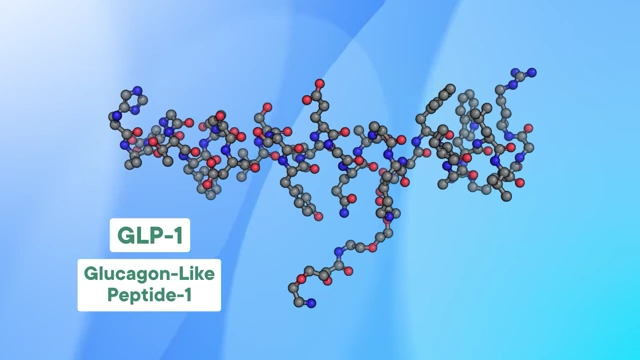
The molecular structure of Glucagon-Like Peptide-1 (GLP-1) [ 00:01:07 ] - GLP-1 influences processes governing blood sugar, fat mass, insulin secretion, and feelings of fullness.
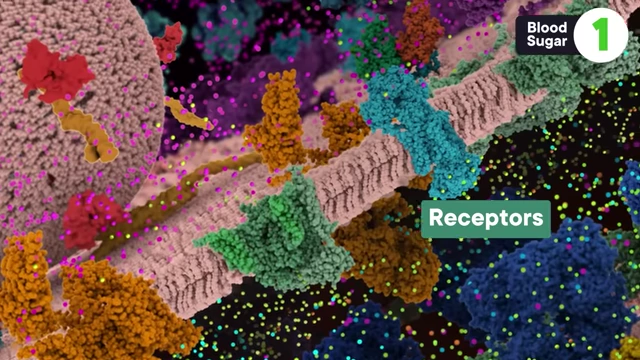
Diagram illustrating various receptors on a cell membrane [ 00:02:42 ] 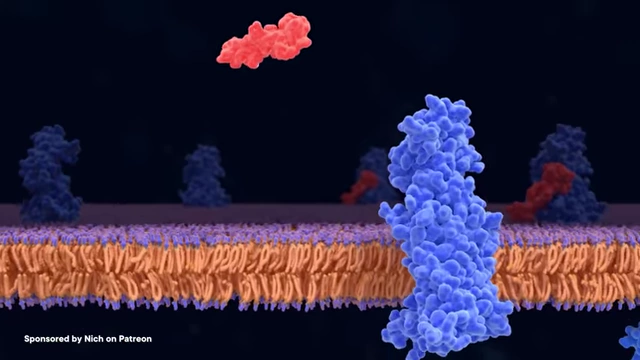
Signaling molecules (red) binding to cell receptors (blue) on a cell membrane [ 00:03:07 ]
- These drugs bind to the same receptors as natural GLP-1, a signaling molecule produced in the intestine in response to eating.
- The first GLP-1 drug, Exenatide, approved in 2005 for type 2 diabetes, was derived from a molecule found in Gila monster saliva, which helps them maintain stable blood sugar despite infrequent, large meals.
-

A Gila Monster, whose saliva contained a molecule that inspired the development of the first GLP-1 drug, Exenatide. [ 00:01:25 ]
-
- It's important to distinguish between actual drug side effects and general effects of rapid weight loss.
- Issues like hair loss and the "Ozempic face/feet" appearance are common with significant, fast weight reduction, due to skin not keeping up with fat loss or inadequate nutrition. These are not direct drug side effects but consequences of rapid weight loss.
1. Blood Sugar Regulation: Benefits and Risks [00:02:28]
Semaglutide's primary mechanism involves regulating blood sugar.
- Benefits:
- Stimulates pancreatic cells to produce insulin more efficiently than natural human GLP-1, thus lowering blood sugar.
- Reduces glucagon, a hormone that raises blood sugar, which can be excessively high in people with diabetes or higher body fat.
- This dual action protects against harmful effects of prolonged high blood sugar.
- Reduced blood sugar levels can also lead to decreased conversion of glucose to fat, contributing to weight loss.
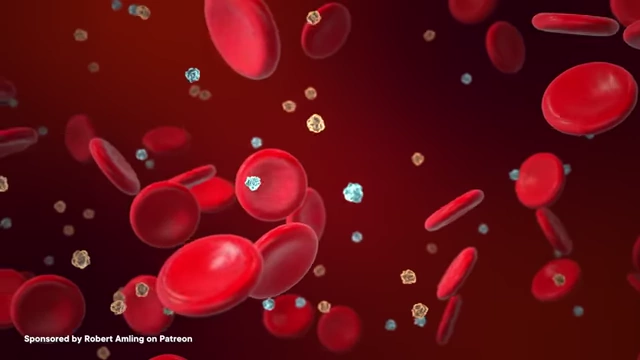
An illustration showing red blood cells and glucose molecules in the bloodstream, representing the drug's effect on blood sugar levels. [ 00:04:00 ]
- Risks:
- Can cause blood sugar to drop too low (hypoglycemia), especially if the dosage is incorrect or if used with other glucose-lowering drugs.
- Symptoms of low blood sugar include cognitive issues and anxiety.
- Medical supervision by a qualified healthcare team is crucial when taking these drugs.
- Some doctors advise against using semaglutide solely for cosmetic weight loss due to these potential effects.
2. Gastrointestinal Effects & Drug Interactions [00:04:51]
Semaglutide significantly impacts the digestive system and can interact with other medications.
- Mechanism:
- Slows the movement of the digestive system by activating nerves that reduce smooth muscle contractions in the stomach.
- Acts on the pyloric sphincter, the muscular ring between the stomach and small intestine, further slowing gastric emptying.
- This slower digestion helps in gradual sugar absorption into the bloodstream.
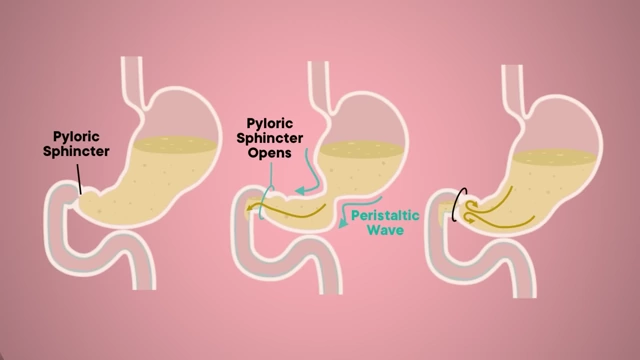
A diagram illustrating the pyloric sphincter opening and peristaltic waves in the stomach, which are affected by semaglutide. [ 00:05:10 ]
- Risks and Consequences:
- Gastroparesis (Stomach Paralysis): A severe condition where the stomach empties too slowly, often leading to discomfort. Diabetes itself is a known cause of gastroparesis, so diabetics face risk regardless of semaglutide use.
- Surgical Complications: Slow stomach emptying increases the risk of aspiration (stomach contents entering the airway) during surgery, even if pre-surgery fasting instructions are followed.
- Anesthesiologists have varied recommendations, with some initially advising stopping semaglutide one to two weeks before surgery, though some guidance has since been walked back. Patients should discuss this with their medical team.
- Drug Interactions: Delayed gastric emptying can affect the body's processing of other medications, particularly those relying on specific digestion speeds for efficacy.

A 3D anatomical rendering of the stomach and surrounding organs, illustrating the path of drug processing. [ 00:06:36 ] - This includes some over-the-counter drugs like Tylenol and certain prescription statins.
- "Ozempic Babies": There have been reports of unexpected pregnancies.
- One hypothesis suggests that slowed stomach movement decreases the effectiveness of oral birth control pills.
- Another factor might be increased fertility due to reduced body fat and improved blood sugar control.

Sperm cells surrounding an egg, representing increased fertility as a potential side effect. [ 00:07:06 ] - More studies are needed on the interaction with oral contraceptives, and regulators in some regions recommend caution for those trying to avoid pregnancy.
3. Cardiovascular and Neurological Benefits [00:07:21]
Semaglutide offers significant protective effects for the heart and brain, extending beyond its direct metabolic roles.
- Heart Benefits:
- Reduces the risk of heart attack, stroke, and other dangerous cardiovascular events, especially in people with diabetes.

A 3D animation of the human heart, showing its complex structure and associated blood vessels. [ 00:07:40 ] - A major trial (though funded by the drug company) found a lower incidence of life-threatening heart problems in over 17,000 patients with existing heart disease and higher body fat who took the drug compared to a placebo.
- In 2024, the FDA approved Wegovy to reduce the risk of these heart problems in non-diabetic individuals with other cardiovascular risk factors.
- Mechanisms include:
- Overall blood sugar control and weight loss, including reduction of fat around the heart.
- Lowering molecules associated with inflammation, a known contributor to cardiovascular risk.
- Potential reduction of "heart remodeling" (structural changes to heart muscle and blood vessels due to damage, leading to an enlarged and less efficient heart).

An X-ray showing an enlarged heart (cardiomegaly), a condition that semaglutide may help reduce through preventing heart remodeling. [ 00:08:59 ]
- Reduces the risk of heart attack, stroke, and other dangerous cardiovascular events, especially in people with diabetes.
- Brain Benefits:
- Appears to improve cognition and protect against nerve-related disorders linked to diabetes.

A doctor pointing to MRI scans of the brain, highlighting potential neurological benefits. [ 00:09:10 ] - May protect against Alzheimer's and Parkinson's disease.
- A 2024 study reported a 40-70% decrease in the risk of a first-time Alzheimer’s diagnosis in type 2 diabetic patients taking semaglutide, compared to those on other diabetes medications.
- Proposed mechanisms include:
- Protection against inflammation in the brain.
- Improvement in the function of synapses, which are critical for nerve signal transmission between neurons.
- This research is in early stages but holds significant promise.
- Appears to improve cognition and protect against nerve-related disorders linked to diabetes.
4. Ocular and Bone Health Considerations [00:09:54]
Semaglutide has potential impacts on both eye health and bone density, with some risks and conflicting evidence.
- Eye Problems:
- Irreversible Blindness: A large 2024 trial showed a higher correlation (not proven causation) between semaglutide use and irreversible blindness in one eye due to a halt in blood flow to the optic nerve, compared to other treatments. The overall risk of this condition is low.

A 3D animation of an eye with particles, illustrating the potential for issues like optic nerve blood flow halt. [ 00:10:05 ] - Diabetic Retinopathy: Some studies suggest an increased risk of diabetic retinopathy, a disease of the retina affecting blood vessels in the eyes, particularly in users experiencing rapid drops in blood sugar.
- This eye condition can paradoxically worsen initially with quick blood sugar reductions before potentially improving.

A simulation showing the visual impairment caused by diabetic retinopathy, a condition whose risk may be increased by semaglutide with rapid blood sugar drops. [ 00:10:33 ]
- This eye condition can paradoxically worsen initially with quick blood sugar reductions before potentially improving.
- Assessing these vision risks involves weighing them against the individual risks of not taking the drug, requiring personalized medical advice.
- Irreversible Blindness: A large 2024 trial showed a higher correlation (not proven causation) between semaglutide use and irreversible blindness in one eye due to a halt in blood flow to the optic nerve, compared to other treatments. The overall risk of this condition is low.
- Bone Effects:
- There is conflicting evidence regarding semaglutide's impact on bones.
- Some studies indicate it could help protect joints and promote bone cell growth.
- Other studies suggest a potential increase in bone loss, particularly in older adults.
- This could be due to the drug affecting the natural balance of bone tissue gain and loss.
- Maintaining adequate nutrition and engaging in exercise to preserve bone-supporting muscle mass can help mitigate potential negative effects on bone health while on the drug.
- There is conflicting evidence regarding semaglutide's impact on bones.
Conclusion [00:11:39]
Semaglutide is a remarkably powerful drug with a complex profile of effects throughout the body. Its potency brings both significant benefits, such as cardiovascular and neurological protection, and notable risks, including gastrointestinal issues and potential eye problems. Understanding these multifaceted risks and benefits is crucial. Decisions about semaglutide use must be made under the guidance of a dedicated healthcare team, tailored to each individual's specific health needs and profile. Optimal patient care involves ensuring access to proper nutrition, physical activity, and ongoing medical supervision to maximize positive outcomes and minimize adverse effects.