One Year of Freelancing: My Reality as a Video Editor, Income Breakdown, and Career Pivot
After one year as a freelance video editor, the creator shares his experiences and insights.
- He initially started freelancing to gain video skills, explore entrepreneurship, fund equipment, and define his life goals, never intending it to be a permanent career.
- Freelancing offers schedule flexibility but demands strong self-organization and blurs the lines between personal and professional life.
- Client relationships are crucial, emphasizing the importance of solving client problems rather than just providing services, and the freedom to choose projects.
- Freelance income fluctuates significantly, with the speaker sharing his monthly earnings ranging from €670 to €2179.
- He explains that freelancing involves exchanging time for money, limiting income potential, and suggests niching down to command higher rates.
- The creator is transitioning away from full-time freelance editing to focus on his dream of becoming a cinematic content creator and explorer videographer.
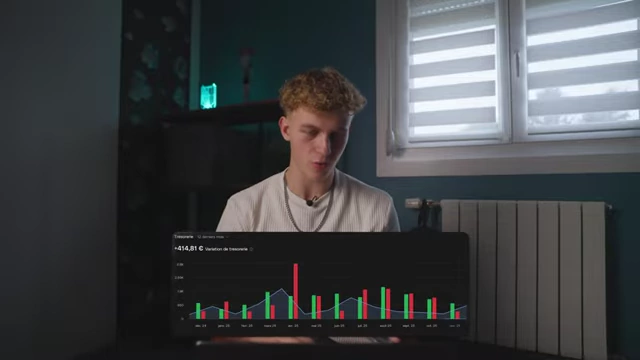
Speaker's 12-Month Freelance Cash Flow Overview [ 00:07:30 ]
Context: A Year of Experimentation [00:17]
The speaker, having earned his baccalaureate, decided to take a year off school to pursue his dream of becoming a social media creator.
- Simultaneous Freelance Launch [00:08]
- He launched a freelance video editing business for YouTubers as a parallel venture, not knowing if his creator dream would succeed.
- Skills Developed [00:28]

Key Skills Developed Through Early YouTube Videos [ 00:00:31 ] - Freelance Objectives [00:39]
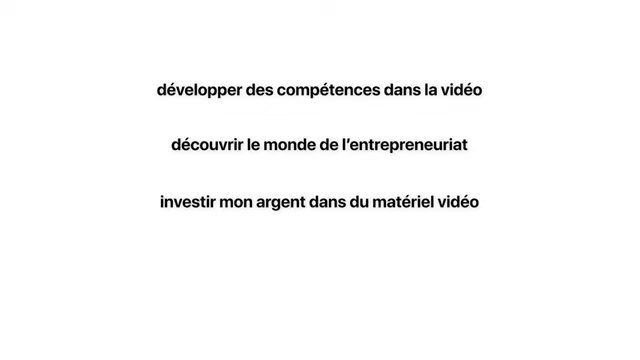
Creator's Freelance Objectives [ 00:00:45 ] - Develop video skills.
- Discover the world of entrepreneurship.
- Invest earnings into video equipment.
- Determine his true life calling, as he never intended to be a video editor long-term.
Organization and Work: The Reality of Autonomy [01:00]
Freelancing offers significant flexibility in managing one's schedule, but it's not a constant vacation.
- Advantage of Flexible Scheduling [01:07]
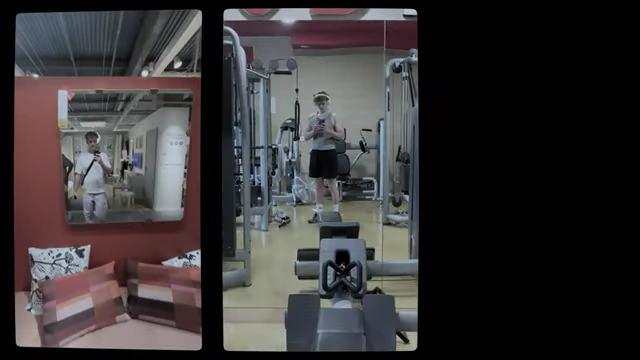
Illustrating Freelance Schedule Flexibility [ 00:01:15 ] - The ability to organize tasks and personal activities (shopping, gym, walks) freely, as long as projects are delivered efficiently and on time.
- Importance of Self-Organization [01:31]
- It's crucial to know how to organize your time effectively, as you are your own boss.
- Intertwined Personal and Professional Life [01:47]
- Completely disconnecting from work is difficult, as clients, projects, and accounting require constant attention, even during weekends or holidays.
- This constant mental engagement can be exhausting if not prepared for.
- Dealing with External Perceptions [02:27]
- People unfamiliar with freelancing may misinterpret the work-life balance, sometimes believing it's equivalent to being on vacation.
- The speaker emphasizes the value of his learned ability not to care what others think, which aided his decision to take a year off and focus on freelancing.
Clients: Strategic Partnerships [02:50]
One of the major benefits of freelancing is the freedom to choose clients and projects that align with your goals.
- The Power of Saying No [02:53]
- If a project or client doesn't align with your desired direction, it's acceptable to decline, even early in your career.
- Prioritize clients who contribute to your personal and professional growth.
- It's okay to end collaborations if they no longer align, as there are always opportunities to find more suitable clients or invest in self-improvement (e.g., learning new skills like motion design, creating content, or growing your business).
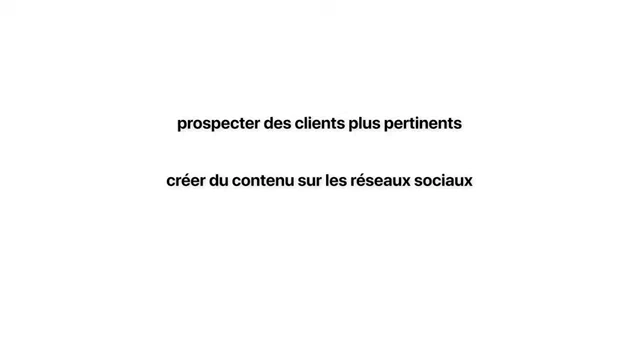
Strategies for Professional Growth and Client Acquisition [ 00:03:50 ]
- Why Clients Collaborate with Freelancers (B2B) [04:00]
- Delegation of Repetitive Tasks [04:04]
- Clients delegate boring and repetitive work to focus on strategic and creative aspects that truly grow their business.
- Leveraging Expertise for Problem Solving [04:11]
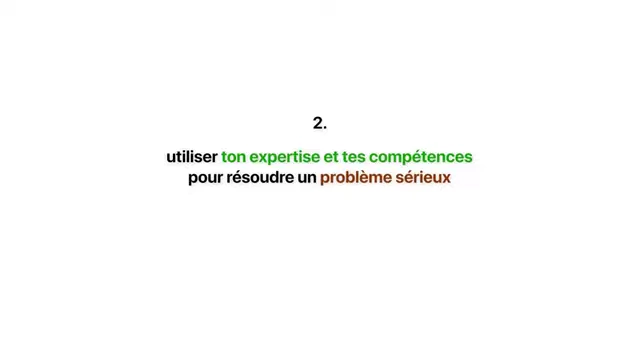
Why Clients Hire Freelancers: Solving Serious Problems [ 00:04:15 ] - Clients use your skills to solve serious problems, expecting a real return on investment.
- Delegation of Repetitive Tasks [04:04]
- Shift from Service Provider to Strategic Partner [04:45]
- Understanding that your role is to solve client problems rather than just creating "pretty" things transforms you from a simple service provider into a strategic partner.
- Maintaining Client Relationships [04:53]
- Client loyalty is not guaranteed; continuous effort, quality work, and a human touch (e.g., expressing gratitude) are essential to retain clients.
- The Path to Higher Earnings [05:24]
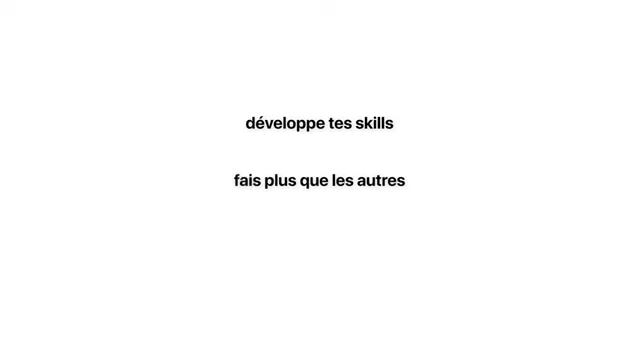
Principles for Earning More as a Freelancer [ 00:05:26 ] - Develop unique skills, outperform others, and be distinct to charge more and live comfortably as a freelancer.
Income: The Financial Reality of Freelancing [05:32]
Freelancing offers good income potential but is limited by the time-for-money exchange model.
- Income Potential and Limitations [05:37]
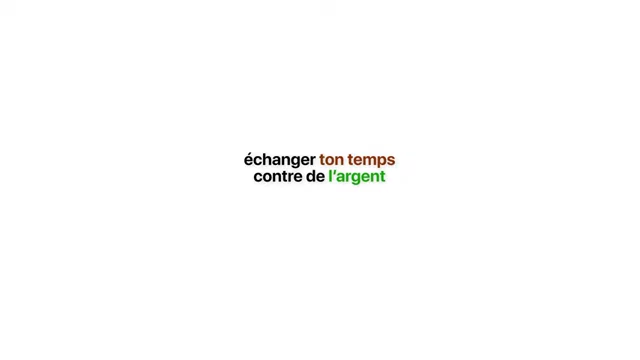
The Time-for-Money Exchange Limitation of Freelancing [ 00:06:00 ] - It's possible to earn €2,000 to €5,000 per month, and even up to €10,000 in some cases, but €20,000 is rare, and €50,000 is generally not achievable.
- Freelancing itself won't make you rich because income is directly tied to the finite amount of time you can work.
- Strategy for Higher Earnings [06:05]
- The key to earning more is to charge more for your time by becoming a specialist in a niche.
- Niche Specialization Example [06:12]
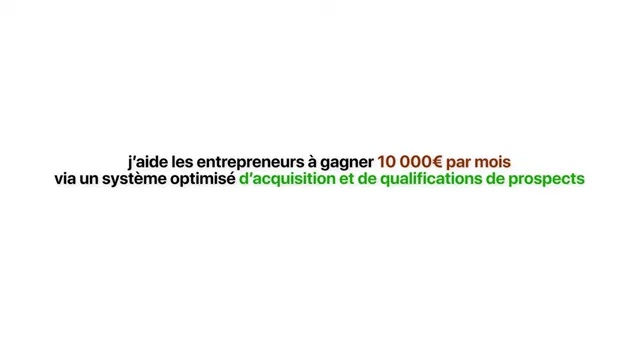
Example of Niche Specialization for High-Value Clients [ 00:06:22 ] - "I help entrepreneurs earn €10,000 per month via an optimized system for acquiring and qualifying leads."
- This example demonstrates targeted audience, serious problem-solving, and precise work, which justifies higher rates.
- Focus on High-Value Clients [06:31]
- Instead of chasing volume, aim for two or three high-paying clients, which offers financial and mental freedom.
- Income Fluctuation [06:52]
- Monthly revenue will vary significantly (e.g., €2,000 one month, €1,200 another, €4,000 later), requiring careful financial management.
My Income: A Personal Look [07:04]
The speaker shares his actual income data over 12 months, with two important caveats:
- Experimental Approach [07:12]
- Freelancing was an experiment, not his primary career goal.
- Self-Imposed Income Ceiling [07:16]
- He intentionally capped his income to maintain freedom for personal projects with greater long-term potential.
- Monthly Breakdown (Approximate) [07:27]
Speaker's 12-Month Freelance Cash Flow Overview [ 00:07:30 ] 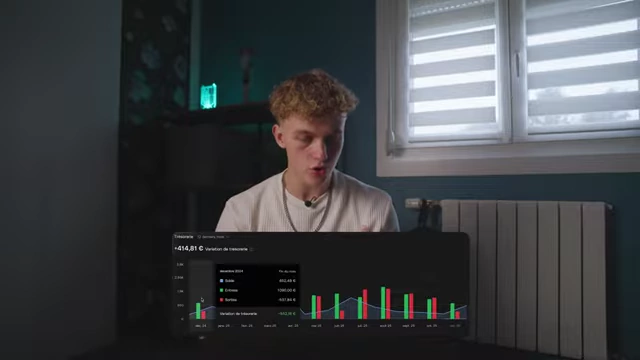
Detailed Monthly Freelance Income and Expenses [ 00:07:46 ] - Initial Phase (Sept-Feb) [07:38]
- Focused on finding clients and establishing stability, with incomes around €1,090, €670, €963.
- Stable Phase (March-August) [07:56]
- Achieved stable clients and increased rates, leading to turnovers like €1,841 (March), €1,566 (April), €1,600 (May), €1,700 (June), €1,487 (July), €2,179 (August).
- A significant expense of €3,780 in April was for video equipment (Mac, stabilizer), funded by savings.
- Decreasing Income (Sept-Nov) [08:33]
- Income began to decrease: €1,600 (September), €1,300 (October), €1,070 (November, half-month).
- This decrease was intentional, as he used a July vacation to shift focus to personal content creation.
- Initial Phase (Sept-Feb) [07:38]
The Next Chapter: Embracing Content Creation [08:33]
The speaker's intentional reduction in freelance work facilitated a pivot towards his true passion.
- Rediscovering His Dream [08:54]

Examples of Cinematic Video Content for Personal Projects [ 00:09:10 ] - During his July break, he filmed his trip, delved into cinematic video, built systems, created products, researched business access content, and developed his personal brand as an explorer videographer.
- This period solidified his desire to earn a living from venturing, experiencing, filming cinematically, sharing on social media, and building an audience and business around it.
- Transitioning from Freelance to Creator [09:31]
- He consciously invested less time in freelance work to develop his content creation business, which he believes has "infinite potential."
- After a year of using freelancing as a stepping stone, he is now establishing content creation as his primary business.
- The Broader Freelancer Trend [10:03]
- Many freelancers diversify income through content creation.
- His unique approach is to make freelancing a secondary activity, fully dedicating himself to content creation, using his passion for video to document his life and build a sustainable business.
Outro [10:30]
The speaker hopes to have provided clarity on freelancing. He invites viewers to subscribe to follow his journey and offers further assistance for those considering freelancing versus traditional education, and shares resources for learning cinematic video.