Is Living in Japan Still Worth It for Foreigners Amidst Rapid Change?
Japan is currently experiencing significant changes driven by surging tourism, economic pressures, and demographic shifts, which are altering the daily lives of both its citizens and foreign residents.
- Japanese citizens express quiet frustration as their country changes rapidly, with incidents amplified online, fostering a sense of cultural erosion.
- Foreign residents worry that their efforts to integrate are being undermined, fearing they are being stereotyped with misbehaving tourists, and face increasing scrutiny.
- The political landscape is shifting, with anti-immigration rhetoric gaining traction as a simplified solution to complex issues like population decline.
- Despite these challenges, the video emphasizes that the perception of widespread xenophobia often differs from the calmer reality of daily life outside major tourist hubs.
- For foreigners, a sense of belonging in Japan is still achievable, not through headlines or policies, but by actively participating in local communities, learning the language and culture, and fostering genuine relationships.
- The video concludes that living in Japan is worthwhile for those willing to contribute and engage, rather than just consume its culture, approaching the experience with awareness and intention.
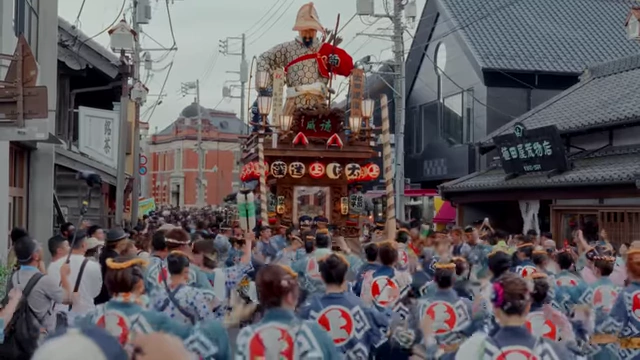
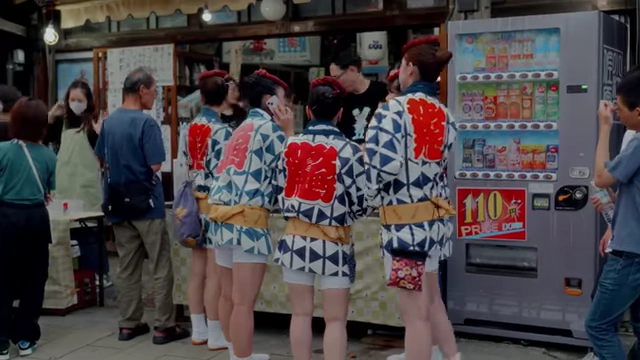
A traditional Japanese festival float is pulled through a town by a large crowd of participants. [ 00:11:17 ]
The Shifting Landscape of Japan [0:50]
The video opens with a personal anecdote about a train ride from Tokyo, where a large, loud group of foreigners disrupted the quiet carriage, causing silent frustration among Japanese passengers. This incident serves as a microcosm of broader changes happening in Japan.
Context of Growing Tensions [1:36]
- The quiet frustration witnessed reflects a new kind of tension in Japan, influenced by concurrent economic strain, record tourism, and demographic shifts.
- Isolated incidents are no longer ignored but are socially amplified online, becoming part of a larger narrative.
- This amplification affects Japanese citizens, who feel their home country is changing beyond their control.
- Foreign residents experience anxiety, wondering if their years of integration efforts still matter or if they will be judged by the actions of other foreigners.
Underlying Pressures and Societal Shifts [2:33]
- Economic Impact: Real wages have stagnated while prices slowly rise, making the tourism boom feel like an additional burden.
- Tourism Overload: Tourist-heavy cities experience increased crowding in trains and streets, along with dramatic increases in hotel and restaurant prices.

A bustling city street with a large advertisement and people holding umbrellas, indicating crowded conditions due to tourism. [ 00:05:50 ] - Demographic Changes: Japan's shrinking population leads to workforce gaps increasingly filled by foreign workers.
- This is seen by some as a necessary solution, while others fear it makes Japan less recognizable.
- Political Response: The visible and rapid shift in foreign presence has become a focal point in political debates.
- The rise of parties like Sansato, with their "Japanese first" and anti-immigration rhetoric, demonstrates how quickly identity questions can move to the center of public discourse.
- This shift is worrying for many foreign residents, who fear tighter immigration rules and increased social hostility.
Identity and Belonging in a Changing Japan [4:58]
The video delves into how Japan's relationship with identity is subtly yet significantly shifting for both its citizens and foreign residents.
- The "Crisis" Narrative [5:07]
- When the social fabric is perceived to be under threat, people are drawn to simple, emotionally satisfying answers, which gives traction to fear-based narratives.
- For foreign residents, this is the first time their presence has been a central point in mainstream public debates.
- Misconception of Foreigners: There's a common failure to distinguish between short-term tourists (often perceived as treating Japan like a "theme park") and long-term residents.
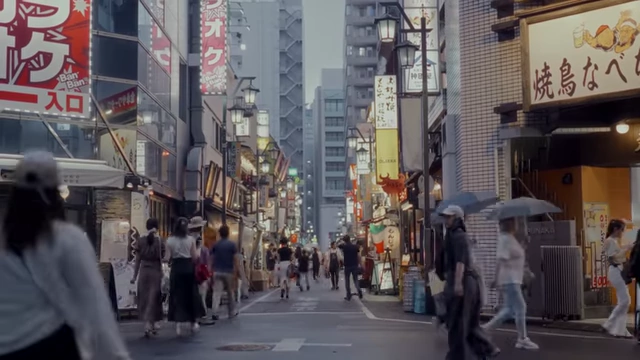
People walk on a busy street lined with shops and signs, representing a common urban scene. [ 00:02:17 ] - This generalization is frustrating for residents, carrying real concerns about public opinion threatening their residency and what they have built.
- Online narratives about rising xenophobia lead many to question or cancel their plans to visit or move to Japan.
- Shifting Japanese Identity [6:43]
- Japanese citizens are traveling overseas less due to increased prices and a renewed pride in local culture, where service quality is higher and social cohesion is stronger.
- Social media allows Japanese people to see their culture through outsider's eyes, increasing awareness of Japan's unique aspects and what's at risk in a globalized world.
- This cultural protectionism is now observed among younger generations.
- Shifting Foreign Resident Identity [7:21]
- Foreign residents feel a shift in how they are perceived, with years of integration efforts potentially undermined by political campaigns and news cycles.
- Acceptance can feel conditional and easily revoked.
- The Immigration Dilemma [7:57]
- While empathizing with Japanese concerns about cultural protection, the video highlights that increased immigration is a byproduct of deeper issues, primarily Japan's extreme and globally declining fertility rate.
- Immigration is merely a short-term solution, capable of slowing population decline but not reversing it.
- To maintain the current population through immigration alone would require accepting millions of new arrivals and embracing large-scale multicultural settlement, which is unlikely to be accepted by the public.
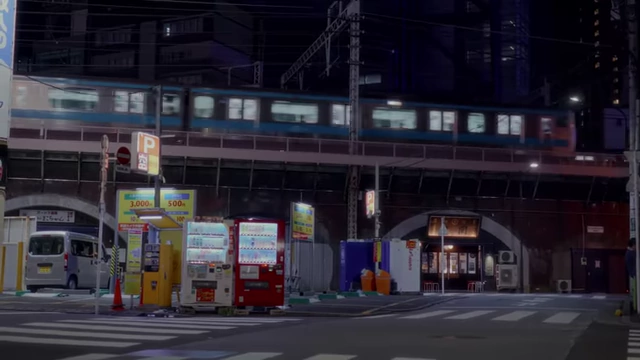
A train passes over an elevated track, with vending machines and street signs below, representing daily infrastructure. [ 00:08:48 ] - Long-term solutions might involve leveraging AI for productivity or redesigning economies and infrastructure for smaller populations.
- The government is investing in childcare and family support, but cultural norms (work, gender roles) change slowly.
- Open debate, even if uncomfortable, is crucial for society to adapt proactively rather than reacting to frustration and fear.
- Increased political pressure is already leading to tighter visa rules and more scrutiny towards foreign ownership.
- Foreigners, without voting rights, must accept these changes or reconsider their living arrangements.
Is It Still Worth Living in Japan as a Foreigner? [11:07]
The video addresses the core question, distinguishing between online perceptions and lived reality.
- Challenges of Living in Japan [11:23]
- Japan has always been a challenging place for foreigners, requiring significant effort in language, cultural nuances, and integration.
- The current climate, with increased concerns about foreign residents, can be unsettling.
- Reality vs. Perception [11:47]
- Online narratives and news headlines do not always reflect the ground reality.
- While major tourist cities like Tokyo and Kyoto have seen significant changes and crowding, everyday life in most parts of Japan remains steady and largely untouched.
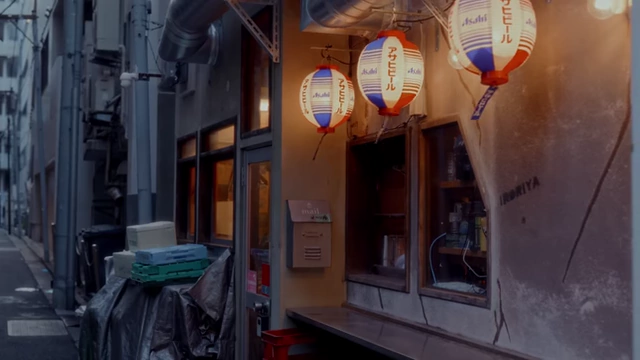
A quiet alleyway in Japan at night, illuminated by lanterns, contrasting with busy tourist areas. [ 00:10:59 ] - The majority of tourists do not cause trouble, and many also dislike problematic tourists.
- Locals haven't universally turned against foreigners; many remain curious, welcoming, and interested, especially when met with reciprocity.
- Building Belonging from the Ground Up [12:48]
- Belonging is not defined by headlines, politics, or online discourse, but by daily choices, relationships, and active participation in local communities.
- The internet, while connecting, can ironically make people less present, amplifying conflict and overshadowing meaningful local interactions.
- Initial biases are human nature but are breakable through genuine interaction and actions.
- The Path to Belonging: For those considering or already living in Japan, belonging comes from:
- Showing kindness to those around you.
- Carrying yourself with respect.
- Putting effort into learning the language and culture.
- Getting involved in local community events, greeting neighbors, or volunteering.

- Conclusion [15:13]
- Living in Japan is still worth it, but it depends on whether one comes to consume Japan or to participate in it.
- It hinges on expectations and willingness to contribute.
- While global and national changes are uncontrollable, individuals can control the value of their choices.
- Live with intention if already there; come with awareness, not fantasy, if planning to move.
- Ultimately, belonging begins with how you live, not just where you live.