Building a Personal Brand: Strategies by Follower Count (0 to 10M+)
This video details brand strategies across four follower stages:
- Stage 1 (0-100K Followers): Building the Foundation
- Focus on sustainable content creation and learning audience preferences.
- Implement a narrow niche, establish brand associations, and define a unique point of view.
- Prioritize deep, useful content and consistently deliver your core message.

Percentage of creators in each stage [ 00:05:50 ]
- Stage 2 (100K-1 Million Followers): Building Trust
- Scale content creation by hiring a content director and optionally an editor/writer/designer.
- Adopt a content ratio of 75% deep, 20% niche-wide, and 5% personal content.
- Utilize 3 primary platforms for native content and repurpose for secondary platforms.
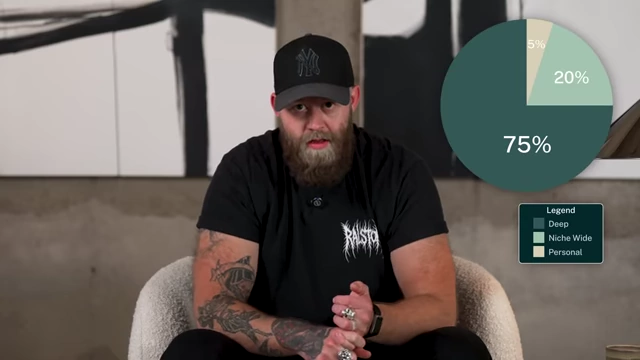
Content ratio for Stage 2: 75% Deep, 20% Niche-Wide, 5% Personal [ 01:28:17 ]
- Stage 3 (1 Million-10 Million Followers): Leading the Space
- Scale the team to 3-10 people, including platform-specific owners and potentially a project manager.
- Shift content ratio to 65% deep, 25% niche-wide, and 10% personal.
- Implement a paid media strategy (jab, jab, jab, right hook) and consider developing a second pillar platform.
Content ratio for Stage 3: 65% Deep, 25% Niche-Wide, 10% Personal [ 02:44:05 ]
- Stage 4 (10 Million+ Followers): Becoming a Media Company
- Focus on the "bar stool method" to build up other personalities within the organization, diversifying reliance beyond the main creator.
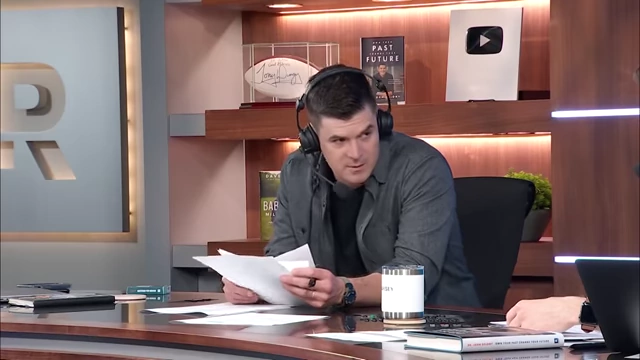
Ramsey Show personalities demonstrating the "bar stool method" [ 03:18:50 ]
- Focus on the "bar stool method" to build up other personalities within the organization, diversifying reliance beyond the main creator.
- Overall Content Framework
- Employ a 70/20/10 framework where 70% is proven content, 20% are tweaks, and 10% are new experimental ideas.
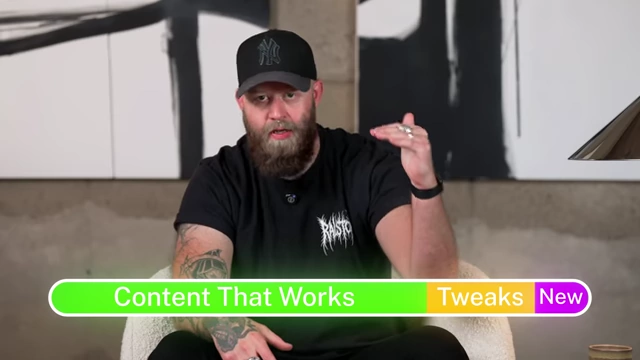
The 70/20/10 content framework for proven, tweaked, and new ideas [ 02:22:16 ]
- Employ a 70/20/10 framework where 70% is proven content, 20% are tweaks, and 10% are new experimental ideas.
Introduction to Personal Brand Stages [0:00]
The speaker, with 17 years of experience in building online personal brands, highlights that many creators get stuck due to a lack of strategy or using outdated strategies. This video aims to provide a clear framework for personal brand strategy at different follower stages.
Pre-requisite Exercises for Brand Strategy [0:22]
Before diving into the stages, four key exercises are introduced to establish a solid brand blueprint.
- Brand Journey Framework [0:41]
- Consists of four questions to define the end goal and reverse-engineer the path:
- What is the desired outcome of building this personal brand? [0:58]
- Consists of four questions to define the end goal and reverse-engineer the path:

Stage 1: Building the Foundation (0-100K Followers) [5:36]
This initial stage focuses on building self-trust and establishing a consistent, sustainable operation.
Key Characteristics and Pitfalls [5:40]
- Majority of Creators: Approximately 90% of online creators are in this stage, with most having under 20,000 followers. [5:48]
Pie chart illustrating that 90% of creators are in the 0-100K follower stage [ 00:05:50 ] - Common Problems:
- Content Cadence: Often inconsistent ("rollercoaster" pattern), leading to burnout. [7:28]
- Goal: Establish a sustainable content creation habit and gather data on audience preferences. [8:15]
- Accordion Method [10:28]
- Expanded Accordion (Volume Phase): Focus on high volume to discover what your audience considers "quality" content. [10:45]
- Contracted Accordion (Optimization Phase): Once in Stage 2, refine content based on learned data. [11:34]
- Learning from Tests: Track progress (or lack thereof) to make informed adjustments; don't just post without analyzing performance. [11:51]
Niche Strategy: Clarity over Width [12:40]
- Narrow Focus: Initially, keep your niche narrow and consistently pair yourself with the core message. [13:21]
- Leverage Stories and Examples: Share the same principles through different scenarios to maintain engagement and variety. [14:44]
- Choosing Your Lane:
- Niche-Wide Content: Create content that appeals to the broadest segment within your chosen niche, not content for everyone outside your niche. [19:13]
- Example: A time management video for video editors is niche-wide, whereas a general time management video might be too broad. [21:21]
Brand Positioning: Three Levers [21:40]
You need at least one, ideally two, or all three levers to stand out:
- Contrarian Belief [21:59]
- Your unique perspective about your industry that is fundamentally different from your peers. [22:11]
- Examples: Gary Vee advocating social media over traditional advertising; Cody Sanchez promoting "boring businesses" over tech startups. [22:44]
- Caution: Don't manufacture controversial takes; find a genuinely held belief based on deep industry insight. [25:22]
- Delivery [26:18]
- Wrapping Paper (Format/Packaging) [28:56]
Important Notes on Brand Positioning [31:01]
- Focus on Message, Not Gear: Your content's value lies in your message, not expensive equipment. [31:10]
- Mega Depth Plays: Create extensive, valuable content (e.g., a 6+ hour free course) to signal leadership and build deep trust. [31:39]

Mega-depth plays signal leadership. [ 00:31:42 ] - Branding Definition: Branding is the intentional, consistent pairing of relevant things; brand is when your audience inherently associates you with what you intentionally pair yourself with. [32:56]

Definition of 'Brand' [ 00:33:12 ] - Strategic Partnerships: Be ruthless in choosing collaborations and podcast appearances to ensure alignment with your desired brand associations. [34:47]
- Two-Column Approach Exercise: List things in your space you disagree with (left column) and their opposites you want to embody (right column). [35:25]
- Building a Brand of Freedom: Focus on building a brand that provides freedom, not one that holds you captive. [40:18]
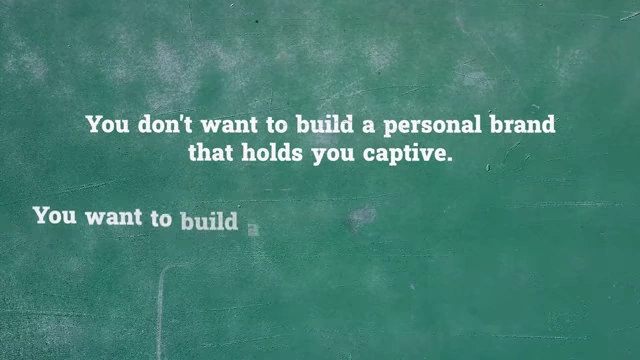
Text: You don't want to build a personal brand that holds you captive. You want to build a personal brand that provides freedom. [ 00:40:21 ]
What You Make: Principles and Formats [42:01]
- Deep over Wide: Prioritize in-depth content. [42:04]
- Document before Create: Share your experiences, learnings, and processes rather than just "creating" from scratch. [42:13]
- Content Types: Every piece should either teach a principle, show proof, or reveal a process. [42:40]
- Signature Formats: Pick 2-3 sustainable formats (e.g., deep explainer videos, case study teardowns, vlogs). [42:57]
- 3 Questions Before Filming:
- Reflection: If you have to "hype yourself up" to talk about a topic, it might not be the right one for long-term sustainability. [47:19]
Sustainability: Brand Your Process [48:25]
- Enjoy Content Creation: Make content creation sessions enjoyable by pairing them with things you love (e.g., environment, people, snacks). [48:52]
- "Shit You Don't Like" Log: Document what went wrong after each session to refine your process and make it more enjoyable over time. [51:58]
- Waterfall Distribution Method:
- Create a "pillar piece" of long-form, preferably evergreen content (e.g., YouTube video, podcast). [53:46]
- "Mine" valuable moments from the pillar content. [54:23]
- Repackage these moments contextually for a single secondary platform (e.g., Instagram reels from a YouTube video). [55:20]
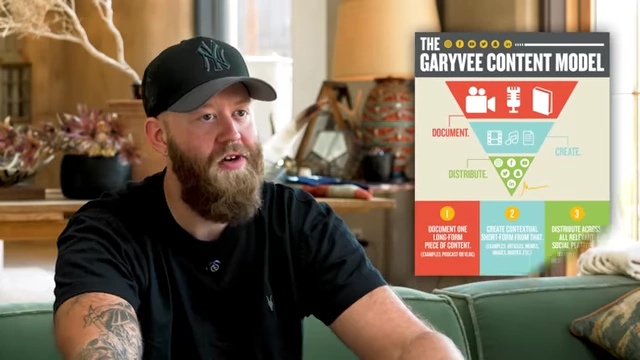
The GaryVee Content Model for content distribution [ 00:53:24 ]
- Pillar Cadence: Aim for weekly or bi-weekly pillar content; if not feasible, prioritize monthly or quarterly posts. Consistency is key. [57:38]
- Content System Structure: Document your process and clearly define ownership for each task, even if you're a solo creator. This prepares for future hiring. [59:44]
- Prioritize Consistent Uploads over Perfect Videos: The audience defines quality, not your subjective view of perfection. [1:00:37]
Platform Utilization: Two Platforms [1:06:06]
- Primary Platform: Where you create pillar content and focus most of your energy. [1:01:12]
- Secondary Platform: Where you repurpose content with minimal edits. [1:01:19]
- Choosing Platforms:
Team Composition: Solo or Swiss Army Knife [1:03:55]
- Solo Creator: Most creators in this stage operate alone. [1:04:01]
- Optional: Freelance "Swiss Army Knife": Hire an individual who can perform multiple tasks (filming, editing, graphics, posting) with their primary skill addressing your biggest bottleneck (e.g., editing). [1:04:07]
- Test Projects: Always conduct a test project mirroring the role before hiring, even for freelancers, to assess skills and work ethic. [1:05:55]
Key Metrics to Track [1:06:40]
- Less is More: Focus on a few key metrics that inform your actions.
- Inputs: Number of posts per month (habit tracker). [1:07:44]
- Outputs: Watch time (most important) and views. [1:08:03]
- Quality of Inbound: Anecdotal data (DMs, emails, comments) on who is engaging and what they're saying, indicating trust. [1:08:11]
- Follower Count: A signal of demand and social proof, but not a primary KPI. [1:09:06]
- Outlier Grading (Multiplier System):
- Guardrails/Bumpers: Treat comments and DMs as feedback to refine your message and content, not always as direct guides for change. [1:14:49]
Monetization Strategy: Monetize Trust, Not Just Attention [1:14:55]
- Avoid Early Monetization: For 6-12 months, focus on providing value and building trust without big "asks." [1:15:01]
- Sell in Private (if needed): If monetization is necessary, make one-to-one, private offers (e.g., via email list, DMs) for existing businesses. [1:16:05]
- Avoid Shilling Products: Do not promote products that aren't directly aligned with your audience's value, as this dilutes your brand and trust. [1:16:50]
- Trust is the Currency: The longer people engage with your valuable content and see results, the more they trust you and are likely to convert later. [1:18:10]
Stage 2: Building Trust (100K-1 Million Followers) [1:20:02]
This stage is about converting attention into trust and building repeatable systems for scaling.
Primary Focus and Pitfalls [1:20:09]
- Rarity: Only 8% of creators reach this stage. [1:20:36]
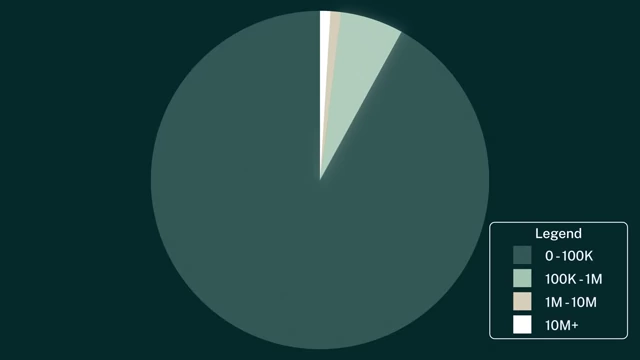
Pie chart showing the distribution of creators across follower stages [ 01:20:40 ] - Primary Focus: Turn your "craft" into an "assembly line" for predictability and volume, expanding your niche without diluting depth. [1:23:08]
- Pitfall: Using the same strategies that got you to 100K won't get you to 1M. You must scale, which means relying on other people. [1:21:04]
- Delegation: Avoid improper delegation or lack of clarity in roles when hiring, as this can lead to dropped tasks. [1:24:02]
Niche Strategy: Expanding Within Your Lane [1:24:54]
- Niche Adjacent Topics: Identify 3-5 related topics within your niche to experiment with. [1:25:16]
- Dual Intention of Experiments:
- Find new content your audience enjoys.
- Discover formats that keep you energized and excited. [1:26:02]
- Content Ratio:
- 75% Deep Content: Proves your expertise (e.g., definitive guides, case studies). [1:28:17]
Content ratio for Stage 2: 75% Deep, 20% Niche-Wide, 5% Personal [ 01:28:17 ] - 20% Niche-Wide Content: Increases discoverability within your niche (e.g., summarizing career knowledge, tier list videos, one-off problem-solving stories, reaction videos). [1:28:27]
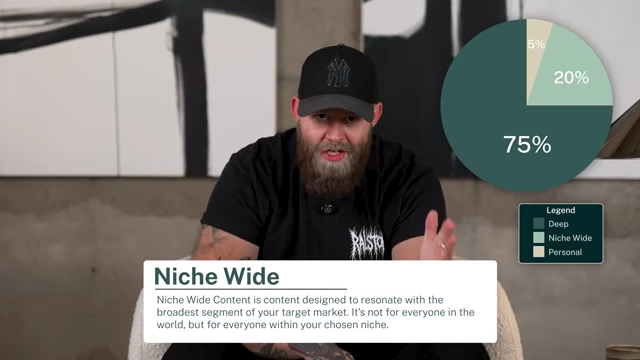
Definition of Niche Wide Content [ 01:28:38 ] - 5% Personal Content: Humanizes you in an era of AI. This can be integrated into deep/niche-wide content or standalone (e.g., vlogs, storytime videos). [1:28:57]
- Mega Depth Play Example: A free, long-form course (6+ hours) to serve as a "manifesto" builds immense trust and generates organic amplification. [1:35:11]
- 75% Deep Content: Proves your expertise (e.g., definitive guides, case studies). [1:28:17]
Team Composition: 1-3 Members [1:48:28]
- Avoid Rushing: Build your team thoughtfully to prevent future problems. [1:48:38]
- Most Important Hire: Content Director: This individual thinks long-term, builds out the system, and oversees the entire media operation. Hire based on vision, and supplement with consultants if needed for expertise. [1:50:17]
- Optional: Editor & Writer/Designer: Hire these roles (full-time or freelance) based on bottlenecks and volume needs. [1:54:34]
Platform Utilization: Deeper on a Few [1:56:36]
- Primary Platforms (3 recommended): Create content natively for these platforms, deploying your best ideas first, and closely monitoring analytics (weekly review). [1:57:08]
- Cadence: 1 long-form pillar piece/week (or bi-weekly/monthly if needed) on your anchor platform, with platform-native versions for other primaries. [1:58:28]
- Secondary Platforms (2-3 recommended): Repurpose content from primaries with minimal edits. No new experiments or significant energy deployment here unless they show consistent strong performance and drive qualified leads, warranting a promotion to primary status. [2:01:02]
- "Eye of Sauron" Approach: Focus ruthless attention on one primary platform at a time (e.g., 8 weeks on YouTube, then shift to Instagram) while others are in "maintenance mode" (still posting, but no innovation). [2:03:23]
- Your attention directly correlates with platform success. [2:06:18]
- Podcast Appearances: Engage in as many relevant podcasts as possible. [2:09:00]
- Benefits: Reach new audiences, improve articulation skills, and enhance brand positioning by association with reputable shows. [2:10:02]
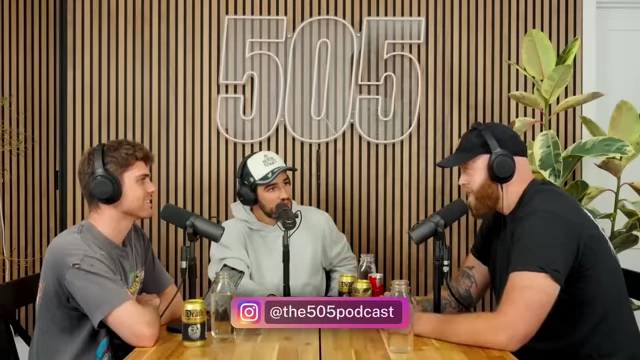
Caleb Ralston as a guest on the 505 Podcast [ 02:10:28 ] 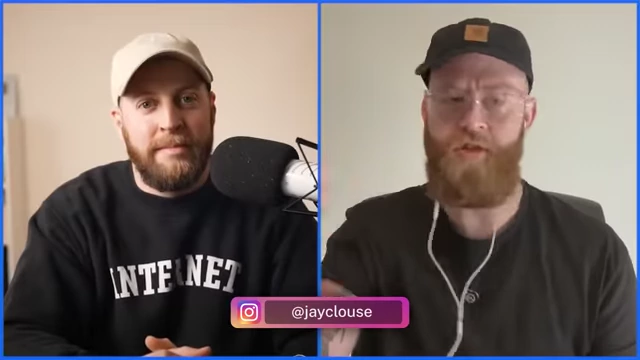
Caleb Ralston as a guest on the Jay Klouse podcast [ 02:10:33 ] 
Caleb Ralston appearing on the Open Residency podcast [ 02:13:18 ] 
Title graphic for the Open Residency podcast [ 02:13:19 ] - Strategy: Create valuable content on your own channels, and hosts will eventually seek you out. [2:14:27]
On-screen question: How do I get on shows? [ 02:14:12 ]
- Benefits: Reach new audiences, improve articulation skills, and enhance brand positioning by association with reputable shows. [2:10:02]
System Structure: Document and Review [2:15:42]
- Document Processes: Clearly document all content creation steps to create repeatable formats and facilitate delegation. [2:15:48]
- Weekly Review: Conduct a weekly meeting with your team to review content performance and make data-driven adjustments. [2:16:39]
- Shorten Feedback Loop: Avoid batching content for more than a month, as prolonged feedback loops hinder adaptation to changing platform trends and audience preferences. [2:17:41]
- 70/20/10 Framework:
- 70% Content That Works: Proven content with a high likelihood of success. [2:20:56]
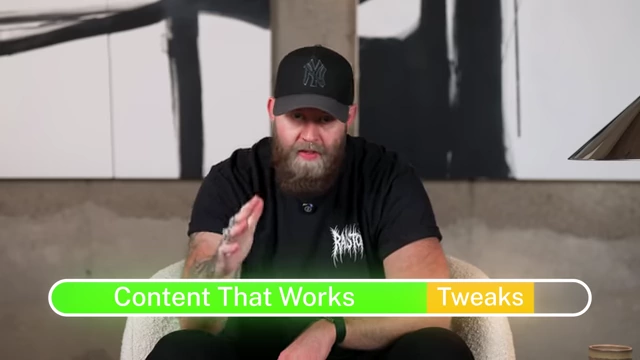
Bar chart showing "Content That Works" and "Tweaks" portions of the 70/20/10 framework [ 02:21:44 ] - 20% Tweaks: Iterations and fine-tuning of the 70% content. [2:21:15]
- 10% New Ideas: Big swings and experiments that drive innovation (must enable psychological safety for failure). [2:21:55]
70/20/10 content framework graphic [ 02:22:16 ] 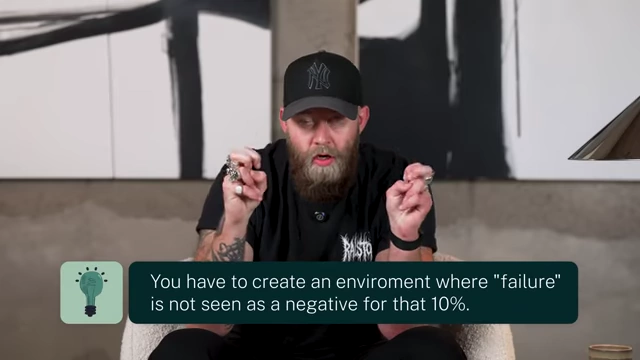
Text: You have to create an environment where "failure" is not seen as a negative for that 10%. [ 02:23:06 ]
- 70% Content That Works: Proven content with a high likelihood of success. [2:20:56]
Key Metrics to Track [2:23:12]
- Inputs: Continue tracking number of posts and adherence to due dates. [2:23:19]
- Outputs: 30-second retention (for YouTube), average view duration, and shares (especially on short-form platforms). [2:24:45]
- Inbound Lead Quality: Crucial to ensure platform success translates to qualified leads for your business. [2:28:27]
- Conversion Rate: Track the entire journey from content consumption to booked calls or closed deals to optimize for business outcomes. [2:29:57]
Monetization Strategy: Full-Blown Monetization [2:31:02]
- Monetize Trust at Scale: Your content creates demand, and your infrastructure converts without your direct involvement. [2:31:47]
- Offers as Natural Continuation: Free content solves problems, then reveals larger problems your paid offers solve. [2:31:26]
- Paid Media Strategy: Begin implementing paid ads (e.g., retargeting organic audiences). [2:32:11]
Stage 3: Leading the Space (1 Million-10 Million Followers) [2:35:51]
This stage is about owning your specific niche ("space") and becoming omnipresent.
Primary Focus and Pitfalls [2:35:56]
- Rarity: Only 1-2% of creators reach this stage. [2:37:49]
- Definitions:
- Primary Focus: Debottleneck yourself from day-to-day activities to focus on leadership and strategic decisions. [2:38:28]
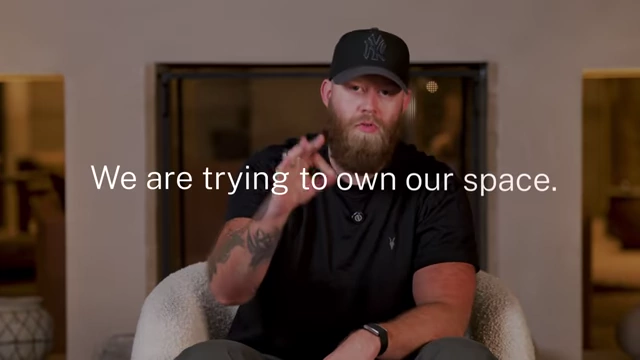
Text: We are trying to own our space. [ 02:37:44 ] - You still provide the "thumbprint" on pre-production and make big decisions, but execution is largely delegated. [2:38:31]
- Pitfall: Diluting your core message by chasing wider reach from influence by other creators (especially entertainment-focused ones). [2:40:50]
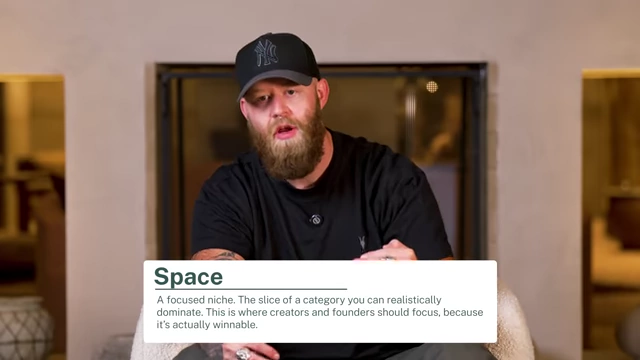
Niche Strategy: Explicit Thesis [2:41:51]
- Non-Negotiables: Document 3-5 "non-negotiables" that your content must always reinforce, to maintain brand integrity as the team grows. [2:42:25]
- Collaborations: Engage in strategic collaborations and podcast appearances, especially with peer-level or higher-level creators, to amplify your brand positioning. [2:43:11]
- Content Ratios:
- 65% Deep Content: Continue to emphasize in-depth content. [2:44:10]
Caleb Ralston discussing the content ratio for Stage 3: 65% Deep, 25% Niche Wide, 10% Personal [ 02:44:05 ] - 25% Niche-Wide Content: Broaden reach within your specific lane. [2:44:38]
- 10% Personal Content: Further humanize your brand. [2:44:46]
- 65% Deep Content: Continue to emphasize in-depth content. [2:44:10]
- Recurring Series: Create branded series that your audience associates with you. This can become an independent brand (e.g., "Diary of a CEO"). [2:45:20]
Title graphic for "Behind The Diary" [ 02:46:04 ] 
Title graphic for "Diary Of A CEO" [ 02:46:20 ]
Sustainability: Your Own Studio [2:47:38]
- Dedicated Studio Space: Prioritize having your own studio (rented or owned) for content creation. [2:48:10]
- Studio Model (Pre-Production to Performance):
- Pre-Production: Platform leaders run briefs, develop outlines (you review/tweak), manage research, and oversee the upload calendar. [2:50:38]
- Production: You (the talent) show up and film. Videographer runs camera, while platform director directs the content. [2:51:57]
- Post-Production: Editor ingests/tags footage, creates edits. Designer makes thumbnails (ideally pre-filming). Gradually remove yourself from final review. [2:54:29]
- Publish & Performance: Content director conducts weekly review meetings with platform leaders, presenting data and actionable next steps. [2:55:53]
- Continue the 70/20/10 framework for innovation. [2:56:31]
Platform Utilization: Six Primary Platforms [2:57:15]
- Expand to 6 Primary Platforms: Gradually add platforms where you create native content, each with a dedicated owner/creator. [2:57:41]
- Secondary Platforms (3 High Volume): Use additional high-volume platforms (e.g., a "fan account" duplicate of a primary platform) for testing and mass distribution without worrying about penalties on your main account. [2:58:18]
- Example: Gary Vee's main and secondary Instagram accounts for testing. [2:59:21]
- Eye of Sauron (Team-Focused): Your focus and your content director's focus can shift between primary platforms, but all platforms are actively managed and innovated upon by dedicated team members. [3:00:25]
- Second Pillar Platform: Consider developing a second pillar platform (e.g., adding a podcast if YouTube is primary, or a Substack if YouTube/podcast are primary). [3:01:25]
Team Composition: 3-10 People [3:02:16]
- Content Director: Oversees the entire media team, hiring, operations, and creative. [3:02:29]
- Videographer: Manages production on shoot days (lights, camera, setting). [3:02:40]
- Platform Owners/Creators [6]: Individuals dedicated to each of your 6 primary platforms, responsible for creating native content and managing their respective platforms (editing, graphics, strategy). [3:03:25]
- Optional: Project Manager: Highly recommended to ensure the team functions on time, manages bandwidth, predicts project timelines, and handles requests from other departments. [3:06:57]
- Optional: Designer: For graphic-heavy content or in-house thumbnail design (may be freelance or full-time based on volume). [3:09:41]
Key Metrics to Track [3:10:15]
- Inputs & Outputs: Continue tracking the same metrics as Stage 2, but across double the number of primary platforms. [3:10:20]
- Customer Journey Tracking: By the end of this stage, you should have detailed data on your customer's journey, informing content creation to guide them to conversion. [3:11:00]
- Outlier Grading: Continue the multiplier system for all platforms. [3:11:16]
Monetization Strategy: Full-Blown Monetization [3:11:41]
- Monetize Trust at Scale: Your content drives demand, and your infrastructure handles conversions without your direct involvement. [3:11:47]
- Paid Media Strategy: Full implementation of paid media, retargeting audiences gained through organic content. [3:12:08]
- Maintain a high ratio of "jabs" (organic content) to "right hooks" (paid ads). [3:12:50]
- Edify Other Leaders: Begin planning to build the personal brands of other key individuals in your organization to diversify your company's reliance beyond just you (the "bar stool method"). [3:13:55]
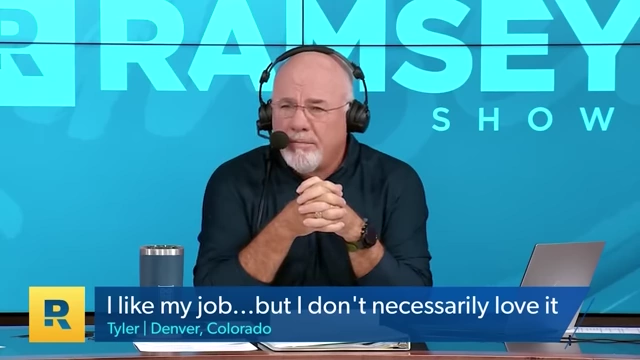
Dave Ramsey on "The Ramsey Show" [ 03:18:43 ] 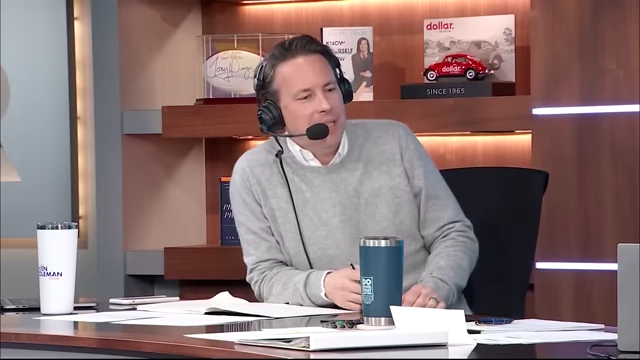
Ken Coleman on "The Ramsey Show" [ 03:18:45 ] 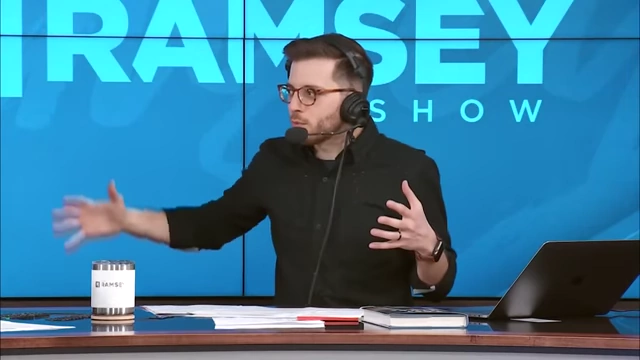
George Kamel on "The Ramsey Show" [ 03:18:48 ]
John Delony on "The Ramsey Show" [ 03:18:50 ] 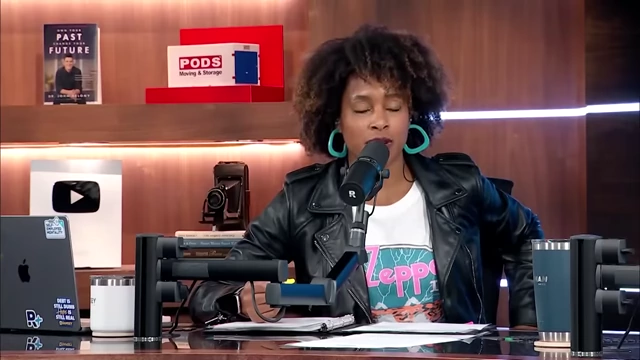
Rachel Cruze on "The Ramsey Show" [ 03:18:52 ]
Guardrails and Traps to Avoid [3:14:32]
- Do Not Blur Your Message: As you scale, reinforce your core message and what it isn't with both your audience and your team. [3:14:40]
- Don't Bottleneck Your Team: Empower your team, especially your content director, to manage processes and make decisions without your constant approval. [3:15:20]
Stage 4: Becoming a Media Company (10 Million+ Followers) [3:17:11]
This final stage is about transforming your personal brand into a full-fledged media company.
Primary Focus: The Bar Stool Method [3:17:18]
- Diversify Personalities: Focus on building out the brands of other leaders and personalities within your organization. [3:18:07]
- Reduce Key Man Risk: This ensures the company's success isn't solely dependent on your presence (e.g., Dave Ramsey's network of personalities). [3:18:20]
- Shift from "Dancing Bear": This allows you to step back from being the sole face in front of the camera, creating a sustainable model for long-term growth. [3:19:12]
- Your audience will start to engage with your team members, not just you. [3:19:35]