Bosch's CES 2026 Innovations: From Microscopic Anti-Counterfeiting to AI-Powered Smart Cockpits
Summary:
- Bosch showcased diverse innovations at CES 2026, emphasizing its ubiquitous role in everyday technology.
- Origify software provides robust anti-counterfeiting by detecting unique microscopic surface variations with a smartphone camera, even for tiny electronic components.
- Bosch's miniature sensors, some as small as 1mm², enable advanced functionalities like touch sensitivity in robot hands using barometric pressure and bone conduction speech recognition in smart glasses via accelerometers.
- The BSH appliance division introduced the 800 series induction cooktop with matte glass, active cooking zones, and AutoChef temperature management for precise cooking, and a new cordless vacuum with particle detection LEDs and efficient dust compression.
- The eBike Flow app now includes a "Mark as Stolen" feature, blacklisting bikes across the entire Bosch ecosystem and aiding police reports.
- Bosch's NVIDIA-powered Smart Cockpit for vehicles integrates Microsoft Teams, AI-powered street sign translation, and natural language calendar management, envisioning cars as mobile offices.
Bosch's Ubiquitous Technology [00:00:00]
- Bosch's presence in daily technology is often unnoticed [00:00:18]
- The company develops components for vehicles, smart gadgets, robotics, and appliances.
- The video aims to explain how much Bosch technology is already integrated into consumer products.
Origify: Anti-Counterfeiting Software [00:00:42]
- Origify is a software-only solution that utilizes smartphone cameras [00:00:47]

The Origify app scanning a passport to detect microscopic surface variations for authentication. [ 00:00:50 ] - It leverages the fact that no two objects are truly identical, detecting microscopic surface variations. [00:00:51]
- Authentication Process [00:01:04]
- Original Equipment Manufacturers (OEMs) scan products at factories to create stored hashes of reference images.
- Consumers can later authenticate the exact object using their smartphones. [00:01:14]
- Demonstrations [00:01:19]
- Pokémon Card Demo: The software successfully differentiated between two visually identical but microscopically unique Pokémon cards. [00:01:39]

Two visually identical Pokémon cards used in the Origify demo. [ 00:01:23 ] 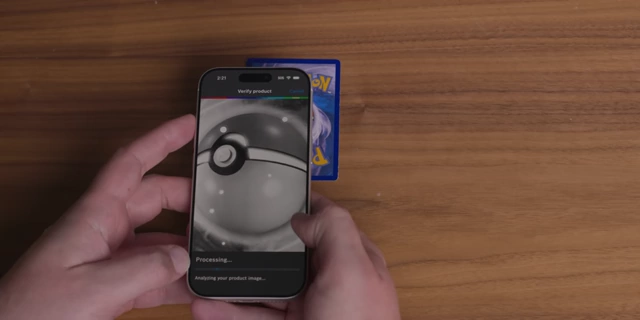
Origify app successfully authenticating a Pokémon card, confirming it was scanned at the factory. [ 00:01:35 ] 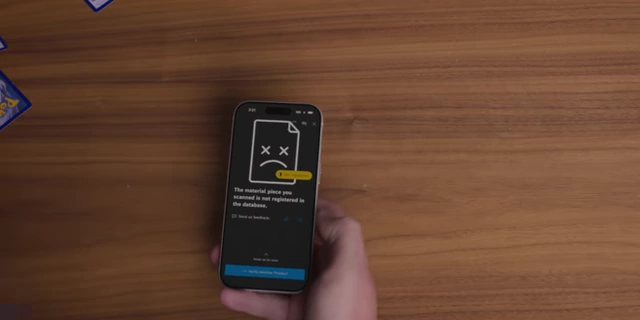
The Origify app displaying an error for a Pokémon card not registered in its database. [ 00:01:45 ] - Tiny SMD Components Demo: The system identified individual, minuscule electronic components (smaller than a pinky finger) by their unique surface textures, essentially acting as an "invisible serial number." [00:01:55]
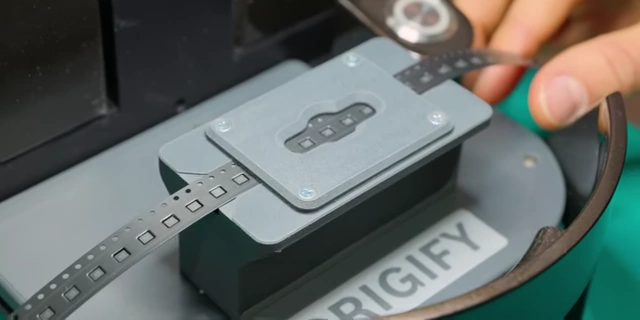
Tiny SMD electronic components being placed into the Origify scanner for authentication. [ 00:01:58 ] 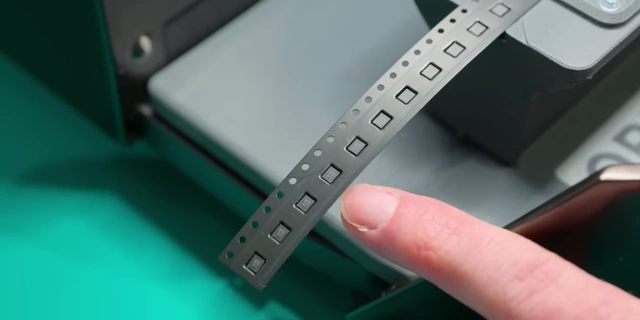
A finger pointing to minuscule SMD components on a tape, highlighting their small size. [ 00:02:02 ] - These components are too small for traditional serial numbers, QR codes, RFID, or NFC. [00:02:05]
- A specialized optical camera was used to photograph and distinguish the differences between them. [00:02:10]
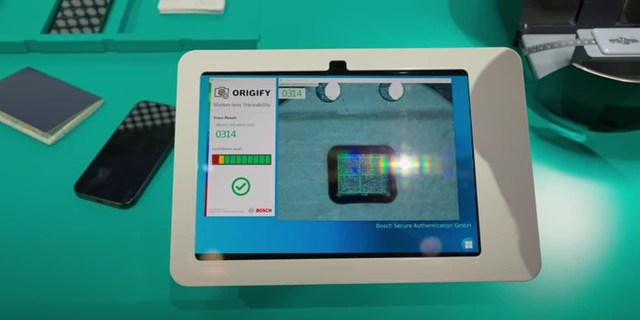
The Origify system successfully identifying a specific SMD component with trace result '0314'. [ 00:02:25 ] 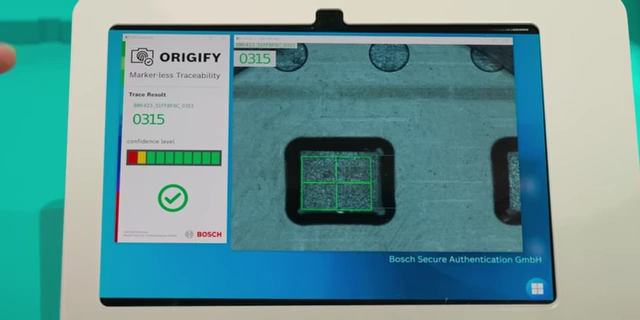
The Origify system identifying a different microscopic SMD component with trace result '0315'. [ 00:02:34 ]
- Pokémon Card Demo: The software successfully differentiated between two visually identical but microscopically unique Pokémon cards. [00:01:39]
- Future Potential [00:02:40]
Bosch Sensors: Miniature Intelligence [00:03:05]
- Bosch produces an extensive range of sensors found in numerous products. [00:03:05]
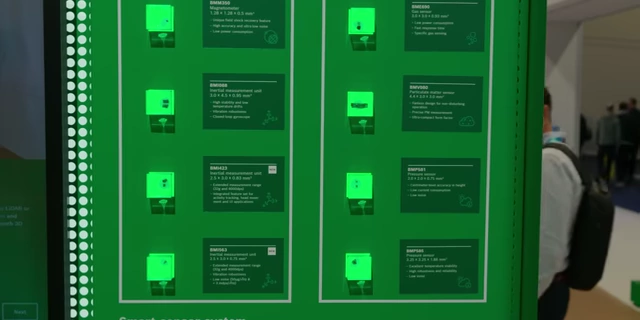
A display board detailing various types of Bosch sensors, including IMUs and environmental sensors. [ 00:03:12 ] - Types of Sensors: Includes Inertial Measurement Units (IMUs) like accelerometers and gyroscopes, and environmental sensors for temperature, humidity, particulate, and gas detection. [00:03:09]
- Size: Their smallest accelerometer is approximately 1mm squared, highlighting its tiny footprint. [00:03:18]
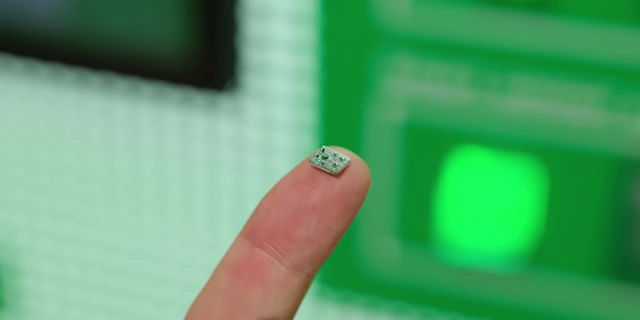
A tiny 1mm squared accelerometer rests on a fingertip, demonstrating its minuscule size. [ 00:03:19 ] - Integration: Bosch provides accompanying software for these sensors, significantly reducing the time to market for manufacturers who integrate them, making them "plug and play." [00:03:24]
- Innovative Sensor Applications [00:03:36]
- Robot Hand Touch Sensitivity: Uses barometric sensors, typically found in dive watches for water depth detection, to sense pressure. [00:03:50]
- Silicone is poured over an array of these sensors, creating tiny, sealed air bubbles between the silicon chip and the coating. [00:04:13]
- When pressure is applied, the silicone deforms, compressing the air bubble, and the barometric sensor detects the pressure change. [00:04:18]
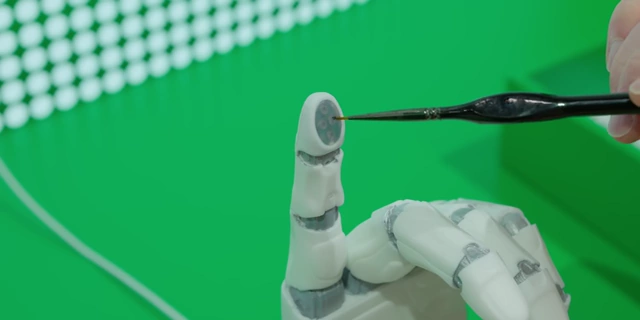
A fine brush gently touching the robot fingertip, activating the pressure sensors. [ 00:04:18 ] - A demo showed that four such sensors on a robot fingertip could detect the lightest touch and localize where on the fingertip the pressure was applied. [00:04:33]

A robot fingertip with an array of pressure sensors displays a heatmap, showing the precise location and intensity of touch. [ 00:04:29 ]
- Smart Glasses for Speech Recognition: Accelerometers embedded in smart glasses are sensitive enough to detect speech through bone conduction. [00:05:16]
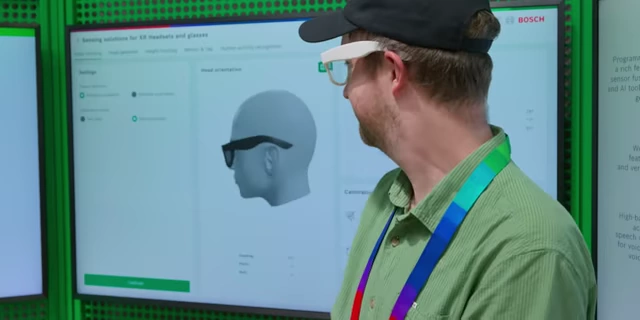
The speaker wearing smart glasses, with a screen displaying real-time head orientation tracking. [ 00:05:06 ] - This system detects vibrations in the bones of the skull rather than air vibrations, differentiating it from a traditional microphone. [00:05:20]
- The smart glasses also detect head position and height changes (with centimeter-level accuracy), useful for Extended Reality (XR) applications to determine if a user has sat down or stood up. [00:05:02]
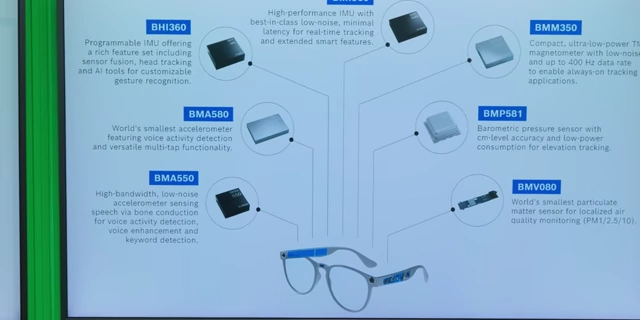
A diagram illustrating how various Bosch sensors, including accelerometers for bone conduction, are integrated into smart glasses for diverse functionalities. [ 00:05:23 ]
- Robot Hand Touch Sensitivity: Uses barometric sensors, typically found in dive watches for water depth detection, to sense pressure. [00:03:50]
BSH Appliances: Smart Home Innovations [00:05:44]
- BSH is Bosch's consumer-facing appliance division. [00:05:44]
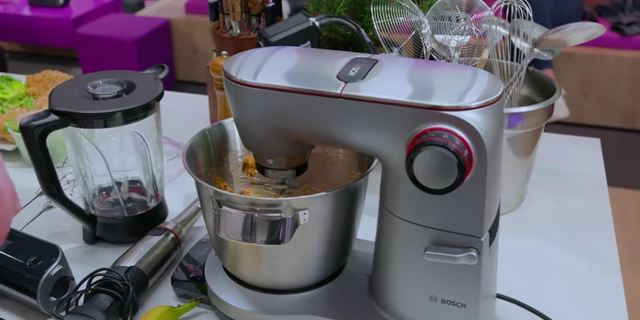
A Bosch kitchen mixer, highlighting the diverse range of BSH appliances. [ 00:05:46 ] - While renowned for their dishwashers in North America, they also produce a wide array of other kitchen appliances like coffee makers, ovens, combination micro/steam ovens, mixers, and bread makers. [00:05:49]
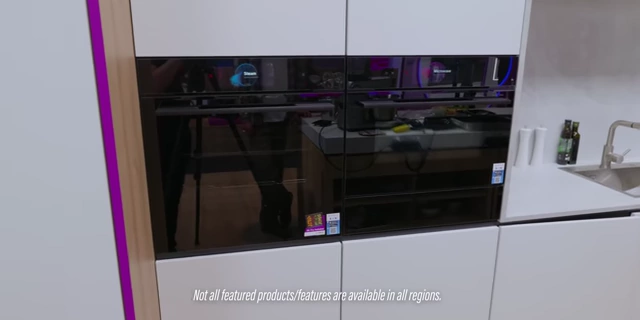
Bosch built-in ovens, showcasing integrated kitchen solutions. [ 00:05:58 ] 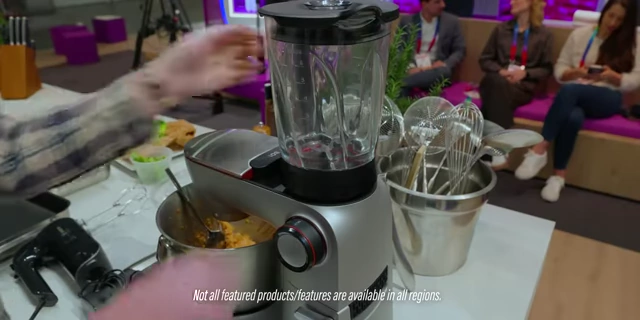
A Bosch kitchen mixer demonstrating its dual function as a blender with interchangeable attachments. [ 00:06:03 ]
- While renowned for their dishwashers in North America, they also produce a wide array of other kitchen appliances like coffee makers, ovens, combination micro/steam ovens, mixers, and bread makers. [00:05:49]
- 800 Series Induction Cooktop [00:06:22]
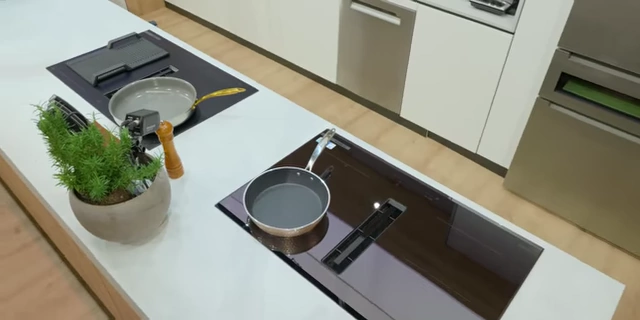
An overhead view of the Bosch 800 series induction cooktop with a matte glass surface. [ 00:06:24 ] - Matte Glass Option: This feature addresses common issues with glossy glass cooktops, offering an improved aesthetic and user experience. [00:06:26]
- Intelligent Cooking Zones: Active zones automatically detect and follow cookware movement across the cooktop, engaging the appropriate heating elements. [00:06:30]
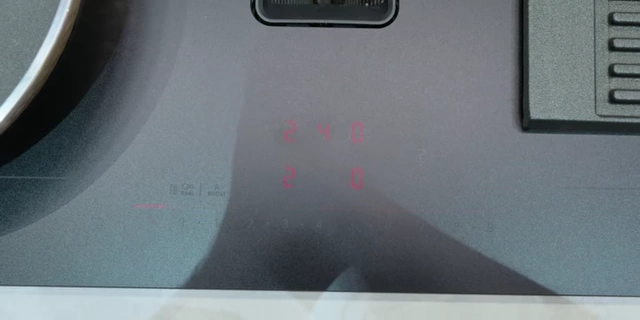
Close-up of the induction cooktop display indicating active cooking zones and temperature settings. [ 00:06:34 ] - Bridging Elements: Users can combine multiple elements to create a larger cooking surface for oversized cookware, ensuring even heat distribution, which is particularly beneficial for items like cast iron. [00:06:40]
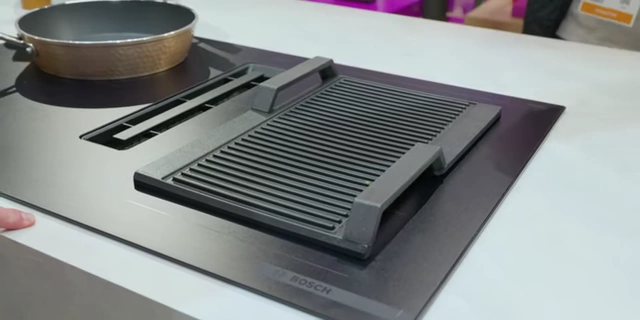
The Bosch induction cooktop featuring a grill accessory, demonstrating the bridging elements. [ 00:06:29 ] - AutoChef Temperature Management: This system monitors pan temperature and adjusts power to maintain consistent heat, allowing for predictable and repeatable cooking results without constant supervision, and preventing overcooking. [00:06:54]
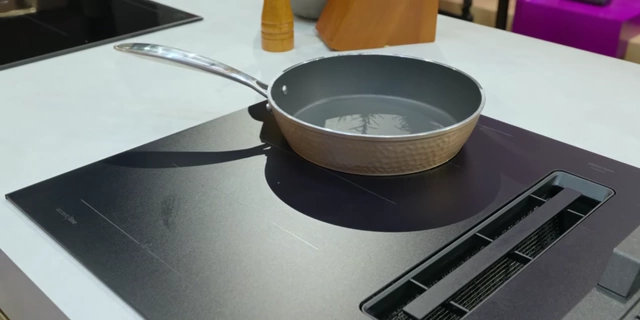
The Bosch 800 series induction cooktop demonstrates AutoChef by precisely maintaining water at a consistent temperature around melting ice cubes. [ 00:07:08 ]
- Cordless Vacuum [00:07:21]
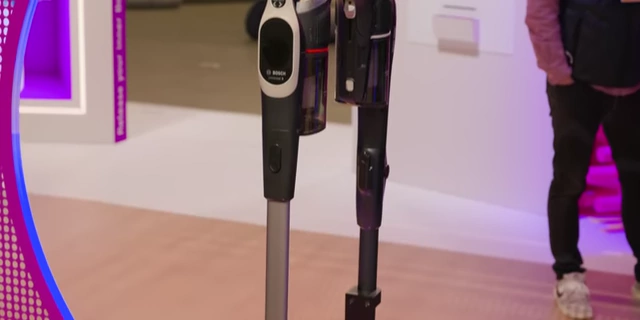
Two Bosch cordless vacuums, one of which is the new model for North America. [ 00:07:22 ] - Particle Detection LEDs: The vacuum features advanced sensors that detect microscopic particles invisible to the naked eye, with a cool LED ring that turns blue to confirm when a surface is completely clean. [00:07:30]
- Design Features: It includes a 90-degree flex tube that can go almost completely flat and flex both ways to easily reach under furniture. [00:07:35]
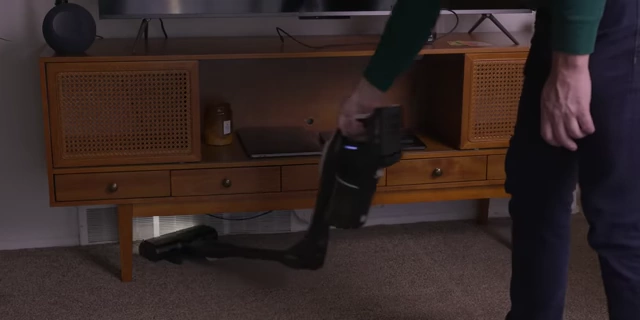
The cordless vacuum utilizing its 90-degree flex tube to clean under furniture. [ 00:07:43 ] - Automatic Carpet Detection: This feature disengages the brush roller when the vacuum transitions to hard floors, preventing scratches and improving dirt suction efficiency in both forward and backward movements. [00:07:44]
- Dustbin Compression: A unique compression slider not only compacts debris within the dustbin but also makes it easily ejectable when it's time to empty, preventing dust re-release. [00:07:58]
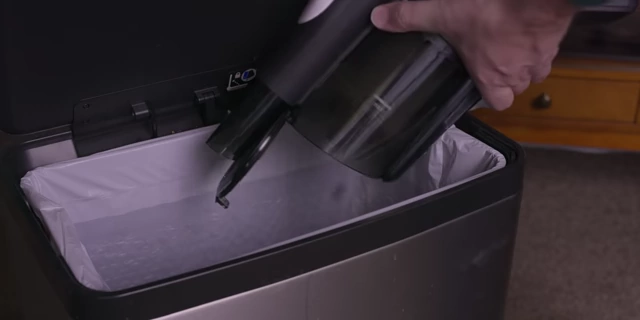
The cordless vacuum's dustbin with a compression slider that efficiently compacts debris for a mess-free ejection into a trash bin. [ 00:08:02 ]
Bosch eBike Systems: Connected Cycling [00:08:17]
- Bosch has been a dominant force in the e-bike market for years, with over a hundred brands utilizing their integrated systems. [00:08:17]
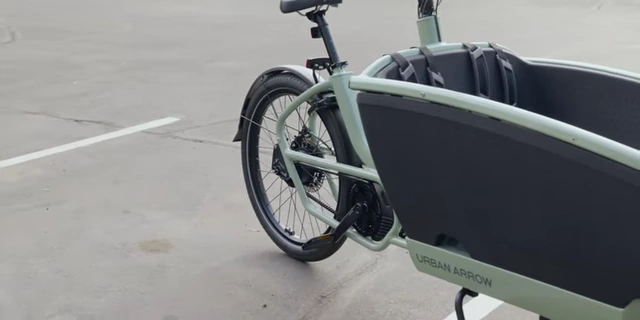
A Bosch-powered cargo e-bike, demonstrating versatile applications. [ 00:08:33 ] 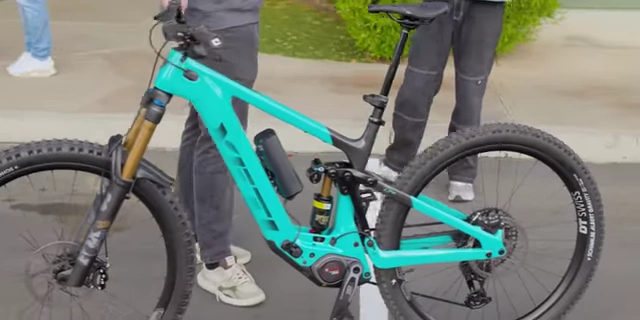
A full-suspension Bosch e-mountain bike with integrated Bosch components. [ 00:08:36 ] 
The Bosch eBike Flow app on a smartphone interacting with the e-bike's display. [ 00:08:39 ] - eBike Flow App Features [00:08:47]
- "Mark as Stolen" Function: This new feature allows users to flag a stolen bike within the eBike Flow app, blacklisting it across the entire Bosch ecosystem. [00:08:47]
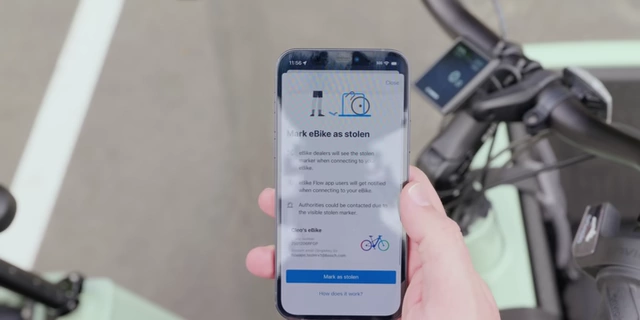
The Bosch eBike Flow app's 'Mark as Stolen' feature, outlining its functionality. [ 00:08:52 ] - This means that any dealer using a Bosch diagnostic tool or any buyer attempting to pair the bike via the app will receive a warning that the bike and its components are stolen. [00:08:52]
- The feature can also help generate a police report with the bike's specific construction details to aid in investigation. [00:09:05]
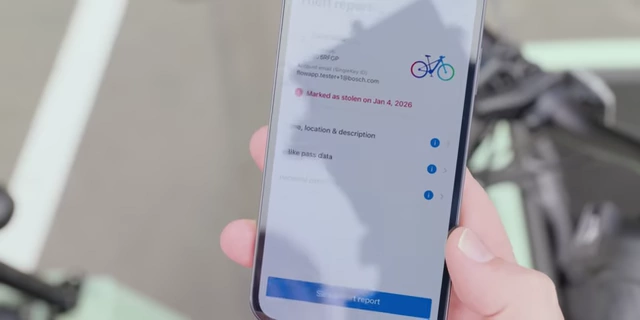
The Bosch eBike Flow app displaying a prominent warning indicating that the bike has been marked as stolen within the system. [ 00:09:02 ]
- Theft Deterrence: The e-bike systems include built-in tamper sensors, alarms, and phone-as-a-key functionality to deter most thieves. [00:09:09]
- Navigation and Health Integration: The app offers turn-by-turn navigation and automatic syncing with popular fitness platforms like Strava and Apple Health. [00:09:18]
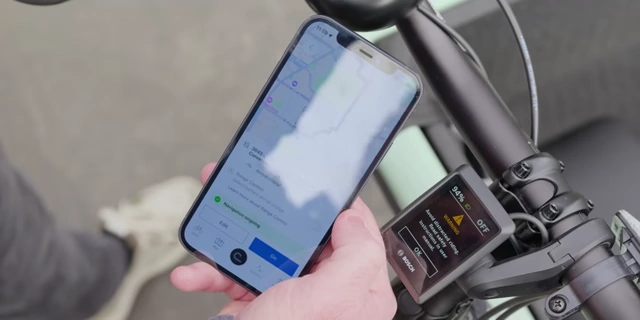
The Bosch eBike Flow app providing turn-by-turn navigation on a smartphone, mounted on an e-bike. [ 00:09:22 ] 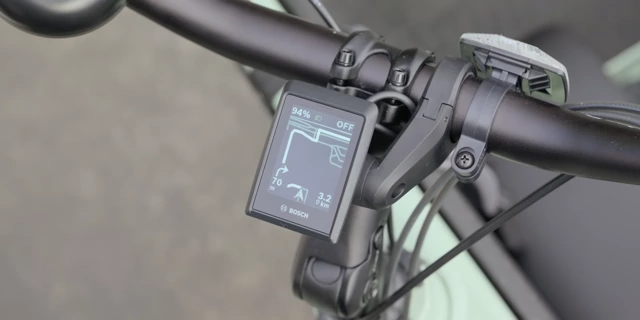
The e-bike's integrated display showing navigation instructions and ride data. [ 00:09:24 ] 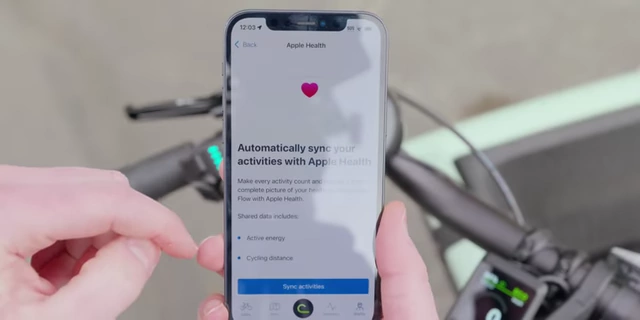
The Bosch eBike Flow app screen showing the option to automatically sync activities with Apple Health. [ 00:09:27 ] - Over-the-Air (OTA) Updates: Ensures that the e-bike's system can continuously iterate and improve over time. [00:09:26]
- "Mark as Stolen" Function: This new feature allows users to flag a stolen bike within the eBike Flow app, blacklisting it across the entire Bosch ecosystem. [00:08:47]
Smart Cockpit: Automotive AI Integration [00:09:35]
- Bosch has a long-standing history in the automotive industry, dating back to the 1800s, with components like sensors, harnesses, and ECUs present in nearly every vehicle today. [00:09:35]
- NVIDIA-Powered Smart Cockpit [00:09:50]

The AI-powered cockpit display. [ 00:00:25 ] - Early Vision of Future: The demo showcased an early vision of a future in-car experience, powered by newly finalized NVIDIA silicon. [00:09:50]
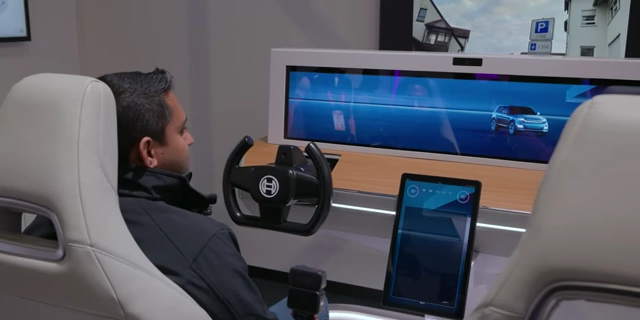
A person interacting with the Bosch Smart Cockpit simulator, featuring an AI-powered display. [ 00:10:02 ] - Integration: The technology is designed to integrate with existing vehicle platforms, allowing automakers to adopt it in new model years without extensive vehicle architecture redesigns. [00:10:08]

The Bosch Smart Cockpit setup, showcasing the multi-screen display and control interface. [ 00:10:15 ] - AI Functionality: The Smart Cockpit transforms the car into a "mobile office" through a collaboration with Microsoft, integrating features like Teams. [00:10:27]
- Users can interact with their calendar through natural language, creating and modifying meetings, receiving suggestions for alternate locations, and automatically notifying attendees. [00:10:32]

A user interacting with the Bosch Smart Cockpit's calendar via natural language commands. [ 00:10:39 ] - It also enables taking Teams calls and editing documents by voice, leveraging AI capabilities. [00:10:43]
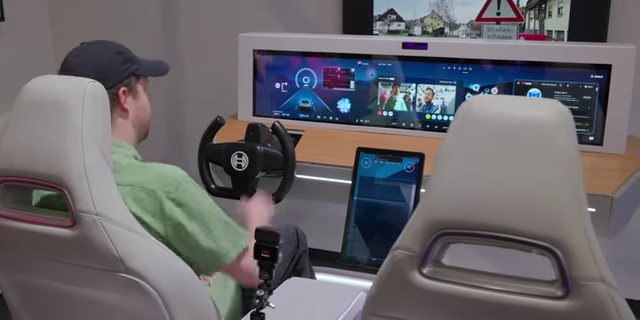
The Bosch Smart Cockpit displaying a Microsoft Teams call interface, demonstrating in-car communication. [ 00:10:45 ]
- Users can interact with their calendar through natural language, creating and modifying meetings, receiving suggestions for alternate locations, and automatically notifying attendees. [00:10:32]
- Enhanced Vehicle Interaction: The system pulls data from other vehicle sensors, feeding it into the AI computer to offer advanced functionalities: [00:11:10]
- Translation of foreign street signs in real-time. [00:11:13]
- Interpretation of complicated parking restrictions. [00:11:17]
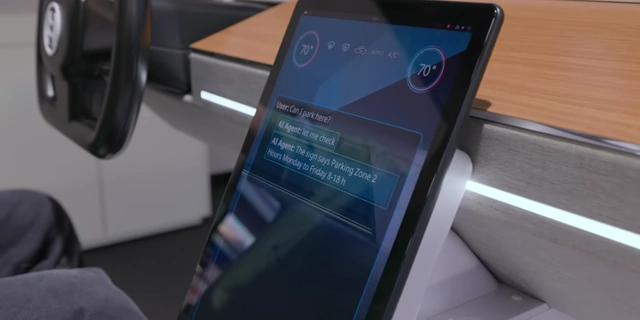
The Bosch Smart Cockpit's AI agent interpreting complex parking restrictions. [ 00:11:16 ] - A comprehensive understanding of the environment ahead.

The Bosch Smart Cockpit's AI agent displaying interaction for navigation and requests. [ 00:10:51 ] 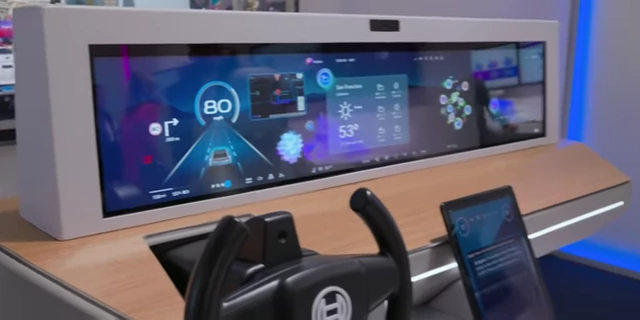
The Bosch Smart Cockpit displaying real-time navigation, weather, and vehicle information. [ 00:11:43 ]
- Early Vision of Future: The demo showcased an early vision of a future in-car experience, powered by newly finalized NVIDIA silicon. [00:09:50]
- Future Outlook: Despite some rough edges in the early demo, the potential for an adaptable, AI-powered in-car experience is significant. This approach allows for continuous iteration and improvement through a combination of on-edge processing within the car and cloud offloading for more complex tasks. [00:10:47]