Understanding Overtourism in Japan: Is it Really an Issue?
This video discusses the perceived overtourism in Japan, arguing that while some areas are indeed overcrowded, Japan as a whole is not experiencing overtourism. The main issue is the concentration of tourists in a few major cities, exacerbated by challenging transportation systems to lesser-known areas. The government and private companies are implementing initiatives to disperse visitors and modernize travel infrastructure.
- Definition of Overtourism [0:00:00]: Overtourism occurs when too many tourists visit an area, leading to negative impacts like overcrowding, strained infrastructure, increased prices, and local annoyance.

Negative impacts of overtourism including overcrowding, infrastructure strain, and price increases. [ 00:00:15 ] - Japan's Tourism Dilemma [0:03:41]: Japan relies on tourism for economic growth, with international visitors spending 5.3 trillion yen in 2023. Despite reports of overtourism, the government aims for 60 million tourists by 2030.
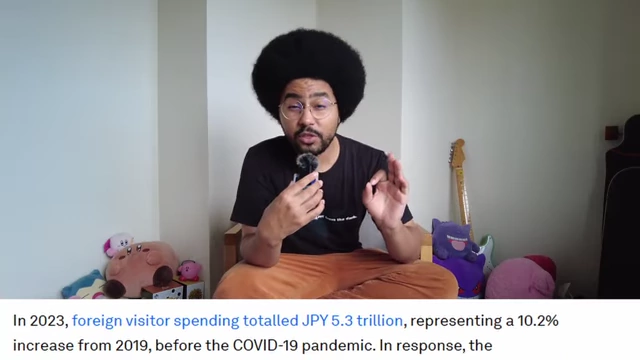
Foreign visitor spending in Japan totaled JPY 5.3 trillion in 2023. [ 00:04:06 ] 
Japanese government target to welcome 60 million inbound tourists by 2030. [ 00:04:41 ] - Concentrated Tourism [0:07:42]: The core issue isn't overall numbers, but rather the concentration of 70% of international tourists in just five prefectures: Tokyo, Osaka, Kyoto, Hokkaido, and Fukuoka, often in the same popular spots within those areas.

Comparison showing 42 million visitors to the UK is more than Japan's 36 million. [ 00:05:56 ] 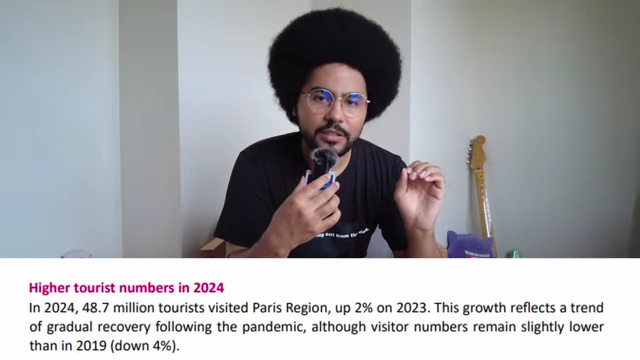
Tourist numbers for Paris Region alone (48.7 million) compared to all of Japan (36.87 million) in 2024. [ 00:07:04 ] 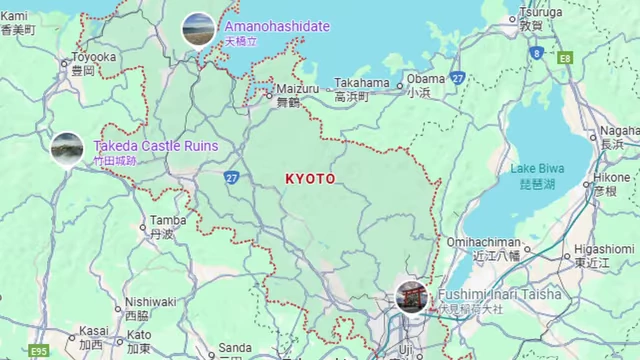
Map of Kyoto highlighting popular tourist spots such as Amanohashidate, Takeda Castle Ruins, and Fushimi Inari Taisha. [ 00:07:52 ] - Transportation Challenges [0:09:50]: Traveling outside major cities can be difficult due to outdated ticketing systems and poor website functionality, deterring tourists from exploring lesser-known regions.
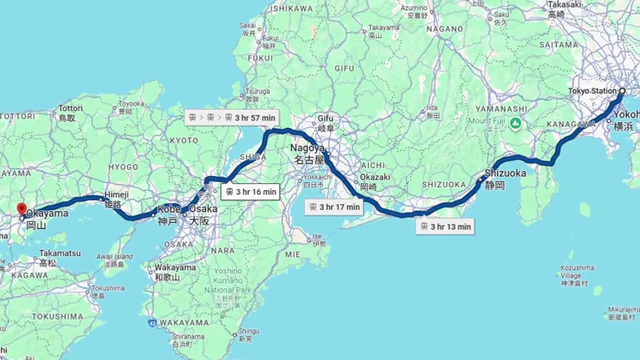
Train route map from Tokyo Station to Okayama, highlighting travel times. [ 00:10:23 ] 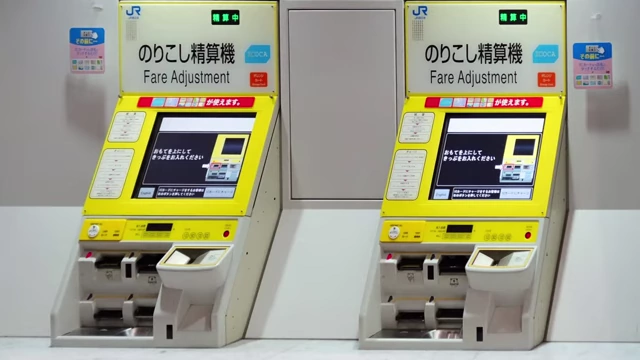
Japanese train ticket machines that can be challenging for tourists to use. [ 00:11:58 ] - Government and Company Initiatives [0:19:41]: The Japanese government and companies like Japan Airlines are investing in measures to disperse tourists to smaller areas, including influencer marketing and improving transportation systems.
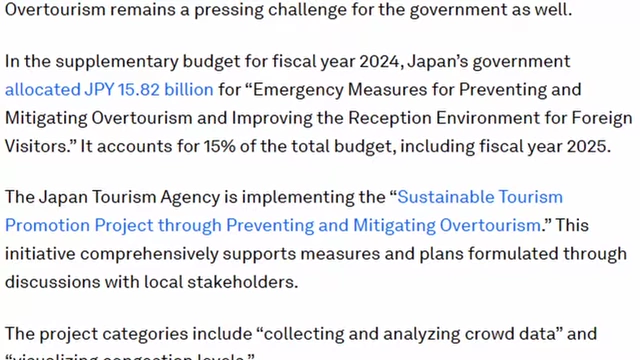
Government allocated JPY 15.82 billion for emergency measures to prevent and mitigate overtourism and improve the environment for foreign visitors. [ 00:20:09 ] - Moving Forward [0:23:29]: Recent improvements in digital ticketing and credit card compatibility at train gates show a positive shift towards making travel easier and encouraging exploration beyond the main hubs.

Article describing how to turn a smartphone into a Mobile Suica/PASMO IC Card. [ 00:22:35 ]
The Problem with Overtourism in Japan [0:00:00]
Overtourism is defined as when too many tourists visit a single area, overwhelming its ability to manage them effectively. This leads to various negative consequences.
- Negative Impacts of Overtourism [0:00:06]
- Overcrowding in popular areas.
- Strain on public infrastructure, such as trains and public facilities.
- Increased prices for accommodation and services, affecting both international and domestic tourists.
- Experiencing attractions like Tokyo Skytree can involve long wait times.

Tokyo Skytree at night. [ 00:00:41 ] - An example of same-day ticket pricing for Tokyo Skytree.

Same-day ticket pricing for Tokyo Skytree. [ 00:00:46 ] - Hotel prices have risen significantly, with an average rate for business hotels increasing by 45% since 2019, and city hotels by 35% [0:01:06].

Text highlighting the average rate increase per room at business and city hotels since 2019. [ 00:01:10 ]
- Experiencing attractions like Tokyo Skytree can involve long wait times.
- General unease and annoyance for local residents.
- Daily life becomes difficult due to tourist influx, especially in areas that gain sudden online popularity [0:01:57].
- The Nakano Broadway shopping street, an example of a popular area in West Tokyo that became congested.
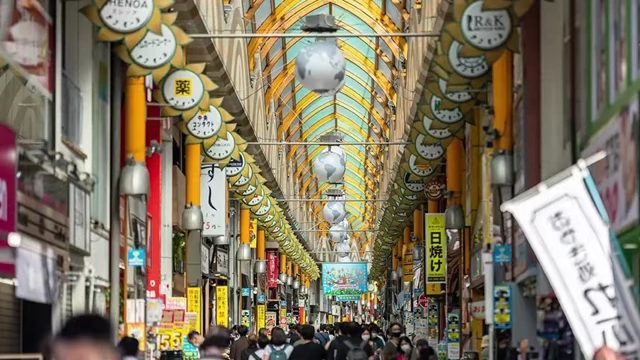
A busy shopping street in Nakano. [ 00:02:13 ] - The exterior of Nakano Station, an area that became popular with tourists.
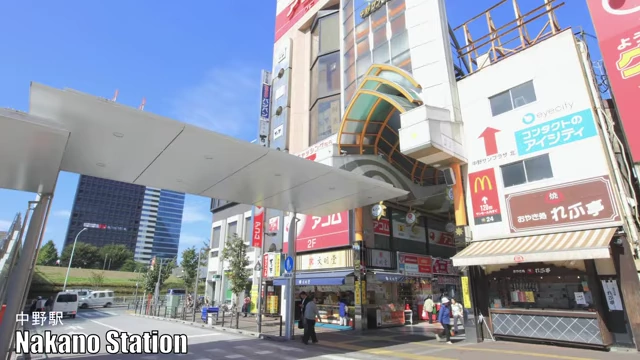
Nakano Station exterior. [ 00:02:15 ] - Kichijoji, another popular area along the Chuo Line.
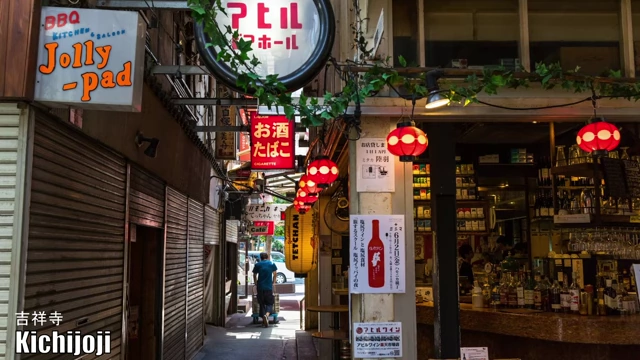
A narrow, bustling street in Kichijoji. [ 00:02:17 ] - Public sentiment in Japan indicates that overtourism is a problem and calls for a tiered system for international vs. domestic travelers/residents [0:02:48].
- Instagram messages from locals expressing frustration about tourists.

Instagram message showing negative local sentiment towards tourists. [ 00:03:49 ] - Instagram comment expressing desire for "Nomore tourists!!".

Instagram comment reading "Nomore tourists!!". [ 00:03:49 ]
- Negative impact on the quality of experience for tourists themselves, as popular attractions become congested [0:00:25].
- Bad Tourist Behavior [0:02:26]
- A significant issue cited is the behavior of some tourists, including disrespecting cultural norms.
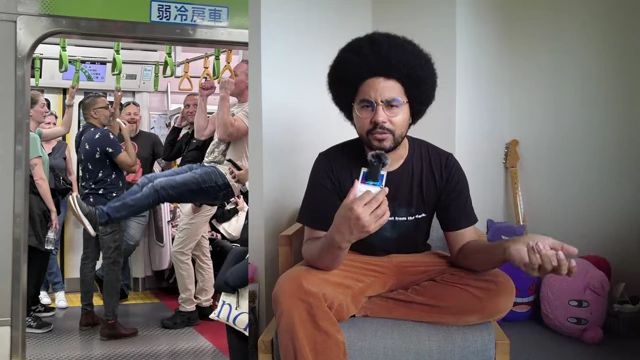
Split screen image showing a tourist hanging from a train strap and another tourist drinking alcohol while posing on a grave. [ 00:02:30 ] - A tourist drinking an alcoholic beverage while posing next to a grave.

A tourist drinking an alcoholic beverage while posing next to a grave. [ 00:02:43 ]
- A significant issue cited is the behavior of some tourists, including disrespecting cultural norms.
Japan's Economic Reliance on Tourism and Government Goals [0:03:41]
Despite the challenges, Japan critically needs tourism for its economy, which is not growing rapidly, and the yen has been stagnant.
- Economic Contribution [0:03:54]
- In 2023, international visitors spent 5.3 trillion yen in Japan, a 10.2% increase from 2019.
Text highlighting foreign visitor spending in Japan totaling JPY 5.3 trillion in 2023. [ 00:04:06 ]
- In 2023, international visitors spent 5.3 trillion yen in Japan, a 10.2% increase from 2019.
- Government's Tourism Targets [0:04:34]
- The Japanese government aims to welcome 60 million inbound tourists by 2030, a substantial increase from current numbers.
Text indicating the Japanese government's target to welcome 60 million inbound tourists by 2030. [ 00:04:41 ]
- The Japanese government aims to welcome 60 million inbound tourists by 2030, a substantial increase from current numbers.
The Real Problem: Concentrated Tourism, Not Overtourism [0:05:02]
The speaker argues that Japan does not have an overall overtourism problem compared to other major tourist destinations like the UK or France, but rather a problem of highly concentrated tourism.
- Comparative Analysis of Tourist Numbers [0:05:13]
- In 2024, Japan received 36.87 million international tourists, a record high.
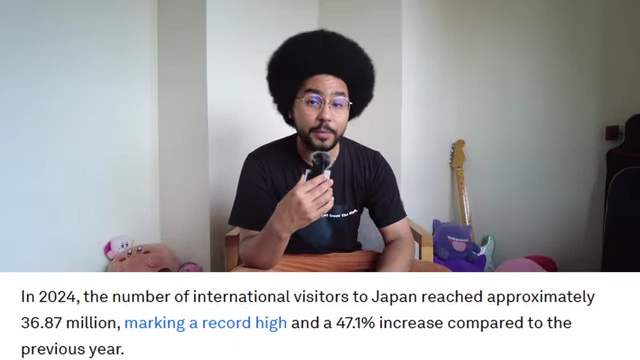
Text showing the number of international visitors to Japan in 2024 reached approximately 36.87 million. [ 00:05:22 ] - In comparison, the UK received 42 million international visitors in 2024, with 20 million visiting London alone [0:05:42].
A graphic comparing 42 (UK visitors) as greater than 36 (Japan visitors). [ 00:05:56 ] 
Text stating that over 20 million people visit London each year. [ 00:06:05 ] - Paris alone received 48.7 million visitors in 2024, more than the entirety of Japan [0:07:03].
Text indicating 48.7 million tourists visited the Paris Region in 2024. [ 00:07:04 ]
- In 2024, Japan received 36.87 million international tourists, a record high.
- Geographic Imbalance [0:07:42]
- 70% of international tourism is concentrated in just five prefectures: Tokyo, Osaka, Kyoto, Hokkaido, and Fukuoka.
- Within these prefectures, tourists flock to the same few popular spots.
- A map of Kyoto Prefecture showing various popular tourist attractions.
Map of Kyoto highlighting popular tourist spots such as Amanohashidate, Takeda Castle Ruins, and Fushimi Inari Taisha. [ 00:07:52 ] - The Golden Pavilion (Kinkakuji) in Kyoto, a major tourist attraction.
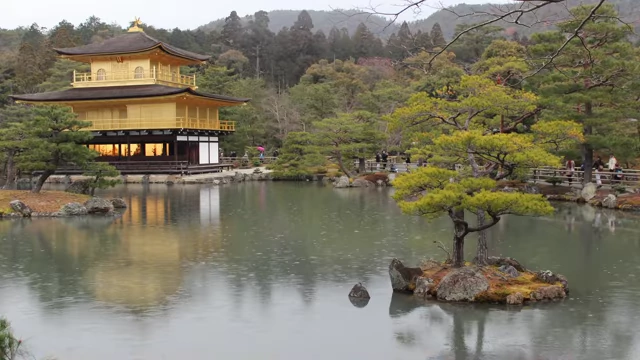
The Golden Pavilion (Kinkakuji) reflected in a pond. [ 00:08:40 ] - A traditional Japanese temple, representative of popular cultural sites.
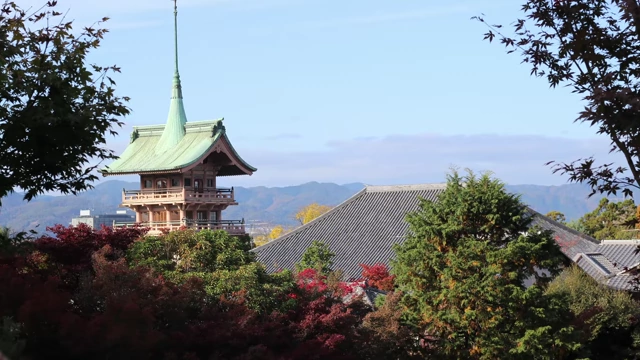
A multi-tiered pagoda and temple grounds. [ 00:09:20 ] - The Tokyo Tower, a prominent landmark in Tokyo.

Tokyo Tower illuminated at dusk. [ 00:09:21 ]
- This leaves the vast majority of Japan's prefectures with very few international visitors [0:08:06].
- A map showing Tottori and Shimane Prefectures, which are less visited areas.
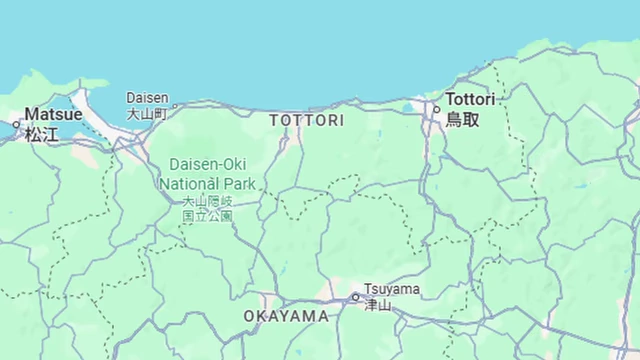
Map of Okayama, Tottori, and Shimane Prefectures. [ 00:18:13 ]
- 70% of international tourism is concentrated in just five prefectures: Tokyo, Osaka, Kyoto, Hokkaido, and Fukuoka.
Challenges in Dispersing Tourists: Transportation Issues [0:09:50]
One of the primary reasons for concentrated tourism is the difficulty of traveling outside the major hubs.
- Affordable but Complicated Transportation [0:10:01]
- While major cities are easily accessible by efficient and affordable Shinkansen, travel to adjacent, lesser-known prefectures can be challenging [0:10:20].
- A map illustrating the Shinkansen route from Tokyo Station to Okayama.
Train route map from Tokyo Station to Okayama, highlighting travel times. [ 00:10:23 ] - A map highlighting Shimane Prefecture, which is right next door to Okayama but difficult to access by train.
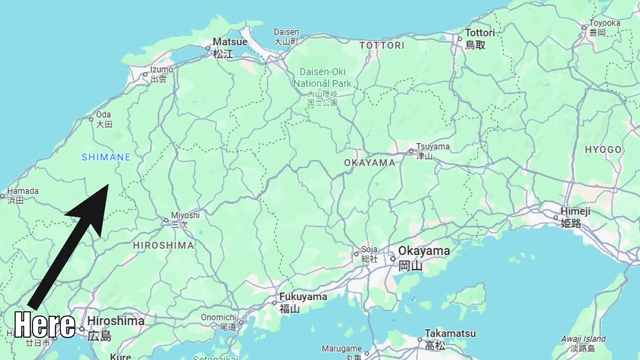
Map highlighting Shimane Prefecture next to Okayama Prefecture. [ 00:10:44 ] - The Yakumo Limited Express train, which travels through mountainous regions.
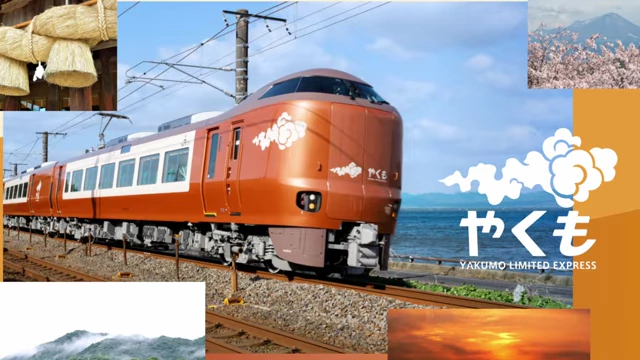
The Yakumo Limited Express train. [ 00:11:30 ] - Example: Traveling from Okayama to Shimane Prefecture involves complex ticket purchasing and unreliability in physical ticket collection [0:11:17].
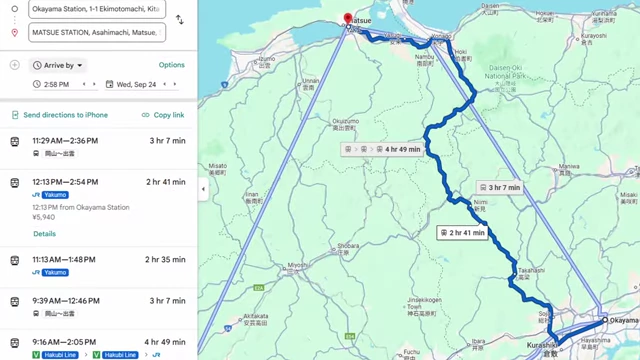
A Google Maps route displaying train travel options and times from Okayama Station to Matsue Station in Shimane. [ 00:11:51 ]
- Outdated Systems [0:13:54]
- Japanese transportation booking websites and physical ticket machines are often outdated and unreliable, even if the website technically supports English [0:13:54].
- Japanese ticket machines that can be confusing and unreliable for international tourists.
Two Japanese fare adjustment ticket machines. [ 00:11:58 ] - A station staff member assisting a person at a ticket machine, highlighting the need for assistance due to system complexity.
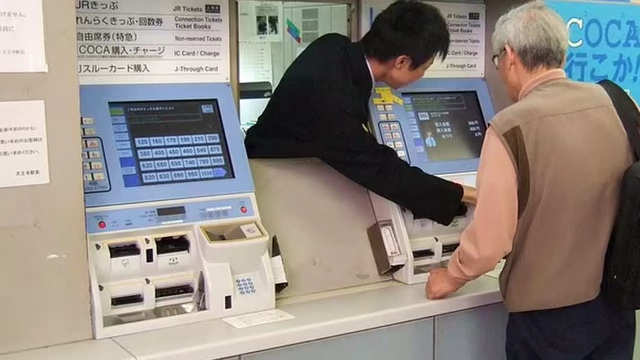
Station staff assisting a passenger at a ticket machine. [ 00:12:27 ] - An old photo of a Japanese street from the 1980s, symbolizing outdated hardware.
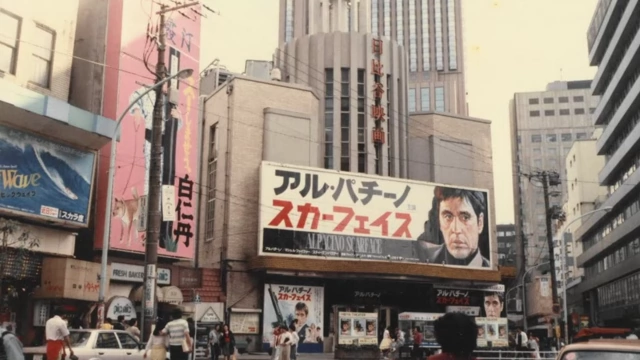
An old photo of a Japanese street with traditional buildings and billboards, suggesting outdated infrastructure. [ 00:13:58 ] - The Sunrise Express, a sleeper train where booking systems are reportedly problematic.

The Sunrise Express sleeper train. [ 00:14:17 ] - A map showing Gunma Prefecture, an example of an adjacent prefecture that tourists might find difficult to reach due to transportation issues.
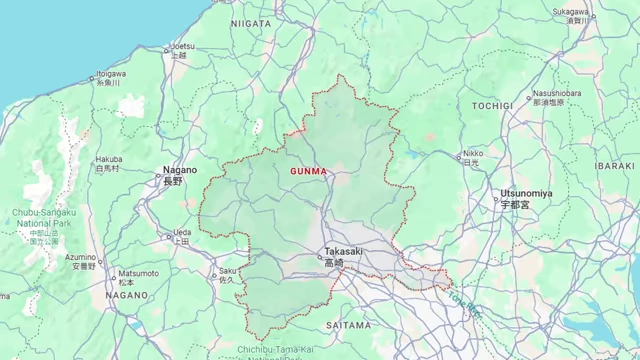
Map highlighting Gunma Prefecture. [ 00:15:10 ]
Initiatives to Mitigate Concentrated Tourism [0:15:40]
Both private companies and the Japanese government are taking steps to spread tourists across Japan.
- Private Sector Efforts [0:15:46]
- Japan Airlines previously offered free flight tickets to less-visited regions to encourage dispersion [0:15:58].
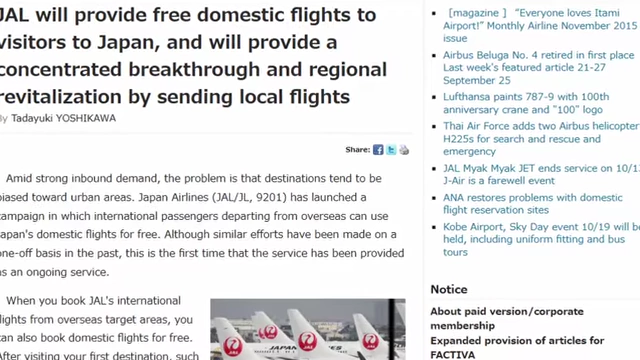
A news article stating JAL will provide free domestic flights to visitors to Japan. [ 00:16:38 ] - Japan Airlines partnered with Hoshino Resorts in October 2024 for a "hidden gems" campaign, promoting smaller locations with Hoshino hotels through various marketing channels [0:16:41].
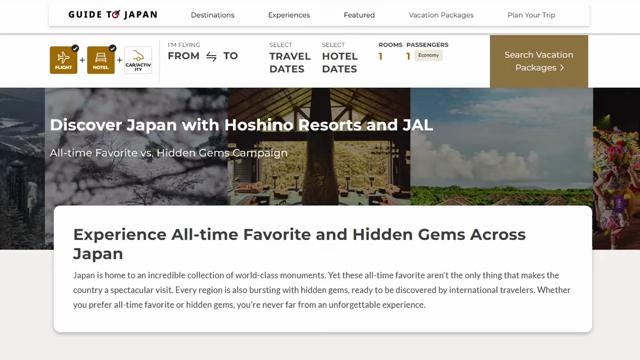
JAL and Hoshino Resorts campaign website promoting "Discover Japan with Hoshino Resorts". [ 00:16:45 ]
- Japan Airlines previously offered free flight tickets to less-visited regions to encourage dispersion [0:15:58].
- Government Initiatives [0:19:41]
- In the fiscal year 2024 supplementary budget, the Japanese government allocated JPY 15.82 billion for emergency measures to prevent and mitigate overtourism and improve the environment for foreign visitors [0:20:00].
Text detailing the Japanese government's allocation of JPY 15.82 billion for overtourism prevention and mitigation. [ 00:20:09 ] - The Japan Tourism Agency is implementing a "Sustainable Tourism Promotion Project" [0:21:00].
- This project involves discussions with local governments and stakeholders to find the best ways to redistribute tourists [0:21:16].
- Increased investment in influencer marketing to promote lesser-known areas to younger generations who get travel recommendations from social media [0:21:28].
- Japanese travel guidebooks, contrasting with modern influencer marketing strategies.
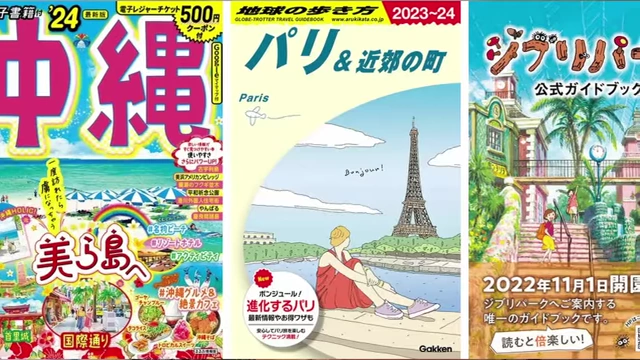
Various Japanese travel guidebooks. [ 00:21:44 ]
- In the fiscal year 2024 supplementary budget, the Japanese government allocated JPY 15.82 billion for emergency measures to prevent and mitigate overtourism and improve the environment for foreign visitors [0:20:00].
- Improvements in Transportation Systems [0:22:29]
- Gradual modernization of transportation:
- IC travel cards can now be downloaded to smartphones [0:22:31].
An article explaining how to turn an iPhone or Android into a Mobile Suica/PASMO IC Card. [ 00:22:35 ] - Credit cards can be used for tap-in/tap-out at certain train gates, simplifying travel for international visitors [0:22:53].
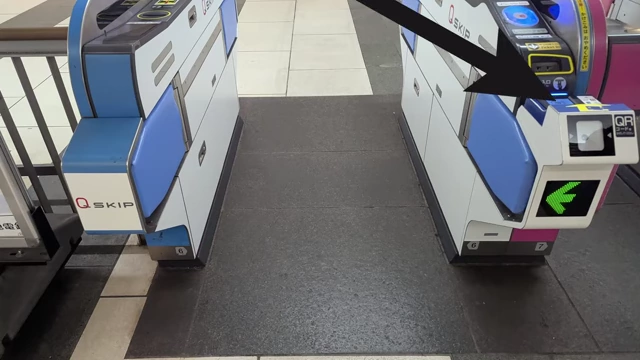
A train station gate with a credit card tap reader highlighted. [ 00:22:58 ]
- IC travel cards can now be downloaded to smartphones [0:22:31].
- These improvements make it easier for people to travel beyond major locations, which is crucial for alleviating concentrated tourism [0:23:13].
- Gradual modernization of transportation:
- Local Prefectural Funding [0:23:34]
- In 2025, Kumamoto Prefecture received 80 million yen in grants to promote the region to both domestic and international tourists, aiming to encourage visitors from Fukuoka to explore Kumamoto [0:23:34].
- A map showing the train route from Hakata Station in Fukuoka to Kumamoto, highlighting the short travel time.
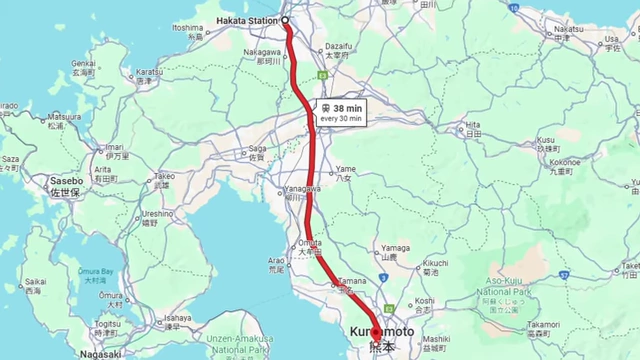
Map showing train route from Hakata Station (Fukuoka) to Kumamoto, with a travel time of 38 minutes. [ 00:23:45 ] - Horse meat sashimi, a local delicacy in Kumamoto.

Plate of horse meat sashimi (Basashi). [ 00:23:51 ] - One Piece statues in Kumamoto, an example of a unique local attraction.

Statues of One Piece characters Roronoa Zoro, Monkey D. Luffy, and Nami in Kumamoto. [ 00:23:53 ]
Conclusion [0:23:55]
Japan is experiencing significant overtourism in its major cities and popular attractions, causing inconvenience for both residents and tourists. However, much of the country remains underserved by tourism. Addressing this imbalance requires continued governmental investment in accessible transportation links and effective marketing to promote Japan's diverse, less-explored regions.