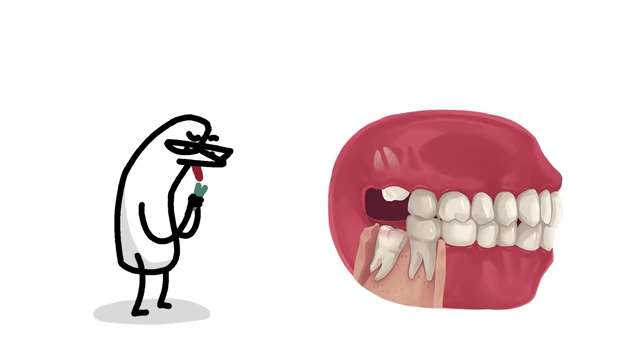
The Downsides of Human Evolution: Five Arguments for De-Evolution
This video argues that human evolution has led to several detrimental traits, suggesting that "de-evolving" might be beneficial.
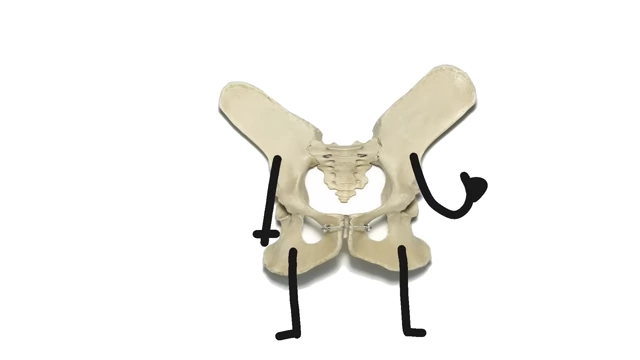
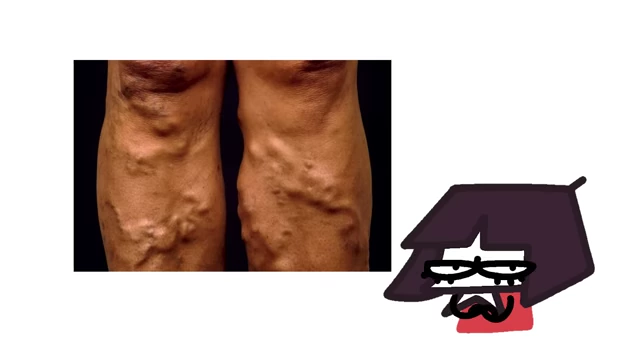
- Bipedalism: Standing upright has caused chronic back pain, spinal fragility, a pelvis ill-suited for reproduction, and increased strain on the heart, leading to conditions like venous disease.
- Loss of Fur: While enabling better cooling via sweat glands, shedding body hair results in a constant energy deficit (more heat loss at night) and significantly slower wound healing due to thicker skin.
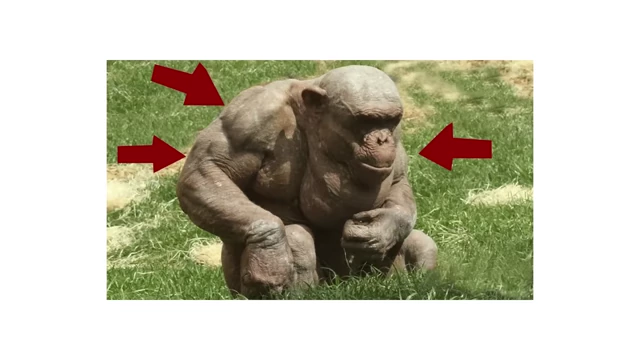
- Weakened Muscles: The development of our large, energy-intensive brains came at the cost of muscle strength; even the weakest ape is stronger than the strongest human, a genetic trade-off for cognitive power.
- Vulnerable Immune System (Theory): One theory suggests a trade-off where natural killer cells optimized for fetal blood flow compromise disease-fighting capabilities.
- Inefficient Feet: Our feet, containing a quarter of our bones, are adapted for pushing off the ground for bipedalism, not for grasping like primate feet, making them less versatile in modern life.

Introduction: Rethinking Human Evolution [00:00:20]
The video contends that while human evolution once served a purpose, many of our current traits are now more detrimental than beneficial. Instead of further "advancement" through genetic enhancement, the speaker proposes "de-evolving" to regain some lost advantages.
1. The Problems with Standing Upright (Bipedalism) [00:00:52]
The transition to bipedalism, which occurred over millions of years, brought about significant anatomical disadvantages in modern humans.
- Rapid Anatomical Change:
- The shift from quadrupedal to bipedal locomotion was too quick for the musculoskeletal system to fully adapt to the increased pressure and strain. [00:01:43]
- Spinal Vulnerability:
- Unlike horizontal spines, our vertical spines are "towers of cups and plates" balanced by the pelvis. [00:01:52]
- This structure makes discs prone to slipping and the spine susceptible to fractures.
- Chronic back pain affects a quarter of the population regularly, largely attributed to the stresses of bipedalism. [00:02:35]
- Unlike horizontal spines, our vertical spines are "towers of cups and plates" balanced by the pelvis. [00:01:52]
- Pelvic Complications:
- Cardiovascular Strain:
- The human heart struggles with the demands of vertical blood flow, especially with increasing life expectancy. [00:02:56]

2. The Disadvantage of Losing Body Hair [00:03:07]
Humans lost most of their body hair, according to the savannah hypothesis, for thermoregulation during endurance hunting in hot climates.
- Thermoregulation Trade-off:
- The human body developed a high density of eccrine sweat glands (10 times more than chimpanzees), allowing for efficient cooling through sweating. [00:03:40]
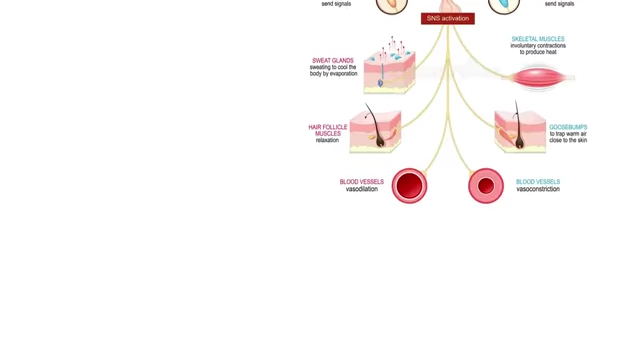
Diagram of human thermoregulation mechanisms [ 00:03:13 ] 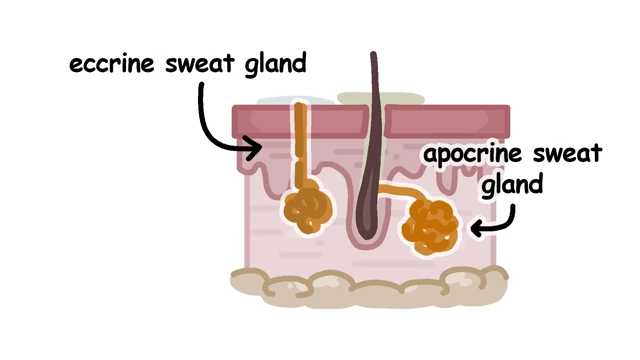
Diagram distinguishing eccrine and apocrine sweat glands in the skin [ 00:03:38 ] - However, this adaptation has a significant drawback: humans lose more heat at night than desired, resulting in a constant energy deficit. [00:04:01]
- This makes humans more reliant on external warmth (e.g., clothes) in colder climates.
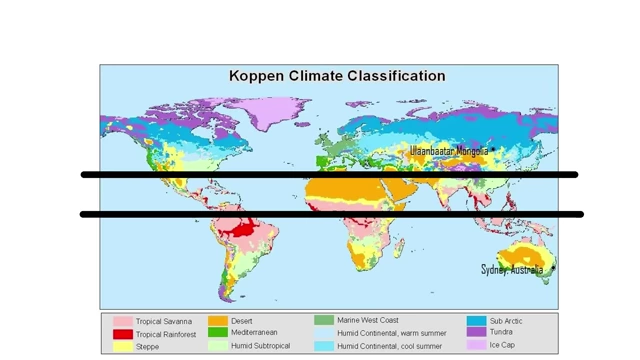
Köppen Climate Classification map showing different climate zones [ 00:04:33 ]
- This makes humans more reliant on external warmth (e.g., clothes) in colder climates.
- To counteract heat loss, humans developed more brown fat, which helps generate heat. [00:04:35]
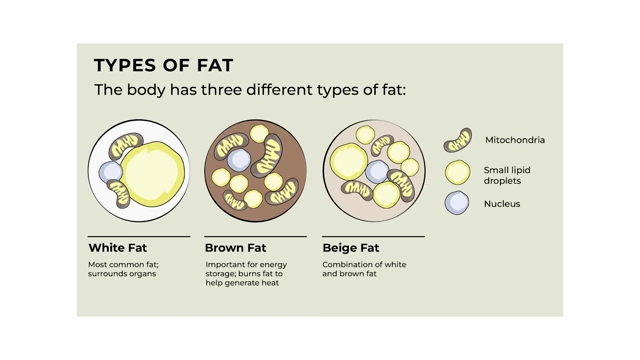
Diagram illustrating different types of fat in the human body [ 00:04:37 ]
- The human body developed a high density of eccrine sweat glands (10 times more than chimpanzees), allowing for efficient cooling through sweating. [00:03:40]
- Slower Wound Healing:
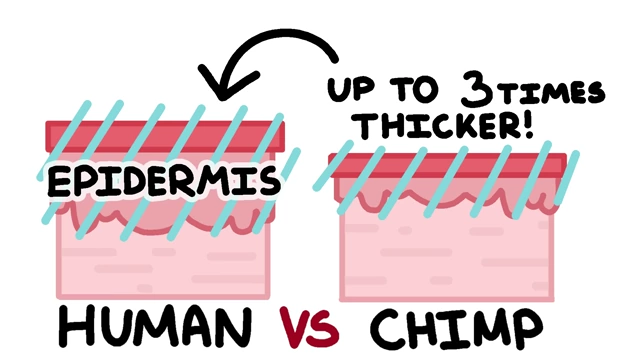
3. Weakened Muscles for Brain Development [00:05:02]
A major trade-off in human evolution involved prioritizing brain development over muscle strength.
- Energy Allocation to the Brain:
- The human brain consumes 20% of the body's metabolic energy to power approximately 100 billion neurons. [00:06:02]
- In comparison, chimpanzees have around 28 billion neurons.
- The human brain consumes 20% of the body's metabolic energy to power approximately 100 billion neurons. [00:06:02]
- Muscle Weakening:
- Genetic Basis:
- This muscular weakness is genetic, not simply a result of lifestyle; studies on macaques fed junk food showed their muscles did not weaken to human levels. [00:06:51]
4. Vulnerable Immune System (Theory) [00:05:02]
A highly theoretical but plausible explanation for human vulnerability is a trade-off related to our large brains and specific white blood cells.
- Natural Killer Cells and Fetal Development:
- Genes controlling natural killer (NK) cells, important for disease prevention, also manage blood flow between a mother and developing fetus. [00:05:12]
- In humans, NK cells prioritize robust blood flow to the fetus for proper brain development, potentially at the expense of disease-fighting capabilities compared to primates. [00:05:37]
5. Inefficient Foot Structure [00:07:24]
Human feet, despite containing 25% of all bones in the body (just one less than the hand), are functionally limited compared to primate feet.
- Loss of Grasping Ability:
- Human feet possess the same bones as chimpanzee feet. [00:07:36]
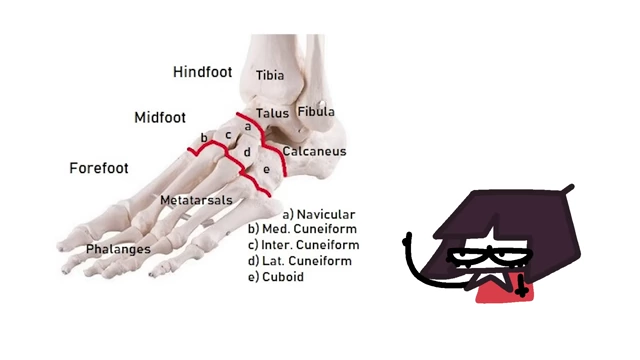
Detailed diagram of human foot bones [ 00:07:34 ] - However, while chimpanzee feet evolved for grasping and holding objects, human feet adapted solely for pushing off the ground for bipedalism. [00:07:38]
- The natural inclination to use our feet to pick up items demonstrates a latent desire for greater foot versatility.

A foot attempting to pick up an object [ 00:07:56 ]
- Human feet possess the same bones as chimpanzee feet. [00:07:36]
Conclusion [00:08:01]
While the video highlights perceived "flaws" in human evolution, it acknowledges that all organisms are equally evolved, just with different adaptations.
- No Going Back:
- De-evolving to a primate form is not a viable solution because early humans survived not by physical prowess but by being more intelligent than other animals. [00:08:24]
- Other Evolutionary Flaws:
- Ongoing Evolution:
- Evolution is a continuous process. Future adaptations might address current human body issues, such as developing a better spine or expanding milk digestion capabilities for more populations. [00:08:56]