This video investigates Dr. Andrew Huberman's popular advice to delay morning caffeine intake by 90-120 minutes to prevent an afternoon crash.
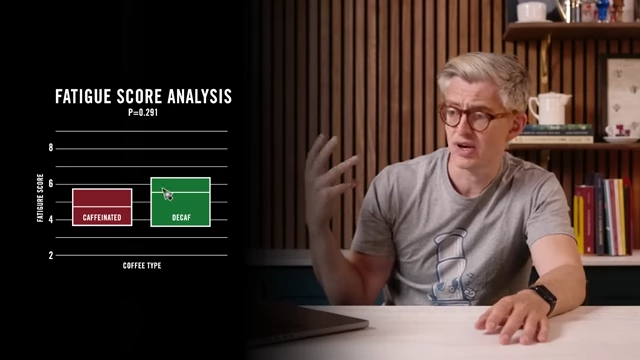
Bar chart showing fatigue score analysis with no statistically significant difference between caffeinated and decaf starts (p=0.291).
[
00:12:06
]
The experiment involved five participants consuming either caffeinated or decaffeinated coffee within 30 minutes of waking, without knowing which they received.
Participants logged all caffeine consumption and completed psychomotor vigilance tests (PVT) and subjective fatigue questionnaires between 3-5 PM daily for 30 days.
Results showed no statistically significant difference in perceived fatigue or reaction times between days starting with caffeine vs. decaf.
The study found that skipping early morning caffeine led to lower overall daily caffeine consumption, suggesting coffee drinking is more ritualistic than medicinal for many.
An alternative hypothesis was proposed: skipping morning coffee reduces overall caffeine intake, which could lead to better sleep and fewer crashes.
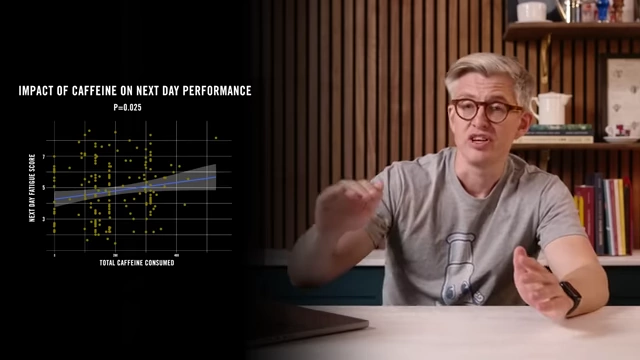
Data showed a correlation between better sleep and lower fatigue scores the next day, and higher caffeine consumption correlated with higher next-day subjective fatigue.
However, no correlation was found between daily caffeine intake and sleep score, highlighting the complexity of sleep factors beyond just caffeine.
The video concludes by emphasizing skepticism towards simple mechanisms for complex biological outcomes, encouraging a holistic view of health and wellness.
Introduction to Andrew Huberman's Coffee Advice [00:00]
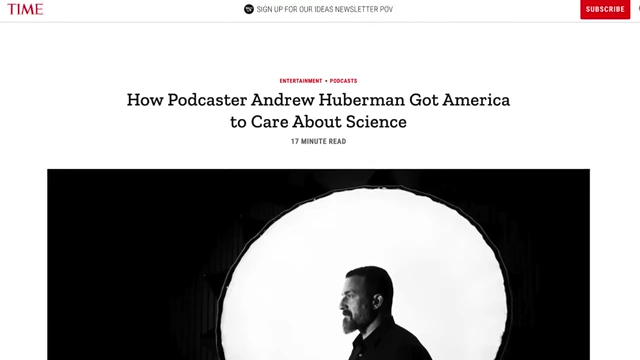
TIME article highlighting Andrew Huberman's popularity in science communication.
[
00:00:22
]
Andrew Huberman is a Stanford professor and a highly successful science communicator known for his "Huberman Lab" podcast.
His podcast shares science-based tools for everyday life.
Huberman's Morning Routine and Coffee Recommendation [00:00]
A viral aspect of his advice is his morning routine, particularly delaying caffeine intake.
He recommends delaying caffeine by 90-120 minutes after waking to prevent an afternoon crash due to adenosine buildup.
Huberman's theory: Drinking caffeine immediately blocks adenosine receptors. As caffeine wears off, even lower levels of adenosine can cause a greater sense of sleepiness, leading to a crash.
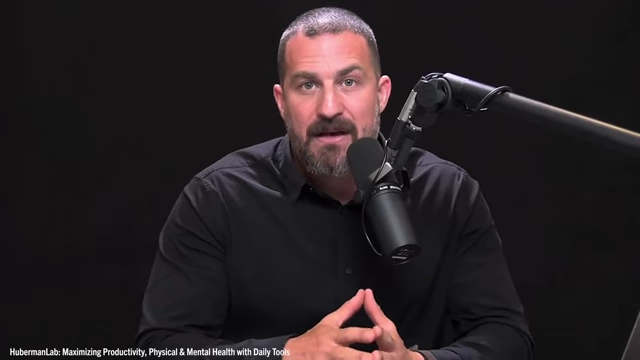
Dr. Andrew Huberman explaining his rationale for delaying morning caffeine intake.
[
00:01:32
]
The host, James Hoffmann, points out that while the biochemistry sounds plausible, there's a lack of direct scientific studies (meta-analyses or single studies) proving this specific claim.
The recommendation is an inference based on some studies, not a conclusively answered question.
Anecdotal evidence from people who follow the advice is biased because they are motivated to see positive outcomes.
Layne Norton's Argument on Mechanisms vs. Outcomes [00:03:07]
James Hoffmann references Dr. Layne Norton, a nutritional PhD, who critiques cherry-picking single mechanisms to predict complex whole-body outcomes.
Dr. Layne Norton discussing the fallacy of single mechanisms in biological outcomes.
[
00:04:14
]
Example: Coffee raises cortisol, a stress hormone associated with body fat. However, randomized controlled trials show coffee intake is not linked to fat gain; sometimes, the opposite is true.
Key takeaway: Biological outcomes are a result of hundreds, if not thousands, of interacting mechanisms, not just one.
Hoffmann humorously notes that adenosine also increases hair growth, implying that if coffee boosts adenosine, it should lead to thicker hair – highlighting the absurdity of isolated mechanisms.
The core question is whether Huberman's advice relies on a single mechanism (adenosine) while ignoring other complexities contributing to an afternoon crash.
Participants: Five individuals from the YouTube studio team.
Duration: 30 days.
Morning Coffee Consumption (Blinded): Within 30 minutes of waking, participants consumed a pre-randomized coffee capsule (either caffeinated or decaffeinated) without knowing its content.
Summary of the first experiment condition: consuming randomized coffee within 30 minutes of waking.
[
00:05:58
]
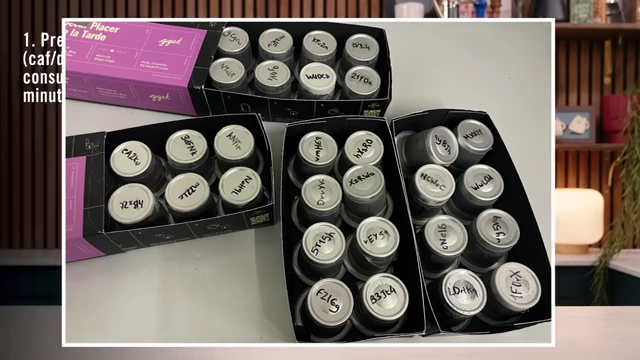
Method for blinding: Used Cometeer frozen coffee capsules from different roasters with varying roast levels, mixed with dairy to mask taste differences between caffeinated and decaffeinated.
Boxes of randomized caffeinated and decaffeinated Cometeer capsules used for blinding.
[
00:07:00
]
Each capsule was labeled with an alphanumeric code for logging.
Post-Morning Coffee Consumption: After the first two hours, normal coffee consumption resumed, with all further caffeinated drinks logged (time, amount, estimated caffeine).
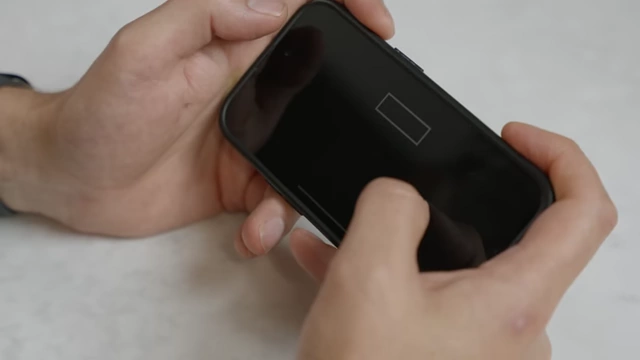
Psychomotor Vigilance Test (PVT): Performed daily between 3-4 PM to objectively measure reaction times, indicating cognitive alertness/tiredness. (NASA uses this for astronauts).
Performing the Psychomotor Vigilance Test (PVT) on a smartphone to measure reaction times.
[
00:07:35
]
Self-Assessed Fatigue Questionnaire: A 10-question survey administered between 3-5 PM to subjectively assess tiredness, sleepiness, and desire to rest.
Summary of the third experiment condition: completing PVT and subjective fatigue questionnaires between 3-5 PM.
[
00:08:39
]
Finding: No statistically significant difference in perceived fatigue scores between days starting with early morning caffeine (red) vs. early morning decaf (green).
P-value: 0.291 (greater than 0.05), indicating the observed difference could be due to random chance.
Conclusion: Delaying caffeine had no measurable impact on subjective afternoon fatigue.
Bar chart showing fatigue score analysis, with no statistically significant difference (p=0.291) between early caffeinated and decaffeinated starts.
[
00:12:06
]
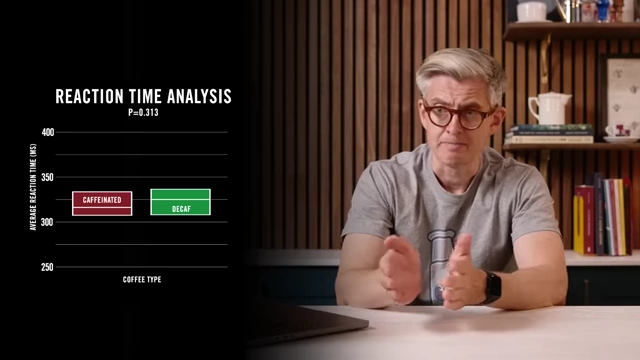
Finding: Almost identical results, with no statistically significant difference in reaction times between early morning caffeine vs. decaf.
P-value: 0.313 (greater than 0.05), suggesting no significant impact on objective performance.
Conclusion: Delaying caffeine had no measurable impact on objective afternoon alertness.
Bar chart showing reaction time analysis, with no statistically significant difference (p=0.313) between early caffeinated and decaffeinated starts.
[
00:13:26
]
Overall Conclusion on Huberman's Protocol: [00:13:36]
Based on this 30-day, five-person experiment, Huberman's protocol (delaying morning caffeine to prevent an afternoon crash) was not supported by the data under his explanation.
Adenosine and the Proposed Alternative Theory [00:13:47]
Hoffmann questions Huberman's adenosine mechanism: adenosine levels are lowest upon waking and accumulate throughout the day.
If caffeine blocks adenosine, it would be least effective when adenosine is lowest (early morning).
Delaying caffeine means consuming it when adenosine levels are higher, making caffeine more effective but potentially shifting the crash later, not preventing it.
Observation on Caffeine Consumption Patterns [00:15:08]
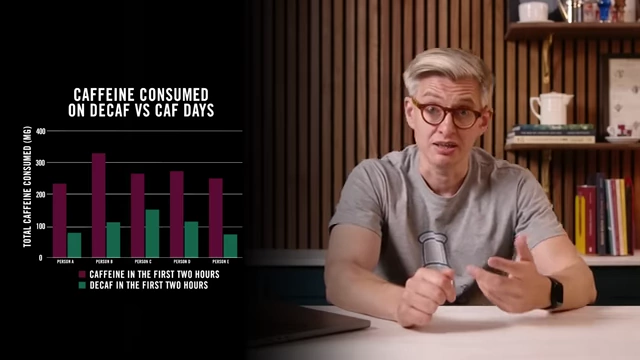
The most interesting finding: on days when participants started with decaf, they consumed significantly less caffeine overall throughout the day compared to days starting with caffeinated coffee.
This suggests that coffee consumption is largely ritualistic; missing the initial caffeinated ritual doesn't trigger compensatory caffeine intake later.
Bar chart comparing total daily caffeine consumption, showing significantly less caffeine consumed on days starting with decaf.
[
00:15:35
]
If you skip the first coffee, you consume less caffeine overall, which could lead to better sleep, and therefore fewer afternoon crashes due to being better rested. This challenges Huberman's adenosine mechanism directly.
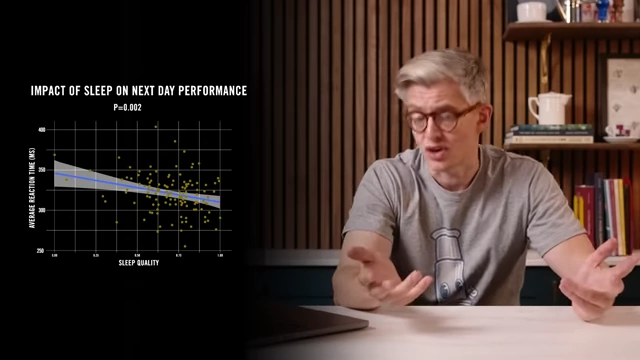
Finding: A statistically significant correlation (p=0.002) was found: better sleep quality (higher sleep score) correlated with lower fatigue scores the next day.
Conclusion: Good sleep indeed reduces next-day fatigue, which is an unsurprising but important confirmation.
Scatter plot showing a statistically significant correlation (p=0.002) between better sleep quality and lower next-day fatigue scores.
[
00:17:34
]
Impact of Caffeine on Next-Day Subjective Fatigue [00:18:02]
Finding: A statistically significant correlation (p=0.025) was found: higher total caffeine consumed on one day correlated with a slightly higher subjective fatigue score the next day.
Conclusion: More caffeine might lead to feeling more tired the following day.
Scatter plot showing a statistically significant correlation (p=0.025) between higher total caffeine consumed and higher next-day subjective fatigue.
[
00:18:24
]
Impact of Caffeine on Next-Day Objective Performance (PVT) [00:18:36]
Finding: No statistically significant correlation was found between total caffeine consumed and next-day PVT scores (reaction times).
Reasoning: PVT can be influenced by conscious effort/attention, making it less reliable as an objective measure of pure fatigue compared to subjective reports.
Scatter plot showing no statistically significant correlation (p=0.386) between total caffeine consumed and next-day objective reaction times (PVT).
[
00:18:44
]
The appeal of "biohacks" or single solutions is strong, as people want simple ways to improve their lives. However, this desire shouldn't override scientific rigor.