This video breaks down software engineer career levels at top tech companies like FAANG, detailing responsibilities and pay.
Overview of engineering career levels
[
00:00:20
]
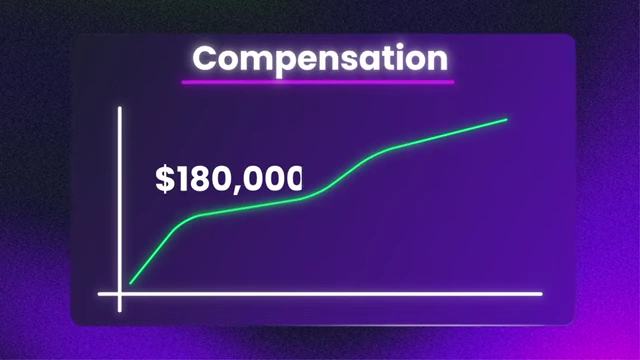
L3 Junior Engineer ($180k-$200k): Focuses on writing code and self-unblocking. FAANG primarily hires juniors from university programs.
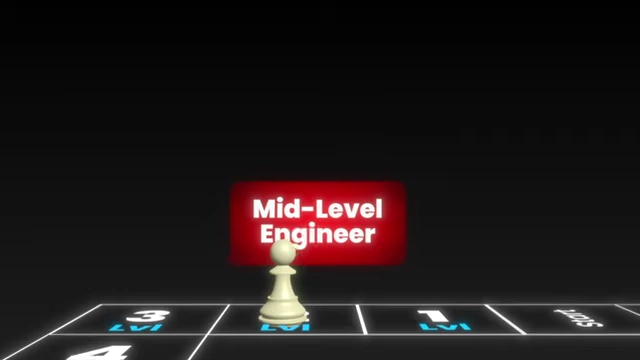
L4 Mid-Level Engineer (~$300k): Owns projects end-to-end, plans, and ships solutions with minimal guidance, navigating ambiguity. Many "senior engineers" from other companies join FAANG at this level.
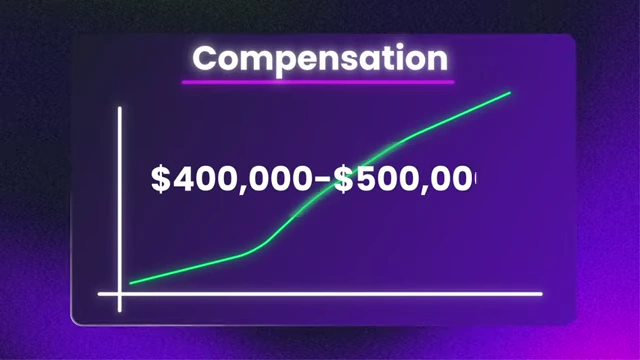
L5 Senior Engineer ($400k-$500k): Operates independently, leads projects, defines technical plans, coordinates, and mentors. This is a "terminal level" with no pressure for further promotion.
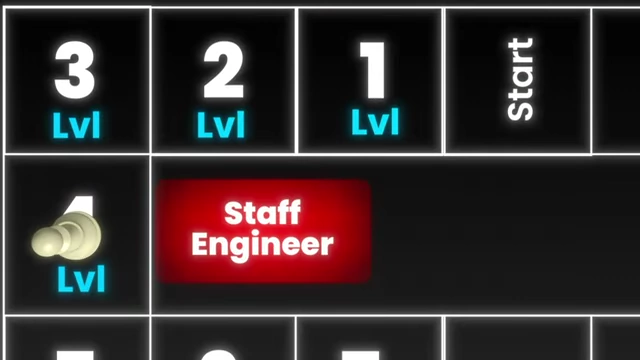
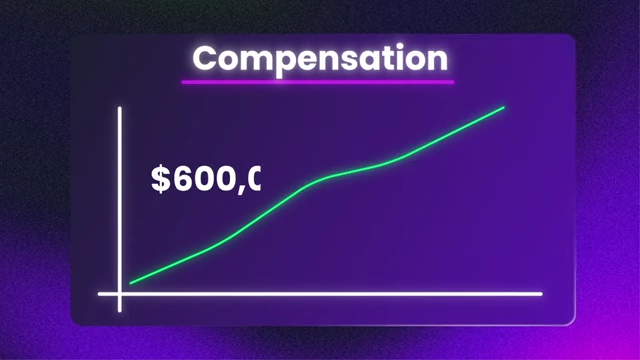
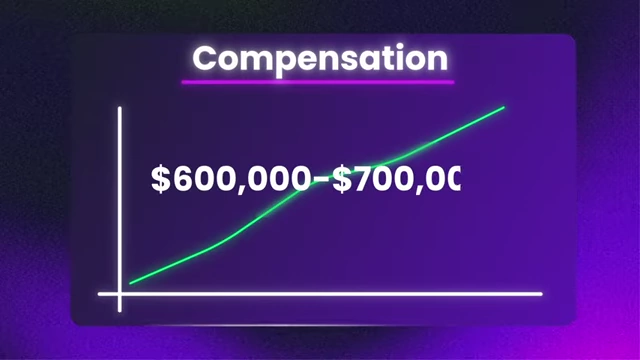
L6 Staff Engineer ($600k-$700k): Creates leverage through others, leads complex technical directions across multiple teams, requiring strong communication and mentorship. Various archetypes exist (Tech Lead, Fixer, Specialist).
M1 Engineering Manager ($600k-$700k): Creates a successful team environment by hiring, guiding problem focus, and fostering growth. Success is heavily tied to team performance and people management.
Manager's role: Create an environment where your team can succeed
[
00:09:47
]
M2/L7 Senior Manager/Sr Staff Engineer (~$1.2M): Senior Staff Engineers drive cross-organizational technical impact; Senior Managers oversee larger groups of teams.
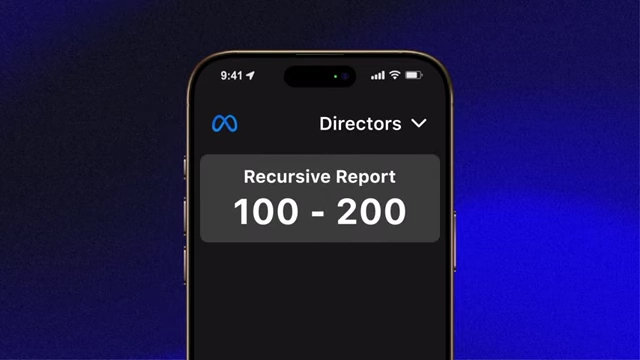
L8/D1 Principal Engineer/Director ($1.5M-$2M): Principal Engineers solve mission-critical problems across business units, interacting with executives. Directors manage extensive organizations (100-200+ reports), handling various issues.
Director level compensation: $1,500,000-$2,000,000
[
00:14:54
]
Bonus: Tech Lead Manager (TLM): A rare hybrid role (50% coding, 50% managing), typically found in infra-heavy teams with senior reports.
Independence and Leadership: This is the first level where engineers are truly expected to operate independently and lead projects.
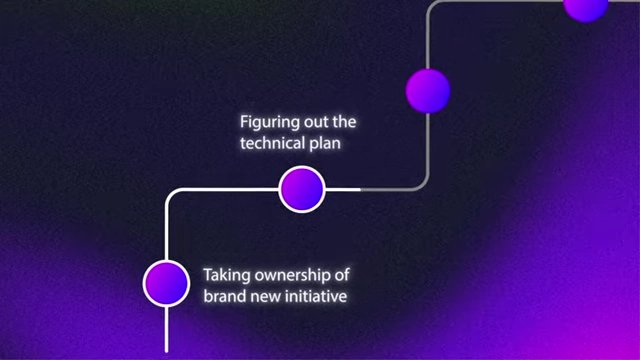
Take ownership of brand new initiatives, figure out the technical plan, coordinate across teams, and drive projects to completion.
Senior Engineer responsibilities: Taking ownership, figuring out the technical plan, and driving to completion
[
00:04:12
]
Work closely with product managers, designers, and other cross-functional leads to discuss trade-offs, reach alignment, and define what to build.
Mentorship: Expected to informally mentor mid-level and junior engineers, helping them improve.
Role in Company: Senior engineers are considered the bedrock of most tech companies, typically forming the largest population within an organization.
Terminal Level: This level is often considered "terminal," meaning there is no longer a formal pressure to seek promotion.
Unlike junior or mid-level, where there are "yellow zone" or "red zone" timelines for growth and promotion (or risk being managed out), this pressure is removed at the senior level.
Compensation: Usually around $400,000 to $500,000 in total compensation.
Major Career Shift: Reaching the staff engineer level represents one of the biggest shifts and milestones in an engineering career, essentially becoming a "different job altogether."
Core Responsibility: Create leverage and additional scope, not just through individual work but by enabling and leveling up others.
Staff Engineer's core responsibility: Creating leverage by unblocking and leveling up others
[
00:06:05
]
Lead technical direction for highly complex and often ambiguous problem spaces.
Design systems that span multiple teams, solve longstanding scaling bottlenecks, or drive major infrastructure migrations. The scale of problems is significantly larger than at the senior level.
Communication: Becomes a crucial part of the job.
Requires strong storytelling, ability to frame trade-offs, and effectively explain the importance of initiatives.
Mentorship: A core responsibility, expected to level up engineers across the organization.
Archetypes (Specialties): At this level, engineers can lean into various archetypes:
Tech Lead (TL): Owns the team's roadmap and provides technical direction, partnering with Engineering Managers (EMs) and Product Managers (PMs).
Engineering Manager on the career path
[
00:09:41
]
Role Objective: Create an environment where the team can succeed.
Engineering Manager's objective: Creating an environment for team success
[
00:09:47
]
Involves hiring excellent people, ensuring they work on the right problems, and helping them grow into proficient engineers.
Technical Involvement: Still participate in technical discussions, but the primary job is not to make core technical decisions, which typically falls to the Tech Lead and the team.
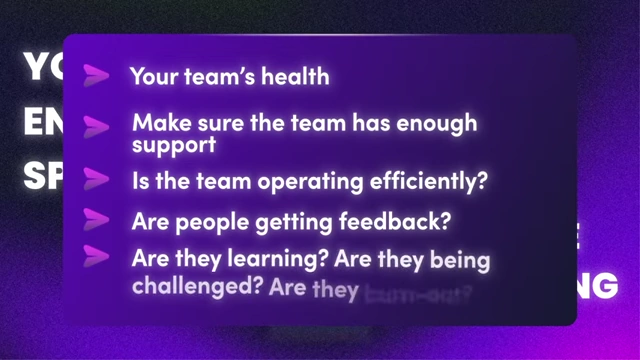
Primary Focus: People and Team Health: Spend significant time on team well-being.
Ensuring the team has adequate support and operates efficiently.
Providing necessary feedback and ensuring team members are learning, challenged, and not burnt out.
Key focus areas for Engineering Managers
[
00:10:26
]
Managing expectations and steering the team through shifting priorities or project challenges.
Collaboration: Work closely with product managers, designers, and other engineering managers.
Translate product needs into engineering realities.
Balance short-term execution with long-term investments for consistent team success.
Engineering Manager's balancing act between short-term execution and long-term investment
[
00:10:56
]
Difficulty: Engineering management is a very challenging role.
Key Distinction from Individual Contributor (IC) Path: Success is no longer entirely dependent on individual output but is tied to the team's performance.
Underperforming team members or unexpected departures can directly impact the manager's evaluation.
Compensation: Roughly the same as staff-level engineers, in the $600,000 to $700,000 range, with extremely high expectations.
Compensation for Engineering Managers
[
00:11:59
]
Constantly addresses a high volume of people problems, technical issues, and high-severity incidents. Every problem in the organization effectively becomes the Director's responsibility.
Compensation: Estimated to be in the range of $1.5 million to $2 million.
Compensation for Principal Engineers and Directors
[
00:14:54
]
Accurate public numbers are difficult to obtain due to the scarcity of individuals at these top levels who typically don't share their compensation data publicly.
Hybrid Role: A Tech Lead Manager (TLM) is a rare hybrid role that sits between an Individual Contributor (IC) and management.
Tech Lead Manager (TLM) role split between coding and managing
[
00:16:43
]
Rarity: The presenter notes having seen only one or two TLMs in a decade-long career.
Responsibilities: Typically involves a 50% coding and 50% managing split.
Manages fewer direct reports, who are usually very senior engineers.
Common Placement: Often found in infra-heavy teams where a traditional team structure (with many junior/mid-level engineers) is less feasible due to the senior expertise required for infrastructure code.